Maritime Security

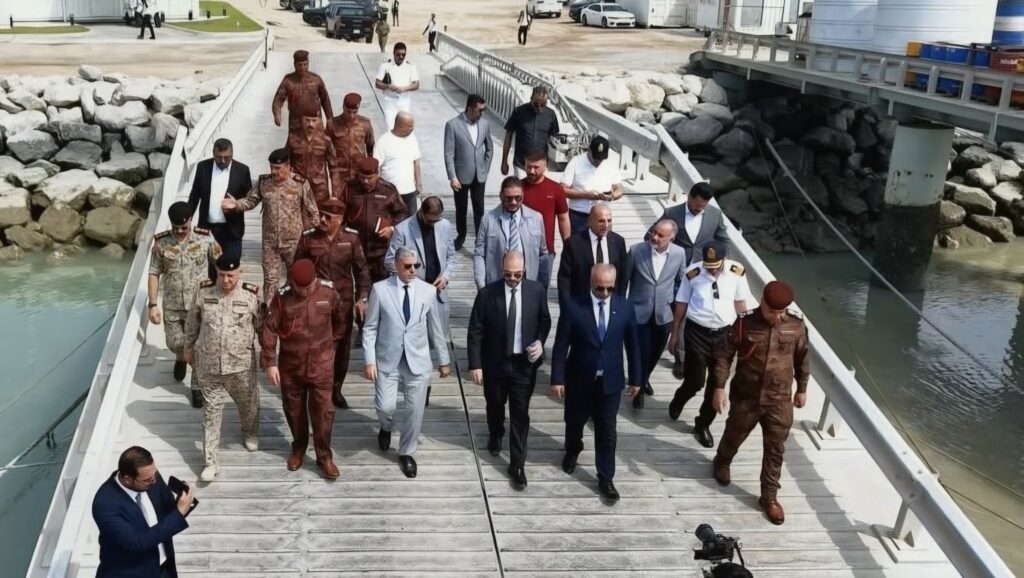
  • Iraq Launches Vessel Traffic Services System to Strengthen Maritime Safety and Security

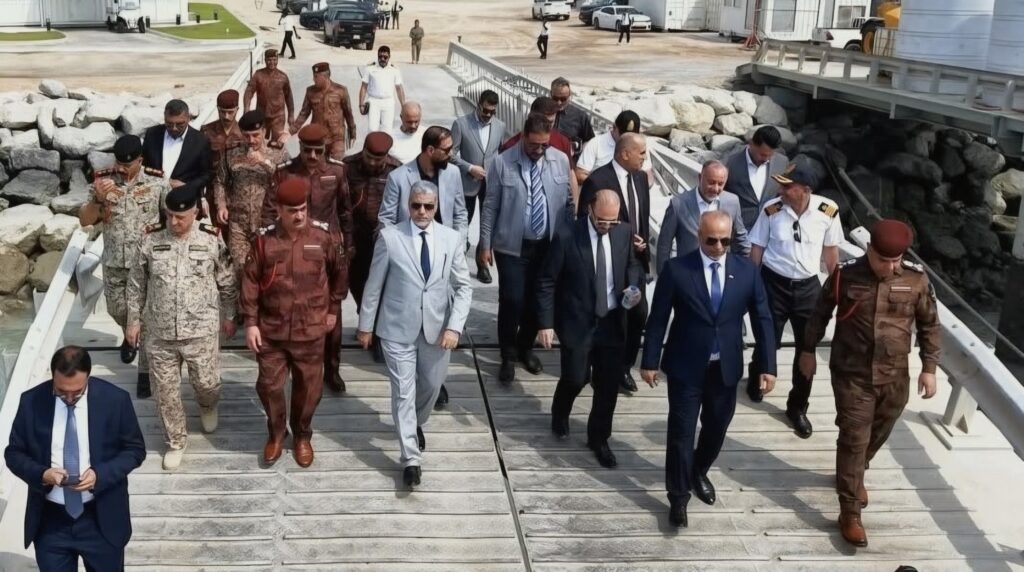
    Shipping Arabia, October 24, 2026 – The Iraqi Supreme Maritime Authority has inaugurated a new Vessel Traffic Services (VTS) system to monitor and regulate vessel movements within Iraq’s territorial waters. The project aims to strengthen maritime safety and security, improve navigational efficiency, and enhance the management of vessel arrivals and departures.

    The inauguration marks a development in Iraq’s efforts to modernize its maritime surveillance capabilities and strengthen operational oversight of shipping activities. The system will support vessel traffic management while improving coordination and information exchange across the country’s maritime sector.

    The ceremony was attended by the Deputy Director General of the General Company for Ports of Iraq (GCPI), alongside representatives of the Arabian Gulf Academy for Maritime Studies, the Iraqi Navy and the Border Guard Command.

    Iraq’s Vessel Traffic Services System to Improve Maritime Operations

    Ali Abdul Latif Al-Tamimi, Director General of the Iraqi Supreme Maritime Authority, said the project aligns with the Ministry of Transport’s directives to develop the country’s technical and operational capabilities.

    According to Al-Tamimi, the new VTS system will improve vessel monitoring and verification of ship movements, contributing to stronger maritime security and supporting commercial shipping activities.

    The system is designed to improve the organization of vessel traffic in Iraqi territorial waters while enhancing navigational safety and reducing operational risks. It will also strengthen maritime security measures aimed at preventing illegal activities and protecting critical maritime infrastructure.

    Furthermore, the project supports efforts to safeguard the marine environment by improving oversight of shipping activities and strengthening the management of vessel movements.

    The Authority expects these improvements to contribute to more efficient maritime operations and facilitate the movement of commercial vessels through Iraqi waters.

    Strategic Importance of Iraq’s Maritime Location

    Al-Tamimi emphasized Iraq’s geographical position along the Shatt al-Arab waterway and the Arabian Gulf, highlighting the strategic role of the country’s ports in connecting the national economy with international markets.

    He explained that developing maritime surveillance systems is essential to improving the management of shipping movements and maintaining appropriate safety and security standards.

    The new VTS system will also support regulatory procedures and improve information exchange among relevant maritime stakeholders. These capabilities are expected to facilitate smoother navigational and commercial traffic while strengthening the efficiency of maritime operations.

    According to the Authority, improvements in vessel traffic management and maritime oversight will also help support investment opportunities in Iraq’s maritime sector.

    Alignment With International Maritime Standards

    The Iraqi Supreme Maritime Authority highlighted the importance of adopting modern technologies and benefiting from international experience in managing vessel traffic.

    Al-Tamimi said the project forms part of efforts to keep pace with technological developments in the maritime industry while strengthening the country’s technical and operational capabilities.

    The Authority also emphasized the importance of implementing maritime monitoring and traffic management measures in accordance with applicable international laws, agreements and standards.

    These include the International Convention for the Safety of Life at Sea (SOLAS) and the 1982 United Nations Convention on the Law of the Sea (UNCLOS), each within its respective scope of application.

    Through the introduction of the VTS system, Iraq aims to improve maritime oversight, strengthen navigational safety and security, and support the efficient movement of vessels serving its ports and territorial waters.

    Source: Iraqi Ministry of Transport
  • Iraq Maritime Security Committee Reviews Vessel Traffic Regulations at 27th Meeting

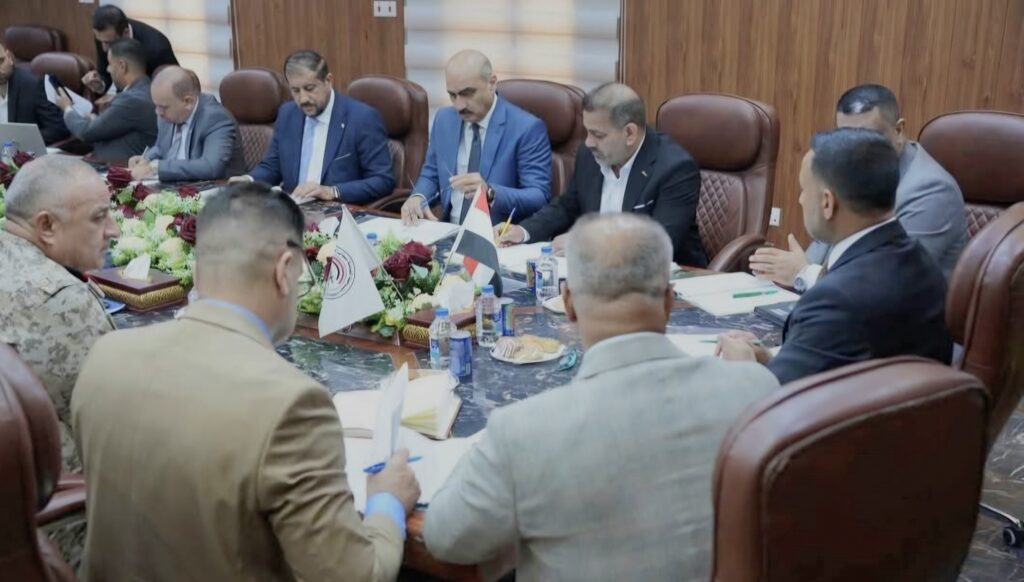
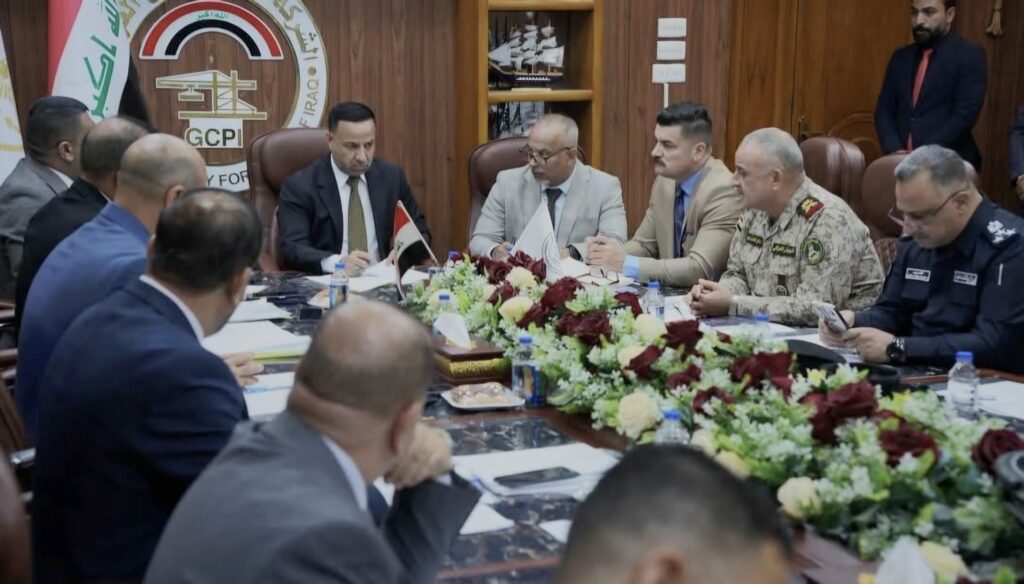
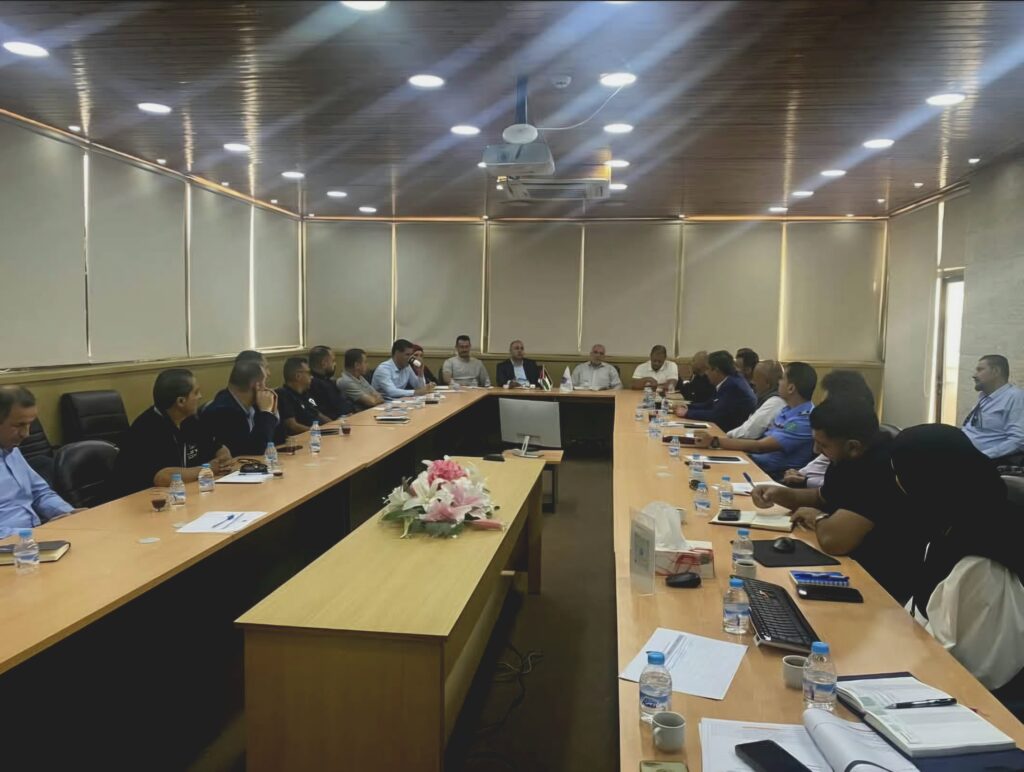
    Shipping Arabia, October 23, 2026 – Iraq’s Maritime Security Committee held its 27th meeting at the headquarters of the General Company for Ports of Iraq (GCPI), focusing on maritime security in Iraqi territorial waters and procedures regulating vessel movements to and from the country’s ports.

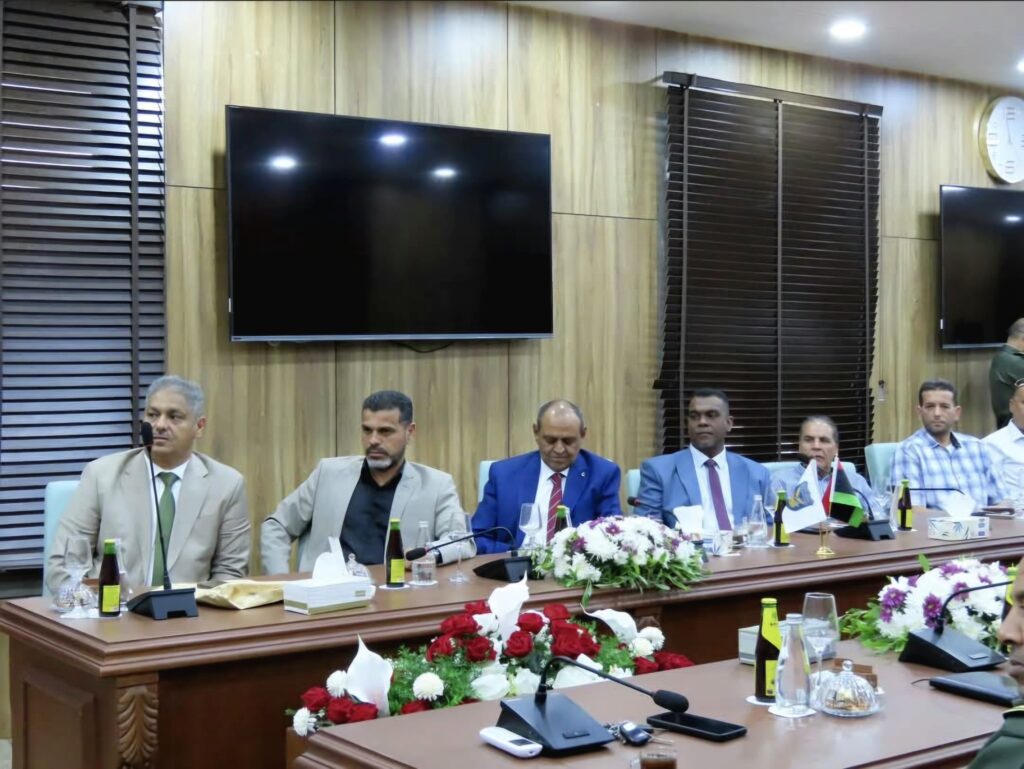
    The meeting was chaired by Dr. Hazem Al-Hafadhi, Administrative Undersecretary at Iraq’s Ministry of Transport, with GCPI Director General Abdullah Ati Abdullah and members of the committee in attendance.

    Discussions focused on security matters concerning Iraqi territorial waters, mechanisms for regulating vessel entry and departure, and the implementation of existing measures to maintain the smooth flow of maritime traffic.

    Maritime Security Committee Reviews Vessel Traffic Procedures

    The committee examined procedures governing ship movements in Iraqi waters, emphasizing compliance with applicable maritime regulations and instructions.

    Participants also reviewed the measures currently in place to support navigational safety and security while maintaining orderly vessel movements.

    The discussions addressed coordination among authorities responsible for maritime security, particularly regarding the protection of Iraqi territorial waters and the implementation of established security procedures.

    Coordination to Protect Iraqi Territorial Waters

    The 27th meeting formed part of ongoing coordination among Iraqi authorities involved in maritime security and the management of vessel movements.

    The committee’s work focuses on monitoring the measures necessary to protect the country’s territorial waters, strengthen maritime navigation safety and maintain compliance with existing regulations.

    These efforts aim to ensure the safe and orderly movement of vessels entering and departing Iraqi ports while supporting the continuity of maritime operations.

    Source: General Company for Ports of Iraq

  • Jordan Maritime Commission Reviews Maritime Emergency Response Plan for Gulf of Aqaba

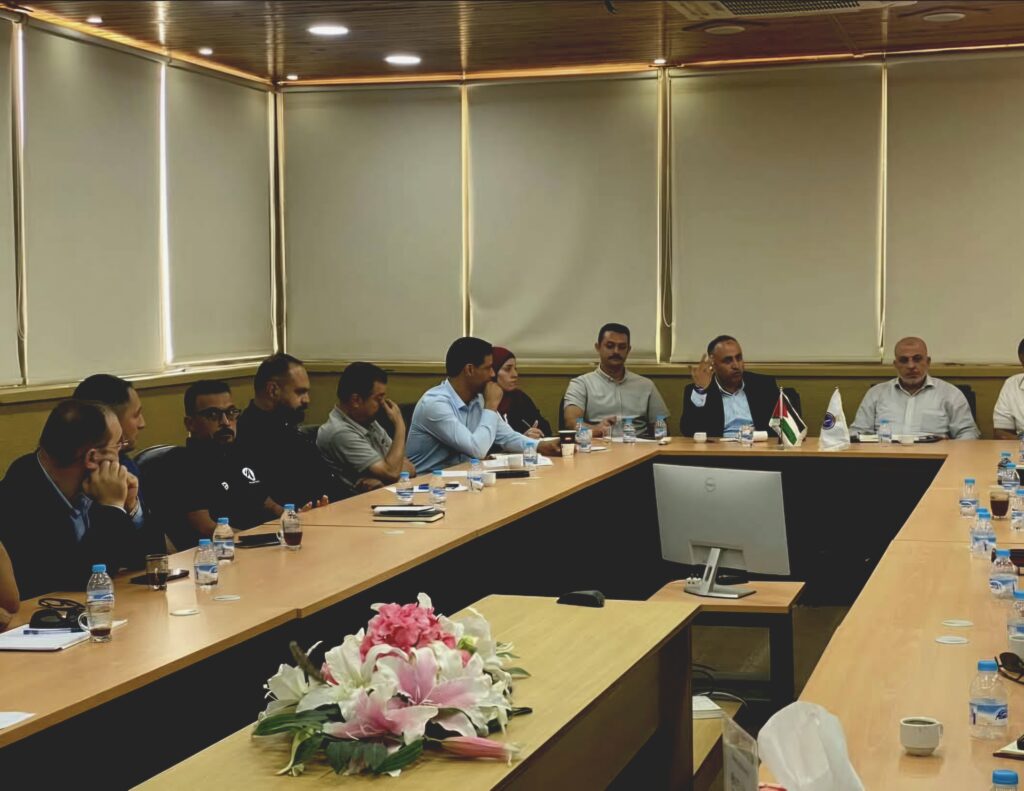
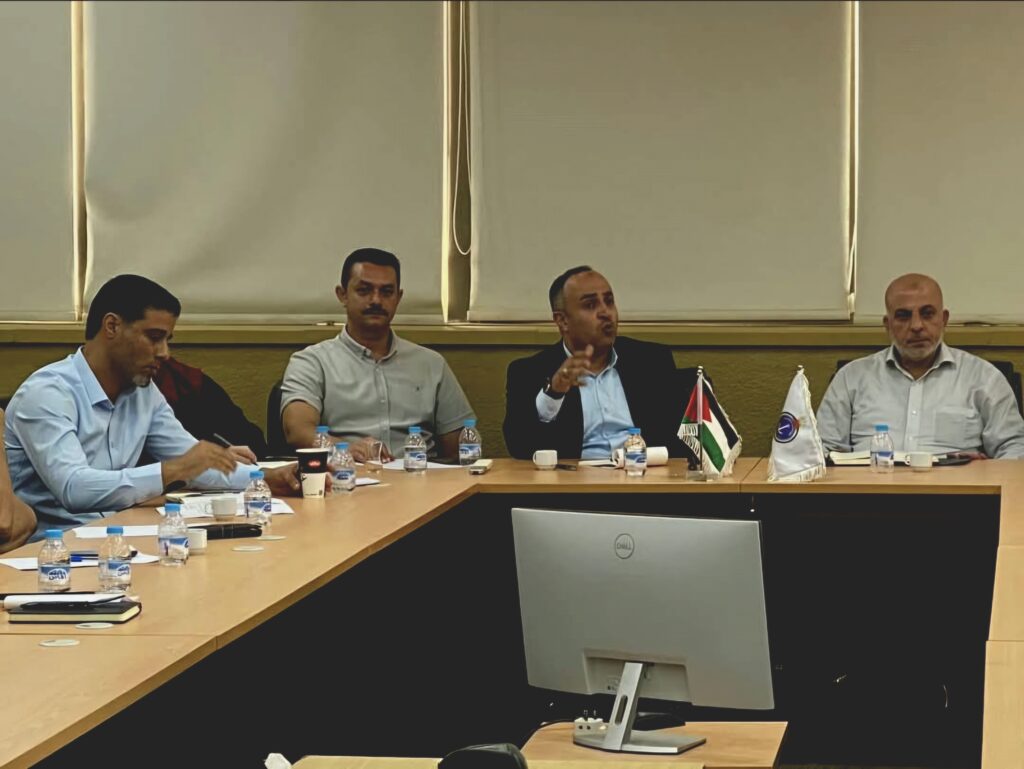
    Shipping Arabia, October 17, 2026 – The Jordan Maritime Commission (JMC) held a meeting on October 11 to review a draft maritime emergency response plan and procedures for managing marine disasters and incidents in Jordanian territorial waters and the Gulf of Aqaba. The discussions focused on strengthening national preparedness, improving coordination among responsible authorities and establishing clear procedures for responding to maritime emergencies.

    The meeting took place at the commission’s headquarters under the chairmanship of JMC Director General, Dr, Ahmed Al-Assasleh. Representatives of relevant authorities and maritime specialists attended to discuss the proposed framework and the responsibilities of institutions involved in maritime emergency response.

    Jordan Maritime Commission Focuses on Emergency Preparedness

    During the meeting, Al-Assasleh emphasized the importance of developing a comprehensive and clearly defined maritime emergency response plan capable of addressing different types of maritime incidents and disasters.

    He stressed that effective emergency management requires rapid response capabilities, strong coordination among responsible authorities and clearly allocated roles and responsibilities. These elements are essential to ensuring that participating organizations can act efficiently when maritime emergencies occur.

    Al-Assasleh also highlighted the importance of strengthening preparedness to protect human lives, property and the marine environment. He emphasized that the proposed framework should contribute to maintaining navigational safety throughout Jordanian territorial waters and the Gulf of Aqaba.

    The draft plan aims to establish clear and effective procedures that support coordinated action among relevant institutions, allowing authorities to respond appropriately according to the circumstances and nature of each maritime incident.

    Strengthening Coordination Among Maritime Authorities

    A central theme of the discussions was the need to strengthen cooperation and institutional coordination among organizations responsible for maritime safety and emergency management.

    Al-Assasleh called for unified efforts and closer integration between the relevant authorities. He also emphasized the importance of utilizing their collective expertise, resources and operational capabilities to improve national readiness for maritime emergencies.

    According to the JMC Director General, effective cooperation between institutions is necessary to ensure that response procedures are implemented efficiently and that responsibilities remain clearly defined throughout emergency operations.

    Participating organizations similarly emphasized the importance of maintaining continuous coordination and ensuring that institutional roles complement one another. They agreed that stronger cooperation would improve the efficiency of maritime incident response and support the timely implementation of measures appropriate to each emergency.

    Protecting Maritime Safety and the Gulf of Aqaba Environment

    The participating authorities welcomed the Jordan Maritime Commission’s efforts to prepare and review the draft emergency response plan.

    They also praised the commission’s collaborative approach, which brings together relevant institutions and specialists to clarify responsibilities, coordinate resources and strengthen national capabilities for managing maritime disasters and incidents.

    The participants highlighted the importance of this cooperation in achieving high standards of maritime safety and security while protecting the marine environment in the Gulf of Aqaba.

    Through the proposed maritime emergency response plan, the Jordan Maritime Commission aims to establish a coordinated national approach that improves institutional preparedness and supports effective action during maritime emergencies.

    The meeting represented a step in reviewing the draft procedures and aligning the responsibilities of participating authorities to strengthen maritime safety, emergency response capabilities and environmental protection in Jordanian waters.

    Source: Jordan Maritime Commission

  • Yemen Port Security Training Strengthens Maritime Preparedness Through EU-Funded IMO Workshop in Aden

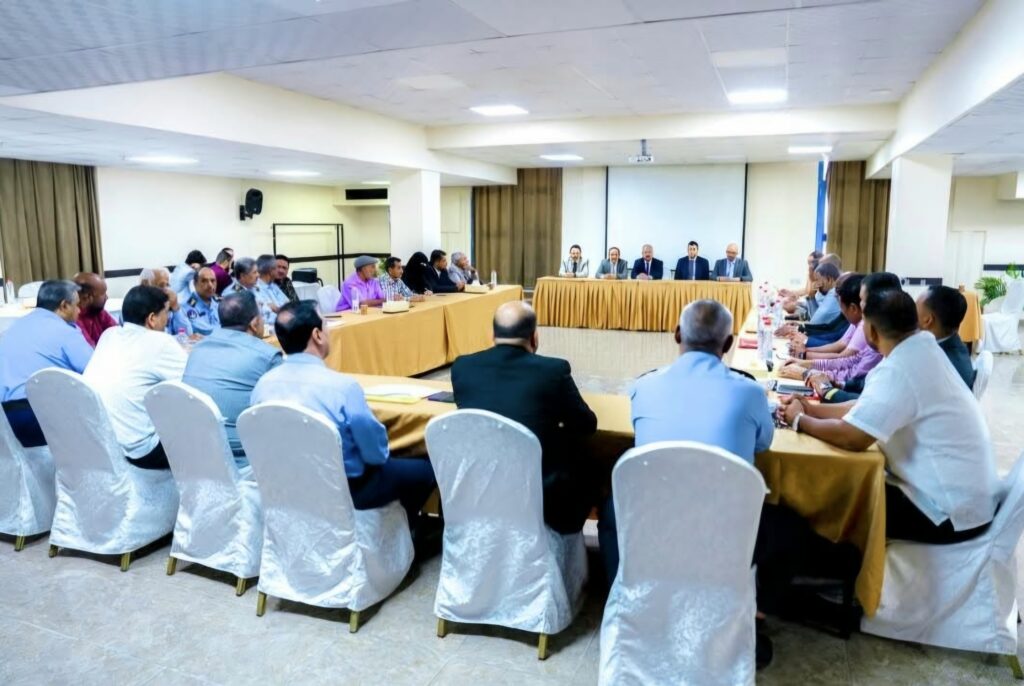
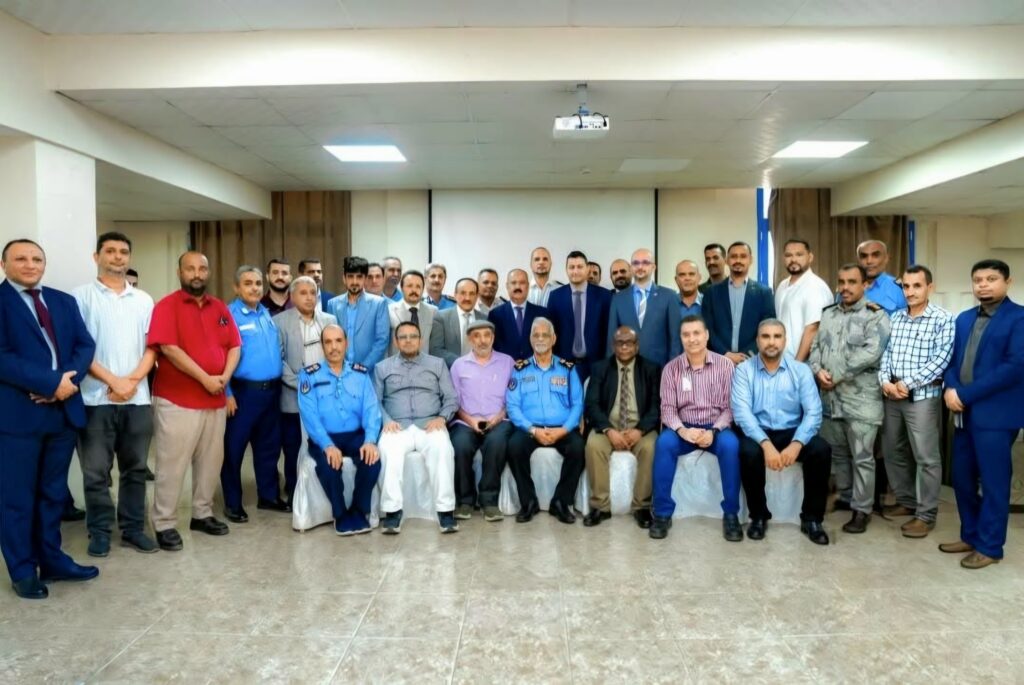
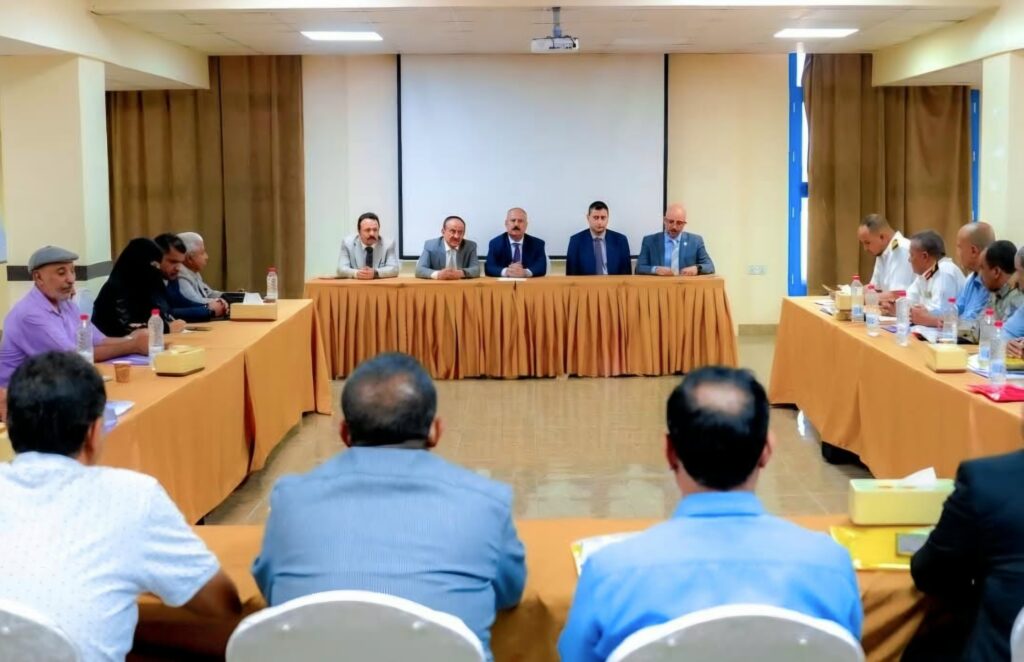
    Shipping Arabia, October 16, 2026 – Yemen port security training and emergency preparedness efforts received renewed attention as a five-day maritime security workshop, funded by the European Union and implemented by the International Maritime Organization (IMO), concluded in Aden. The program brought together 30 participants from maritime authorities, port corporations and security agencies to strengthen risk assessment capabilities, improve port facility security and support safe navigation across Yemen’s strategic maritime waterways.

    The workshop was organized under the Regional Programme for Maritime Security in the Red Sea Area. It brought together port facility security officers, designated authority representatives and port security committee members to improve coordination and strengthen the implementation of maritime security measures.

    Speaking at the closing ceremony, Yemen’s Minister of Transport, Mohsen Haidara Al-Omari, emphasized the importance of preparing port facilities to identify and assess security risks, establish priorities and implement appropriate preventive measures. He stressed that effective emergency response must go hand in hand with maintaining the continuity of commercial shipping and maritime operations.

    Yemen Port Security Training Focuses on Risk Assessment and Emergency Preparedness

    Al-Omari described the workshop as an important opportunity to strengthen national maritime security capabilities and improve awareness of the requirements for protecting ships and port facilities.

    He noted that current regional conditions and security challenges affecting maritime routes have increased the responsibility of national authorities to safeguard Yemen’s ports, vessels and waterways. Maintaining maritime trade and preventing the use of port facilities for unlawful activities remain essential priorities.

    The minister urged participants to translate the knowledge acquired during the workshop into practical security measures at their respective ports and facilities. He emphasized that effective port security requires continuous training, professional development and regular exercises to test preparedness.

    Al-Omari also called for periodic reviews of port security and emergency response plans, alongside checks to ensure that security equipment and systems remain operational and ready for use.

    He highlighted the need to activate port security committees and strengthen cooperation among relevant government agencies. According to the minister, these committees play an important role in coordinating security efforts, defining institutional responsibilities and improving cooperation between stakeholders.

    Thirty Participants Receive Specialized Maritime Security Training

    The five-day workshop involved 30 representatives from Yemen’s Maritime Affairs Authority and the Gulf of Aden, Red Sea and Arabian Sea port corporations.

    Participants also represented state security agencies, the Coast Guard, immigration authorities, Customs, naval forces, refineries and free zone security departments.

    The training covered fundamental maritime security concepts and the threats facing vessels and port facilities. Participants examined different security levels, ship and port facility security assessments, security inspections and the preparation and implementation of port facility security plans.

    Other sessions addressed security equipment and systems, emergency planning, security organization and the responsibilities of port security officers and port facility security officers.

    The workshop also examined the role and responsibilities of port security committees, including their operating procedures, organizational structures and the allocation of duties among participating authorities.

    Additional attention was given to port-level risk management, identifying security priorities and establishing effective coordination mechanisms between agencies responsible for maritime and port security.

    The training aimed to equip participants with practical knowledge to improve security planning, strengthen institutional coordination and support the implementation of appropriate preventive measures within Yemen’s ports.

    IMO and European Union Reaffirm Maritime Security Cooperation

    Mustafa Abdulqader, the IMO representative for the Red Sea project, explained that the workshop focused on the fundamental requirements of port facility security.

    He said the program aimed to strengthen participants’ understanding of their duties and responsibilities within the port security framework.

    Abdulqader reaffirmed the IMO’s commitment to providing technical assistance and capacity-building support to Yemeni maritime personnel. These efforts aim to strengthen the country’s maritime security arrangements and improve operational preparedness across its ports.

    For his part, Al-Omari reiterated the Ministry of Transport’s support for the Maritime Affairs Authority, port organizations and other relevant national institutions in developing Yemen’s maritime security system.

    He emphasized the importance of drawing on international expertise and expanding cooperation with the IMO, the European Union and other international partners.

    The minister also called for the workshop’s outcomes to serve as a foundation for further improvements tailored to the operational requirements and security conditions of Yemeni ports.

    Strengthening Maritime Security in the Red Sea, Gulf of Aden and Bab el-Mandeb

    Al-Omari highlighted the importance of strengthening maritime security cooperation in light of the challenges affecting the region’s shipping routes.

    He emphasized that improved port security, stronger institutional coordination and better-trained personnel contribute to protecting ports, vessels and seafarers while supporting safe navigation.

    The minister specifically highlighted the importance of maritime security across the Red Sea, Gulf of Aden and Bab el-Mandeb, where maintaining the safety and continuity of shipping operations remains a central concern.

    He thanked the IMO, the European Union, participating experts, consultants and national maritime authorities for their contributions to the workshop.

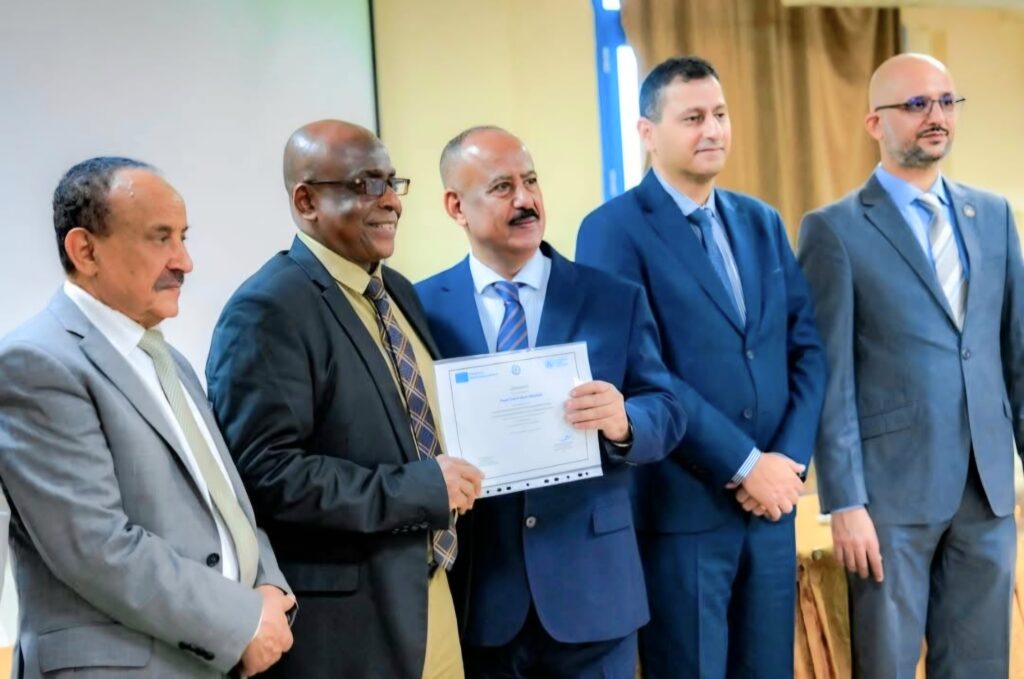
    The closing ceremony was attended by Deputy Minister of Transport for Maritime Affairs and Ports Capt. Ali Al-Subhi, Maritime Affairs Authority Chief Executive Fahim Saif and representatives of the Regional Programme for Maritime Security in the Red Sea Area.

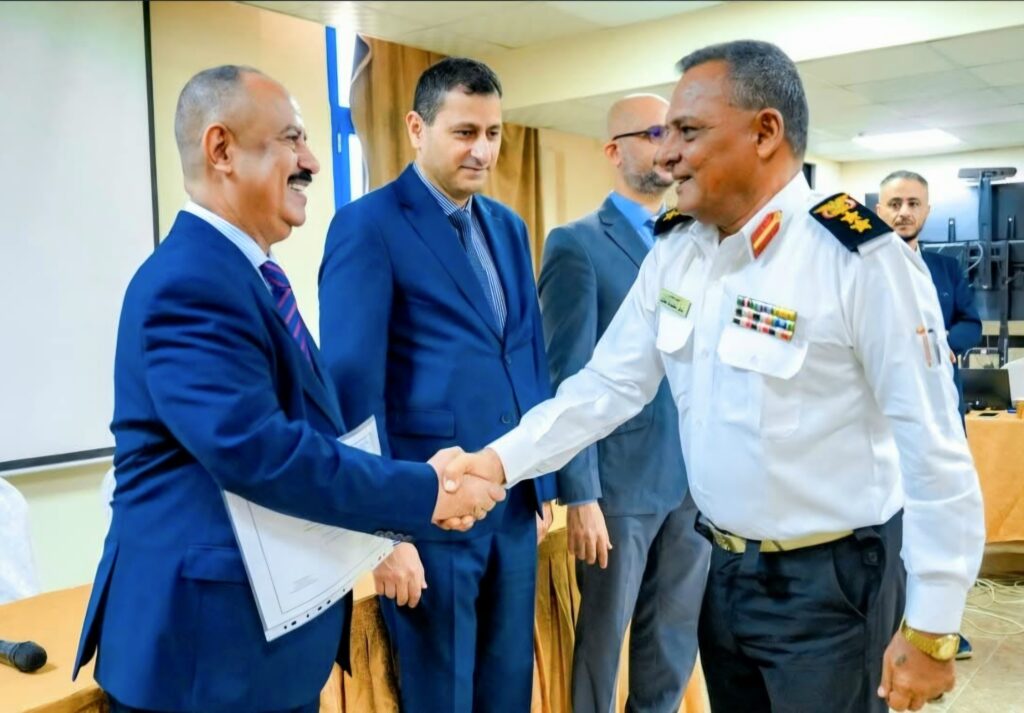
    The event concluded with the recognition of participants and the distribution of certificates.

    Source: Yemen Arabian Sea Ports Corporation

  • Port of Beirut Maritime Security in Focus During EU Foreign Policy Chief Kaja Kallas Visit

    Shipping Arabia, October 16, 2026 – Port of Beirut maritime security and the port’s strategic importance to Lebanon were highlighted during a visit by European Union High Representative for Foreign Affairs and Security Policy Kaja Kallas. The visit focused on the port’s role within Lebanon’s national maritime security strategy and the European Union’s continued support for security and safety standards.

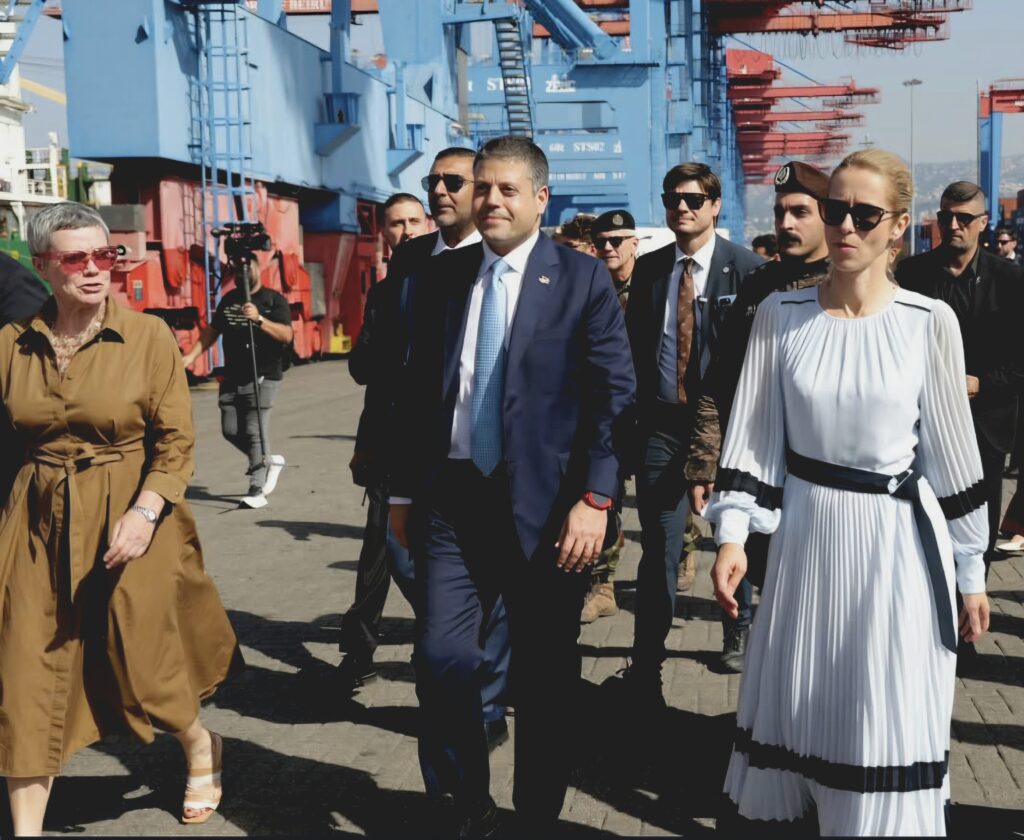
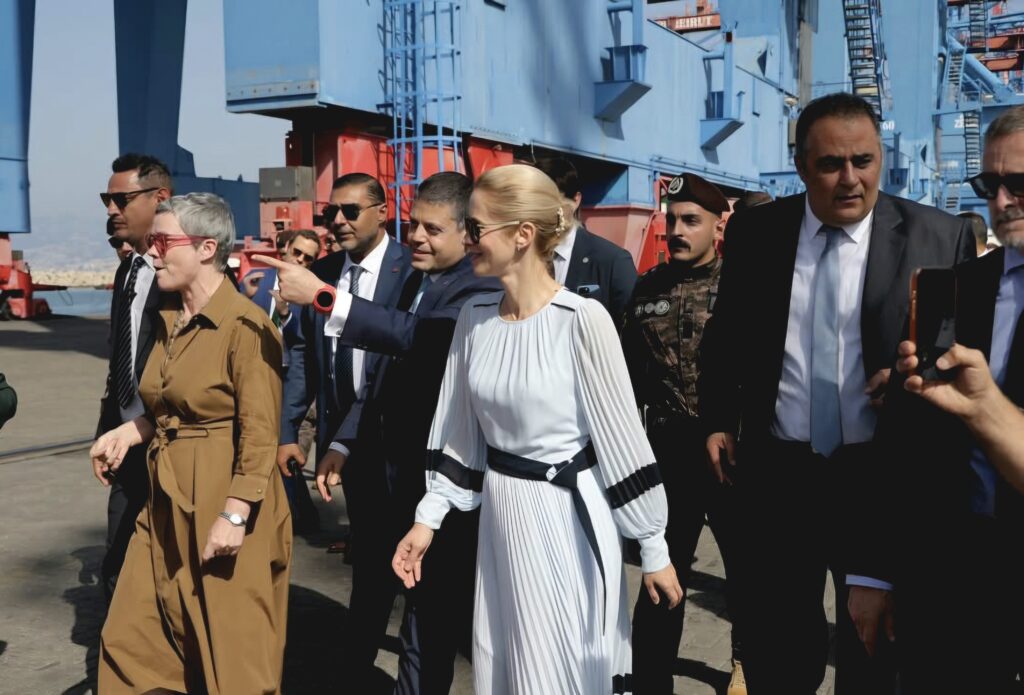
    Kallas was accompanied by EU Ambassador to Lebanon Sandra De Waele and Chairman of the European Union Military Committee, Gen. Seán Clancy. During the visit, the delegation met with Port of Beirut Chairman and Director General Marwan El-Naffi to discuss the port’s importance and ongoing efforts to maintain maritime security and operational safety.

    El-Naffi accompanied Kallas on a tour of the port’s container terminal, where the delegation observed operational activities and reviewed the security and safety procedures currently in place.

    Port of Beirut Maritime Security and EU Support

    El-Naffi described the visit as recognition of the Port of Beirut’s strategic position and its importance to Lebanon and the wider region. He emphasized that the European Union has supported the port, particularly in areas related to maritime security and safety.

    According to El-Naffi, the presence of the EU’s High Representative reaffirmed the continuation of this support and highlighted the port’s significance within Lebanon’s national economy.

    He also pointed to the Port of Beirut’s regional importance, describing it as a gateway to the East. The visit, he said, reflected the port’s central position and the role it continues to play at the national and regional levels.

    The discussions and container terminal tour placed particular emphasis on the security and safety arrangements supporting port operations. These measures remain an important part of the port management’s efforts to maintain established operational standards.

    Port Management Reaffirms Commitment to Security and Safety Standards

    El-Naffi highlighted the progress achieved at the Port of Beirut through the implementation of security and safety measures. He attributed the improvements to the procedures and arrangements adopted by the port’s management.

    The chairman reaffirmed the port’s commitment to maintaining these standards while continuing to develop and strengthen its security and safety systems.

    He emphasized the importance of preserving the progress already achieved and ensuring that existing measures continue to support the port’s operational activities.

    The visit brought renewed attention to the European Union’s support for the Port of Beirut and the importance of maintaining maritime security and safety standards. It also highlighted the port’s role within Lebanon’s maritime security strategy and its significance to the national economy and the wider region.

    Source: Port of Beirut

    EU foreign policy chief Kaja Kallas visits the Port of Beirut to review maritime security and safety measures with port chairman Marwan El-Naffi.
    EU foreign policy chief Kaja Kallas visits the Port of Beirut to review maritime security and safety measures with port chairman Marwan El-Naffi.
  • ISPS Code Compliance in Libya Advances as Julyana Free Zone Port Secures Certification

    Shipping Arabia, October 16, 2026 – ISPS Code compliance in Libya has advanced with the award of a compliance document to Julyana Free Zone Port, making it the second Libyan commercial port to receive the certification from the Ports and Maritime Transport Authority. The development follows the earlier certification of Misrata Free Zone Port and forms part of ongoing efforts to strengthen maritime security across Libya’s port sector.

    The authority formally handed over the compliance document on October 7, following the completion and verification of the port’s security plans and procedures. The assessment confirmed that the implemented measures met the applicable requirements of the International Ship and Port Facility Security (ISPS) Code.

    The certification followed intensive training programs and capacity-building initiatives for personnel working at Julyana Free Zone Port. These efforts focused on strengthening their ability to implement approved security procedures and address requirements related to port security, vessel protection and port facility safety.

    Julyana Port Strengthens Maritime Security and Operational Readiness

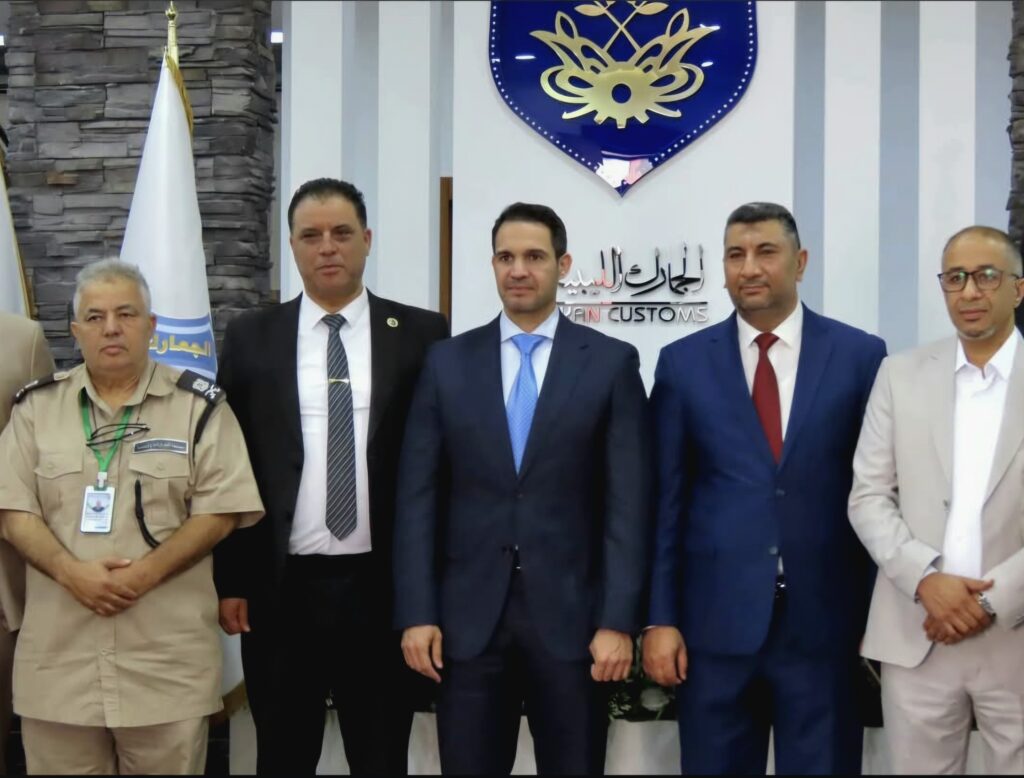
    During the handover ceremony, Mohammed Salem Al-Siouy, Chairman of Libya’s Ports and Maritime Transport Authority, emphasized the importance of meeting internationally recognized maritime security standards.

    He described the port’s compliance with the ISPS Code as an important step toward improving operational efficiency and strengthening security and safety arrangements in accordance with standards established by the International Maritime Organization (IMO).

    According to Al-Siouy, stronger compliance with international maritime security requirements can help reduce risks associated with maritime transport. He also highlighted its importance in building confidence in Libyan ports and reducing costs linked to maritime risks and insurance.

    The chairman praised the management and personnel of Julyana Free Zone for their cooperation and commitment throughout the compliance process. He acknowledged their efforts in implementing the required security plans, completing training programs and meeting the necessary international standards.

    Al-Siouy also stressed the importance of continuing to develop maritime security and safety systems across Libyan ports. He called for sustained efforts to improve compliance with international requirements and strengthen the readiness of port facilities.

    ISPS Code Compliance in Libya Extends to Tripoli and Khoms

    The certification of Julyana Free Zone Port forms part of a broader program led by the Ports and Maritime Transport Authority to improve security standards across Libya’s commercial ports.

    The authority is coordinating with the Libyan Ports Company, which operates the ports of Tripoli and Khoms, to complete the necessary security requirements and obtain compliance documents in accordance with internationally recognized standards.

    These efforts focus on bringing additional commercial port facilities into compliance with the ISPS Code through the implementation of the required security measures and procedures.

    Julyana Free Zone Port is the second commercial port to receive an ISPS Code compliance document from the authority. Misrata Free Zone Port previously became the first Libyan commercial port to obtain the certification.

    Libya Targets ISPS Code Compliance at Oil Ports

    Alongside its work with commercial ports, the Ports and Maritime Transport Authority is coordinating with Libya’s National Oil Corporation (NOC) and its affiliated oil companies to improve security compliance at the country’s oil ports.

    The initiative involves preparing oil port facilities to meet the relevant international security standards and completing the security arrangements and procedures necessary to obtain ISPS Code compliance documents.

    The coordination aims to strengthen security readiness across oil port facilities and ensure their ability to meet internationally recognized requirements for ship and port facility security.

    Through these initiatives, the authority continues its efforts to improve the readiness, security and operational capabilities of Libya’s maritime gateways. Its broader objective is to strengthen confidence in Libyan ports and support the provision of safe and efficient maritime services in accordance with international standards.

    Source: Ports and Maritime Transport Authority – Libya

  • IMO Strengthens Somalia Port Security Coordination Through Bosaso Workshop

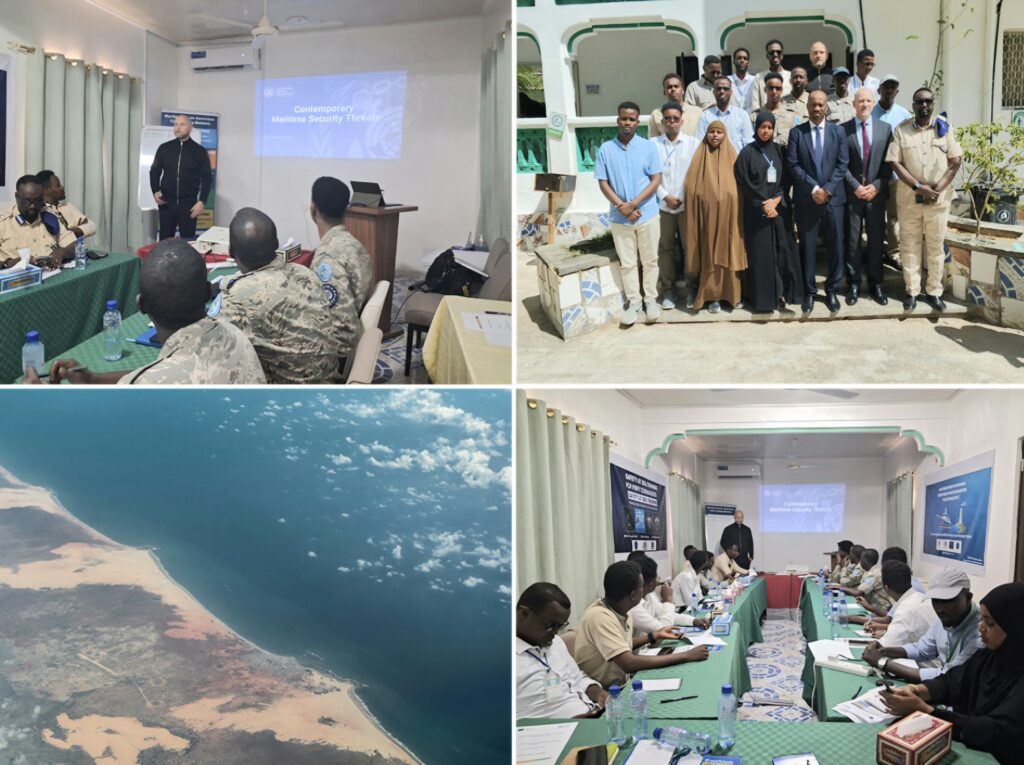
    Shipping Arabia, October 5, 2026 – The International Maritime Organization (IMO) has supported stronger Somalia port security coordination through a four-day workshop in Bosaso, Puntland State of Somalia, bringing together port, security and government authorities to improve cooperation, information sharing and incident response.

    The Port Security and Inter-Agency Coordination Workshop was held from September 14 to 17, 2026, under the EU-funded Regional Programme for Maritime Security in the Red Sea Area. The activity focused on strengthening port security arrangements while improving coordination among the agencies responsible for maritime and port security.

    Participants examined how authorities, port operators and security agencies can work together more effectively when addressing shared security challenges. The program also focused on improving communication between stakeholders and identifying practical measures to reinforce existing security arrangements.

    Roadmap for Multi-Agency Port Security Committee

    One of the main outcomes of the workshop was the development of draft Terms of Reference and a roadmap for establishing a multi-agency Port Security Advisory Committee.

    The proposed structure is intended to provide a mechanism for coordination among agencies involved in port security. During the workshop, participants also strengthened their understanding of their individual roles and responsibilities in supporting port security and responding to security incidents.

    The discussions emphasized coordination and information sharing as key elements of effective security management. Participants considered how different authorities and agencies could cooperate more closely when dealing with incidents and other security-related challenges affecting ports.

    ISPS Code and SOLAS Requirements in Focus

    The workshop also explored practical approaches to implementing the International Ship and Port Facility Security (ISPS) Code and relevant requirements of the International Convention for the Safety of Life at Sea (SOLAS).

    Sessions focused particularly on security planning and cooperation among the agencies involved in port security. Participants reviewed practical ways to support international maritime security standards while improving arrangements at the operational and institutional levels.

    The workshop examined how port authorities, port operators and security agencies could strengthen communication and coordination. Participants also identified measures that could improve cooperation and support the implementation of internationally recognized maritime security requirements.

    IMO Technical Assistance in the Red Sea Region

    The workshop was opened and closed by H.E. Shakir Mohamed Guled, Puntland’s Minister of Maritime Transport, Ports and Marine Crime Prevention.

    The activity forms part of IMO’s continuing technical assistance in the Red Sea region. This assistance supports efforts to strengthen maritime security, improve the resilience of port infrastructure and promote international maritime security standards.

    The Regional Programme for Maritime Security in the Red Sea Area, funded by the European Union, supports beneficiary countries in strengthening maritime security, port security and the safety of navigation.

    The program provides technical assistance, training and institutional support to help participating countries improve their maritime security capabilities. The Bosaso workshop contributed to those objectives by focusing on Somalia port security coordination, inter-agency cooperation and practical application of international security requirements.

    Source: International Maritime Organization

    Somalia port security coordination workshop led by IMO in Bosaso
  • Asyad Shipping Reports 41% Rise in Q1 Net Profit to RO 16.1 Million

    Shipping Arabia, May 18, 2026 – Asyad Shipping reported a 41% increase in net profit for the first quarter of 2026, supported by stronger profitability, high fleet utilization and continued expansion of its shipping portfolio.

    According to a filing on the Muscat Stock Exchange, the company posted net profit after tax of RO 16.1 million for the three months ended March 31, 2026, compared with RO 11.4 million during the same period last year.

    EBITDA increased to RO 51.8 million from RO 49.1 million in Q1 2025, while EBITDA margin expanded to 67%. Gross revenue reached RO 77.3 million compared with RO 83.8 million a year earlier, while direct costs declined significantly to RO 52.6 million from RO 62.2 million, improving operational efficiency and profitability.

    Dr. Ibrahim Al Nadhairi, CEO of Asyad Shipping, said the company’s first-quarter performance demonstrated the resilience of its business model amid cyclical market conditions.

    “Our first quarter results reflect the resilience of Asyad Shipping’s business model, with strong margins, improved profitability and high fleet utilisation driven by robust operations, balanced market exposure and a strong focus on safety and long-term value creation,” he said.

    Al Nadhairi added that the company has successfully navigated multiple market cycles and global disruptions through disciplined operations and a focus on sustainable growth.

    Operationally, Asyad Shipping achieved a fleet utilization rate of 99.7% during the quarter, up from 97% in Q1 2025, while reporting zero lost-time incidents, zero major incidents and zero ship detentions.

    The company continued advancing its fleet renewal and expansion strategy during the quarter, completing the sale of four older LNG carriers — Salalah, Ibri, Ibra and Nizwa — in addition to one VLCC vessel. At the same time, two of three Newcastle dry bulk carriers were delivered under 10-year contracts of affreightment.

    As of March 31, 2026, the company’s fleet consisted of 89 vessels, including 77 operational vessels and 12 vessels on order. Asyad Shipping also signed an agreement for three new-build VLCCs valued at RO 149.6 million, with deliveries scheduled for 2028 and 2029.

    Looking ahead, the company expects delivery of 10 vessels during 2026, including two LNG carriers, four VLCCs, two medium-range tankers and two Kamsarmax bulk carriers. Five of these vessels will operate under long-term contracts, while the remainder will be deployed in spot markets.

    The company added that it currently holds contracted revenues of approximately $2.2 billion extending beyond 2030, providing long-term cash-flow visibility despite ongoing market volatility.

    Source: Oman Observer

Back to top button