Maritime Trade

  • New Taicang–Jeddah Shipping Service to Cut Transit Times by Up to Three Weeks

    Shipping Arabia, October 18, 2026 – A new direct shipping service has been launched between Taicang Port in China’s eastern Jiangsu province and Jeddah Islamic Port in Saudi Arabia, with the operator expecting to reduce cargo transit times by two to three weeks. The Taicang–Jeddah shipping service eliminates intermediate transshipment operations, offering a more direct maritime connection between eastern China and the Middle East.

    The new route was inaugurated with the departure of a cargo vessel carrying approximately 1,000 containers from Taicang Port to Jeddah. Operated by Hai Son Shipping, the service aims to improve transportation efficiency, provide more reliable sailing schedules and reduce logistics costs for cargo moving between China and Saudi Arabia.

    Direct Taicang–Jeddah Shipping Service Targets Faster Cargo Deliveries

    The introduction of the new service establishes a direct maritime connection between Taicang Port, located in Jiangsu province, and Saudi Arabia’s Red Sea gateway at Jeddah.

    Xu Dapeng, chairman of Hai Son Shipping, said the route could shorten cargo transportation times by two to three weeks by eliminating the need for container transshipment at intermediate ports.

    According to Xu, the direct connection also offers more predictable sailing schedules, helping improve transportation efficiency and reduce logistics costs for customers.

    The company intends to monitor market demand as the service develops. Based on future cargo requirements, Hai Son Shipping will consider increasing sailing frequency, optimizing available vessel capacity and continuously improving its integrated logistics services.

    The new Taicang–Jeddah shipping service responds to growing demand among international trading companies for direct and efficient maritime logistics connections between the two countries.

    Expanding China–Saudi Arabia Trade Drives Demand for Maritime Connectivity

    The launch comes amid continued growth in economic and commercial relations between China and Saudi Arabia.

    Trade between the two countries covers a wide range of energy resources, industrial materials, machinery and manufactured products, creating demand for maritime transportation services.

    China’s imports from Saudi Arabia include crude oil, petrochemical products and minerals. Meanwhile, Saudi Arabia continues to generate demand for Chinese engineering machinery, steel structural components, industrial electrical equipment and photovoltaic products.

    Other products moving within the bilateral trading relationship include household electrical appliances and light industrial goods manufactured in China.

    As commercial exchanges expand, trading companies are increasingly seeking efficient direct shipping routes that can improve cargo transportation and reduce dependence on intermediate logistics hubs.

    The new direct service between Taicang and Jeddah is intended to address these requirements by providing an additional maritime transportation option between the two markets.

    Bilateral Trade Reached $108.2 Billion in 2025

    Official figures published by China’s Ministry of Foreign Affairs show that bilateral trade between China and Saudi Arabia reached approximately $108.2 billion in 2025.

    During the first quarter of 2026, trade between the two countries amounted to approximately $24.15 billion, reflecting the substantial volume of commercial exchanges between the two economies.

    Energy trade remains an important component of the relationship. China imported approximately 80.76 million tonnes of crude oil from Saudi Arabia during 2025.

    In the first quarter of 2026, Chinese imports of Saudi crude oil reached approximately 17.9 million tonnes.

    Against this backdrop of substantial bilateral trade, the new Taicang–Jeddah shipping service provides another direct connection between China’s manufacturing and export markets and Saudi Arabia’s maritime gateways.

    By reducing the need for intermediate transshipment and offering more predictable sailing schedules, Hai Son Shipping aims to improve freight transportation efficiency while responding to demand for stronger maritime logistics links between China and Saudi Arabia.

    Source: Al Mal
  • Latakia Port Cargo Throughput Reaches 3.8 Million Tons Through September 2026

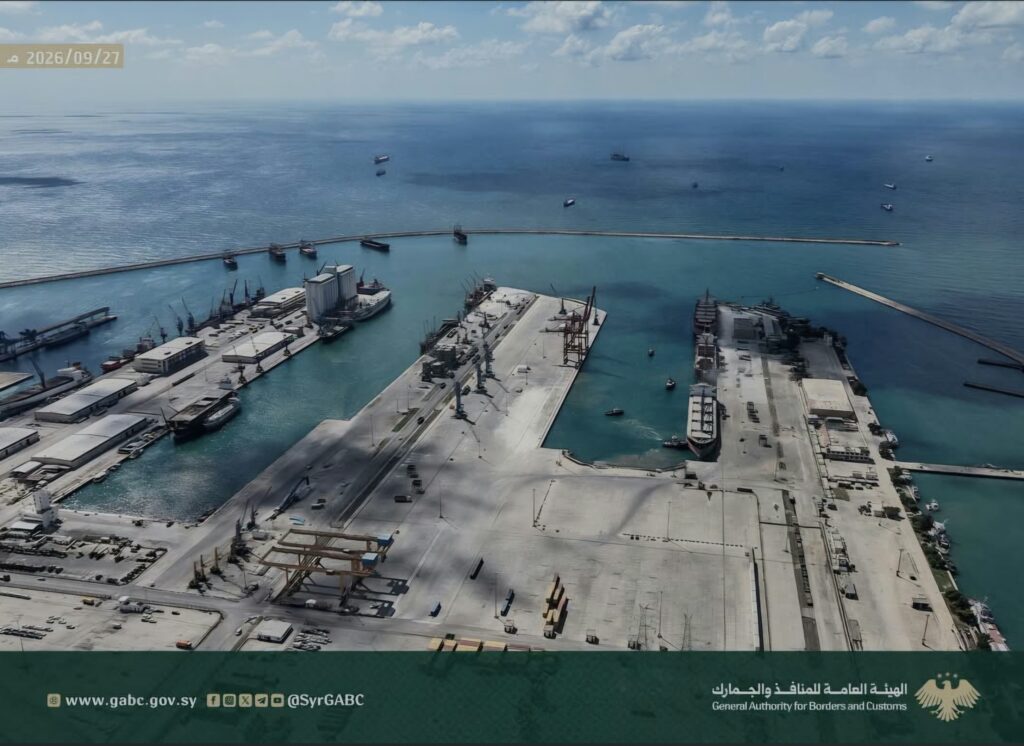
    Shipping Arabia, October 11, 2026 – Latakia Port cargo throughput reached approximately 3.8 million tons during the first nine months of 2026, covering general and containerized cargo. The Syrian port also received 532 vessels between January and September, according to figures released by the General Authority for Borders and Customs.

    The port continues to maintain round-the-clock maritime and cargo handling operations, with vessels arriving and loading and unloading activities taking place across its berths and storage yards.

    Latakia Port Cargo Throughput and Container Volumes

    General cargo accounted for approximately 2 million tons of the total volume handled during the reporting period. Meanwhile, container traffic reached around 219,000 containers, carrying nearly 1.8 million tons of cargo.

    Together, these figures brought Latakia Port cargo throughput to approximately 3.8 million tons through the end of September 2026.

    Containerized cargo and general cargo operations continued throughout the reporting period, supported by ongoing loading and unloading activities at the port’s operational facilities.

    Vessel Calls Reach 532 Across Different Maritime Activities

    Latakia Port received 532 vessels during the first nine months of 2026, reflecting activity across several maritime service categories.

    General cargo vessels accounted for 250 calls, while container ships represented another 247 calls. The remaining traffic included 22 vessels arriving for repair work and 13 passenger ships.

    The breakdown highlights the variety of maritime activities taking place at the port, including commercial cargo handling, vessel repair services and passenger vessel operations.

    Continuous Operations and Port Efficiency

    Alongside its cargo handling and vessel reception activities, Latakia Port continues to focus on maintaining operational efficiency and improving service readiness.

    Technical and operational teams are working to ensure the smooth movement of cargo and accelerate handling procedures across the port’s berths and storage areas.

    These efforts include maintaining continuous operations, strengthening the port’s operational readiness and improving the efficiency of services provided to vessels and cargo operators.

    The ongoing activities aim to support Latakia Port’s role in maritime transportation and commercial trade, while ensuring the continued movement of goods through one of Syria’s maritime gateways.

    Source: General Authority for Borders and Customs

  • Tartous Port Accelerates Cargo Handling at Berth 4 Following Commercial Restart

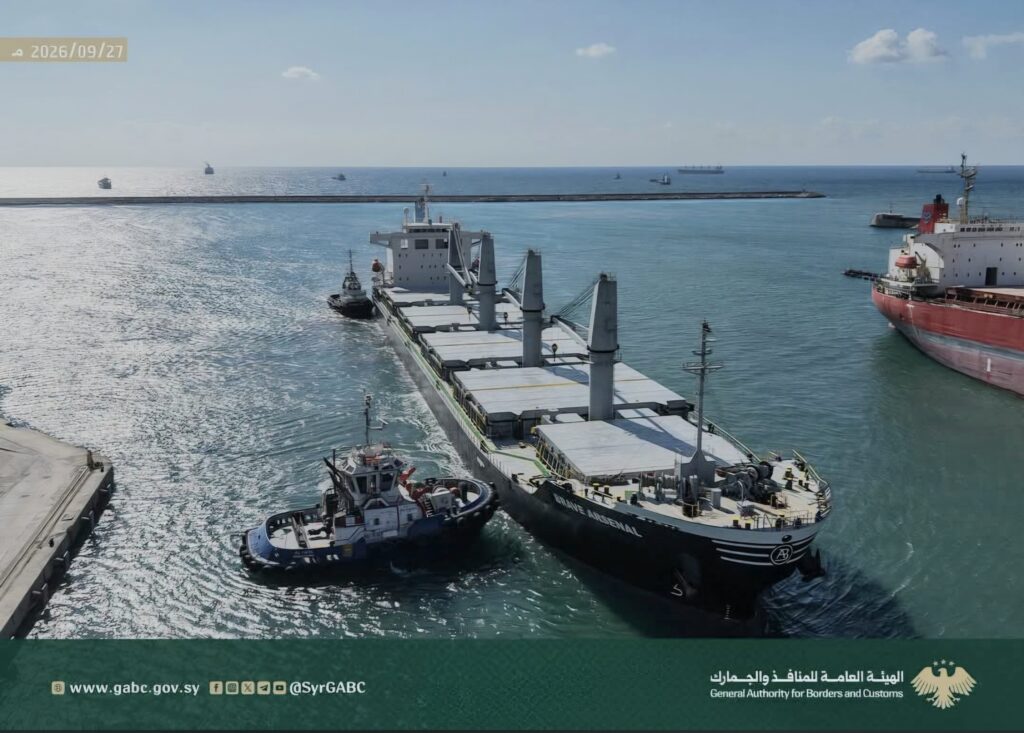
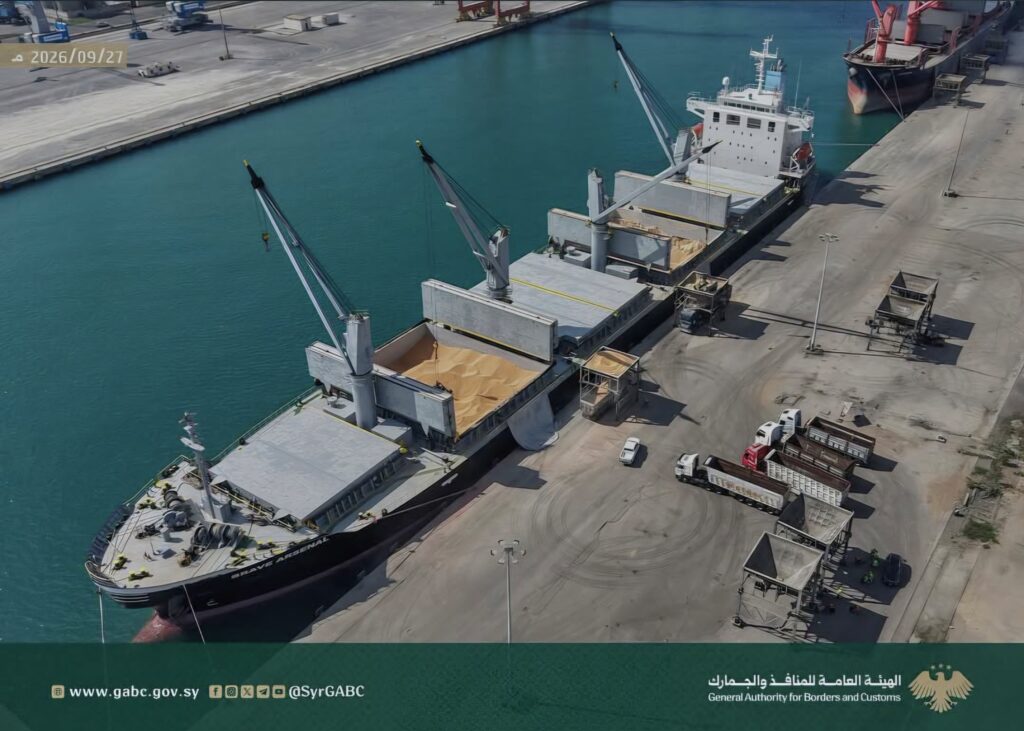
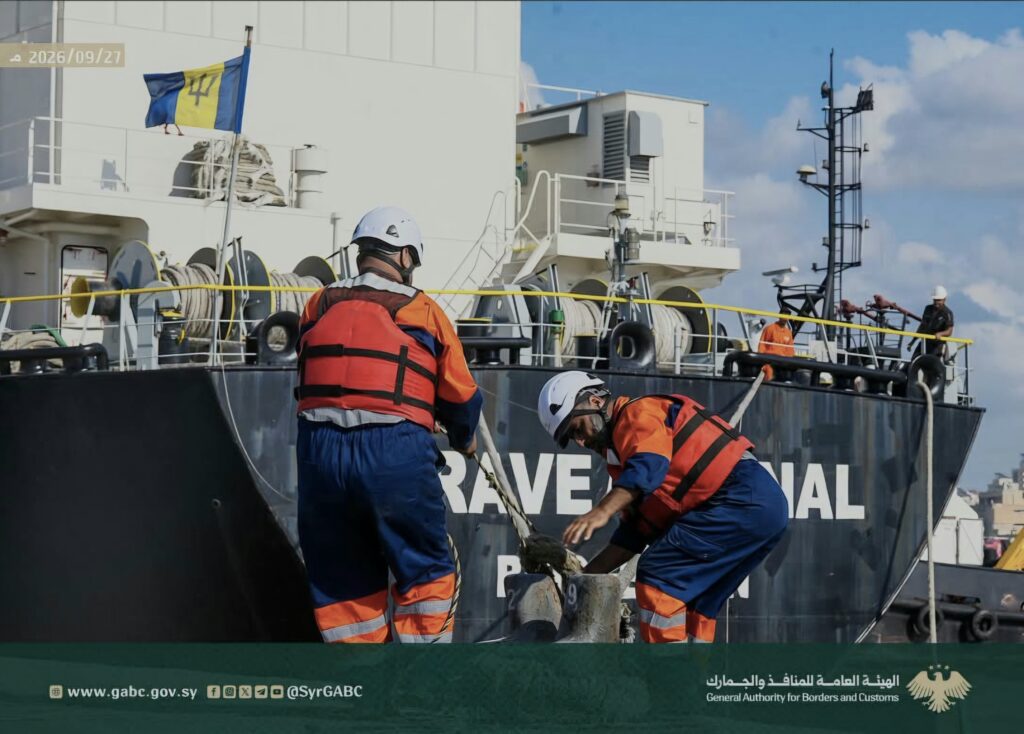
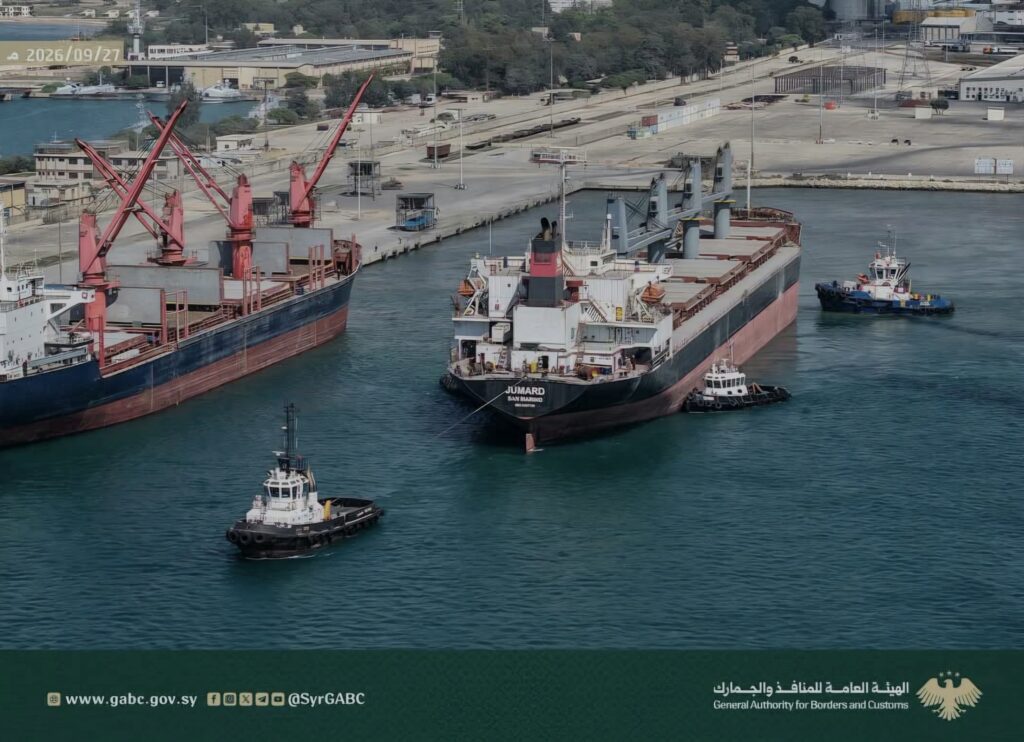
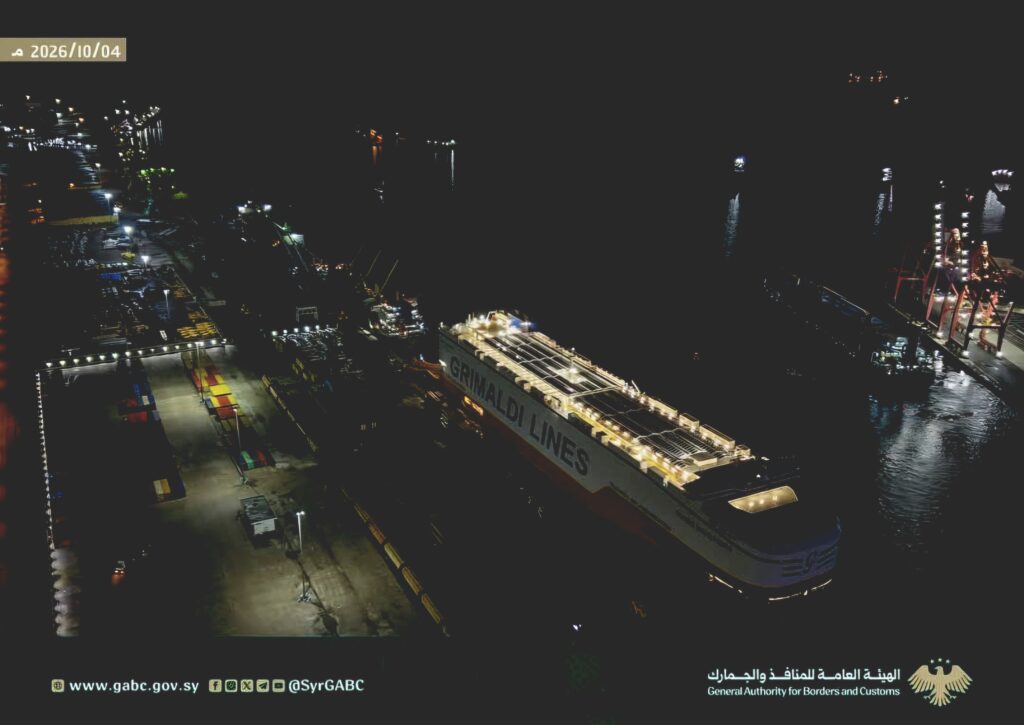
    Shipping Arabia, October 4, 2026 – Cargo handling and unloading operations are continuing at an accelerated pace at Tartous Port Berth 4, with active movement of cargo-handling equipment supporting faster operations and smoother cargo flows within the Syrian port.

    The ongoing activity follows the start of commercial operations at Berth 4 on August 11, when the berth received its first vessels. Its operation has added to the port’s handling and storage capabilities while supporting efforts to increase capacity and accelerate cargo movements.

    Tartous Port Berth 4 Returns to Commercial Operations

    The General Authority for Ports and Customs took over the commercial areas previously occupied by the Russian side at Tartous Port in August. The handover included Berth 4 as well as its associated facilities, installations and storage yards.

    Commercial operations subsequently began at the berth on August 11. Since then, Tartous Port Berth 4 has been used for cargo-handling and unloading activities, with machinery and equipment deployed to move cargo and support the flow of operations within the port.

    The additional berth capacity is intended to strengthen Tartous Port’s operational and storage capabilities. It also supports faster cargo handling and increases the port’s capacity to accommodate commercial activity.

    Authority Targets Higher Port Readiness and Efficiency

    The operation of Berth 4 forms part of the General Authority for Borders and Customs’ efforts to develop Syrian ports and improve their operational readiness.

    The authority is also seeking to raise the efficiency of port services to meet the requirements of trade flows and support maritime transport activity.

    The continuing cargo operations at Tartous Port Berth 4 therefore represent part of the wider effort to make greater use of the port’s infrastructure, storage areas and commercial facilities.

    Source: General Authority for Borders and Customs

    Cargo handling operations at Tartous Port Berth 4
Back to top button