Maritime Training

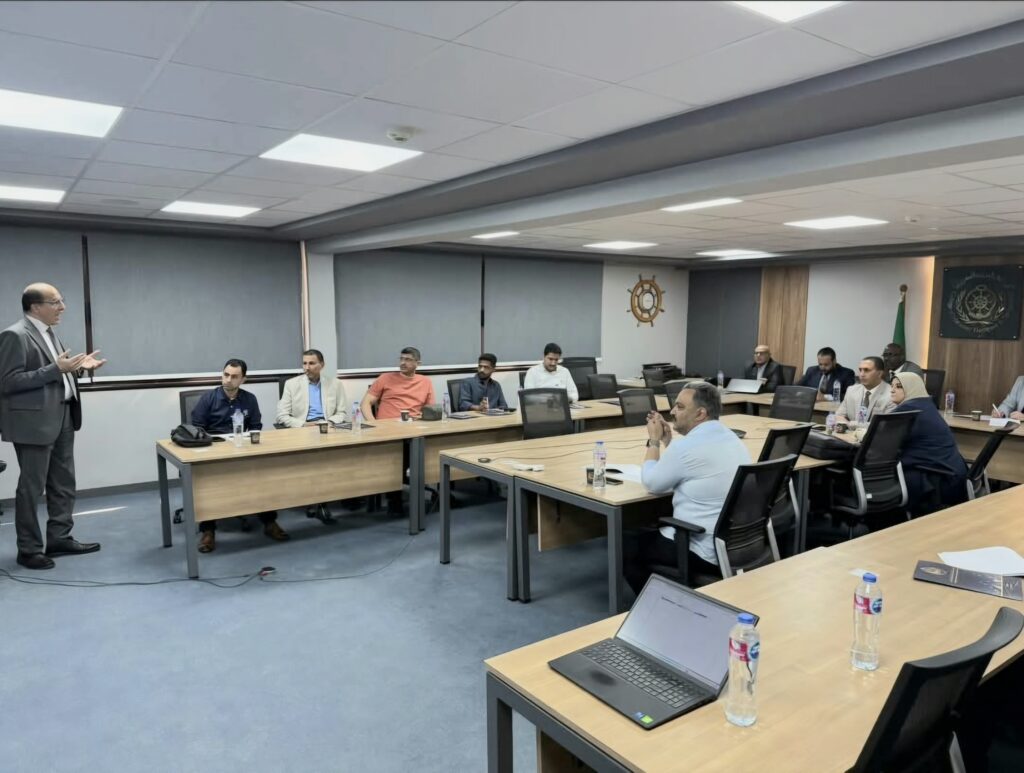
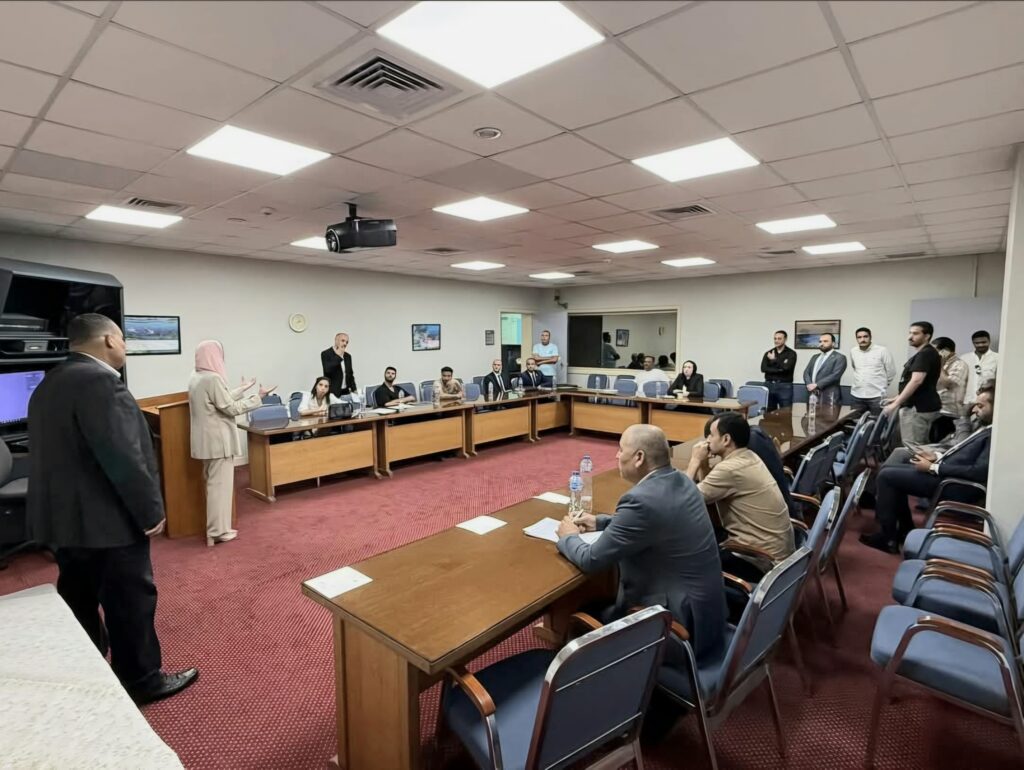
  • Syria Reviews Port Development, Maritime Operations and Digital Transformation at Latakia Port

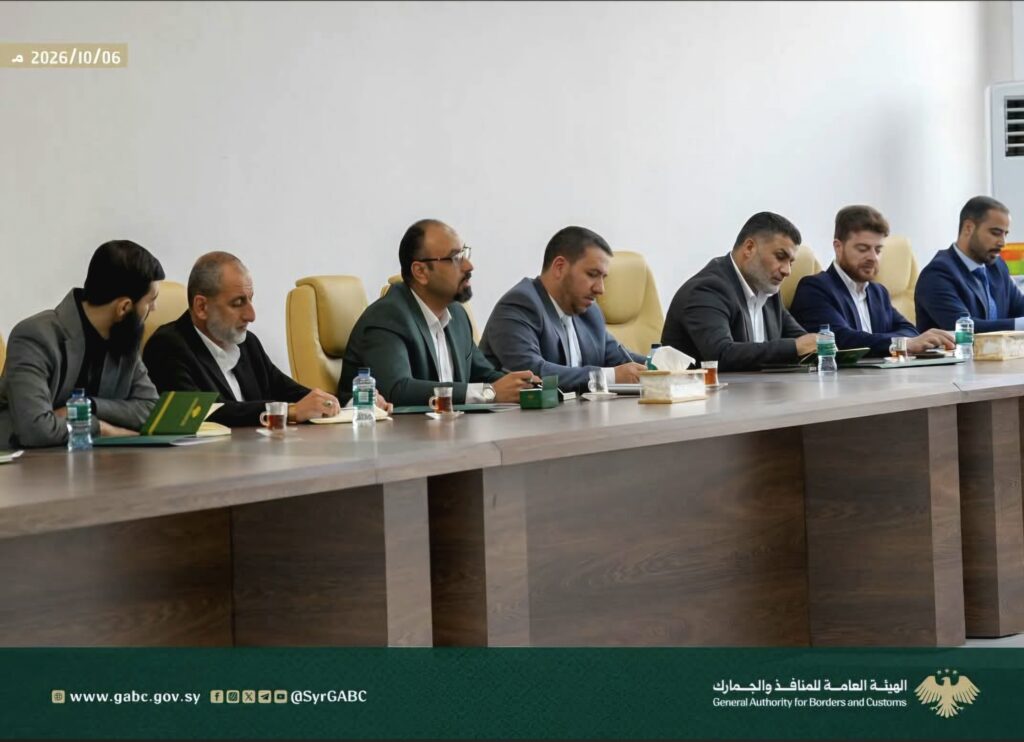
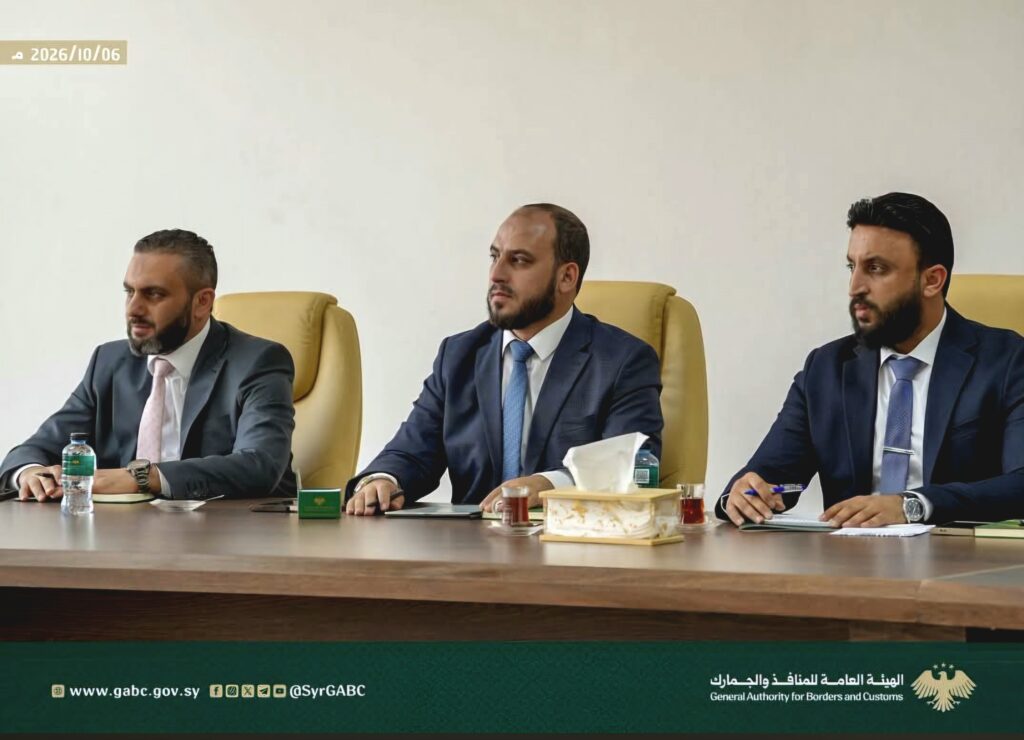
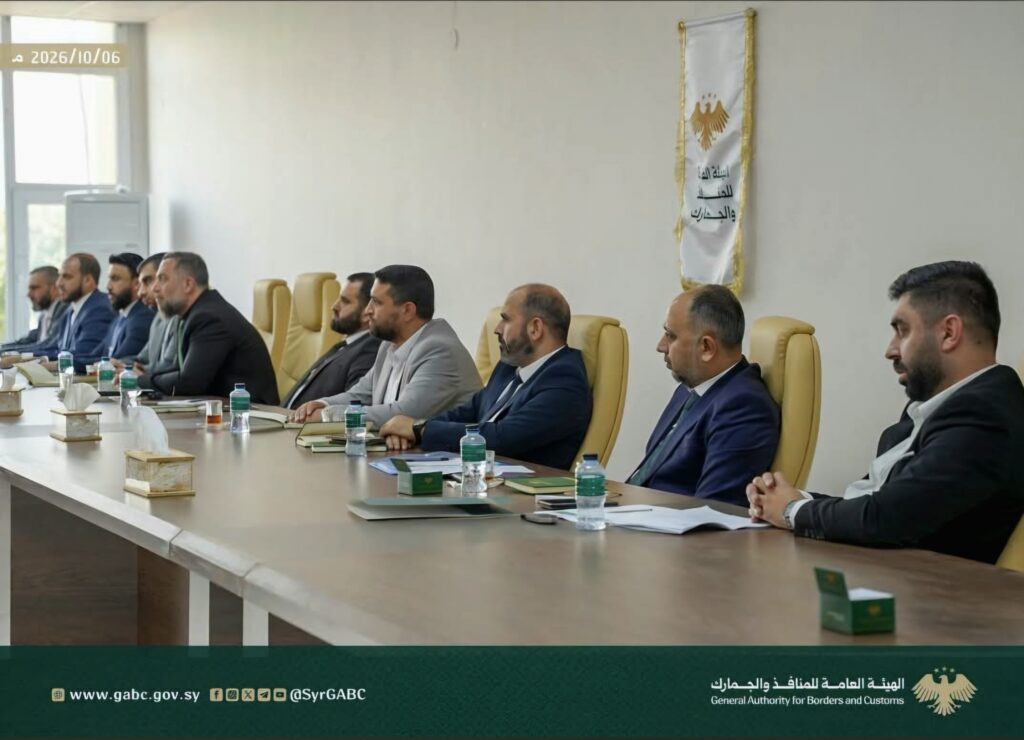
    Shipping Arabia, October 14, 2026 – Syria’s General Authority for Borders and Customs (GABC) has held an extensive meeting at Latakia Port to review maritime operations, development plans and key operational challenges. The discussions focused on improving port services, advancing digital transformation and strengthening coordination among the authority’s affiliated entities.

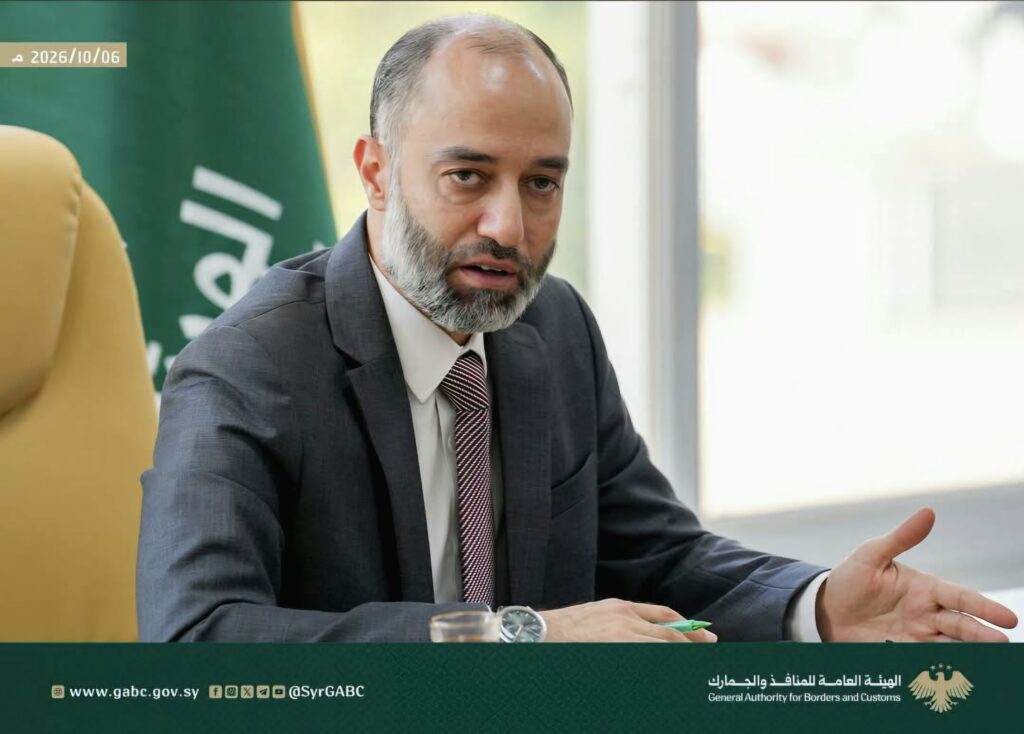
    The meeting was chaired by Qutaiba Badawi, Head of the General Authority for Borders and Customs, with the participation of directors from the authority’s central departments and directorates.

    Officials examined current operational conditions, identified challenges affecting various departments and discussed measures to improve institutional coordination and service efficiency across Syria’s maritime sector.

    Port Operations and Maritime Service Development

    A major focus of the meeting was the performance of Syrian ports and the development of services provided by the authority’s maritime entities.

    Discussions covered port operations, Coast Guard activities, maritime transport and the Syrian Shipping Agencies Company. Officials reviewed opportunities to improve service delivery, increase operational efficiency and address challenges affecting these activities.

    The meeting also examined the requirements of the Maritime Training and Qualification Establishment, particularly its role in preparing qualified personnel for the maritime sector.

    Participants emphasized the importance of developing the workforce needed to support improvements in maritime services and strengthen the capabilities of institutions operating under the authority.

    These discussions formed part of a broader review of how the authority’s various departments and affiliated organizations can coordinate their activities more effectively.

    Digital Transformation and Administrative Modernization

    Digital transformation was another central topic, with officials reviewing projects to modernize administrative and operational systems across the authority.

    The discussions addressed measures to accelerate official correspondence, simplify working procedures and improve the efficiency of administrative processes.

    Participants also examined the standardization of administrative forms and legal procedures to establish more consistent working practices across departments.

    In addition, the meeting addressed staffing requirements and improvements to the working environment, reflecting the authority’s focus on ensuring that its departments have the personnel and organizational resources needed to perform their responsibilities.

    Performance Monitoring and Service Quality

    During the meeting, Badawi emphasized the importance of adopting clear action plans supported by measurable key performance indicators (KPIs).

    He called for systematic monitoring of assigned tasks, closer follow-up on implementation and measures to overcome obstacles that could delay progress.

    Badawi also directed the authority’s departments to prioritize improvements in service quality while strengthening confidence among customers and investors.

    Furthermore, he stressed the importance of institutional working practices and closer integration among the authority’s different departments and affiliated entities.

    The meeting brought together the operational, administrative and training priorities of Syria’s maritime sector, with an emphasis on coordinated development, improved performance monitoring and more efficient service delivery.

    Source: General Authority for Borders and Customs
  • Egypt and Greece Advance Maritime Cooperation on Seafarer Certification and Training

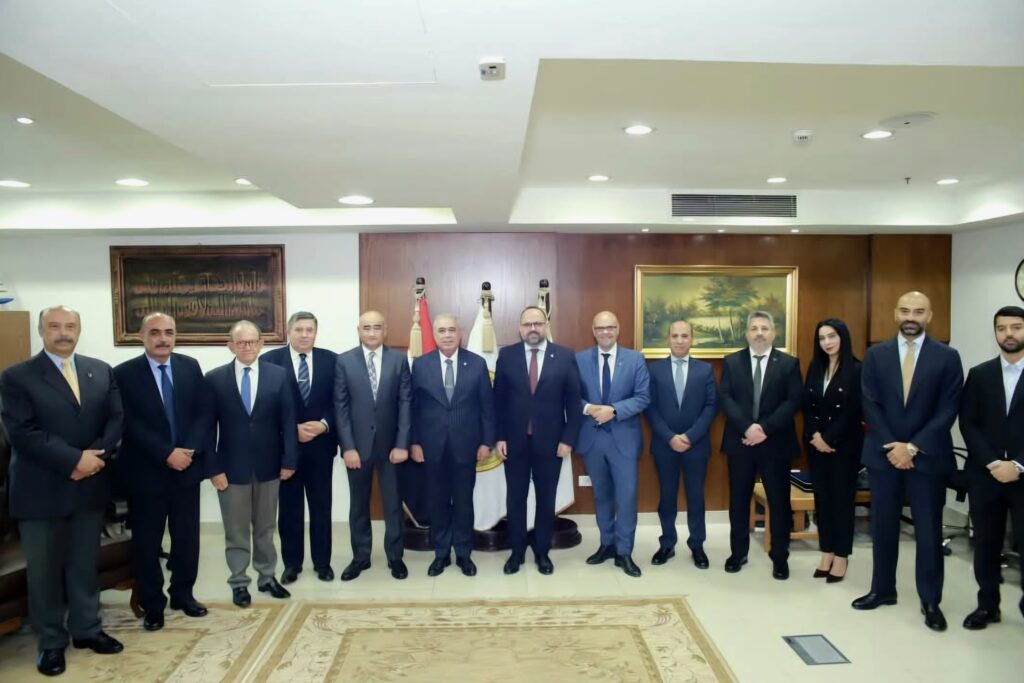
    Shipping Arabia, October 13, 2026 – Egypt and Greece advanced discussions on seafarer certification and training, mutual recognition of professional qualifications and maritime education during the third meeting of the Egyptian-Greek Joint Maritime Committee (JMC). The meeting, hosted in Alexandria from October 5 to 7, 2026, brought together senior maritime officials from both countries to strengthen bilateral cooperation and develop their maritime workforce.

    The discussions focused on a proposed bilateral Memorandum of Understanding (MoU) covering the mutual recognition of seafarers’ certificates of competency under the International Convention on Standards of Training, Certification and Watchkeeping for Seafarers (STCW). The agenda also included cooperation between maritime training institutions and initiatives to improve employment opportunities for Egyptian seafarers aboard international merchant vessels.

    Egypt and Greece Discuss Mutual Recognition of Seafarer Certificates

    The Egyptian-Greek Joint Maritime Committee convened in Alexandria as part of efforts to strengthen the strategic maritime partnership between the two countries. Egypt hosted the three-day meeting, which brought together representatives of maritime transport authorities and relevant institutions from both sides.

    The Egyptian delegation included Rear Admiral Hussein El-Geziry, Head of the Maritime Transport and Logistics Sector, and Rear Admiral Dr. Ashraf El-Assal, Chairman of the Egyptian Authority for Maritime Safety (EAMS). Greece was represented by Manolis Koutoulakis, Secretary General for Maritime Affairs and Ports, alongside other maritime officials.

    During the opening day’s discussions on October 5, El-Assal participated in a session dedicated to cooperation in seafarer training and the mutual recognition of professional certificates under the STCW Convention.

    A central topic was the progress of the proposed bilateral MoU concerning the recognition of seafarers’ certificates of competency. The discussions addressed the requirements of Regulation I/10 of the STCW Convention, which governs the recognition of certificates issued by other maritime administrations.

    The proposed arrangement forms part of wider efforts to establish a framework for recognizing maritime qualifications between Egypt and Greece. Such cooperation is intended to support the professional mobility of qualified seafarers and facilitate employment opportunities for Egyptian maritime personnel aboard merchant vessels.
    Officials also examined opportunities to strengthen coordination between maritime academies and training institutions in both countries. The discussions focused on improving professional competencies, developing maritime human resources and supporting the training standards required by the international shipping industry.

    Joint Maritime Committee Visits Arab Academy in Alexandria

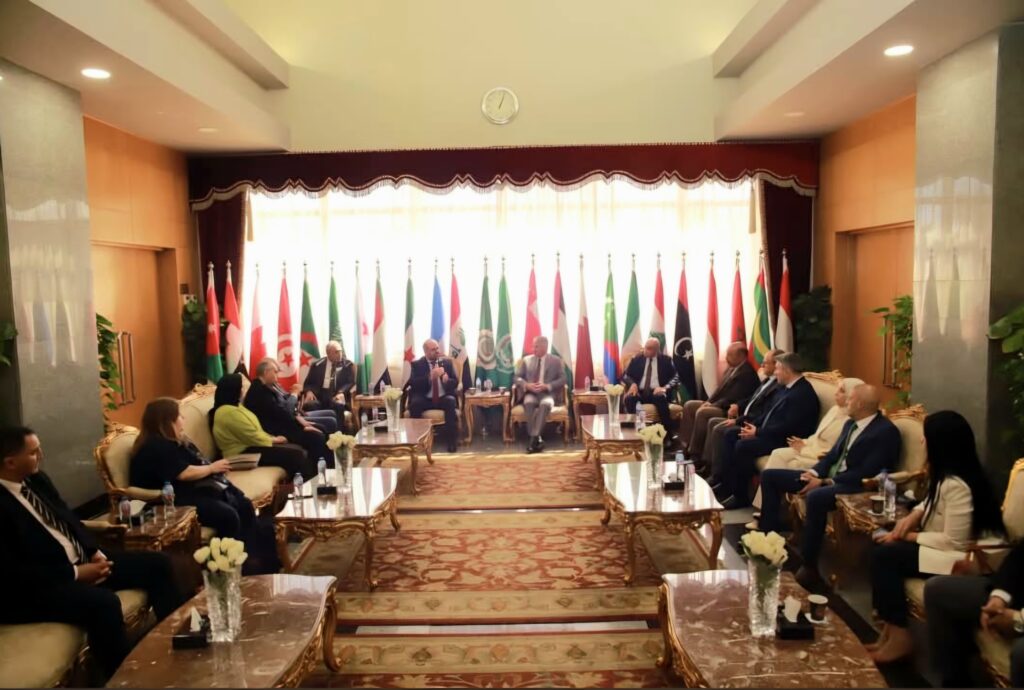
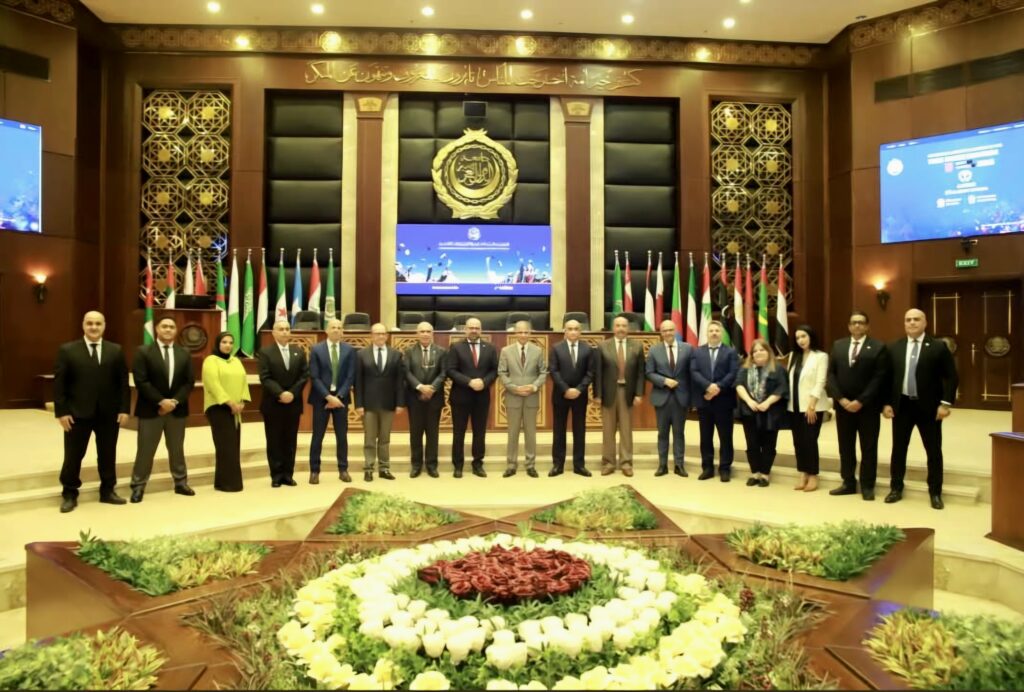
    On October 6, the second day of the committee’s activities, Egyptian and Greek delegates conducted an official visit to the Arab Academy for Science, Technology and Maritime Transport (AASTMT) in Alexandria.

    The delegation was led by the committee’s Egyptian and Greek co-chairs, Hussein El-Geziry and Manolis Koutoulakis, together with EAMS Chairman Ashraf El-Assal and other participating officials.

    Professor El-Senoussi Balbaa, Vice President of AASTMT, received the delegation. During the visit, representatives discussed opportunities to expand academic cooperation, develop maritime education and training programs, and strengthen the qualifications of maritime professionals in both countries.

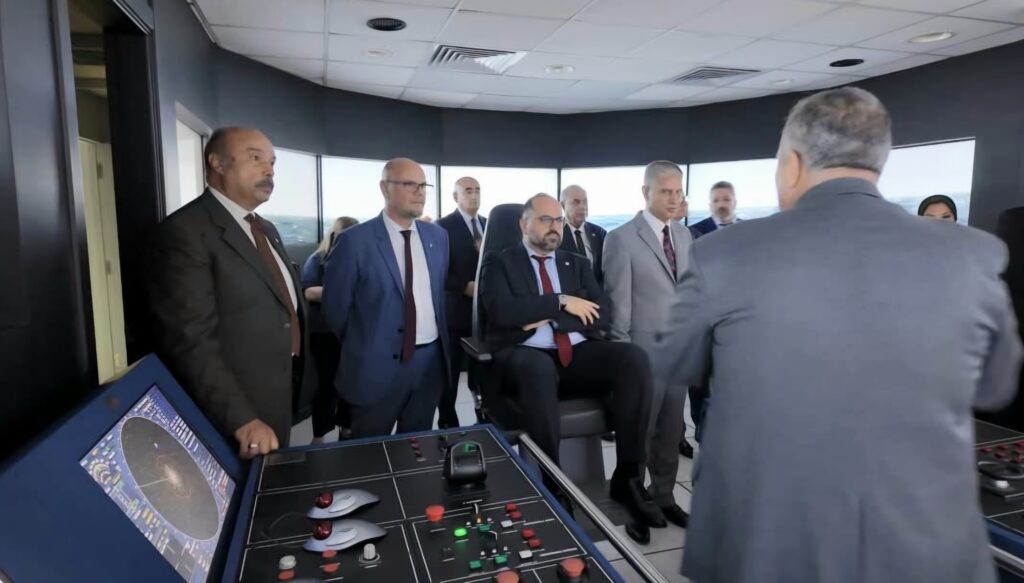
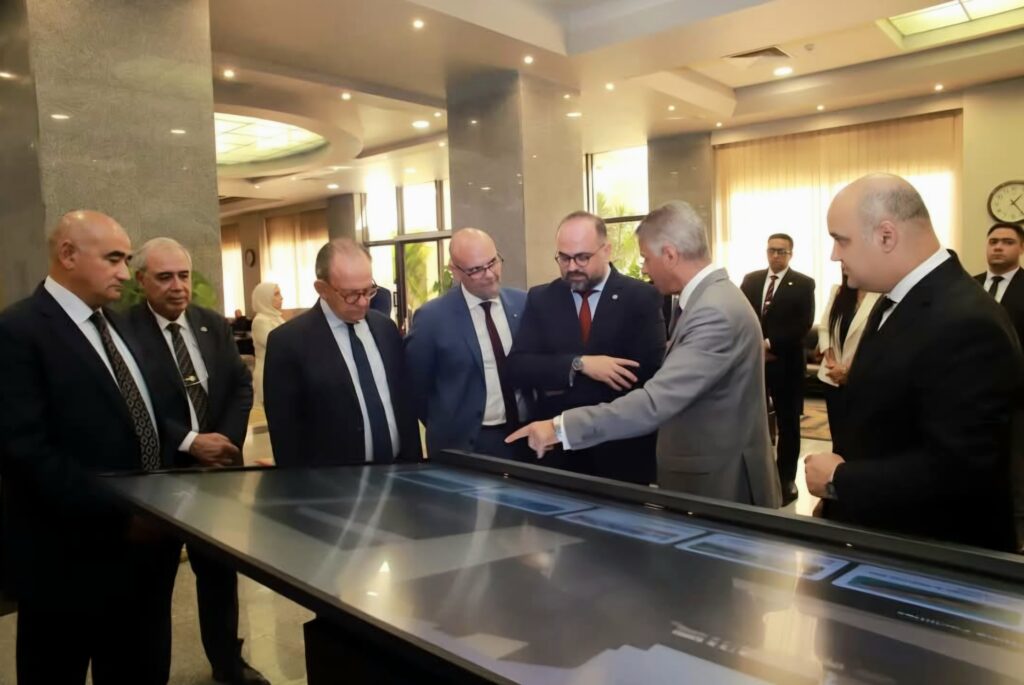
    The visit included an extensive tour of the academy’s specialized educational departments and advanced training facilities. Delegates inspected the maritime simulator complex and training centers dedicated to navigation and logistics operations.

    The tour provided Greek representatives with an opportunity to examine AASTMT’s technical capabilities, educational infrastructure and maritime training resources.

    The academy’s role as a regional educational and research institution was also highlighted. Its maritime education and training activities extend beyond Egypt, serving students and maritime professionals from Arab and African countries.

    The discussions explored opportunities for closer institutional cooperation between Egyptian and Greek maritime education providers, particularly in developing qualified personnel for the international merchant fleet.

    STCW Cooperation Aims to Support Egyptian Seafarers

    During the academy visit, El-Assal reaffirmed the Egyptian Authority for Maritime Safety’s commitment to strengthening maritime human resources and improving professional qualifications.

    He noted that AASTMT graduates receive official accreditation from EAMS in accordance with international standards. This recognition forms part of the regulatory framework governing maritime qualifications and professional certification in Egypt.

    El-Assal also emphasized the importance of maintaining appropriate legal and regulatory mechanisms to support the recognition of Egyptian seafarers’ qualifications internationally.

    In particular, he highlighted the role of bilateral memoranda of understanding established under the STCW Convention in facilitating the recognition of professional certificates and supporting access to employment opportunities aboard international merchant vessels.

    The authority’s participation in both the committee discussions and the academy visit reflected its focus on maritime education, regulatory cooperation and internationally recognized certification standards.

    Strengthening Egyptian-Greek Maritime Cooperation

    The third Egyptian-Greek Joint Maritime Committee meeting provided a platform for advancing discussions on maritime training, professional certification and cooperation between the two countries’ maritime institutions.

    The proposed mutual recognition agreement remained a principal area of discussion, alongside opportunities to coordinate maritime education programs and improve the qualifications of seafarers.

    The committee’s visit to AASTMT also highlighted the role of specialized training institutions in supporting cooperation between Egypt and Greece. By examining the academy’s simulation facilities and education programs, the Greek delegation gained further insight into Egypt’s maritime training capabilities.

    Together, the discussions and institutional visit reflected the two countries’ shared interest in developing maritime human resources, strengthening certification cooperation and supporting the participation of qualified seafarers in international shipping.

    Source: Egyptian Authority for Maritime Safety

  • Suez and Panama Canals Explore Closer Cooperation on Marketing, Training and Information Exchange

    Shipping Arabia, October 13, 2026 – The Suez Canal Authority (SCA) and Panama are exploring closer cooperation in maritime marketing, training and information exchange as geopolitical and environmental challenges continue to affect global shipping and supply chains. The discussions aim to strengthen coordination between the Suez and Panama canals and support the continuity of international maritime trade.

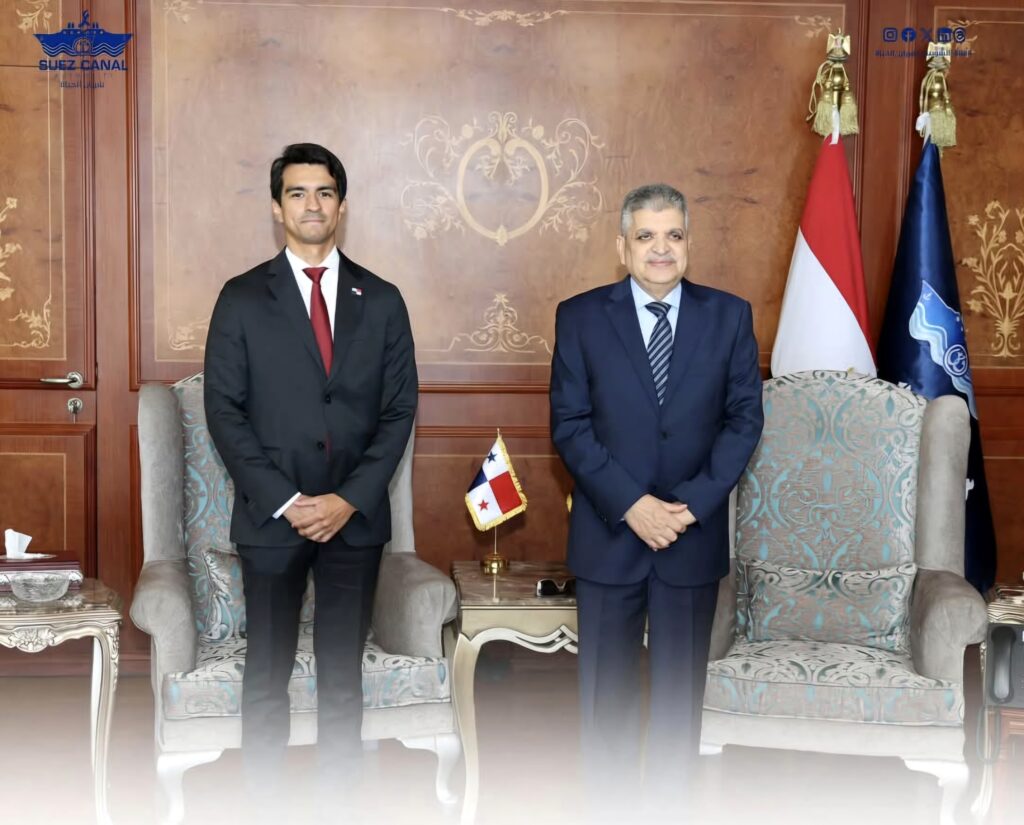
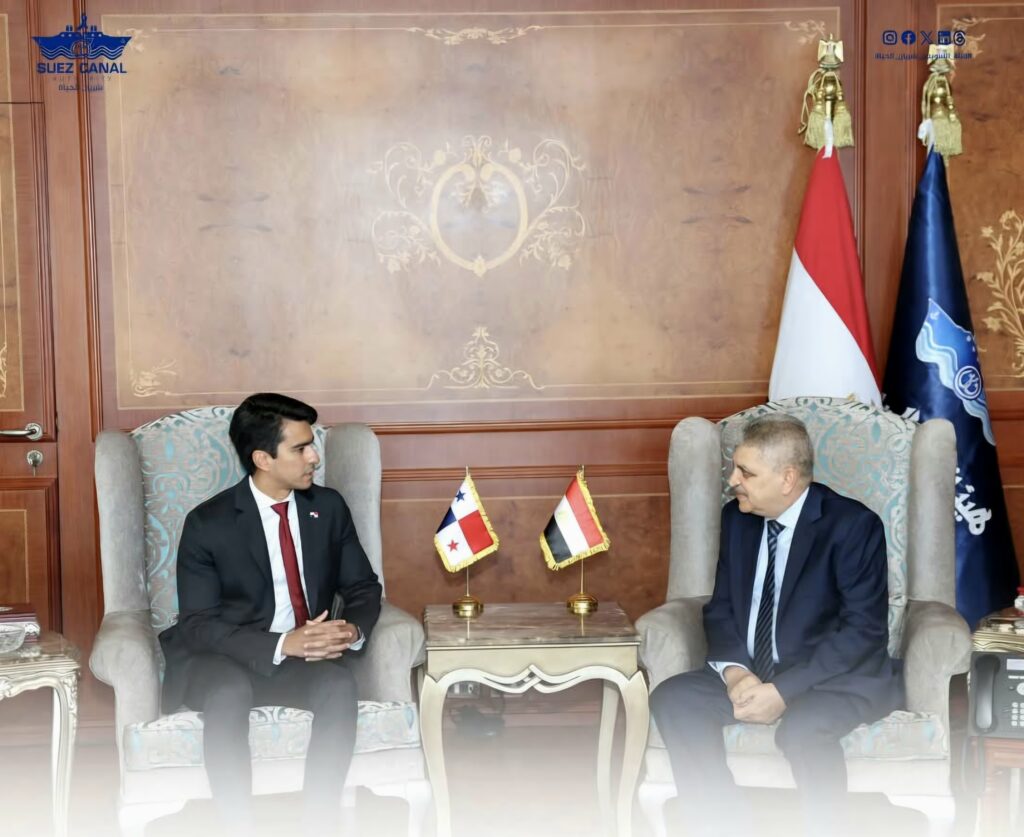
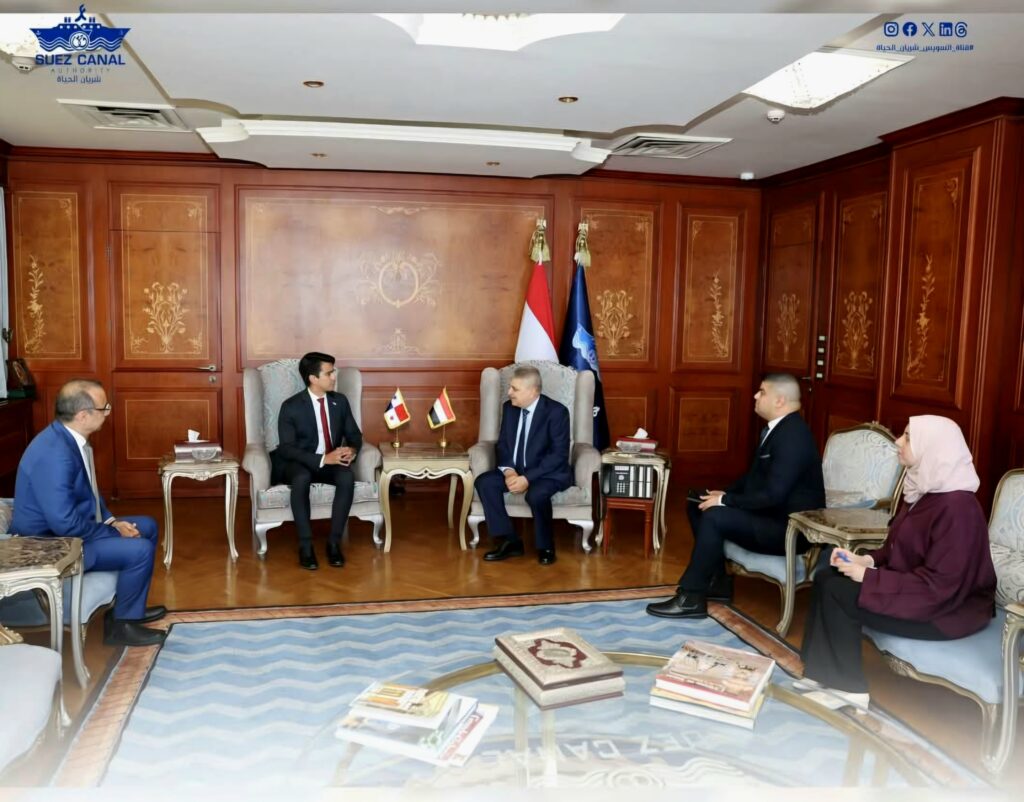
    SCA Chairman Admiral Osama Rabie met with Panama’s Ambassador to Egypt, Ricardo Isaza, on October 5 at the authority’s Pilotage Building in Ismailia. The meeting focused on opportunities to expand cooperation between the two waterways and address challenges affecting the sustainability of global supply chains.

    Suez and Panama Canal Cooperation Targets Maritime Challenges

    During the meeting, Rabie emphasized the importance of collective action among stakeholders in the maritime industry to ensure the regular movement of vessels through international waterways. He stressed that closer coordination is essential to maintaining reliable navigation and supporting sustainable global supply chains.

    The SCA chairman expressed his readiness to strengthen the authority’s partnership with the Panama Canal. He highlighted the shared characteristics and interests of the two waterways as a foundation for closer institutional cooperation, knowledge exchange and collaboration in new areas.

    Rabie also addressed the growing importance of crisis management in the SCA’s institutional strategy. He explained that successive regional and international challenges have made crisis management an integral part of the authority’s operations, particularly given their direct impact on international trade passing through the Suez Canal.

    The discussions also considered the effects of current geopolitical and environmental challenges on global supply chains. Both sides recognized the importance of cooperation between major international shipping corridors in responding to developments affecting maritime transport.

    Suez Canal Diversifies Revenue Through Shipbuilding and Maritime Services

    Rabie highlighted the Suez Canal Authority’s efforts to diversify its revenue sources beyond traditional canal operations. He explained that the authority has achieved progress by localizing the construction of various types of marine vessels and units at SCA shipyards and affiliated companies.

    The authority has also introduced a new range of maritime and logistics services as part of its strategy to strengthen the Suez Canal’s competitive position.

    According to Rabie, these initiatives reflect the authority’s efforts to adapt to changing conditions in the global maritime industry. They form part of a broader approach to addressing operational challenges while developing additional activities and services within the SCA’s existing capabilities.

    The chairman reiterated his interest in expanding cooperation with the Panama Canal through the exchange of practical expertise and the exploration of new areas of collaboration. He emphasized that the common interests of the two waterways provide opportunities for greater coordination and integration.

    Panama Seeks Stronger Partnerships in Marketing, Training and Information Exchange

    For his part, Ambassador Isaza expressed appreciation for the longstanding cooperation between Panama and the Suez Canal. He reaffirmed his country’s commitment to expanding bilateral engagement, particularly in maritime marketing, professional training, information exchange and the sharing of institutional expertise.

    The ambassador also welcomed Egyptian diplomatic and governmental efforts to strengthen cooperation between the Suez and Panama canals. He expressed confidence that the coming period would bring further constructive collaboration, reflecting the interest of both countries in deepening their relationship.

    Isaza emphasized the Suez Canal’s importance to global supply chain sustainability, describing it as a major component of international maritime transport that continues to attract considerable attention from the shipping community.

    He also highlighted the need for greater integration and cooperation between the two canals as the maritime transport industry faces a range of challenges. According to the ambassador, the alignment of fundamental principles underpinning the strategies of both waterways provides a strong basis for developing their relationship.

    The discussions underscored the mutual interest of Egypt and Panama in expanding maritime cooperation through institutional partnerships, shared expertise and closer coordination between their respective canal authorities.

    Source: Suez Canal Authority

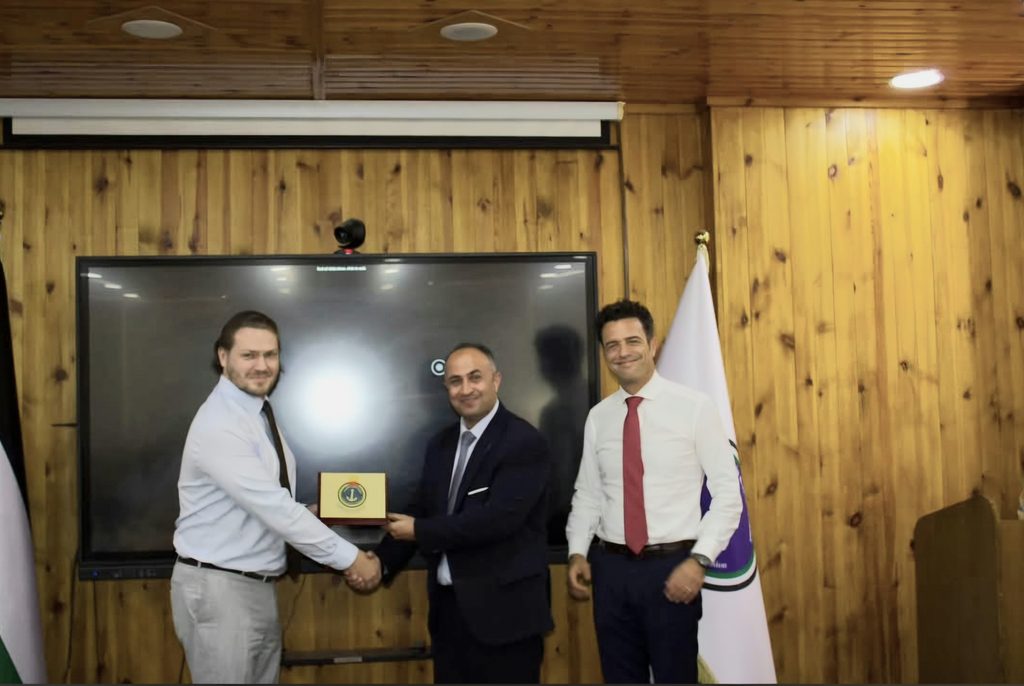
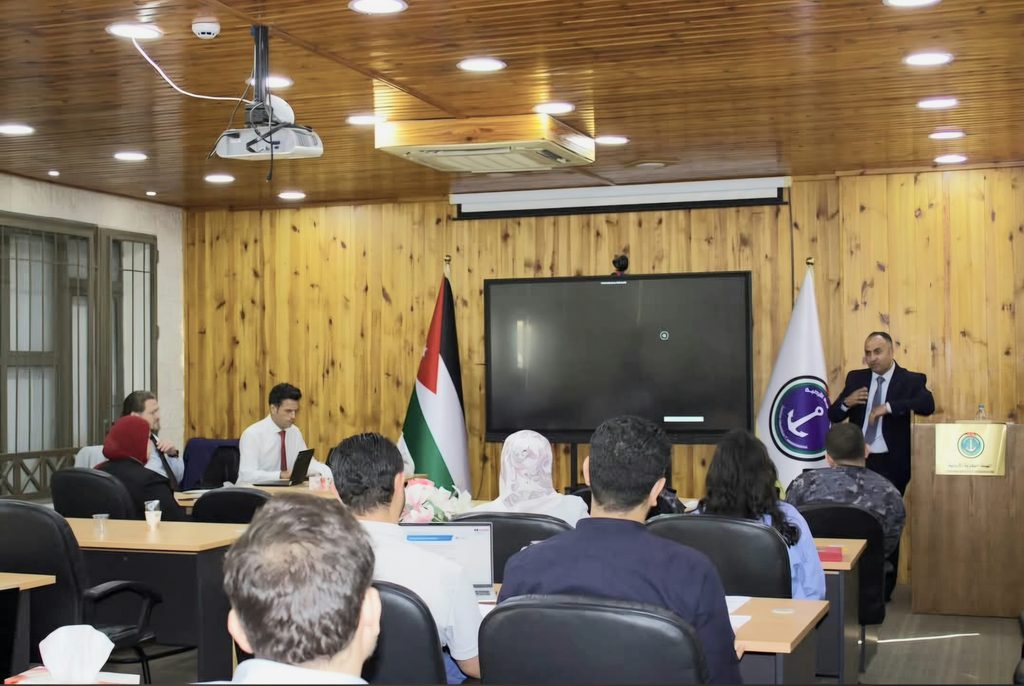
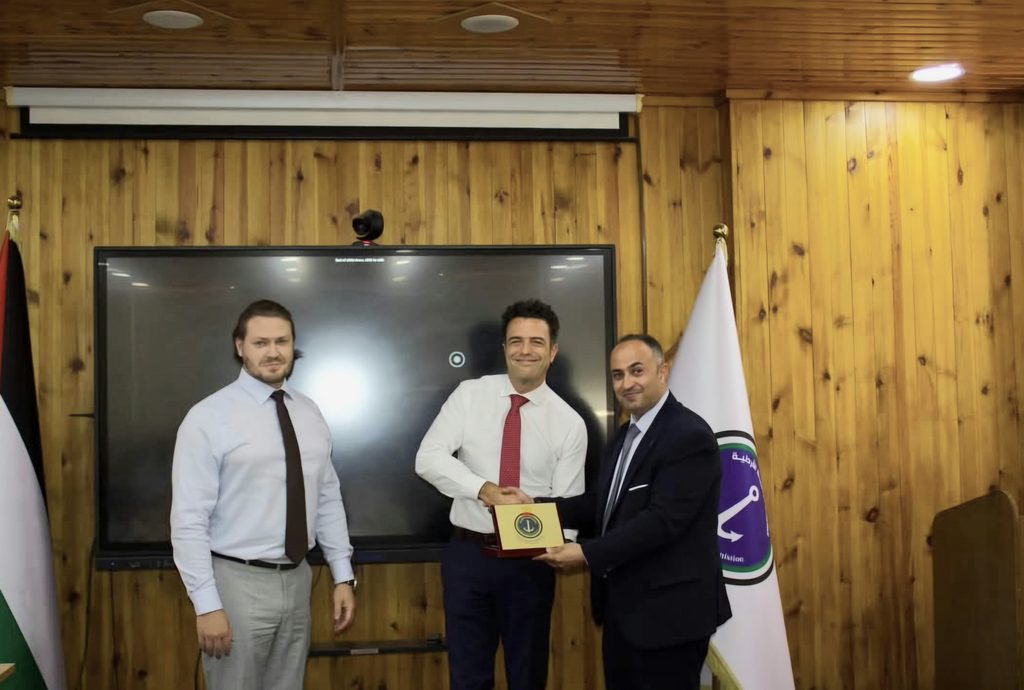
  • JAMS Signs Maritime Cooperation Agreement with Phoenicia Training Center in Syria

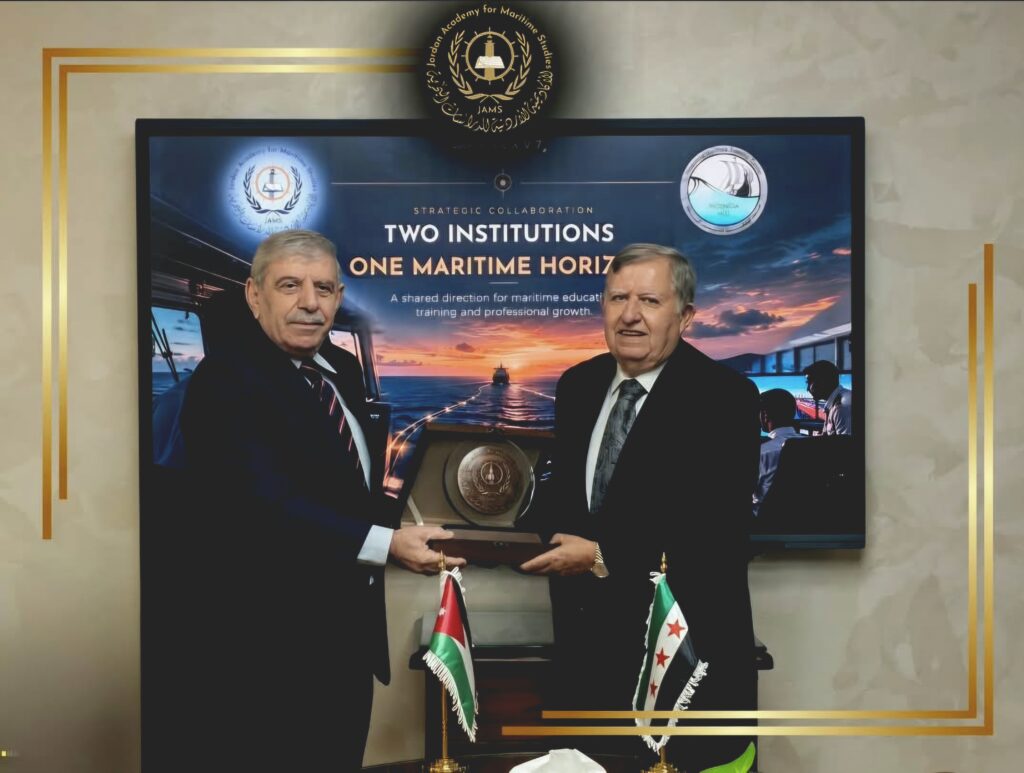
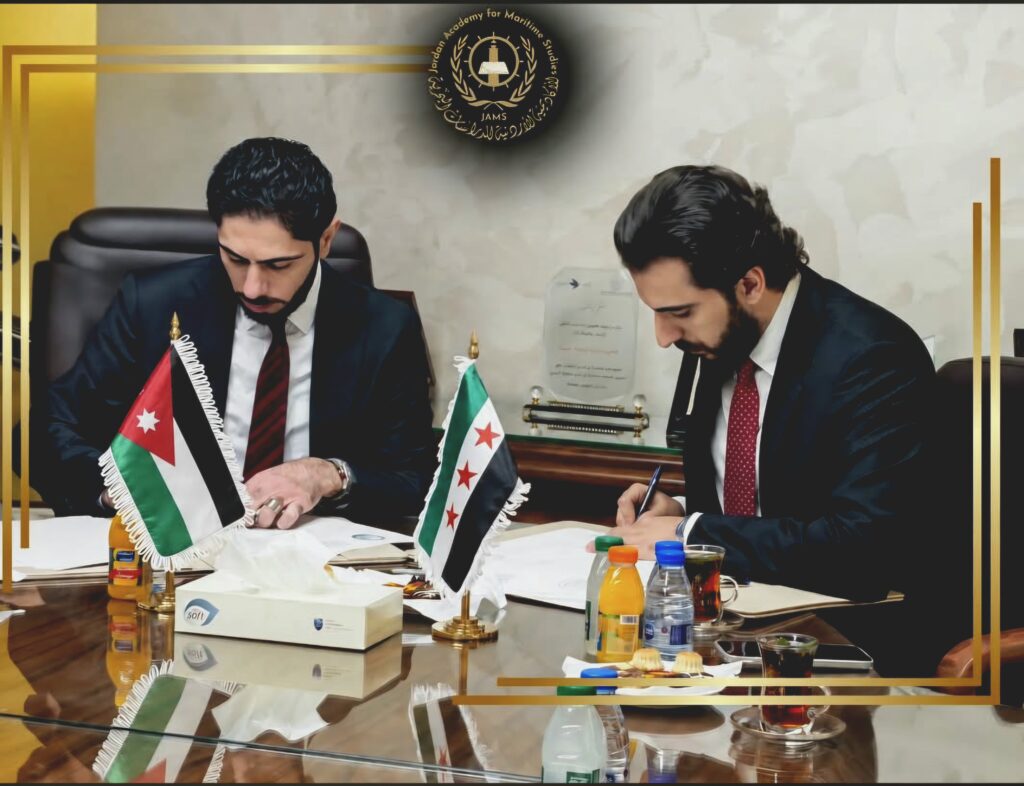
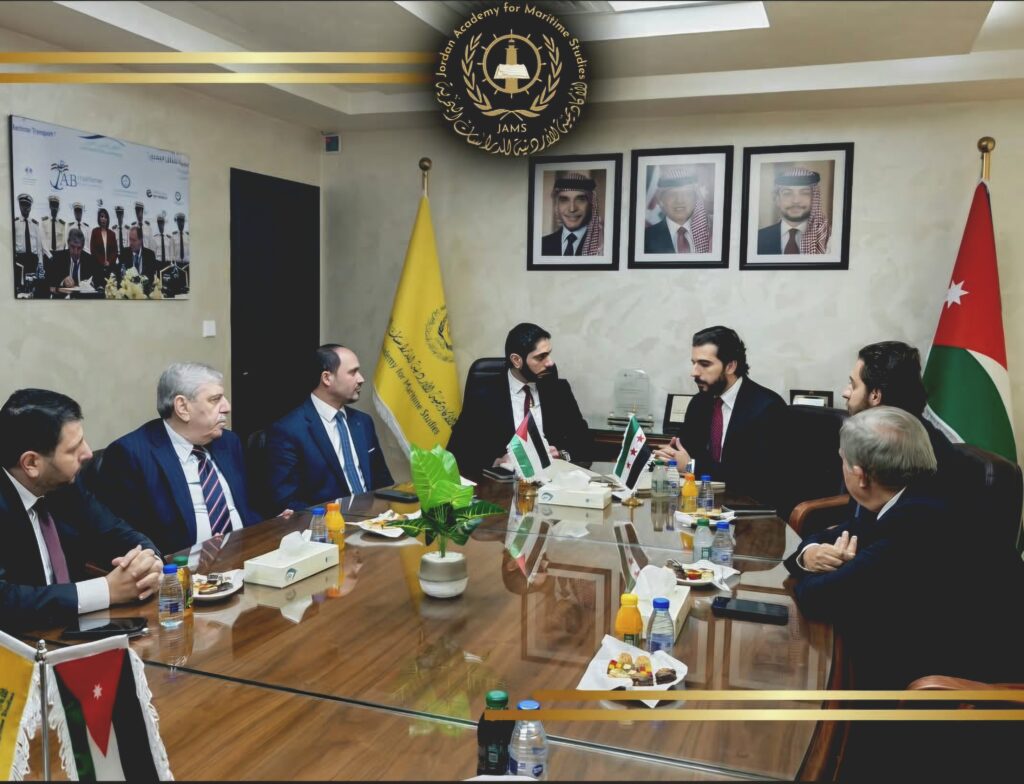
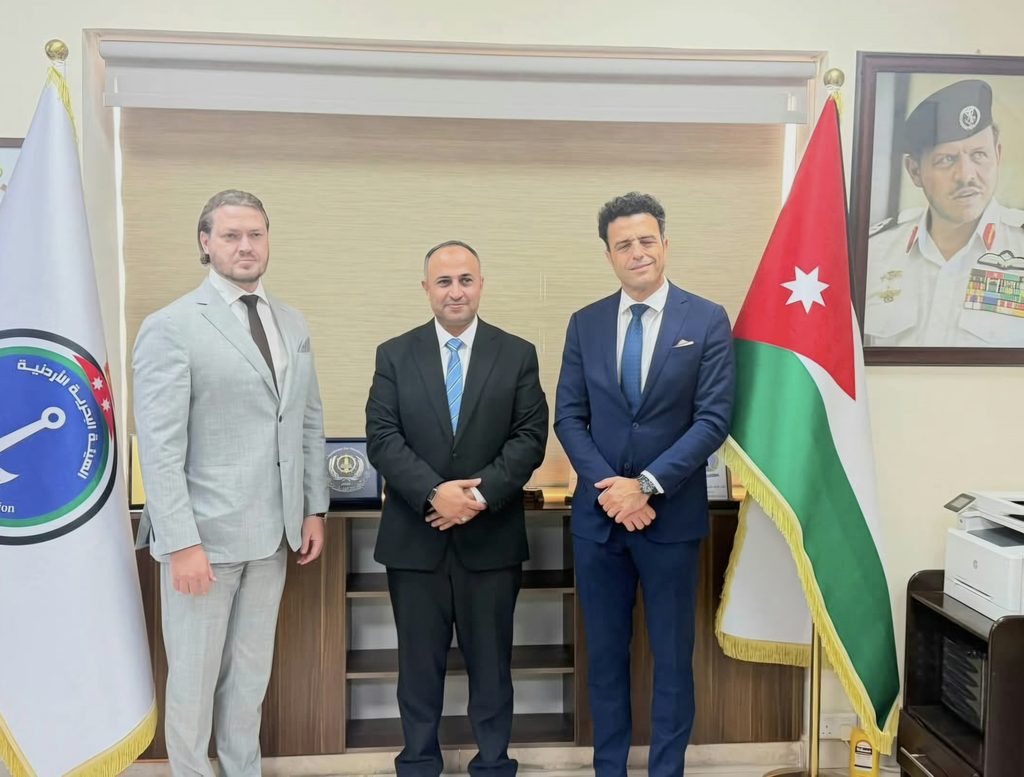
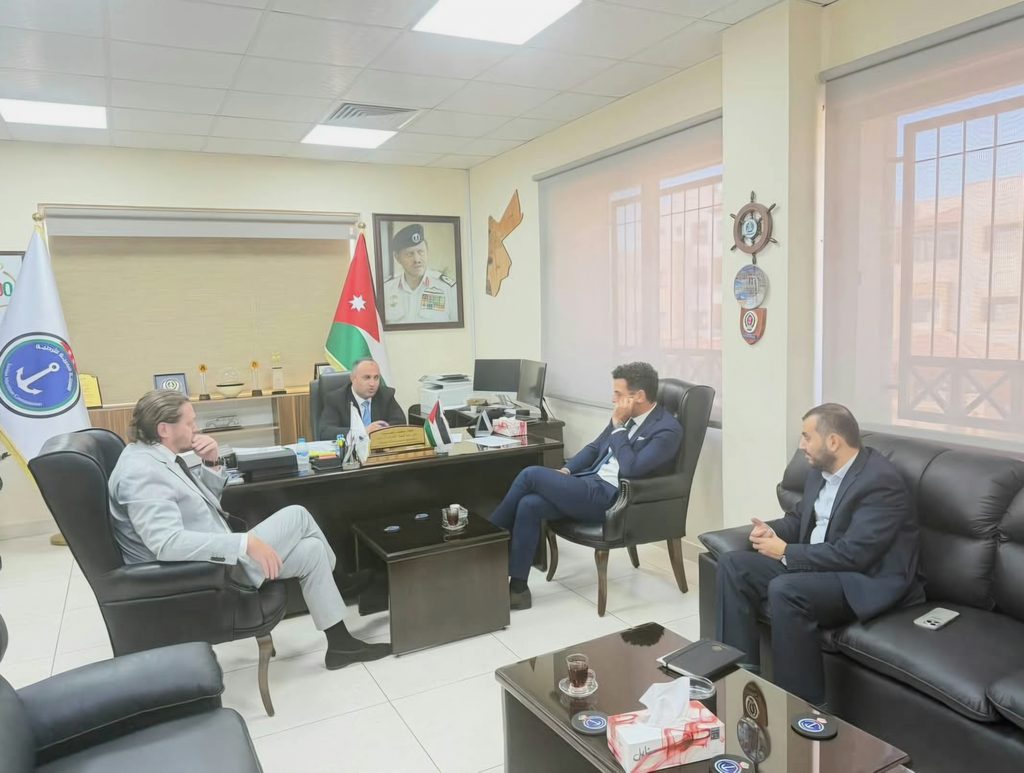
    Shipping Arabia, October 8, 2026 – The Jordan Academy for Maritime Studies (JAMS) has signed a cooperation agreement with Phoenicia Maritime Training Center in Tartous, Syria, creating a framework for future collaboration in maritime education, training and related maritime services.

    The agreement aims to develop new opportunities for Syrian maritime trainees, professionals and institutions. It also enables both organizations to benefit from their respective expertise and capabilities as they explore areas for future cooperation.

    JAMS Syria maritime cooperation covers training and services

    Potential areas of cooperation include maritime education and training, guided sea training, maritime English, training and consultancy services, research and development, and the exchange of expertise.

    The agreement therefore provides a broad platform for both organizations to develop programs and services that could support maritime professionals and institutions in Syria.

    JAMS said the cooperation could create future opportunities that serve trainees as well as the wider Syrian maritime sector. At the same time, the two organizations will be able to combine their experience and resources when developing potential initiatives.

    Programs subject to individual requirements and approvals

    The agreement establishes a framework for future cooperation rather than committing the two organizations to the immediate implementation of specific programs.

    Each training program or service will be organized according to its own requirements. Implementation will also be subject to obtaining the necessary approvals from the relevant authorities in Jordan and Syria.

    This approach allows JAMS and Phoenicia Maritime Training Center to develop individual initiatives within the wider cooperation framework while addressing the regulatory and operational requirements applicable to each activity.

    Focus on future maritime training opportunities

    The partnership opens the door to broader cooperation across several areas of maritime education and professional development.

    In addition to conventional maritime training, the agreement identifies opportunities in maritime English, consultancy, research and development, and knowledge exchange. It also includes the potential development of guided sea training activities.

    Through the agreement, the two organizations aim to turn future training and cooperation opportunities into practical value for trainees, maritime professionals and institutions.

    Source: Jordan Academy for Maritime Studies

  • AASTMT Concludes Arab Maritime Disaster Risk Training Program in Alexandria

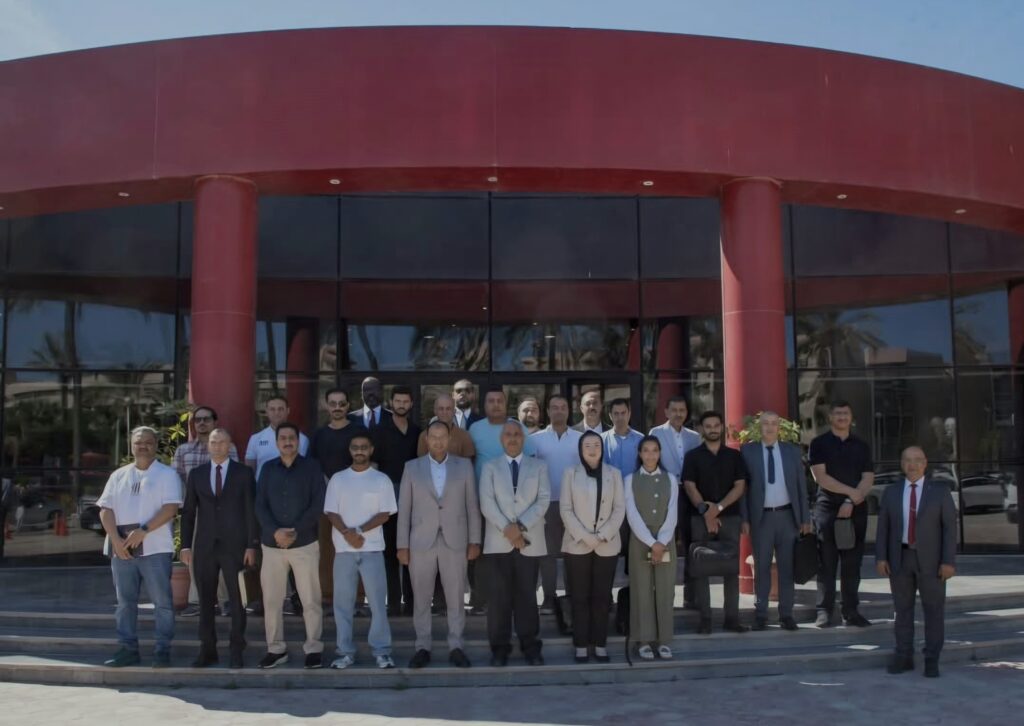
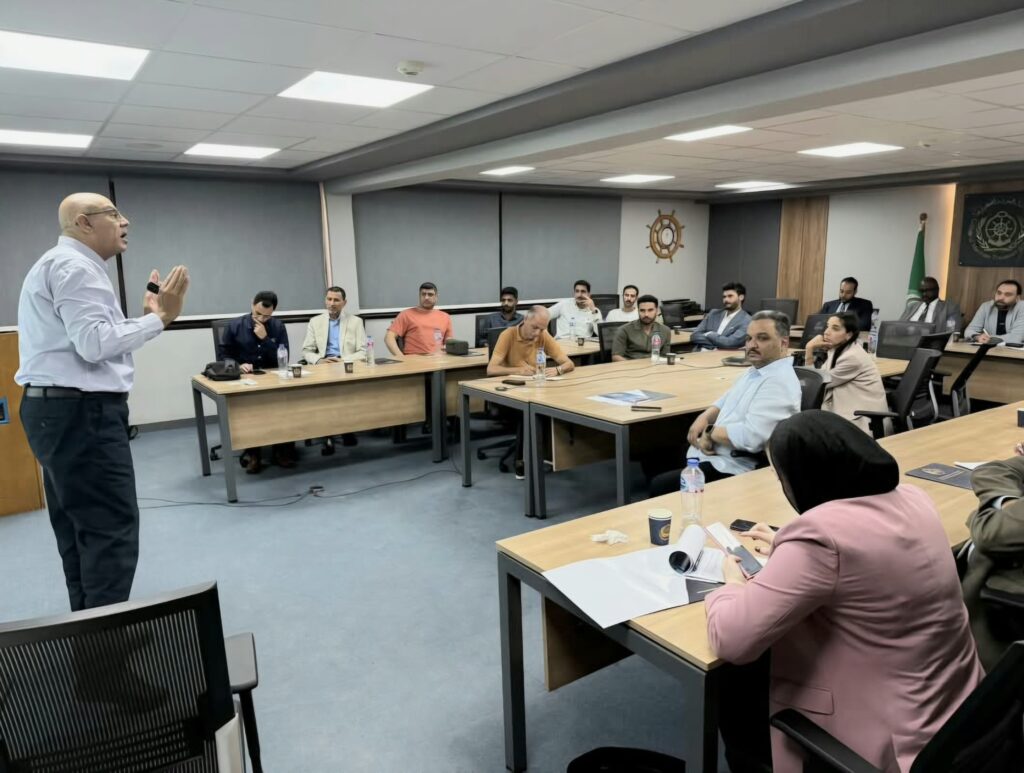
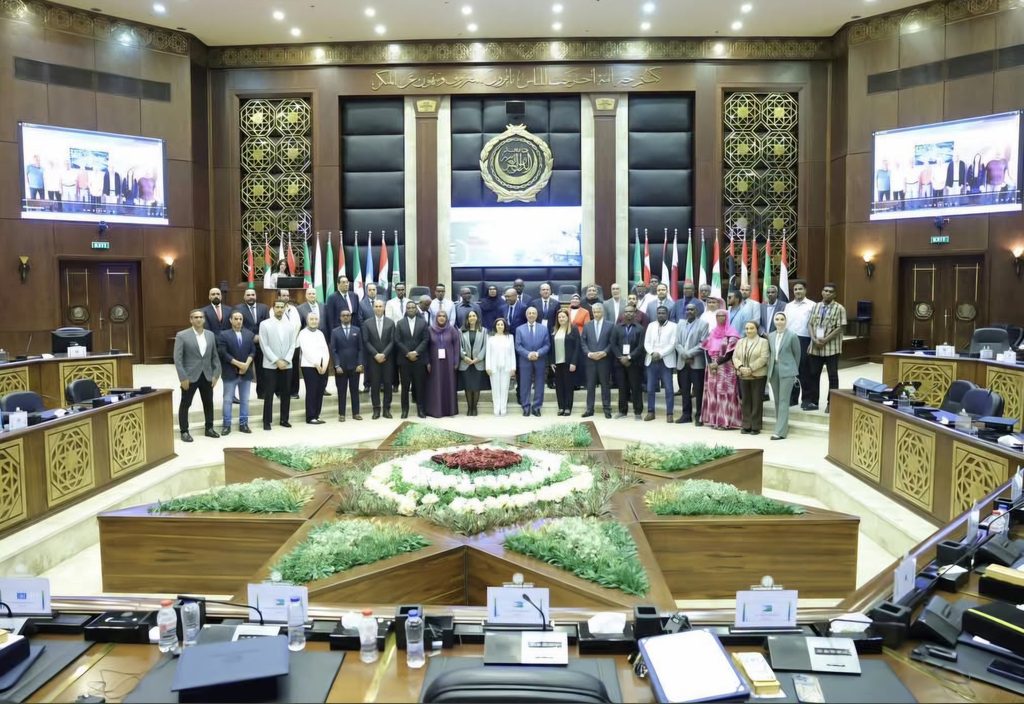
    Shipping Arabia, October 5, 2026 – The Arab Academy for Science, Technology and Maritime Transport (AASTMT) has concluded an integrated Arab maritime disaster risk training program in Alexandria, bringing together 23 officials and specialists from six Arab countries to strengthen national capabilities in maritime disaster risk assessment, management and response.

    The program was held from September 21 to 24, 2026, at AASTMT’s Abu Qir campus under the patronage of H.E. Prof. Dr. Ismail Abdel Ghaffar Ismail Farag, President of AASTMT. It was organized in coordination with the General Secretariat of the League of Arab States as part of the Arab Program for Disaster Risk Reduction in the maritime sector.

    AASTMT implemented the four-day program through its Maritime Postgraduate Studies Institute under the supervision of Prof. Dr. Karim Tonbol, Dean of the Institute. The program was also conducted in cooperation with the League of Arab States’ departments responsible for housing, water resources and disaster risk reduction, as well as transport and tourism.

    Arab Participation in Maritime Disaster Risk Training

    The maritime disaster risk training program attracted 23 officials and specialists representing six Arab countries. Participants came from organizations responsible for maritime transport and ports, risk and emergency management, civil defense and protection, maritime security, environmental affairs and maritime affairs.

    The program also included participation from officials involved in regional Arab coordination on disaster risk reduction and maritime transport. Mohammed Kenna, Coordinator of the Arab Coordination Mechanism for Disaster Risk Reduction, and Abdel Karim Fares, Coordinator of the Technical Secretariat of the Council of Arab Transport Ministers, attended the program.

    Mostafa Saadi Abbas, an official with the Technical Secretariat of the Arab Coordination Mechanism for Disaster Risk Reduction, also participated during the opening day and presented a working paper as part of the training activities.

    The involvement of several maritime, emergency and civil protection disciplines gave the program a multi-agency structure. This approach supported its focus on coordination among organizations that may be required to work together during complex maritime emergencies.

    IMO, UNDRR and AASTMT Experts Deliver Training

    Lectures and training sessions were delivered by specialists and experts from the General Secretariat of the League of Arab States, the United Nations Office for Disaster Risk Reduction (UNDRR) and the International Maritime Organization (IMO).

    AASTMT experts also contributed through several of the Academy’s specialized institutions and centers. These included the Arab Center for Consultations and Maritime Environmental Accident Investigations, the Deanship of Scientific Research and Innovation, the Maritime Qualifying Studies Institute, the Integrated Simulators Complex, and the Environment Protection and Crisis Management Center.

    Across the four days, the maritime disaster risk training covered a range of interconnected operational and risk-management subjects. These included maritime emergency plans, incident command and management, maritime and environmental risk assessment and management, modeling and decision support, oil pollution incident response, dangerous goods risk management, and analysis of lessons learned from maritime accidents.

    The program therefore combined risk assessment with practical emergency management and decision-making. It also addressed environmental and hazardous cargo risks alongside wider maritime incident response requirements.

    Complex Maritime Incident Tested Through Simulation

    The program concluded with a practical exercise at the Environment Protection and Crisis Management Center within AASTMT’s Integrated Simulators Complex.

    Participants took part in a simulation of a complex maritime incident designed to allow them to apply concepts covered during the training. The exercise focused on assessing the situation, identifying priorities, managing available resources, coordinating among multiple agencies and making decisions within an integrated simulation environment.

    The practical component provided participants with an opportunity to move from classroom-based instruction to the management of a simulated maritime emergency. It also brought together several of the core subjects covered during the program, including incident management, risk evaluation, coordination and resource allocation.

    Building National Maritime Disaster Response Capacity

    AASTMT said the program forms part of its efforts to support joint Arab action and build national capabilities in maritime transport, safety and risk management.

    The initiative also reflects the Academy’s role as an Arab center of expertise in these fields, with the broader aim of raising levels of preparedness and response to maritime disasters across Arab countries.

    Through cooperation with the League of Arab States, IMO and UNDRR specialists, the program combined regional coordination with technical maritime expertise and practical simulation. Its conclusion marked the completion of four days of training focused on strengthening the ability of participating authorities to assess risks, coordinate responses and manage complex maritime incidents.

    Source: Arab Academy for Science, Technology and Maritime Transport

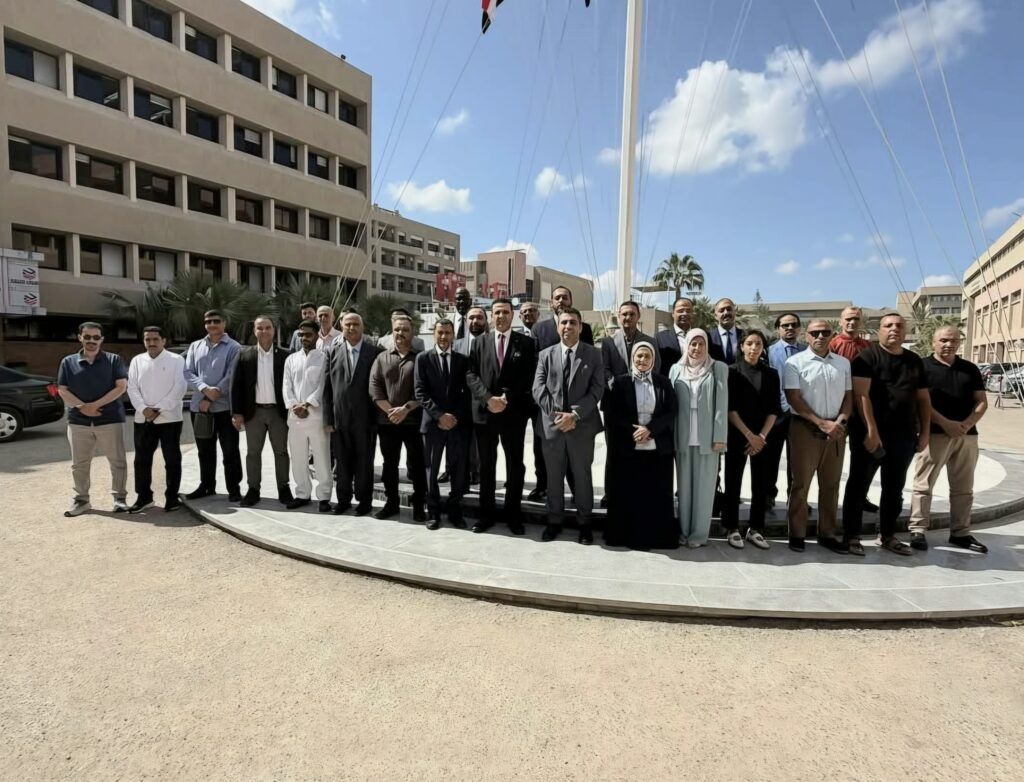
    Maritime disaster risk training participants at AASTMT in Alexandria
  • AASTMT Concludes Port Security and Operations Training for Four Countries

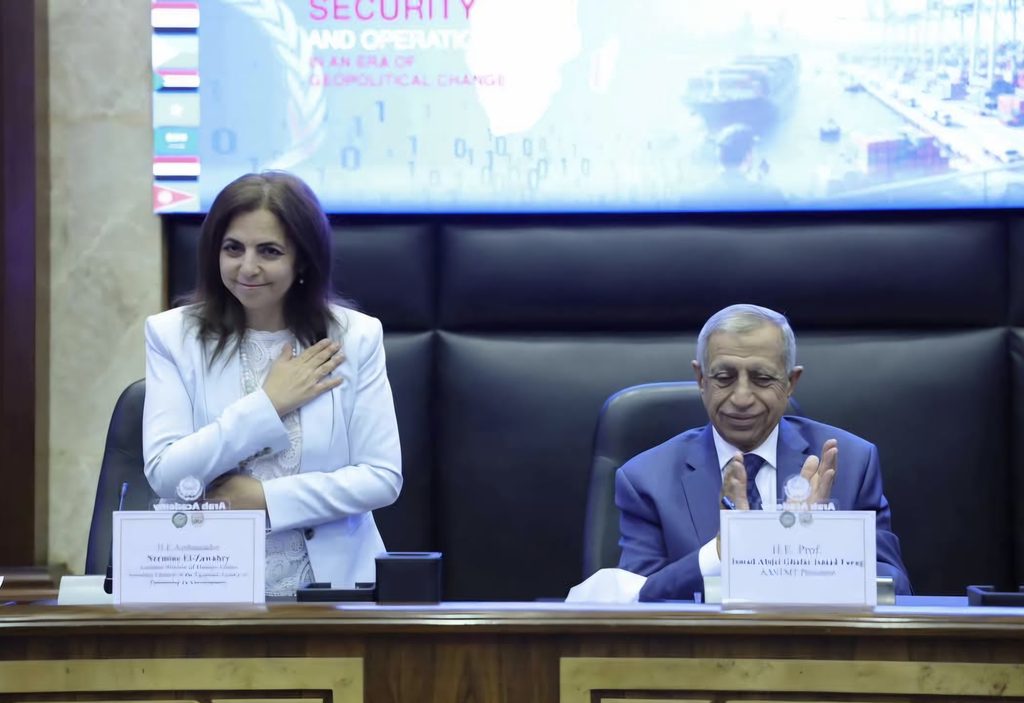
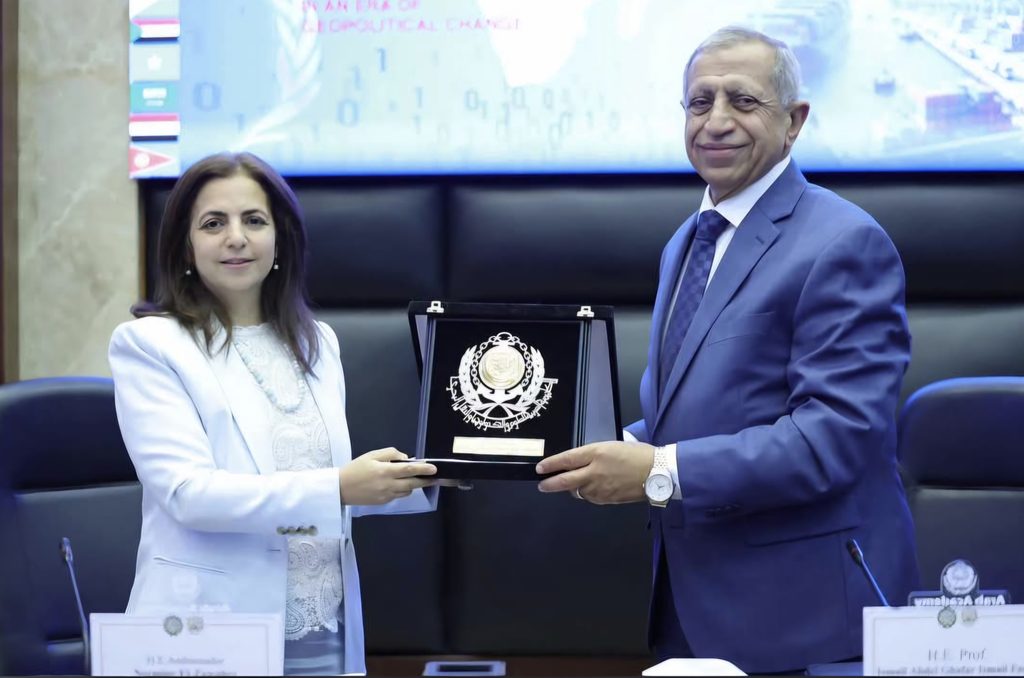
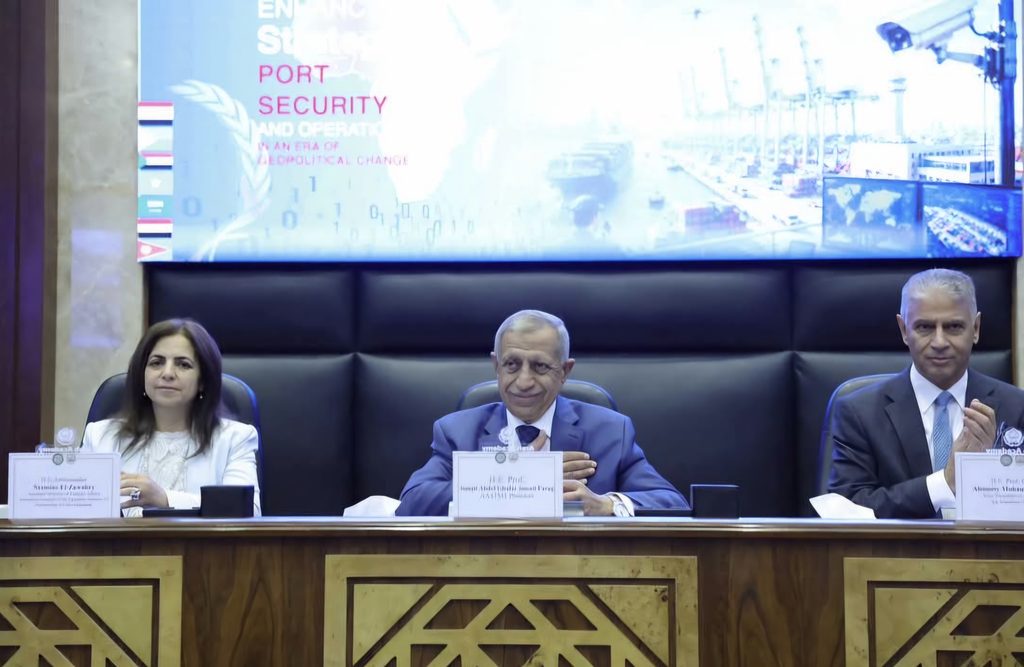
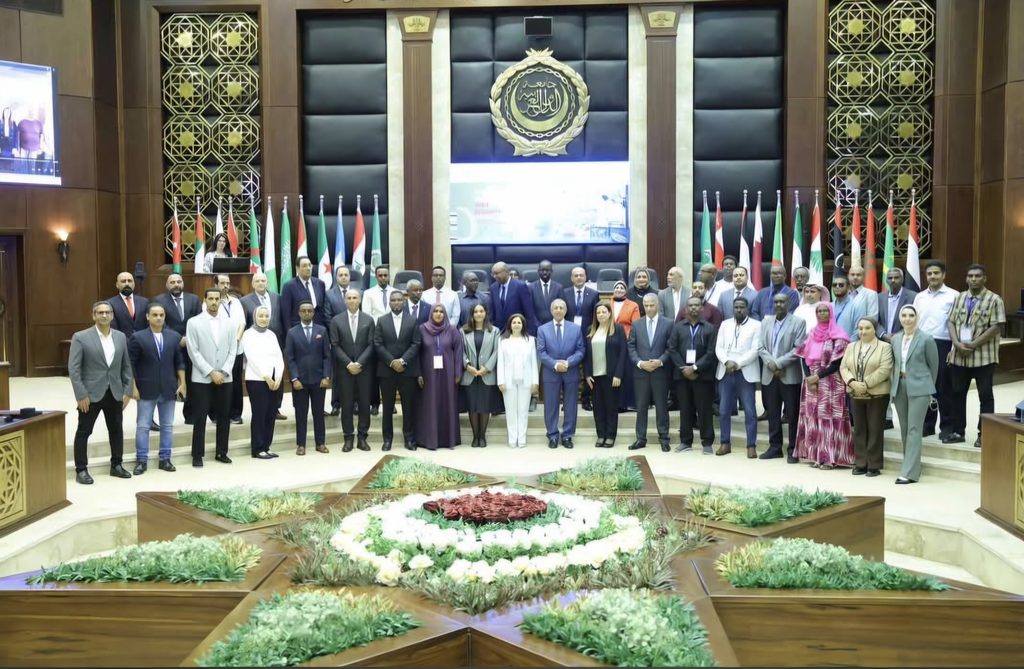
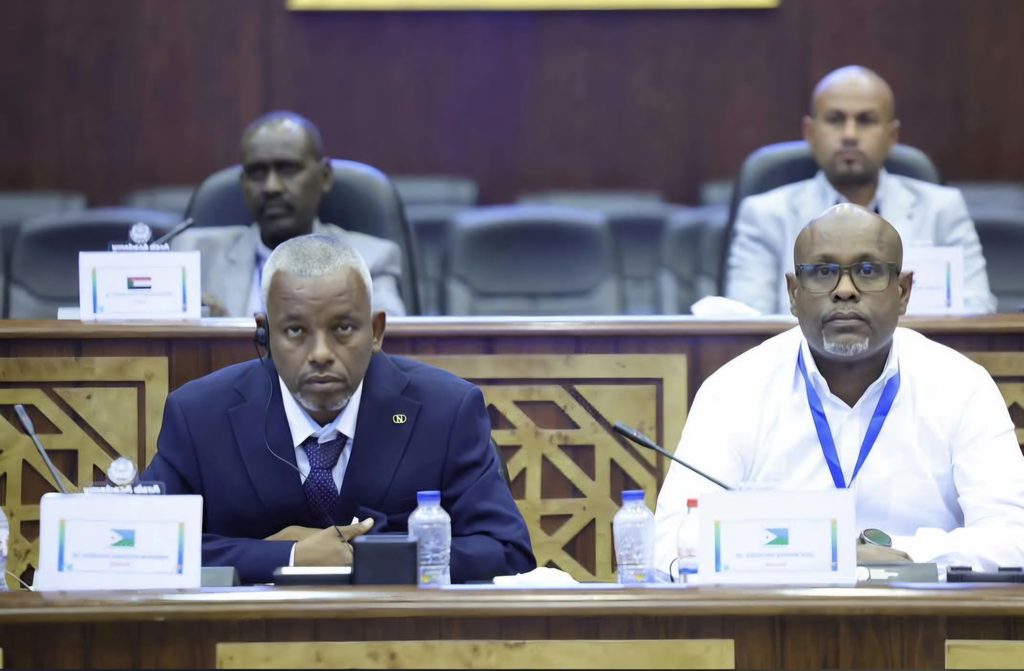
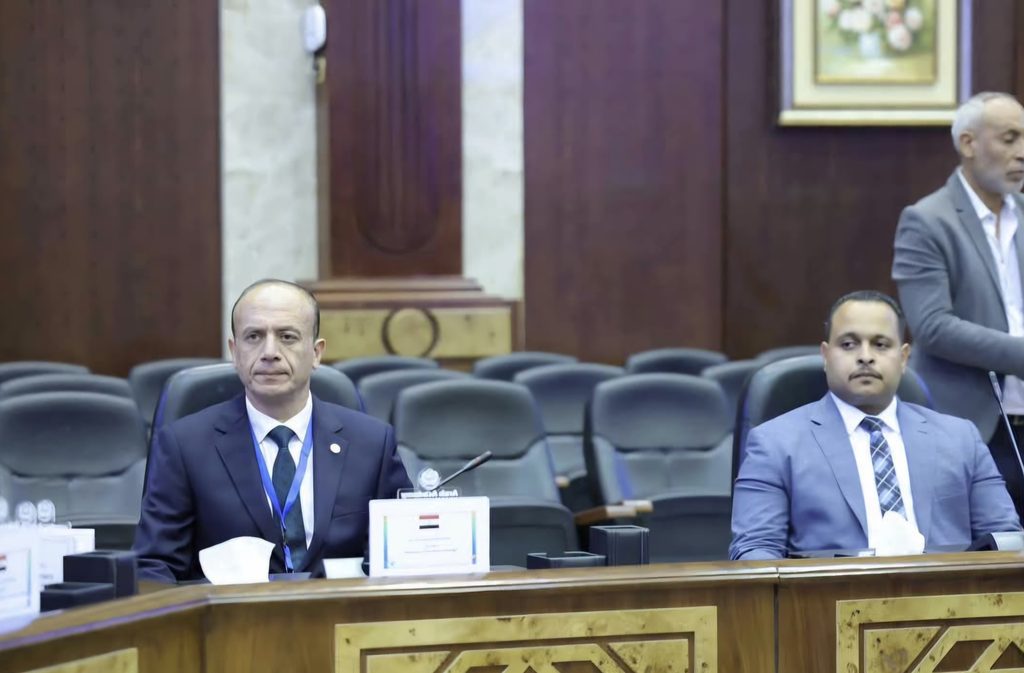
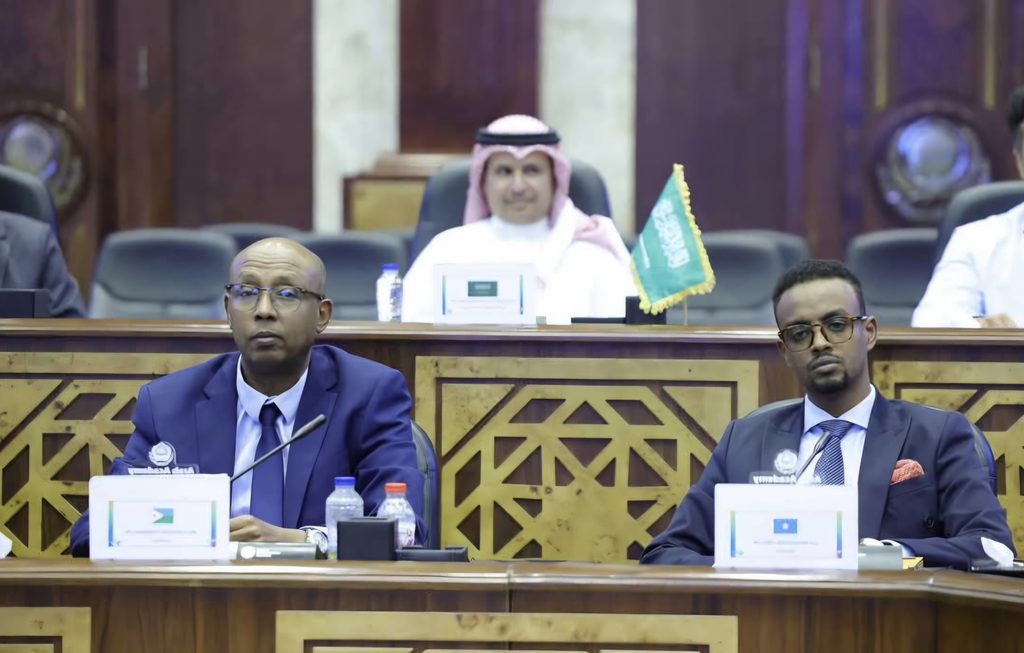
    Shipping Arabia, October 4, 2026 – The Arab Academy for Science, Technology and Maritime Transport (AASTMT) has concluded a specialized port security and operations training program focused on strengthening the strategic security and operation of seaports amid geopolitical changes, with 30 participants from Saudi Arabia, Sudan, Djibouti and Somalia.

    The program was organized in cooperation with the Egyptian Agency of Partnership for Development under the STREAM initiative launched by Egyptian President Abdel Fattah El-Sisi. It formed part of efforts to transfer expertise and build capacity across Arab and African countries, particularly those bordering the Red Sea.

    AASTMT delivered the course as an integrated program combining theoretical instruction with practical training. The curriculum addressed operational and security challenges facing ports while introducing participants to technologies that can strengthen efficiency and preparedness.

    Port security and operations training covers emerging risks

    The training addressed several areas directly linked to the security and resilience of maritime ports. Key topics included risk and crisis management, cybersecurity and business continuity.

    Participants also examined the use of automation and artificial intelligence in port operations. These technologies were presented in the context of improving operational efficiency and strengthening ports’ readiness to respond to emerging challenges.

    The course reflected AASTMT’s focus on maritime transport and logistics training and its efforts to support capacity building among Arab and African countries.

    Under the leadership of AASTMT President Prof. Ismail Abdel Ghafar Ismail Farag, the Academy structured the program to combine classroom-based learning with practical exposure to maritime training technologies and operational environments.

    Practical training at AASTMT simulator facilities

    As part of the practical component, participants visited AASTMT’s simulator and practical training complex. The visit allowed them to review advanced technologies used in the training and qualification of maritime personnel.

    The practical exposure complemented the program’s theoretical modules and provided participants with a closer view of the technical capabilities used to develop maritime skills.

    By combining instruction on risk, cybersecurity and operational continuity with exposure to simulation technology, the program sought to connect port security concepts with practical training tools.

    Suez Canal Authority visit highlights infrastructure integration

    The field program also included a visit to the Suez Canal Authority. Participants were introduced to stages in the Authority’s development as well as the logistics zone and its facilities and systems supporting trade flows and supply chains.

    The visit also provided practical insight into the integration between ports and supporting infrastructure. Participants examined how this integration relates to safety requirements and operational security.

    This element of the program broadened the port security and operations training beyond classroom instruction by exposing participants to infrastructure and logistics systems connected to maritime trade and supply chains.

    AASTMT said the program forms part of its continued commitment to regional partnership and cooperation. The Academy also emphasized its role in providing training and consultancy for Arab and African professionals, with the aim of strengthening the strategic security of ports and supporting sustainable development across the region.

    Source: Arab Academy for Science, Technology and Maritime Transport

  • Saudi TGA Accredits 14 Maritime Training Programs Following Audits in Ras Tanura and Jeddah

    Shipping Arabia, October 3, 2026 – Saudi Arabia’s Transport General Authority (TGA) has accredited 14 maritime training programs for industry personnel following audit and compliance reviews at the AZDA Maritime Training Institute in Ras Tanura and the International Maritime Training Center at King Abdulaziz University in Jeddah.

    The audits formed part of the authority’s efforts to raise the quality of maritime training, strengthen training outcomes and develop the capabilities of personnel working across Saudi Arabia’s maritime sector. The reviews assessed compliance with approved standards and requirements covering quality, safety, training facilities and educational programs.

    AZDA Maritime Training Institute Meets Quality and Safety Requirements

    At the AZDA Maritime Training Institute in Ras Tanura, the audit found that the institute had fulfilled applicable quality and safety requirements.

    The review also confirmed the availability of training equipment and tools required for its programs. In addition, the institute had updated its educational programs in line with international best practices.

    The audit was conducted as part of the Transport General Authority’s wider oversight of maritime training providers and its efforts to ensure that training institutions maintain required standards.

    14 Maritime Training Programs Accredited in Jeddah

    At the International Maritime Training Center at King Abdulaziz University in Jeddah, the audit confirmed compliance with quality and safety requirements as well as the readiness of training equipment and tools.

    Following the review, the Transport General Authority accredited 14 maritime training programs for personnel working in the maritime sector.

    The authority said the programs are intended to develop participants’ professional skills and capabilities while helping provide the maritime transport industry with qualified personnel capable of meeting sector requirements.

    Supporting Saudi Maritime Workforce Development

    The Transport General Authority said it will continue its development efforts to raise the efficiency of personnel working across the maritime sector.

    These efforts form part of the authority’s work to support development of Saudi Arabia’s maritime transport system and contribute to the objectives of the National Transport and Logistics Strategy.

    The authority also linked its maritime workforce development initiatives with the Kingdom’s wider objective of strengthening its position as a global logistics hub.

    Source: Sabq

  • Aqaba Maritime Training Center Reports Nearly 90% Graduate Employment Rate

    Shipping Arabia, October 3, 2026 – Aqaba maritime training programs at Al-Balqa Applied University are recording graduate employment rates approaching 90%, according to Dr. Hassan Rafea Shaheen, director of the Aqaba Maritime Education and Training Center. The center combines academic study with practical maritime training and serves students as well as working seafarers seeking professional qualifications and certificate renewals.

    Maritime Programs Linked to Industry Demand

    The center currently has 112 students in Maritime Transport Technology and 114 in Marine Engineering. Since the programs were introduced, 336 students have graduated in Maritime Transport Technology and 155 in Marine Engineering. Marine Engineering runs for three years and comprises 105 credit hours, while graduates must also complete practical cadet training aboard ships before obtaining the required maritime certification.

    Simulators and Safety Training

    Training facilities include a 3D ship-engine simulator and a high-voltage systems simulator, each capable of accommodating about 12 students. Construction of a semi-Olympic swimming pool for rescue and lifeboat training has reached about 90%, while the center also operates shipboard firefighting training facilities.

    The center has trained participants from 35 nationalities and maintains agreements with maritime companies and academies. Aqaba University College is also preparing a bachelor’s program in Logistics and Supply Chain Management.

    Source: Hala News / Petra

  • Jordan Maritime Commission Concludes IMSAS Audit Training Program

    Shipping Arabia, October 2, 2026 – The Jordan Maritime Commission has concluded an IMSAS audit training program designed to strengthen participants’ technical knowledge of International Maritime Organization audit requirements and enhance Jordan’s institutional and technical readiness for obligations under the IMO Member State Audit Scheme.

    The four-day course, titled “Preparatory Program for the IMO Member State Audit Scheme (IMSAS) and Study of Audit Principles,” ran from September 21 to 24, 2026. It focused on building participants’ capabilities and improving their understanding of maritime audit requirements and procedures in accordance with IMO standards.

    IMSAS Framework and III Code Requirements

    The training covered the framework of the IMO Member State Audit Scheme and the IMO Instruments Implementation Code, known as the III Code.

    Participants examined the IMSAS audit framework under IMO Resolution A.1211(34), as well as the implementation of the III Code under Resolution A.1070(28). The course also addressed common areas of responsibility and the obligations associated with flag State and coastal State functions.

    In addition, the program reviewed port State requirements as part of the broader responsibilities covered by the IMO audit system.

    Audit Planning, Implementation and Corrective Actions

    The IMSAS audit training program included practical preparation for the different stages of the audit process. Participants studied planning and preparation procedures, as well as the mechanisms used to conduct an IMSAS audit.

    The course also covered interview techniques, report preparation and the development of corrective action plans. Participants reviewed the principles and management systems used to organize and manage audit processes.

    These subjects were intended to strengthen technical understanding of how IMO Member State audits are prepared, conducted and followed up.

    Strengthening Jordan’s Maritime Readiness

    The Jordan Maritime Commission said the training forms part of its efforts to develop national capabilities and raise institutional and technical preparedness.

    The commission also aims to strengthen compliance with international requirements and standards related to maritime safety and security, as well as protection of the marine environment.

    By developing knowledge of IMSAS procedures and the III Code, the program supports Jordan’s preparations for requirements associated with the IMO Member State Audit Scheme.

    Source: Jordan Maritime Commission

  • Nador West Med Container Terminal Begins First Vessel Handling Operation

    Shipping Arabia, September 22, 2026 – Morocco’s Nador West Med Container Terminal has carried out its first vessel handling operation, marking an important operational milestone for the new Mediterranean port complex as it prepares its workforce and systems for container operations.

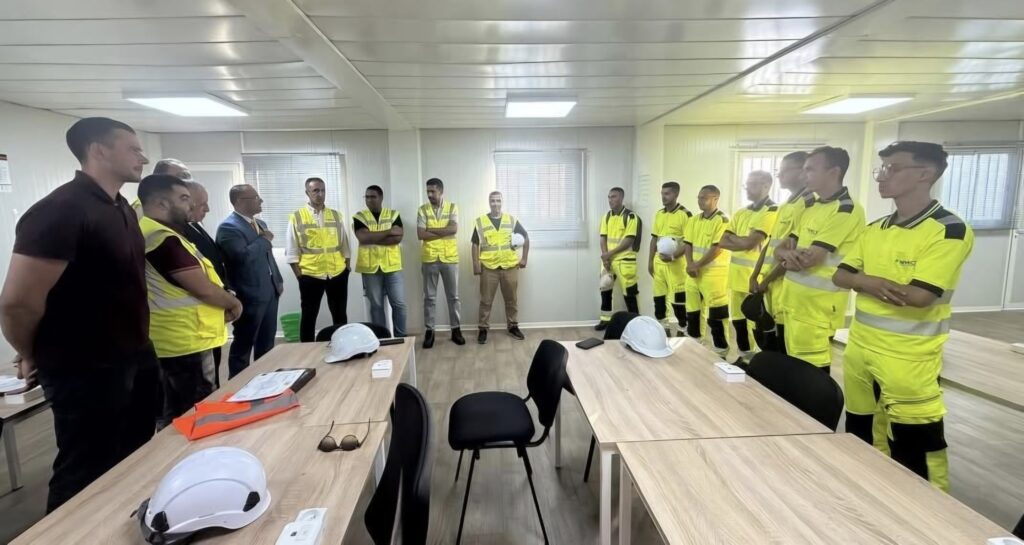
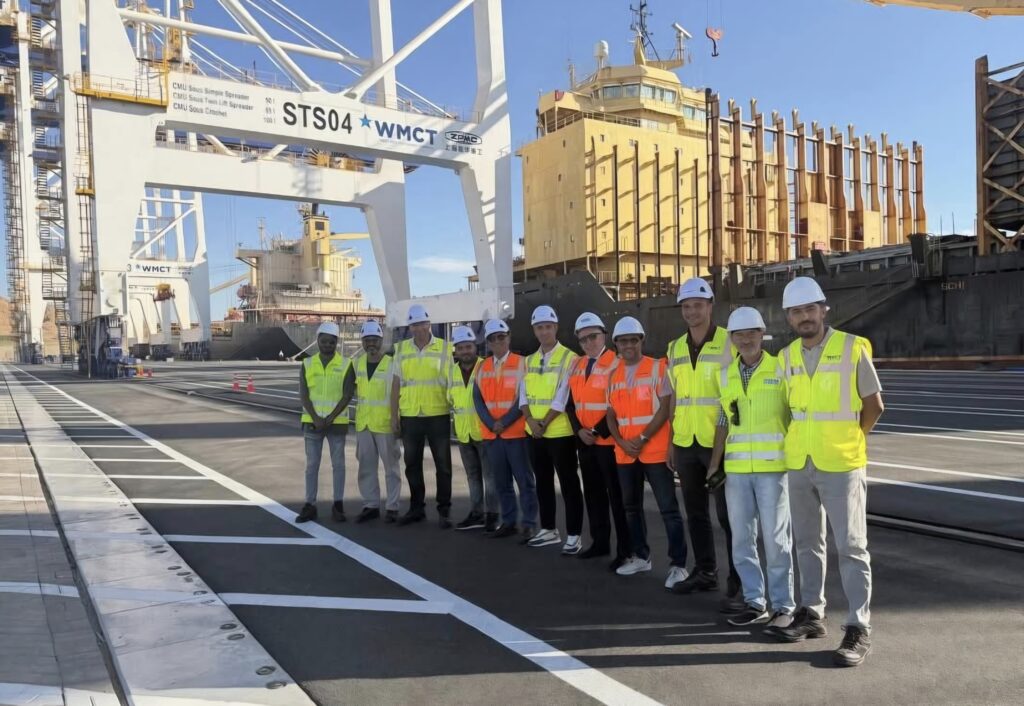
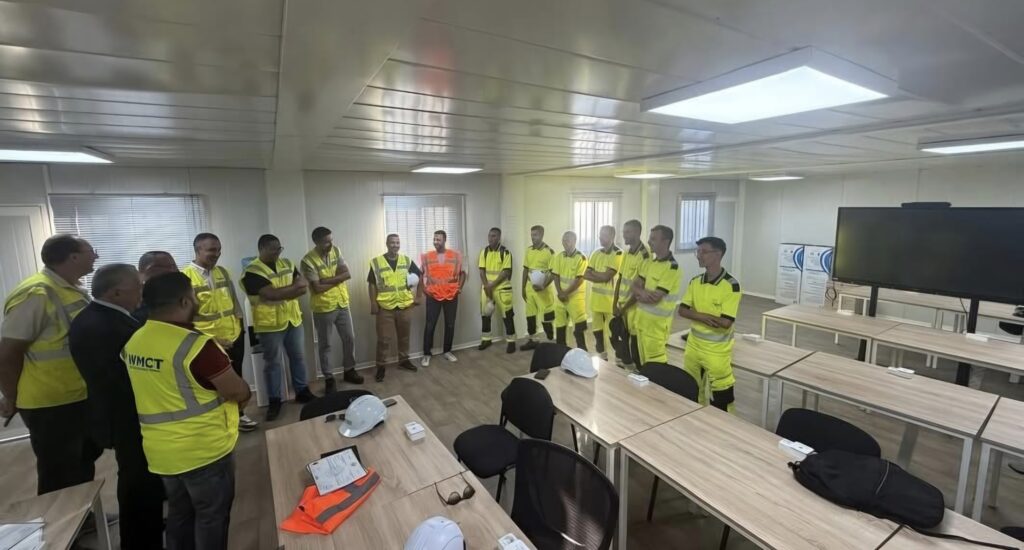
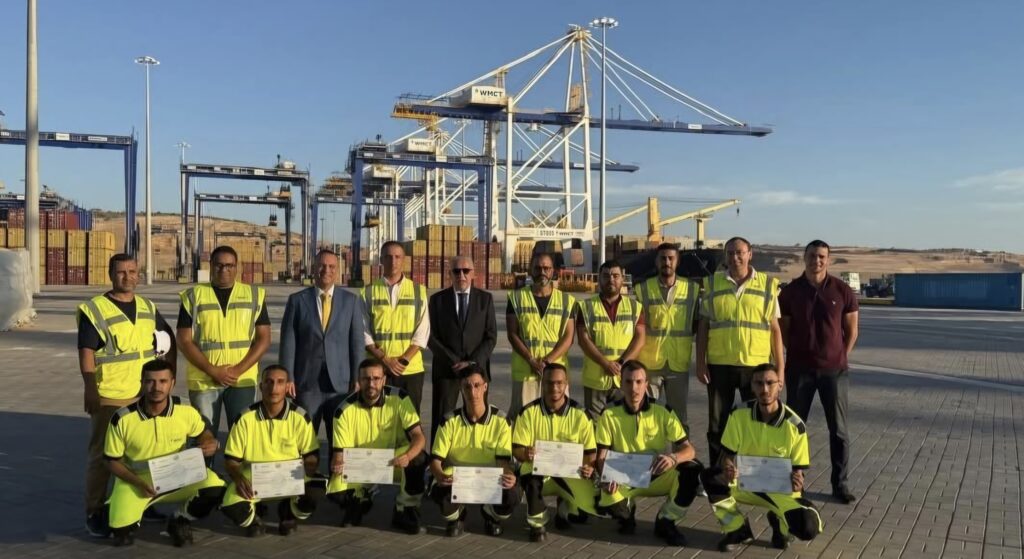
    The first vessel arrival coincided with the completion of a specialized practical training programme for Moroccan personnel conducted by the Port Training Institute of the Arab Academy for Science, Technology and Maritime Transport (AASTMT).

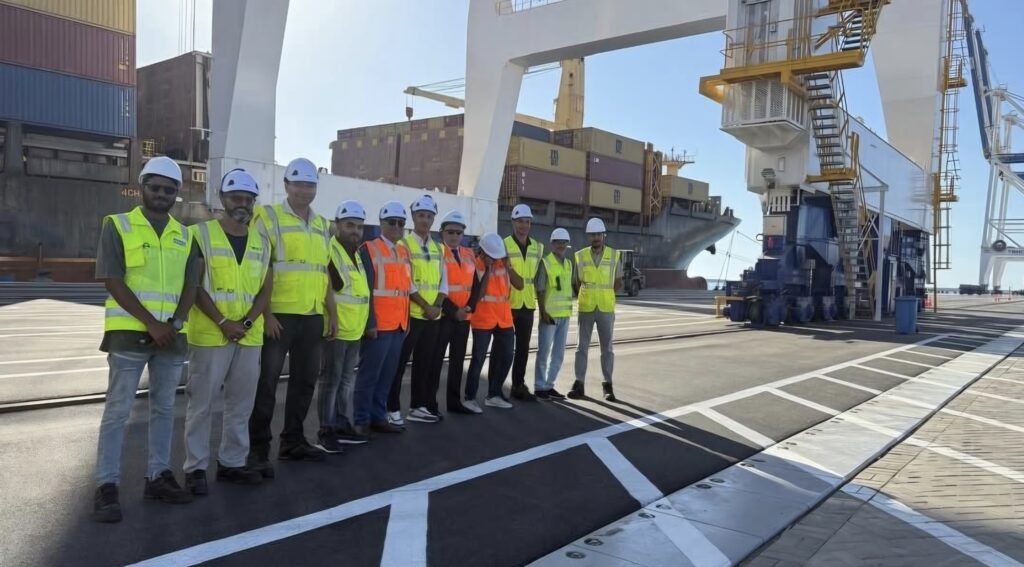
    Trainees participated directly in the terminal’s inaugural handling operation, applying skills developed during the programme to live container terminal activities. The practical training focused on preparing personnel for the operational requirements of modern container facilities, including crane operations and cargo-handling procedures.

    Prof. Alaa Mahmoud Morsi, Dean of the Port Training Institute and Maritime Transport Research and Consultation Center, visited the terminal with Assistant Dean Ehab Hamdy as the programme concluded and the first vessel operation began.

    Practical training was supervised by Hisham Hamdy, Head of the Crane Simulators Department, and Mohamed Gamal, Head of the Cranes Unit, with the programme combining technical instruction and operational preparation for container terminal activities.

    Terminal management said the trainees demonstrated the ability to apply their training during the live operation, providing an early test of workforce readiness as Nador West Med moves toward wider terminal operations.

    The programme forms part of cooperation between AASTMT and the Moroccan terminal to develop specialized port personnel and transfer operational expertise ahead of the facility’s ramp-up.

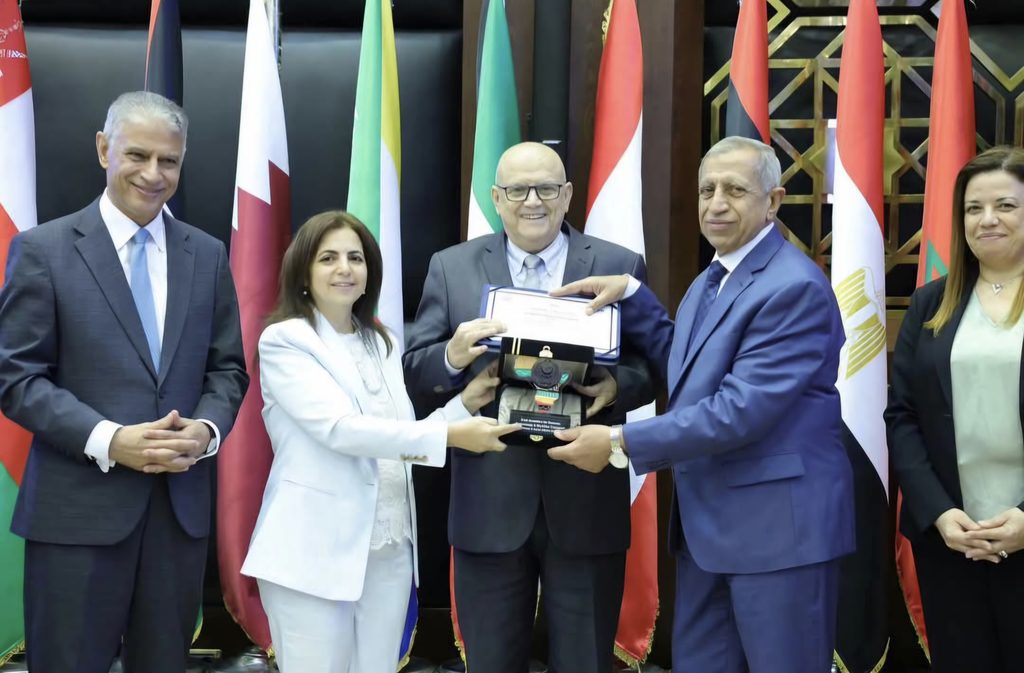
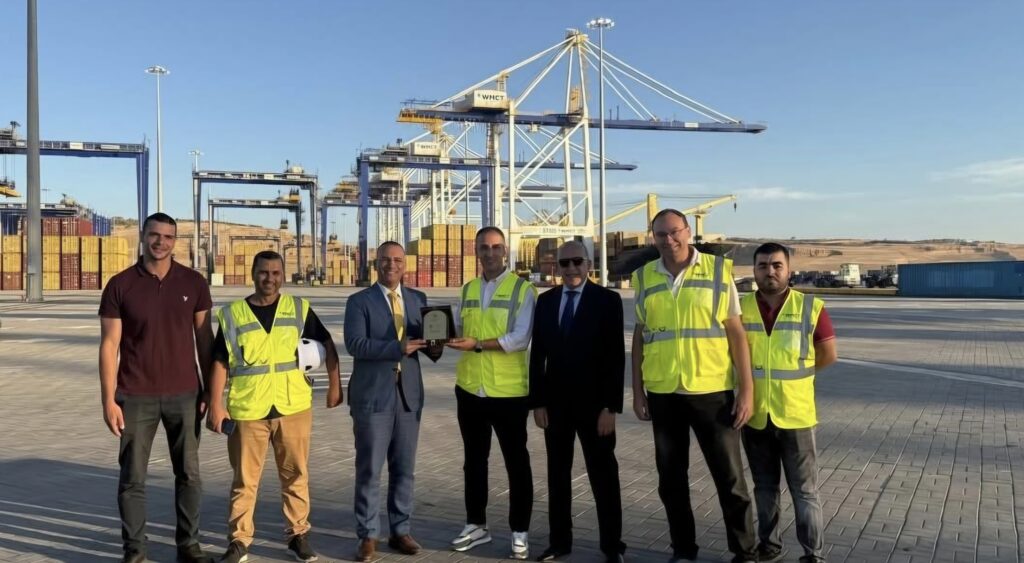
    At the conclusion of the visit, Morsi presented the Port Training Institute shield to Najib Chikhi, CEO of West Med Container Terminal, recognizing the cooperation between the two organizations in delivering the training programme.

    The milestone adds an important operational dimension to the development of Nador West Med as a new container and logistics gateway on Morocco’s Mediterranean coast, with trained personnel now participating in live vessel and terminal operations.

    Source: Port Training Institute

Back to top button