Port Development

  • Iraq Reviews Umm Qasr Port Upgrades and Immersed Tunnel Construction Progress

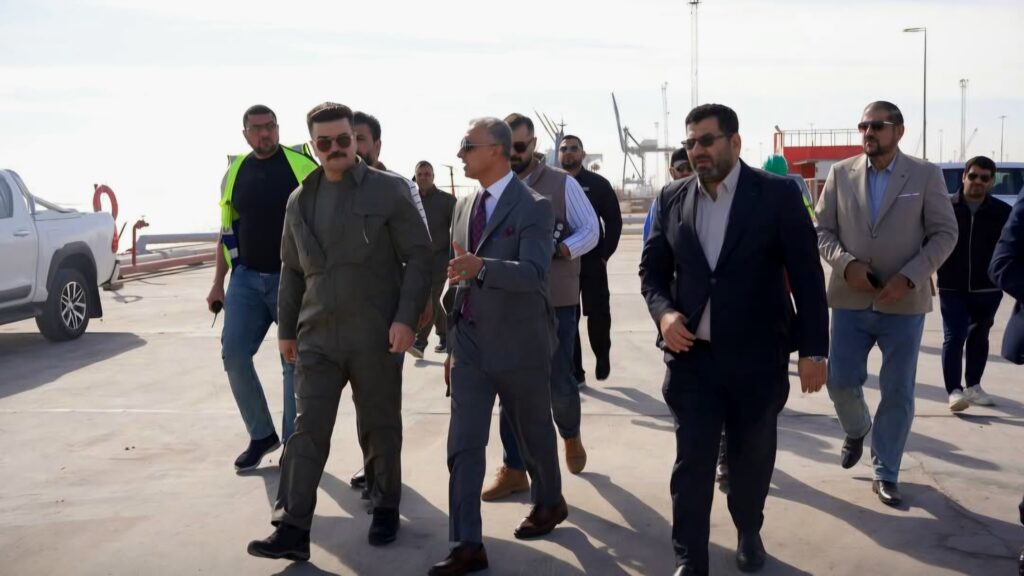
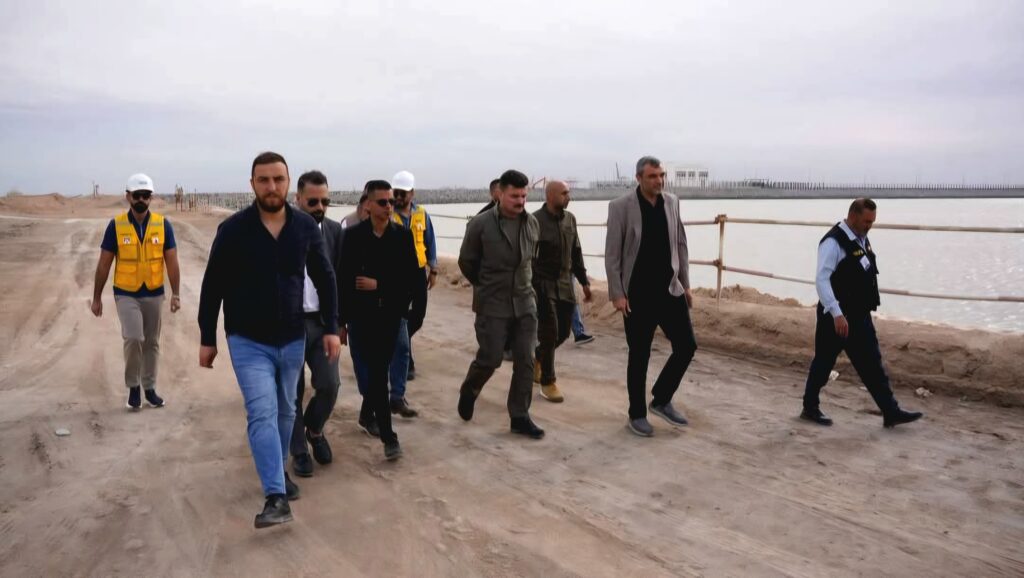
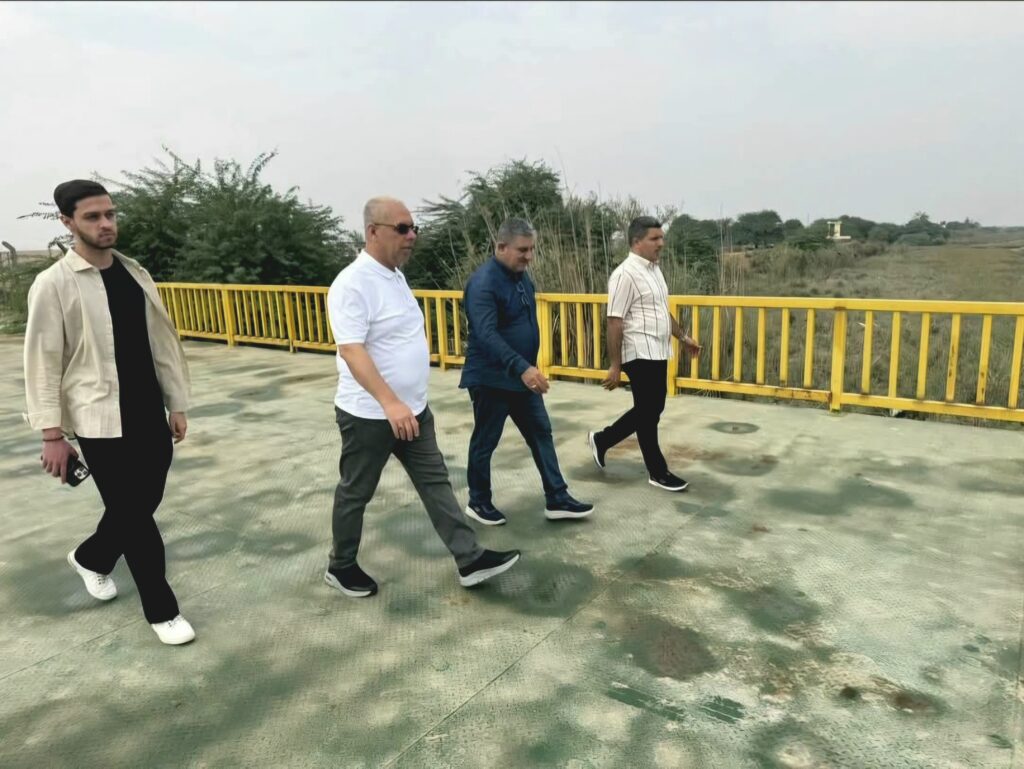
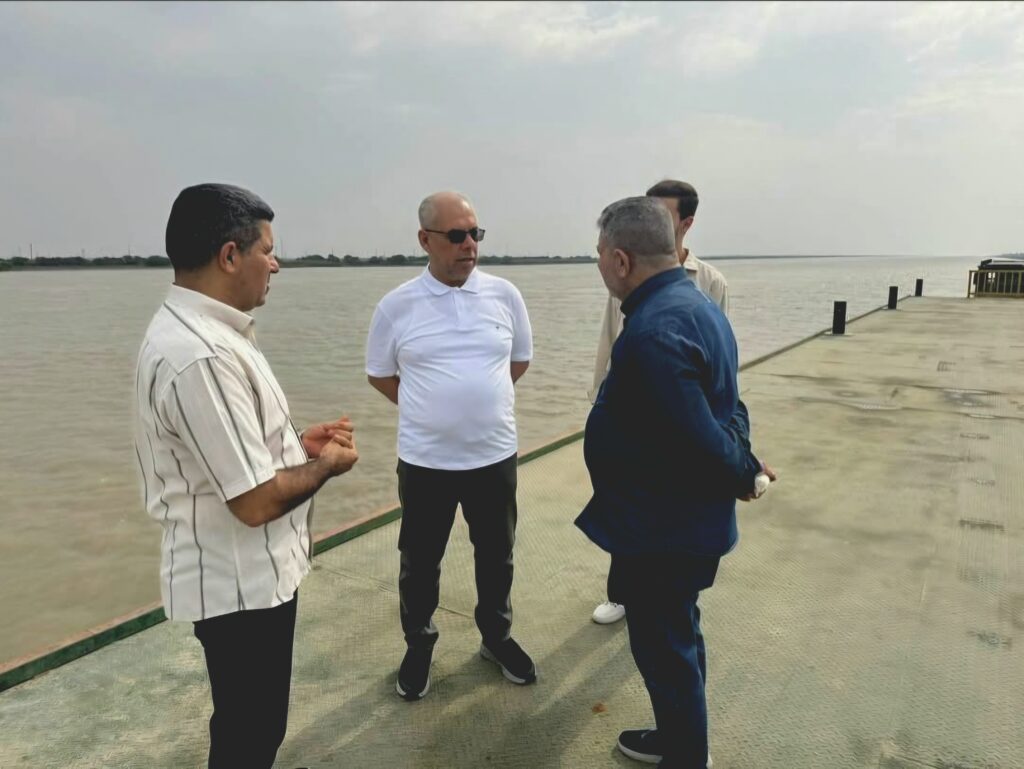
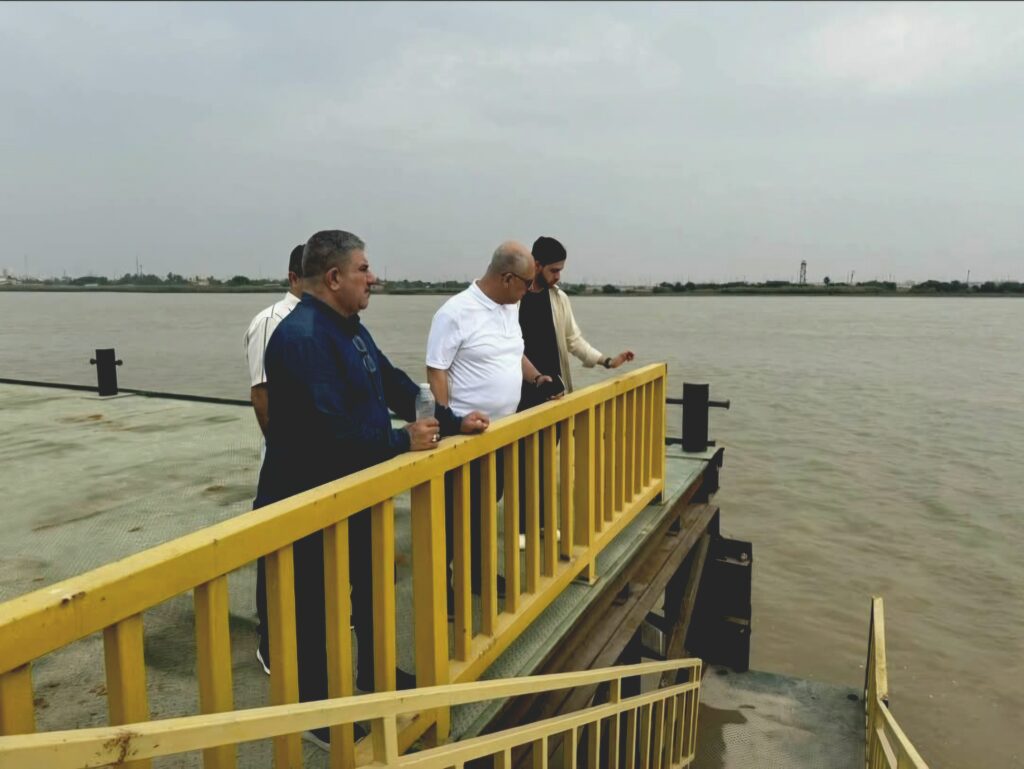
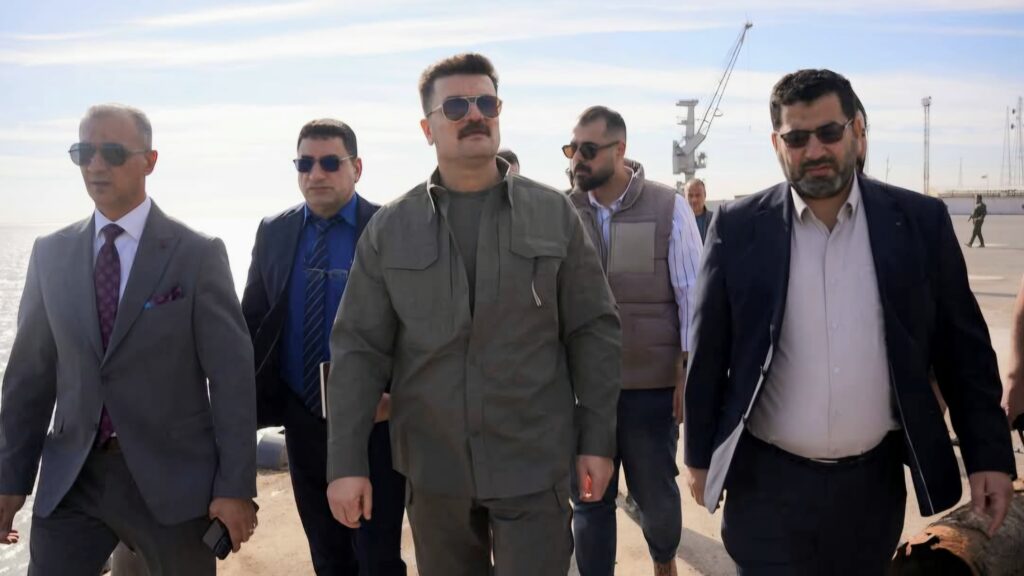
    Shipping Arabia, November 12, 2026 – The General Company for Ports of Iraq (GCPI) has conducted a series of field inspections to review Umm Qasr port upgrades, cargo handling operations and infrastructure rehabilitation projects. The inspections covered Umm Qasr North and South ports, as well as ongoing construction of the immersed tunnel project.

    GCPI Director General Abdullah Ati Abdullah led the inspections in accordance with directives from Iraq’s Minister of Transport, Wahb Al-Hassani. The visits focused on assessing construction progress, reviewing operational performance and identifying technical requirements and challenges affecting project implementation.

    The inspections form part of the company’s efforts to modernize Iraq’s port infrastructure, improve cargo handling efficiency and strengthen the operational capabilities of its commercial ports.

    Umm Qasr Port Upgrades Cover Gates, Berths and Road Infrastructure

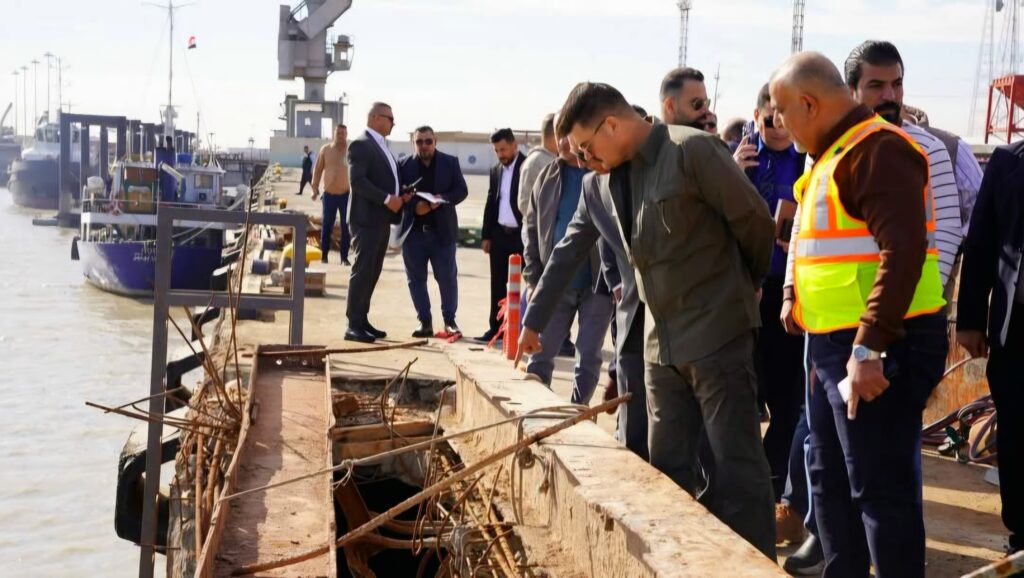
    At Umm Qasr North Port, Abdullah conducted a field inspection accompanied by Port Director Capt. Salem Jabbar Hussein. The visit covered several development projects, including the construction of the port’s main gates, Station No. 2 and new berths.

    The director general examined berth operations and reviewed cargo handling procedures. He also assessed how shipments move from the berths to designated storage areas, focusing on the efficiency of cargo movement within the port.

    In addition, the inspection covered ongoing road rehabilitation works and the port’s overpass project. Abdullah reviewed construction progress and the remaining requirements for completing these infrastructure improvements.

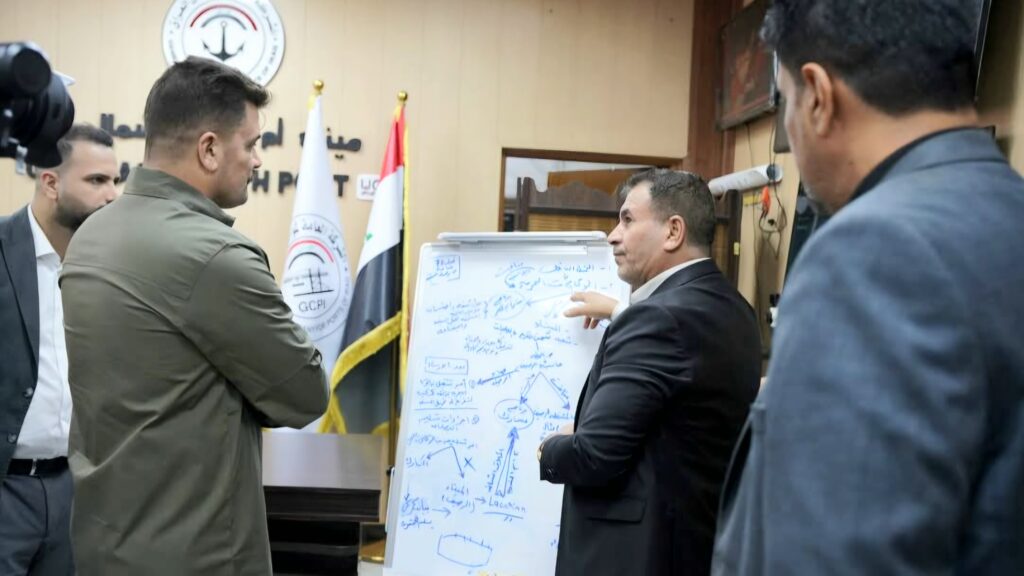
    Engineering and technical teams provided updates on implementation stages, completion rates and outstanding project requirements. Following these discussions, Abdullah instructed the teams to intensify field supervision, accelerate construction and address obstacles affecting progress.

    He also emphasized the importance of meeting approved technical specifications, maintaining quality standards and completing projects within their established schedules.

    The Umm Qasr North development projects aim to strengthen the port’s infrastructure, improve operational efficiency and facilitate smoother cargo handling and transportation. These improvements are intended to support the port’s position as one of Iraq’s major commercial maritime gateways.

    Umm Qasr South Port Focuses on Cargo Operations and Infrastructure Rehabilitation

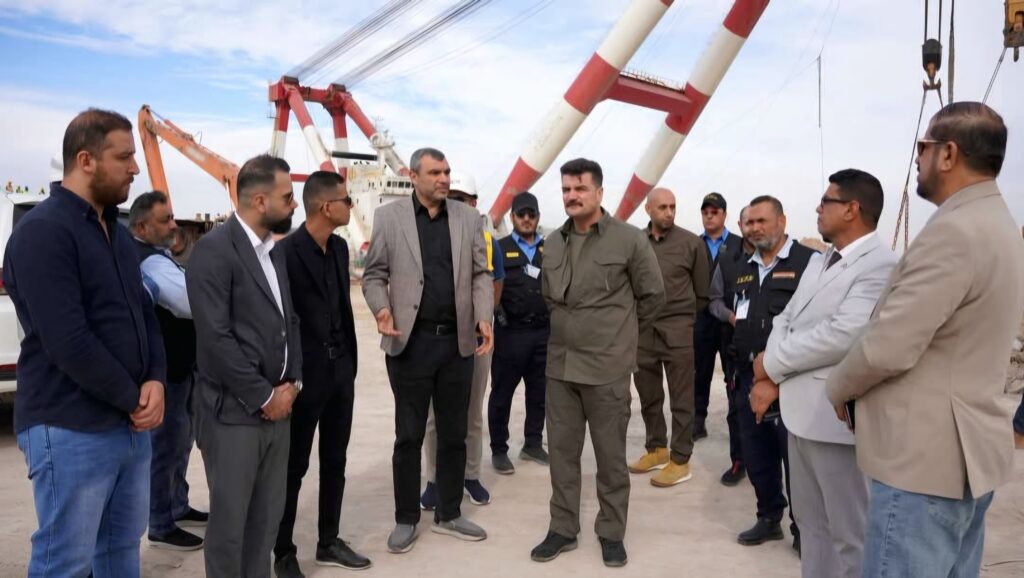
    At Umm Qasr South Port, the director general inspected ongoing cargo operations and reviewed the implementation of development and infrastructure rehabilitation projects.

    The visit included inspections of operational berths, where Abdullah monitored cargo loading and unloading activities. He also examined berth maintenance and rehabilitation works, alongside improvements to storage and service yards.

    During discussions with engineering, technical and operational personnel, Abdullah reviewed their requirements and observations concerning port activities and project execution.

    He directed the relevant teams to accelerate development works while adhering to approved technical standards and project deadlines. The instructions also emphasized improving cargo handling efficiency, maintaining smooth operational workflows and removing obstacles that could delay implementation.

    These efforts are part of GCPI’s broader program to upgrade port infrastructure and increase operational efficiency. The company aims to strengthen the port’s ability to support maritime trade and contribute to Iraq’s national economy.

    Immersed Tunnel Project Construction Progress Under Review

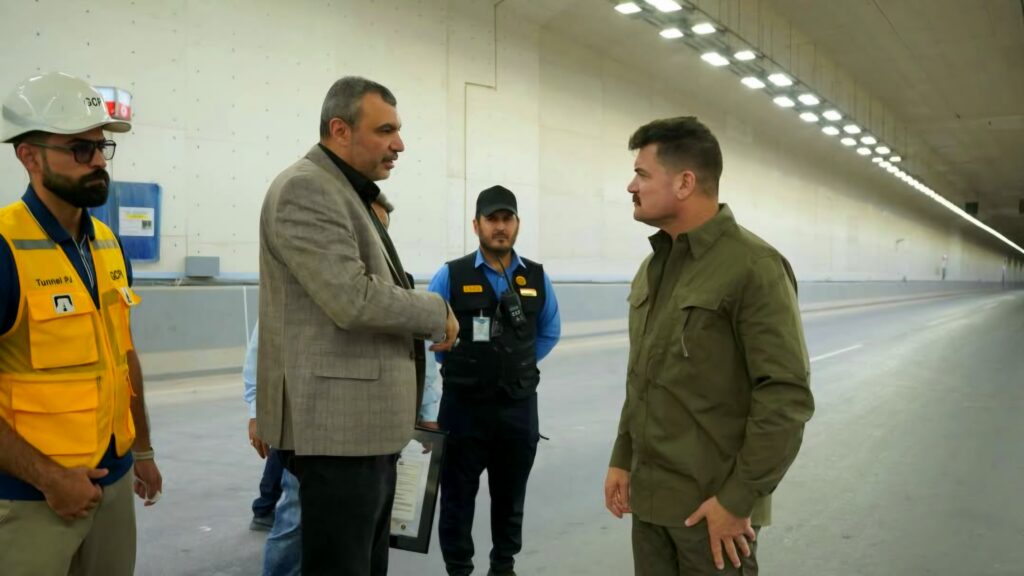
    Separately, Abdullah visited the immersed tunnel project to assess construction progress, implementation stages and completion rates.

    The inspection followed directives from Transport Minister Wahb Al-Hassani calling for continued field monitoring of strategic infrastructure projects and closer oversight of implementation.

    During the visit, engineering and technical teams briefed the director general on the status of construction activities and the technical requirements associated with the remaining works.

    Abdullah stressed the need to maintain construction momentum and accelerate progress while complying with approved engineering specifications and established project schedules.

    The immersed tunnel inspection forms part of GCPI’s monitoring of major infrastructure developments intended to support improvements across Iraq’s transport and port sectors.

    Together, the inspections of Umm Qasr North, Umm Qasr South and the immersed tunnel project highlight the company’s focus on infrastructure development, project delivery and operational performance.

    Through these initiatives, GCPI seeks to improve cargo movement, strengthen port efficiency and support the continued development of Iraq’s maritime transport infrastructure.

    Source: Iraqi Ministry of Transport / General Company for Ports of Iraq
  • Geopolitical Shifts Boost Egypt–Saudi Arabia Trade Through Regional Transport Corridors

    Shipping Arabia, November 10, 2026 – Regional geopolitical developments are driving increased cargo and passenger traffic through transport corridors connecting Egypt with Saudi Arabia and Jordan, according to Egypt’s Minister of Transport, Kamel El-Wazir. The growing reliance on these routes is strengthening maritime and land transport connections between Egypt, Gulf markets and Europe.

    Speaking on the sidelines of the 39th Arab Transport Ministers Council meeting in Alexandria, El-Wazir said regional developments have increased the importance of these corridors as alternative routes for international trade. He highlighted their role in facilitating cargo movements between Egypt and Saudi Arabia while providing additional connections to European markets.

    The minister said the increased use of these transport links has contributed to higher cargo throughput at Egyptian Red Sea ports. Trade volumes have also grown along transport routes connecting Egypt with Saudi Arabia and Jordan.

    Egypt–Saudi Arabia Trade Corridors Strengthen Regional Connectivity

    Egypt’s multimodal transport network allows cargo originating in Europe to enter the country through the Port of Alexandria before moving overland to Egyptian Red Sea ports. From there, shipments continue by sea to Saudi Arabia, providing an alternative route between European and Gulf markets.

    El-Wazir explained that this arrangement supports cargo movements through an integrated network of maritime and land transport services. The system also strengthens connections between Egypt’s Mediterranean and Red Sea ports, enabling cargo to move between the two maritime regions.

    The minister emphasized that regional geopolitical developments have increased demand for these alternative transport corridors. As a result, Egyptian Red Sea ports are handling growing cargo volumes, while transport connections with Saudi Arabia and Jordan are experiencing higher trade activity.

    Egypt’s Ministry of Transport aims to expand maritime connectivity with other Arab countries as part of its broader strategy to strengthen regional trade integration. The ministry also plans to develop additional routes for cargo and passenger transport while improving the efficiency of logistics services.

    Port Development Targets 400 Million Tonnes of Annual Capacity

    Egypt is pursuing an extensive port development program designed to increase maritime handling capacity and strengthen the country’s position in regional and international trade.

    According to the Ministry of Transport, the government’s development strategy targets approximately 400 million tonnes of annual cargo handling capacity across Egyptian ports. It also aims to increase container handling capacity to 40 million twenty-foot equivalent units (TEU).

    The targets include the capacity to accommodate approximately 10 million TEU of transit cargo annually and handle around 30,000 large vessels each year.

    Private-sector participation forms a central part of the government’s approach. New maritime terminals and berths are being assigned to partnerships involving international shipping companies and Egyptian businesses under concession agreements extending up to 30 years.

    The ministry is also continuing investment in maritime infrastructure. According to information previously obtained by Al Mal, Egypt plans to invest approximately EGP 13.2 billion during the current fiscal year to complete ongoing port development projects.

    The investment program prioritizes projects at Alexandria, Damietta and Egyptian Red Sea ports. These developments form part of the government’s broader efforts to expand port capacity and improve maritime transport infrastructure.

    Alongside infrastructure development, the Ministry of Transport plans to introduce additional shipping services connecting Egyptian ports with markets in East and West Africa.

    The ministry is also targeting an Egyptian merchant fleet of 36 vessels by 2030. According to earlier statements by El-Wazir, the planned fleet would have the capacity to transport approximately 25 million tonnes of essential commodities for the domestic market.

    EGP 50 Million Shipping Company Planned for East African Trade

    As part of its maritime connectivity strategy, Egypt is advancing plans to establish a company with capital of approximately EGP 50 million to manage and operate specialized commercial vessels.

    The proposed company will support a new shipping service connecting Egyptian ports with East African markets. Its activities will focus particularly on transporting live animals and Egyptian goods.

    According to information previously reported by Al Mal, the proposed ownership structure allocates 15% of the company to the Holding Company for Maritime and Land Transport and 35% to its subsidiary, Canal Shipping Agencies Company.

    The remaining 50% will be held by private-sector partner Trust for Trade and Transport.

    Sources told Al Mal that the shareholders have already provided the planned capital. A consulting firm has also been appointed to begin incorporation procedures while detailed studies of potential partnerships proceed.

    The studies will identify the markets and ports to be served by the proposed shipping line. They will also determine the appropriate vessel types for the company’s operations, particularly those involving livestock and Egyptian cargo.

    The company is expected to commence operations during the first half of 2027, subject to completion of incorporation procedures and the necessary technical and operational studies.

    Safaga Port to Serve as Initial Gateway for New Shipping Service

    Safaga Port is expected to serve as the initial receiving port for vessels operating under the planned East African shipping service.

    The Ministry of Transport intends to expand the arrangements subsequently to other Egyptian Red Sea ports, extending the geographic reach of the new operation.

    The proposed company will undertake a broader range of maritime and logistics activities beyond vessel operations.

    According to previous statements by El-Wazir, its responsibilities will include managing specialized commercial vessels and providing related shipping services, particularly ship agency operations and customs clearance for imported and exported cargo.

    The company will also provide domestic logistics services, including transportation and storage. In addition, it will coordinate with ports, customs authorities, veterinary services and other regulatory bodies involved in the movement of vessels and cargo.

    These responsibilities are intended to establish an integrated service framework covering vessel handling, cargo movement and associated logistics requirements.

    Through the planned company, the Ministry of Transport aims to strengthen maritime trade between Egypt and East African countries. The initiative is also intended to create additional shipping routes for Egyptian exports while supporting the development of logistics services associated with the new trade connections.

    Together with the expansion of Egypt–Saudi Arabia transport corridors and continuing port infrastructure development, these initiatives form part of Egypt’s strategy to strengthen maritime connectivity with Arab and African markets.

    Source: Al Mal

  • Kuwait Ports Authority Strategic Plan to Be Developed by KPMG to Strengthen Port Competitiveness

    Shipping Arabia, November 9, 2026 – Kuwait Ports Authority (KPA) has appointed KPMG in Kuwait to lead the development of a new strategic plan aimed at strengthening the competitiveness, connectivity and operational performance of the country’s commercial ports. The initiative will establish a development framework to support Kuwait’s position within regional and global shipping networks.

    The appointment was awarded under Tender No. 3/2025/2026, with KPMG serving as the lead strategic consultant. The firm will work alongside Haskoning Nederland B.V. and Dar Gulf Consult for Engineering Consultancy, which will provide specialized engineering consultancy expertise.

    KPMG will integrate the contributions of the three firms into a unified strategic plan. Its responsibilities include leading market, commercial and organizational analyses, developing strategic priorities and overseeing the framework for implementation.

    The assignment also supports Kuwait’s broader economic diversification objectives and its Vision 2035 ambition to become a regional center for trade and logistics.

    Kuwait Ports Authority Strategic Plan to Cover Development and Implementation

    The Kuwait Ports Authority strategic plan will comprise two complementary workstreams covering strategic development, implementation planning and long-term technical support.

    The first workstream will focus on assessing KPA’s current market position and operational performance. This assessment will provide the foundation for identifying strategic options and establishing a roadmap for future development.

    Based on the selected strategic priorities and implementation roadmap, the consulting team will prepare detailed plans covering the authority’s different areas of operation. These plans will incorporate key performance indicators (KPIs), a risk management framework and a structured monitoring mechanism.

    The approach aims to connect strategic objectives with practical implementation requirements and measurable performance outcomes.

    KPMG will coordinate the strategic and analytical components of the assignment while incorporating the engineering expertise of Haskoning Nederland B.V. and Dar Gulf Consult. The combined work will form the basis of the authority’s unified development strategy.

    Dedicated Technical Support Office to Operate for 36 Months

    The second workstream will establish a dedicated Strategic Technical Support Office, which will operate for 36 months under KPMG’s leadership.

    The office will provide ongoing strategic oversight, technical advisory services and integrated project management support to Kuwait Ports Authority.

    Its responsibilities will include supporting the authority as it translates strategic priorities into projects, operational decisions and measurable results.

    Imran Shaik, Associate Partner and Head of Government and Infrastructure Advisory Services at KPMG in Kuwait, emphasized that connecting planning with implementation represents a central element of the assignment.

    He said KPA has clear ambitions for the future of Kuwait’s ports. KPMG will work with Haskoning and Dar Gulf Consult to transform those ambitions into an actionable strategy.

    Shaik also highlighted the importance of the dedicated technical support office, which will work closely with the authority’s teams throughout the implementation process.

    This structure will provide KPA with technical and strategic support beyond the initial planning phase, helping maintain coordination between the strategy and its execution.

    Regional Port Competition and Kuwait’s Position in Global Shipping Networks

    The new strategy will also examine Kuwait Ports Authority’s competitive position within the regional port sector, where competition among Gulf countries continues to intensify.

    Sameer Bhatnagar, Partner and Global Head of Ports at KPMG, highlighted the competitive environment facing ports across the Gulf Cooperation Council (GCC).

    He noted that GCC ports compete extensively in terms of handling capacity, transport network connectivity and service quality. Against this backdrop, he identified an opportunity for Kuwait to strengthen its position within global shipping networks.

    Bhatnagar said KPMG would draw on its experience working with more than 50 global and regional organizations in the maritime sector. The firm intends to apply international best practices while developing a strategy tailored to Kuwait’s specific requirements.

    The competitive assessment will form part of the broader strategic planning process, which seeks to improve the performance and connectivity of Kuwait’s commercial ports.

    By examining market conditions and the authority’s existing capabilities, the assignment will help establish strategic priorities within an increasingly competitive regional maritime environment.

    Supporting Kuwait Vision 2035 and Economic Diversification

    Dr. Rasheed Al Qenae, Managing Partner of KPMG in Kuwait, emphasized the role of Kuwait’s ports in supporting national economic diversification.

    He said the maritime and port sector is central to Kuwait Vision 2035 and the country’s ambition to develop into a regional trade and logistics hub.

    Al Qenae welcomed the confidence placed in KPMG by Kuwait Ports Authority. He described the appointment as a reflection of the firm’s commitment to supporting Kuwait’s public sector and institutions involved in shaping the country’s future.

    The strategy will bring together commercial, organizational and engineering expertise to address the authority’s development priorities.

    In addition, the 36-month technical support arrangement will provide a mechanism for maintaining strategic oversight and project management support as KPA moves from planning toward implementation.

    Through the assignment, Kuwait Ports Authority aims to strengthen the competitiveness, connectivity and performance of its commercial ports while supporting the country’s wider trade and logistics ambitions.

    Source: Al Jarida

    Kuwait Ports Authority strategic plan led by KPMG to enhance the competitiveness, connectivity and operational performance of Kuwait's commercial ports.
  • Nador West Med Operations Begin as Morocco Launches East Container Terminal

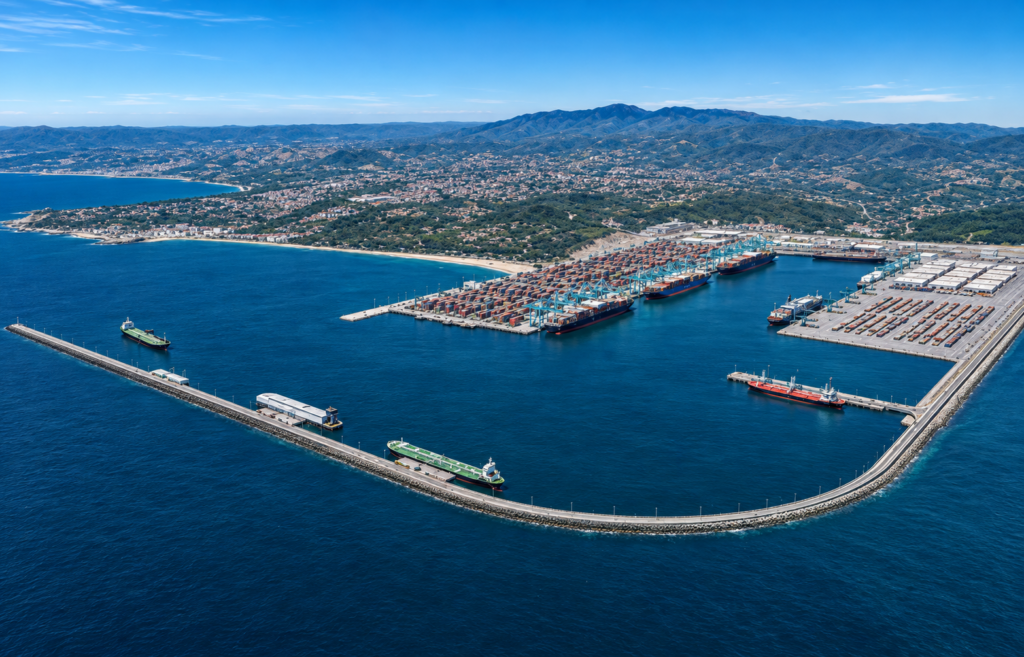
    Shipping Arabia, November 5, 2026 – Morocco has officially launched operations at the East Container Terminal of Nador West Med Port, marking the first operational milestone in bringing the port complex into service. The terminal, operated by Marsa Maroc in partnership with Terminal Investment Limited (TIL), is expected to reach a handling capacity of 3.5 million containers by 2030.

    Crown Prince Moulay El Hassan inaugurated the terminal’s operations under the instructions of King Mohammed VI. During the inauguration, the Crown Prince initiated the first unloading of a container from a commercial vessel, marking the beginning of operational activities at the facility.

    The launch represents a significant step in the development of Nador West Med as a container transshipment hub, supported by investments and partnerships with major international shipping groups.

    East Container Terminal Begins Operations With MAD 5 Billion Investment

    The East Container Terminal features 1,520 linear meters of quay, an 18-meter draft and a land area covering 70 hectares. These facilities form part of the infrastructure developed to support container handling operations at Nador West Med.

    The terminal represents an investment of approximately MAD 5 billion and is designed to reach a handling capacity of 3.5 million containers by 2030.

    Marsa Maroc will operate the facility alongside Terminal Investment Limited, a subsidiary of Mediterranean Shipping Company (MSC).

    The partnership brings together Morocco’s port operator and an international container terminal investment company associated with MSC, one of the world’s leading container shipping groups.

    The start of operations at the East Container Terminal marks the initial phase of the broader Nador West Med port complex becoming operational.

    Marsa Maroc Plans West Container Terminal Operations With CMA CGM in 2027

    Beyond the East Container Terminal, Marsa Maroc confirmed that it will operate all terminals within the Nador West Med port complex, with an investment program valued at MAD 10 billion.

    The company’s development plans include operating the West Container Terminal beginning in 2027 through a partnership with CMA CGM Group, another major international container shipping company.

    The West Container Terminal will represent the next stage in the port’s operational development, following the launch of the eastern facility.

    Marsa Maroc also plans to begin operating a general cargo terminal at Nador West Med in 2029, further expanding the types of cargo handling activities available within the port complex.

    Together, these projects establish a phased operational program extending from the initial container terminal launch through the planned introduction of additional terminal facilities.

    Nador West Med Development Targets Container Transshipment

    The launch of the East Container Terminal represents an important step toward Marsa Maroc’s objective of developing Nador West Med into an efficient transshipment hub.

    The company’s partnerships with Terminal Investment Limited and CMA CGM form part of this strategy, bringing major international container shipping groups into the port’s terminal operations.

    Marsa Maroc stated that its teams remain engaged alongside their partners to support the development of Nador West Med and advance its future operational objectives.

    With the East Container Terminal now entering service, attention will turn to the next stages of the port complex, including the planned West Container Terminal operations in 2027 and general cargo terminal operations in 2029.

    Source: Marsa Maroc

    Nador West Med
  • Iraq’s Al-Wasiliyah Port Opening Nears as Cargo and Passenger Preparations Advance

    Shipping Arabia, November 5, 2026 – Iraq’s Al-Wasiliyah Port, located along the Shatt Al-Arab waterway, is advancing preparations for its opening as the General Company for Ports of Iraq (GCPI) works to complete technical and operational requirements. The port is also seeking the official approvals needed to begin handling cargo and passenger traffic.

    The preparations form part of Iraq’s efforts to develop its port infrastructure and improve the operational capabilities of maritime facilities along the Shatt Al-Arab.

    Technical and Operational Readiness Under Review

    Haitham Kazem, Deputy Director General for Technical Affairs at GCPI, confirmed that the port is continuing efforts to meet the requirements for entering service.

    During a field inspection, Kazem reviewed the port’s available capabilities and assessed its operational requirements. The visit also covered the procedures necessary to prepare the facility for receiving cargo and passengers.

    Kazem explained that the port is currently working to obtain the official approvals required for its opening. These approvals remain part of the preparations before the facility can begin operations.

    The ongoing work focuses on completing the technical and operational requirements needed to bring Al-Wasiliyah Port into service.

    Al-Wasiliyah Port Opening to Support Maritime Transport

    Once operational, Al-Wasiliyah Port is expected to provide an additional maritime facility along the Shatt Al-Arab, supporting the movement of cargo and passengers.

    According to Kazem, the port’s entry into service will help expand maritime transport activities and strengthen cargo and passenger movements in the area. These developments are also expected to support regional economic and maritime activity.

    The port’s planned operations will therefore contribute to the network of maritime facilities serving the Shatt Al-Arab.

    Development Plans for Iraq’s Port Infrastructure

    GCPI indicated that preparations for the Al-Wasiliyah Port opening align with directives from Iraqi Minister of Transport Wahib Al-Hassani.

    The directives focus on strengthening GCPI’s development plans, upgrading port infrastructure and improving the operational efficiency of Iraq’s maritime facilities.

    As preparations continue, the completion of technical and operational requirements and the acquisition of official approvals remain central to bringing Al-Wasiliyah Port into service for cargo and passenger operations.

    Source: Iraqi Ministry of Transport / General Company for Ports of Iraq
  • Port of Beirut Modernization Takes Focus in Meetings With French Delegation and Irish Ambassador

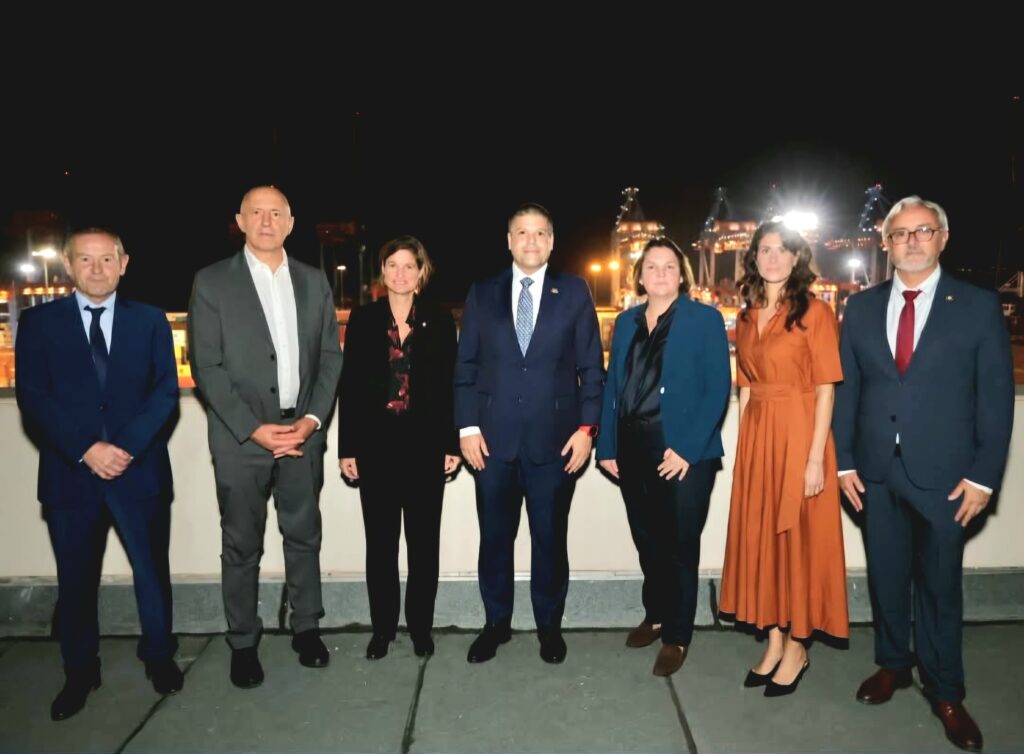
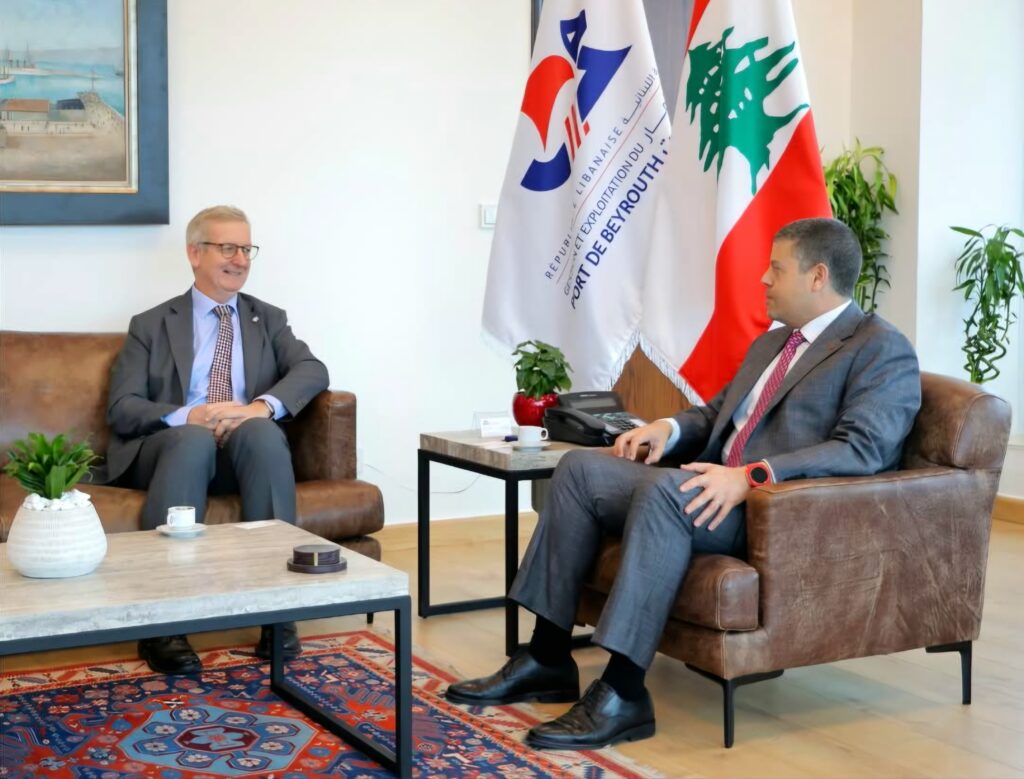
    Shipping Arabia, November 5, 2026 – The Port of Beirut has held separate meetings with a French parliamentary delegation and Ireland’s ambassador to Lebanon, focusing on port modernization, development projects and opportunities for international cooperation. The discussions addressed plans to strengthen the port’s capabilities, improve its services and exchange expertise with European partners.

    Port of Beirut Chairman and General Manager Marwan Naffi received both delegations as part of discussions concerning the port’s current operations and future development priorities.

    The meetings highlighted opportunities for cooperation with France and Ireland, including the exchange of expertise in port development and the relationship between ports and their surrounding urban environments.

    French Parliamentary Delegation Discusses Port Development and Cooperation

    A French parliamentary delegation visited the Port of Beirut and met with Marwan Naffi to review the port’s current situation, its development plans and proposed projects for the coming period.

    The discussions focused on strengthening cooperation with France and exchanging expertise to support modernization and development initiatives at the port.

    Both sides examined opportunities to expand cooperation in line with the projects under consideration. These initiatives aim to enhance the Port of Beirut’s capabilities and support its role in facilitating trade and economic activity.

    The French delegation included Cendrine Foucher-Chazé, Élisabeth de Maistre, Éric Liégeon, Dominique Potier, Éric Martineau and Aurélie Pirillo.

    At the conclusion of the meeting, both sides emphasized the importance of broadening cooperation and benefiting from opportunities available with the French side during the coming period.

    They also highlighted the port’s central role in supporting local and regional trade and economic activity. The discussions linked future cooperation to the development projects being considered for the Port of Beirut.

    Irish Ambassador Invites Port of Beirut Chairman to Dublin Port

    In a separate diplomatic engagement, Ireland’s Ambassador Aidan O’Hara visited the Port of Beirut, accompanied by Ireland’s Honorary Consul General Georges Siam.

    The Irish delegation met with Marwan Naffi to discuss the port’s development and modernization efforts, as well as its role in supporting trade and economic activity in Lebanon and the wider region.

    During the meeting, Ambassador O’Hara invited Naffi to visit Dublin Port and learn about its experience, particularly in integrating port activities with the surrounding city.

    The invitation highlighted Dublin Port’s relationship with the urban environment as an area of potential interest for Beirut.

    Given the Port of Beirut’s location within the capital’s urban landscape, the Dublin experience could provide an opportunity to examine approaches to port-city integration and how port activities interact with the surrounding metropolitan area.

    The proposed visit would allow Naffi to explore Dublin Port’s experience in this field and consider its relevance to Beirut’s circumstances.

    Port Modernization and Future Development Priorities

    During the meeting with the Irish delegation, Naffi outlined the Port of Beirut’s current situation and the projects being pursued by its management to enhance and modernize port services.

    He also discussed the port’s contribution to trade and economic activity in Lebanon and the wider region, alongside the next phase of its development.

    The discussions with both European delegations placed emphasis on modernization, institutional cooperation and the exchange of international experience.

    While the French meeting focused on development projects and opportunities for broader cooperation, the Irish engagement introduced a specific opportunity to examine port-city integration through Dublin Port’s experience.

    Together, the meetings reflected the Port of Beirut’s efforts to explore international cooperation and draw on external expertise as it pursues plans to modernize its services, strengthen its capabilities and support its role in regional trade.

    Source: Port of Beirut

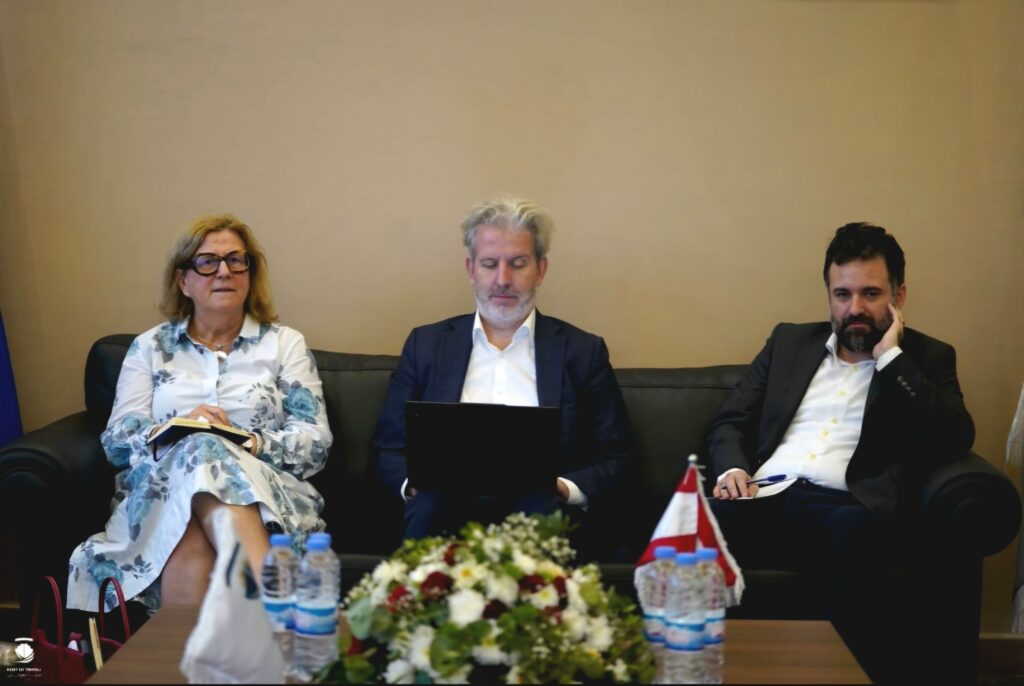
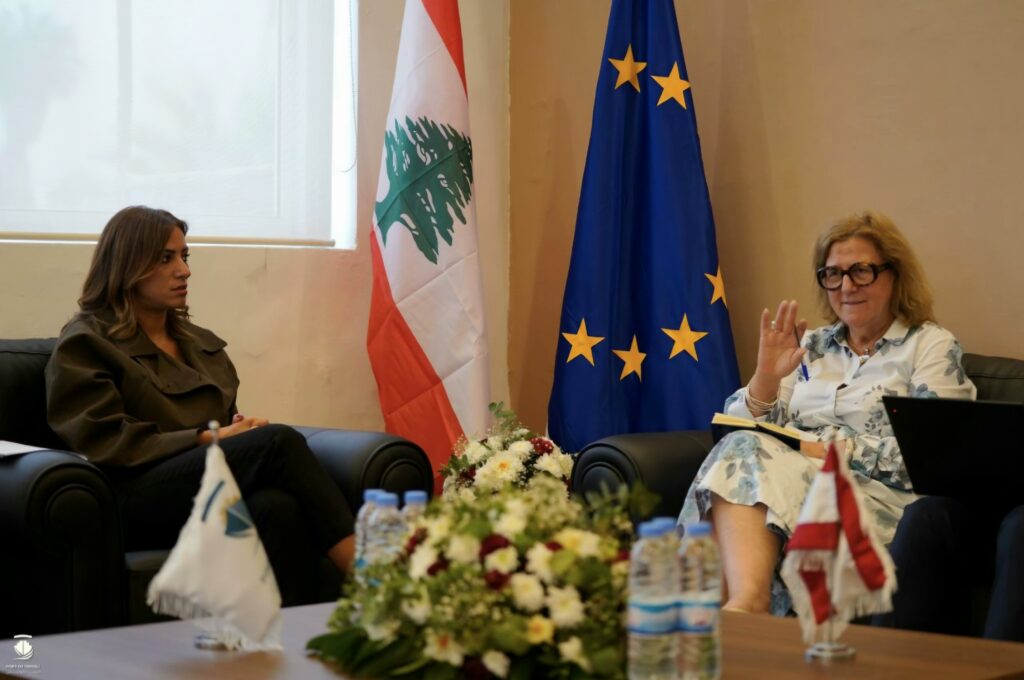
  • Port of Tripoli and EU Discuss Funding, Investment and Strategic Development

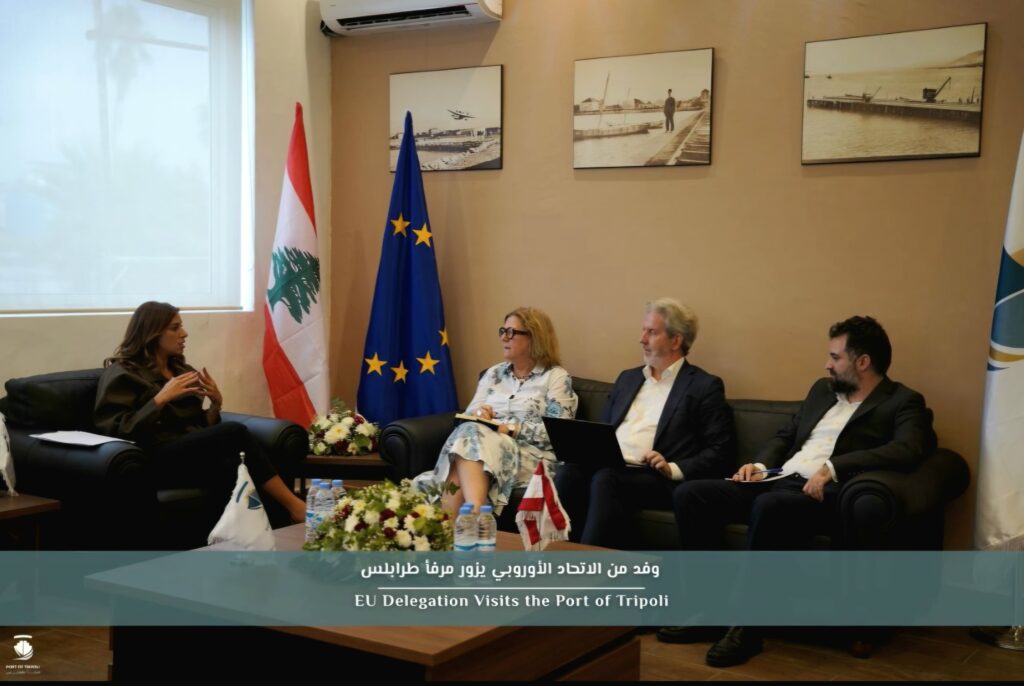
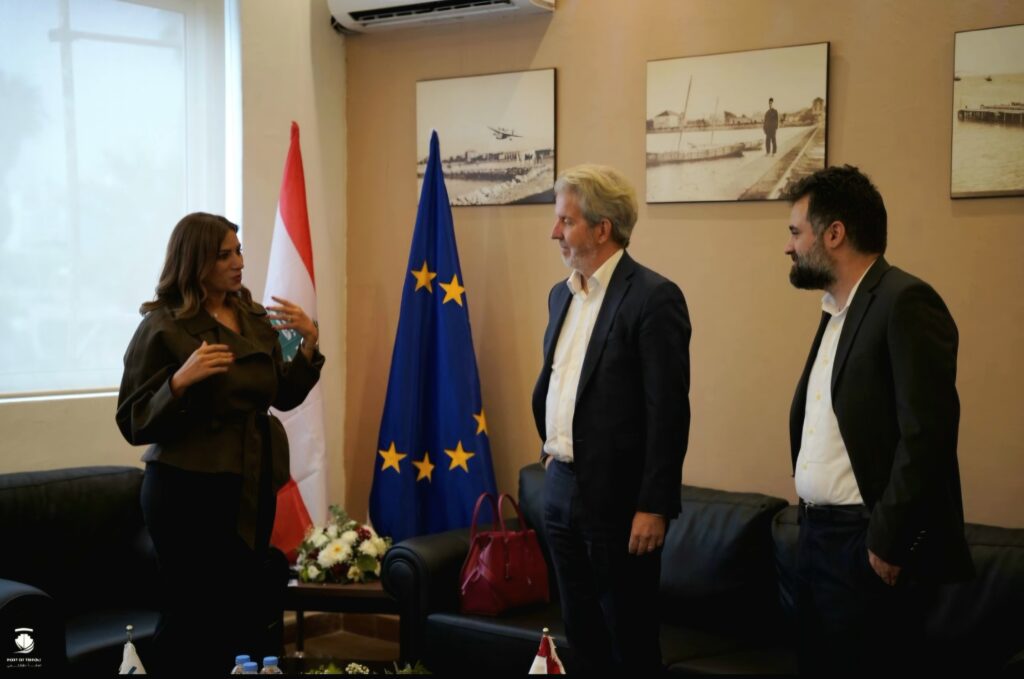
    Shipping Arabia, November 4, 2026 – The Port of Tripoli in Lebanon has held discussions with a European Union delegation on potential funding, investment opportunities and technical cooperation to support its strategic development. The talks focused on advancing the Port of Tripoli development plans, strengthening partnerships with European institutions and attracting international participation in port operations and infrastructure.

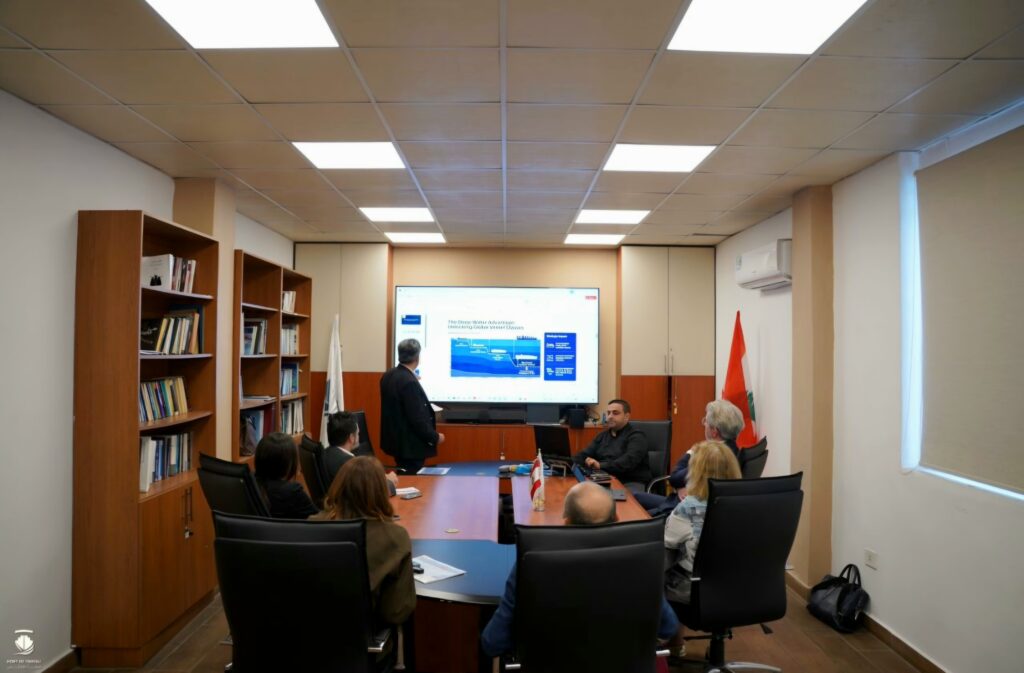
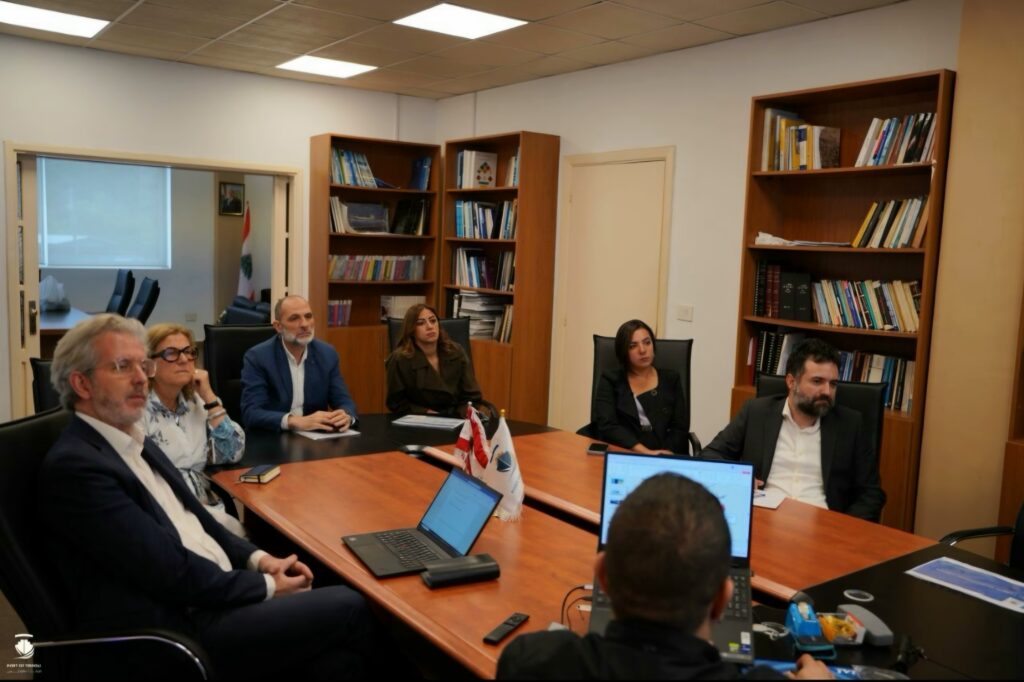
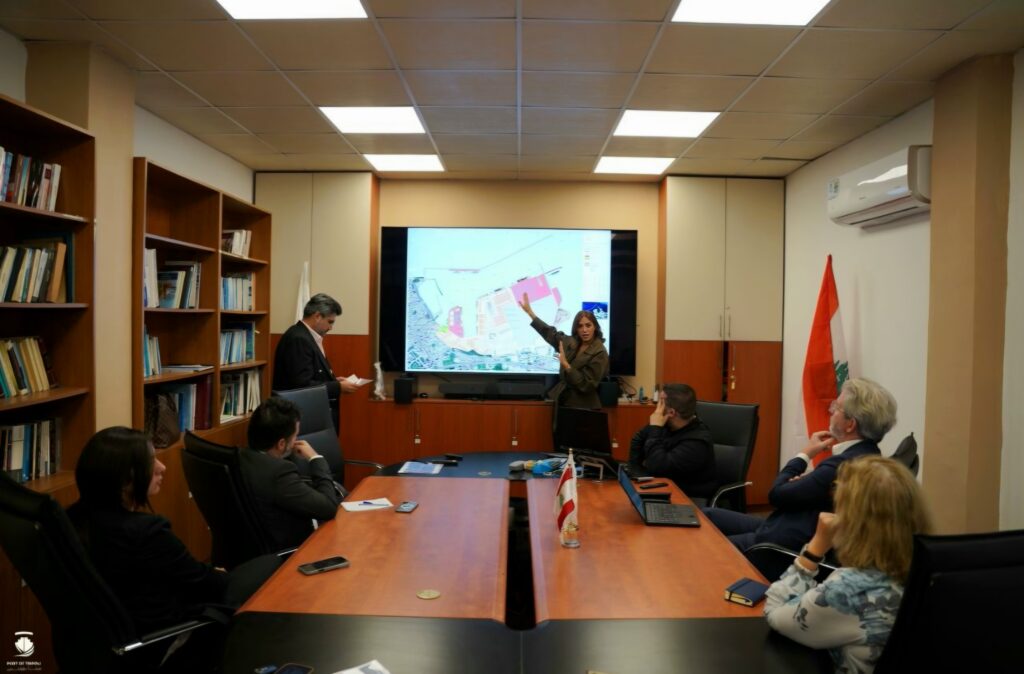
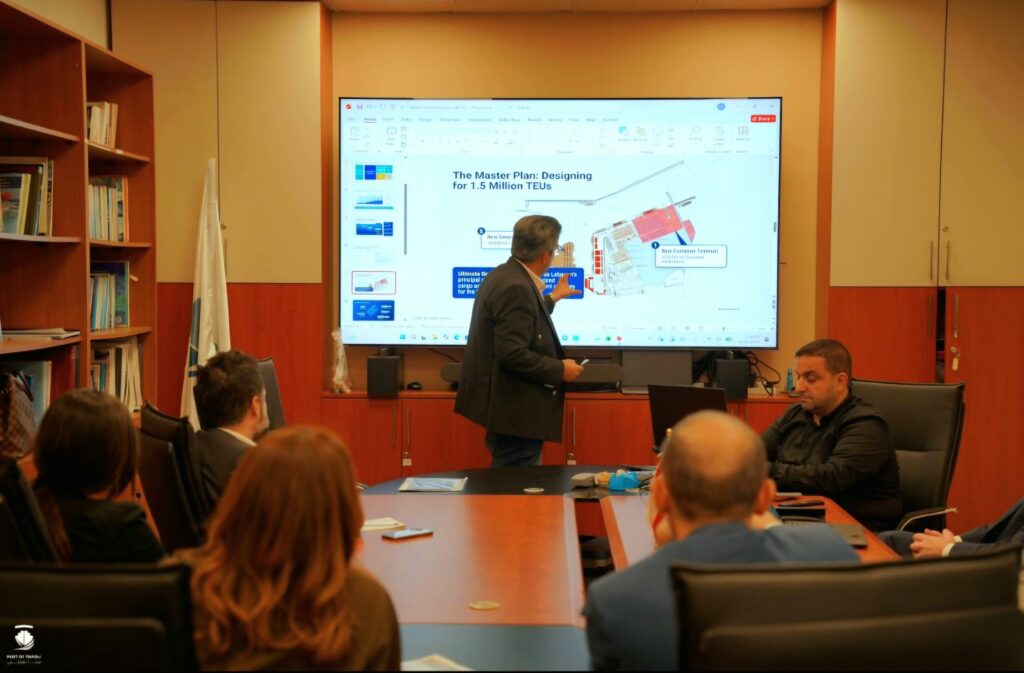
    The EU Delegation to Lebanon visited the port for meetings with its Board of Directors. Discussions covered the port’s development vision, master plan, ongoing projects and opportunities for future technical and financial cooperation.

    EU Funding and Investment Opportunities

    A central focus of the discussions was the Port of Tripoli’s previously submitted proposals for EU funding. Both sides explored opportunities for future financial and technical cooperation to support the port’s development priorities.

    The meetings also addressed ways to attract European companies to participate in the port’s development. Potential areas of engagement included investment, port operations, technical expertise and strategic partnerships.

    Port officials presented the facility’s master plan and outlined its short-, medium- and long-term development priorities. The presentation provided the European delegation with an overview of ongoing projects and the port’s strategic objectives.

    The discussions formed part of efforts to strengthen cooperation with European partners and explore opportunities that could support the port’s infrastructure development and operational capabilities.

    EU Delegation Reviews Port Infrastructure and Operations

    The visiting delegation included Alessandra Viezzer, Head of Cooperation at the EU Delegation to Lebanon, and Cyril Dewaleyne, Deputy Head of Cooperation and Team Leader for Economy, Green Deal and Local Development.

    Other participants included economist Jimmy Alboussi and Vana Minassian.

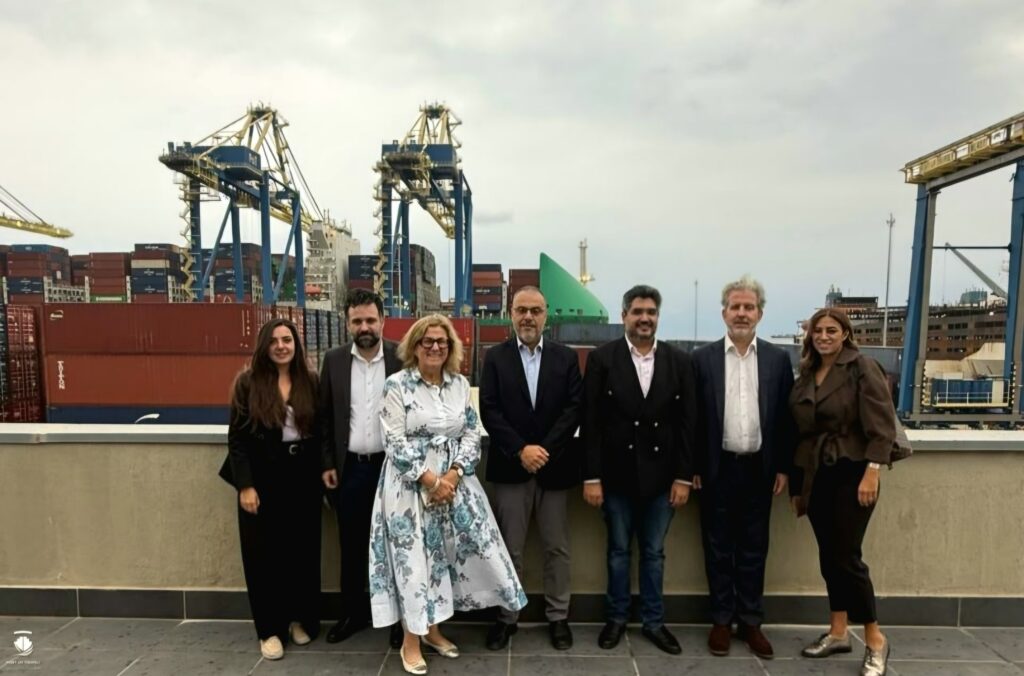
    Following the meetings, the delegation conducted a field tour of the Port of Tripoli’s operational facilities. The visit covered the general cargo and container terminals, providing an opportunity to examine the port’s existing infrastructure and cargo-handling capabilities.

    The delegation also visited the cargo inspection scanner and reviewed CMA CGM’s container terminal operations.

    The tour provided a closer look at the port’s operational environment, existing facilities and potential for future development. It also complemented discussions on opportunities for European companies to contribute through investment, operational participation and technical expertise.

    Strengthening the Port of Tripoli’s Regional Logistics Role

    The Port of Tripoli views stronger cooperation with the European Union as an important element of its long-term development strategy.

    Its stated objective is to position the port as a competitive regional logistics and trade hub, strengthening Lebanon’s connections with European and international markets.

    In this context, potential EU funding and technical cooperation represent areas of interest alongside opportunities to attract European companies into port-related investments and operations.

    The port’s development priorities cover multiple planning horizons, from ongoing projects to medium- and long-term initiatives identified in its master plan.

    The discussions highlighted opportunities to expand cooperation between the Port of Tripoli and European partners through financing, technical assistance and strategic partnerships. These areas remain central to the port’s efforts to advance its development plans and strengthen its role in regional and international trade.

    Source: Port of Tripoli

    Port of Tripoli announcement on EU delegation discussions covering development plans, potential funding and investment opportunities.
  • Iraq’s Ports Company and Daewoo Discuss Accelerating Port Development Projects

    Shipping Arabia, November 4, 2026 – The General Company for Ports of Iraq (GCPI) and South Korea’s Daewoo have discussed accelerating ongoing port development projects and exploring future cooperation. The talks focused on strengthening coordination, advancing project completion and supporting the development of Iraq’s maritime infrastructure.

    GCPI Director General Abdullah Ati Abdullah met with senior Daewoo representatives, including Regional Director Hyungsik Cho and company representative Hyunsuk Jung. The meeting formed part of efforts to strengthen cooperation with international companies involved in developing Iraq’s port sector.

    Accelerating Daewoo Port Projects in Iraq

    The discussions reviewed progress on projects currently being implemented by Daewoo, with particular attention to accelerating their completion according to established plans.

    Both sides emphasized the importance of intensifying efforts and improving coordination to maintain project progress. They also discussed ways to strengthen cooperation during the implementation of ongoing works.

    The meeting followed directives from Iraq’s Minister of Transport, Wahab Al-Hassani, aimed at expanding cooperation with specialized international companies. The directives also emphasize monitoring strategic projects in line with Iraq’s maritime transport development plans.

    Through closer coordination with Daewoo, GCPI is seeking to advance current projects while supporting its broader plans to develop and modernize the country’s port infrastructure.

    Future Cooperation and Port Infrastructure Development

    Beyond existing projects, the meeting explored potential future developments and opportunities to expand cooperation between GCPI and Daewoo.

    Discussions addressed how future projects could contribute to improving Iraqi port infrastructure and strengthening operational capabilities. Both parties also considered opportunities for continued collaboration on projects supporting the country’s maritime transport sector.

    GCPI reaffirmed its commitment to building stronger partnerships with international companies and advancing both ongoing and future projects.

    The discussions reflect the company’s efforts to maintain progress on its current development plans while pursuing further opportunities to modernize Iraq’s ports and enhance their operational capabilities.

    Source: Iraqi Ministry of Transport / General Company for Ports of Iraq
  • Lebanon Advances Beirut and Tripoli Port Expansion After Joining IMEC Ports Club

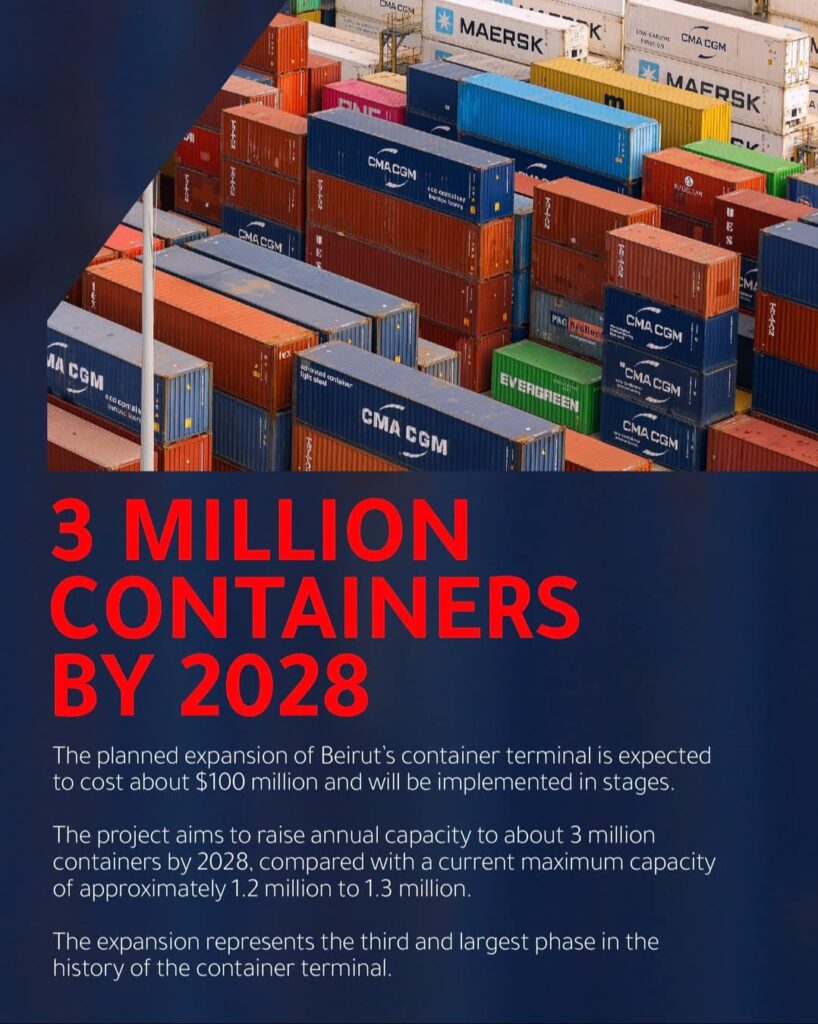
    Shipping Arabia, November 2, 2026 – Lebanon is advancing expansion plans for the Beirut and Tripoli ports following their inclusion in the India-Middle East-Europe Economic Corridor (IMEC) Ports Club. The developments include a $100 million container terminal expansion at Beirut, aimed at raising annual handling capacity to approximately 3 million containers by 2028.

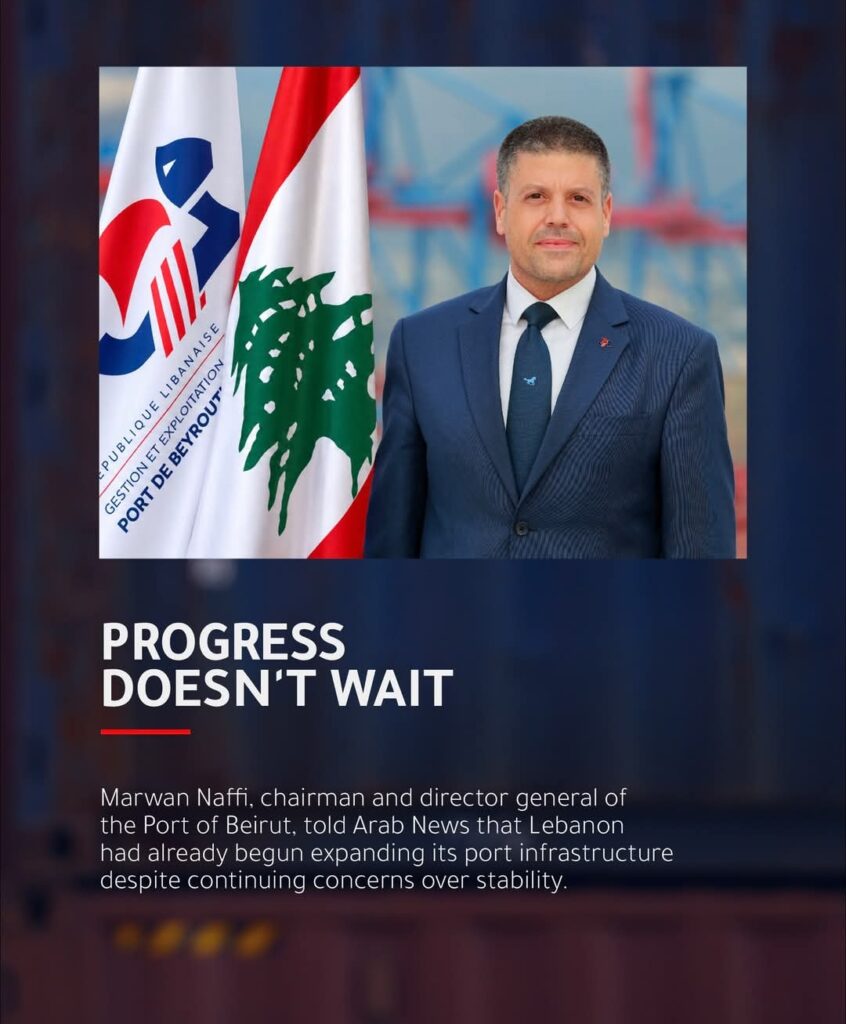
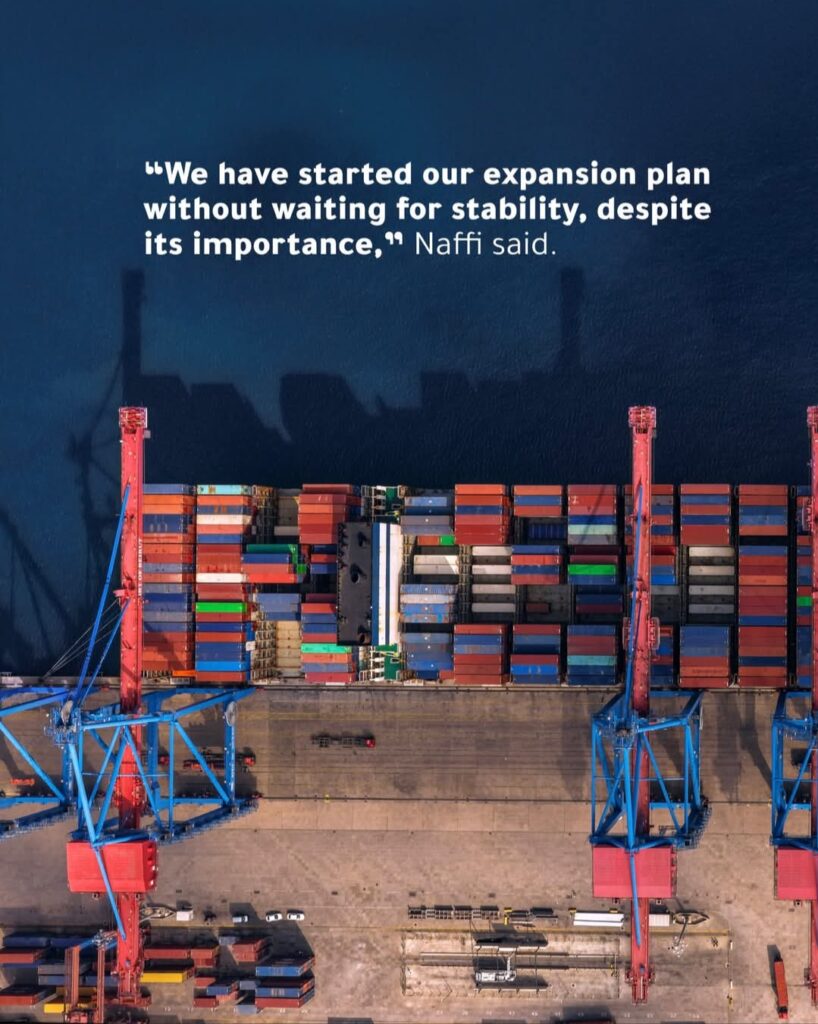
    Marwan Naffi, chairman and director general of the Port of Beirut, confirmed that Lebanon has begun implementing its port development plans despite continuing security and economic uncertainties. He also revealed that the Port of Tripoli had started work on its own development plan.

    The initiatives form part of Lebanon’s efforts to strengthen its position as a regional logistics hub and increase its participation in trade between Asia, the Middle East and Europe.

    Beirut Port Launches $100 Million Container Terminal Expansion

    The Port of Beirut is undertaking a major expansion of its container terminal, with an estimated investment of $100 million. The project aims to increase annual capacity from approximately 1.2 million to 1.3 million containers to around 3 million by 2028.

    French shipping group CMA CGM announced the investment in September 2026. The project includes upgrades to terminal equipment and operational areas, with implementation expected to take approximately 18 months.

    The development represents the third and largest expansion phase in the container terminal’s history. Originally established in 2000, the terminal had an annual capacity of between 500,000 and 700,000 containers. A subsequent expansion in 2013 increased capacity to its current level.

    Beirut is Lebanon’s largest commercial port and a major maritime gateway in the eastern Mediterranean. It maintains connections with approximately 300 ports worldwide and handles an estimated 3,100 vessel calls annually.

    Naffi said the expansion program would continue through 2028. He expects the additional infrastructure to support a significant increase in container traffic and strengthen the port’s competitiveness in regional maritime trade.

    Tripoli Port Development Targets Future Logistics Growth

    The Port of Tripoli, Lebanon’s second-largest port, has also begun implementing its development plan. According to Naffi, work on the initiative started approximately one month before his remarks.

    Tripoli occupies an area of roughly 3 square kilometers and includes a maritime basin covering approximately 320,000 square meters.

    An additional 420,000 square meters of land adjacent to the existing port has been reserved for the development of a container terminal and a future free-trade zone.

    The planned improvements are intended to support Tripoli’s potential role in regional logistics and transit operations as Lebanon seeks greater participation in international trade corridors.

    Lebanese President Joseph Aoun welcomed the inclusion of Beirut and Tripoli in the IMEC Ports Club during a visit to Tripoli. He highlighted the opportunity for Tripoli to develop into a major port and economic hub serving Lebanon and the wider region.

    Beirut and Tripoli Ports Join IMEC Cooperation Network

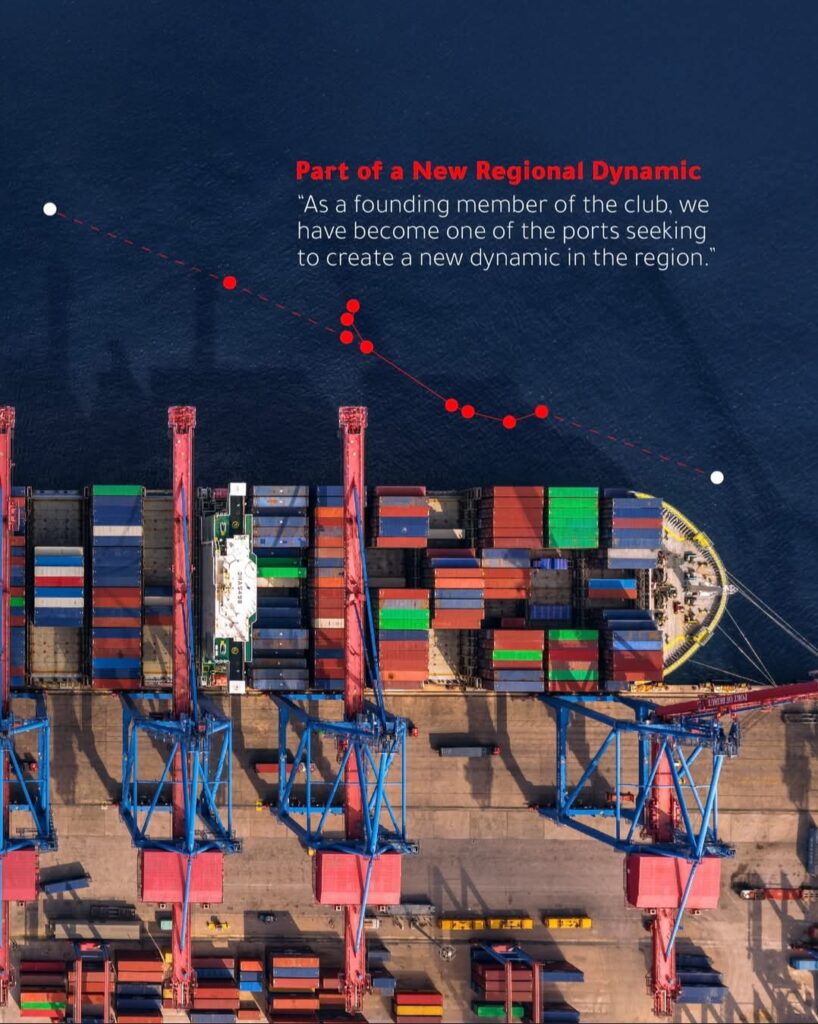
    The development plans follow Lebanon’s participation in the newly established IMEC Ports Club, which seeks to strengthen cooperation among ports associated with the emerging India-Middle East-Europe Economic Corridor.

    Earlier in October, Naffi and Iskandar Bandali, chairman of the Port of Tripoli, signed the joint declaration establishing the Ports Club in New Delhi.

    The declaration creates an open platform for dialogue and cooperation among participating ports. Its objectives include strengthening links between port-related economic and logistics activities, exchanging expertise and developing practical initiatives and pilot projects that could later be expanded.

    Rather than establishing a new institutional structure, the Ports Club focuses on several areas of cooperation, including maritime connectivity, supply chains, trade facilitation, energy, decarbonization, digitalization and data interoperability.

    The broader IMEC initiative was announced during the 2023 G20 Summit in New Delhi through a memorandum of understanding signed by India, Saudi Arabia, the United Arab Emirates, the United States, France, Germany, Italy and the European Union.

    The proposed corridor seeks to integrate maritime and railway networks connecting India with Europe through the Gulf and Middle East. It also includes infrastructure related to energy, communications and supply chains.

    Lebanon was not among the original participants in the corridor. However, its involvement in the Ports Club creates an opportunity for its two principal ports to cooperate with other ports associated with the initiative.

    According to Naffi, the network also includes ports from Cyprus, Oman and Greece, alongside those associated with the original participating countries.

    Diplomatic Cooperation Supports Lebanon’s Port Ambitions

    Lebanon’s participation in the Ports Club followed diplomatic and commercial discussions aimed at integrating Beirut and Tripoli into the emerging trade network.

    French President Emmanuel Macron previously dispatched his special envoy, Gerard Mestrallet, to Beirut. During the visit, Mestrallet discussed potential participation by the Lebanese ports with President Aoun and Prime Minister Nawaf Salam.

    These discussions coincided with the renewal of a memorandum of understanding between the ports of Beirut and Marseille-Fos in July 2026.

    The original agreement, signed in 2022 for a three-year period, established a framework for cooperation between the two ports. Its renewal helped support Lebanon’s subsequent participation in the IMEC Ports Club declaration.

    Lebanese authorities are also considering the eventual reactivation of the country’s railway network as part of broader efforts to develop transport connectivity and facilitate transit and re-export trade.

    Naffi expects participation in the initiative to generate additional cargo movements through Lebanese ports and potentially increase government revenues. He also identified opportunities for economic activity in transportation, storage and distribution.

    Lebanon Seeks Stronger Position in Eastern Mediterranean Trade

    Lebanon’s port modernization plans are being pursued amid growing competition among eastern Mediterranean ports for regional and international cargo flows.

    Naffi highlighted Beirut’s existing handling capacity and harbor depth as competitive advantages. He acknowledged that competition with Israeli ports is natural, emphasizing the importance of infrastructure specifications and service quality in attracting maritime business.

    Lebanon is also seeking to position its ports as complementary facilities within wider regional logistics networks rather than relying exclusively on competition with neighboring ports.

    The expansion of Beirut’s container terminal, development of Tripoli’s infrastructure and participation in the IMEC Ports Club are central elements of that strategy.

    However, Lebanon continues to face political, security and economic uncertainties as it pursues these initiatives.

    For Lebanese officials, strengthening port infrastructure and international connectivity offers a potential route toward expanding the country’s role in transit, logistics and re-export activities linking Asia, the Middle East and Europe.

    Source: Arab News

  • Mogadishu Port Authority Outlines New Port Development Plans to Boost Regional Trade

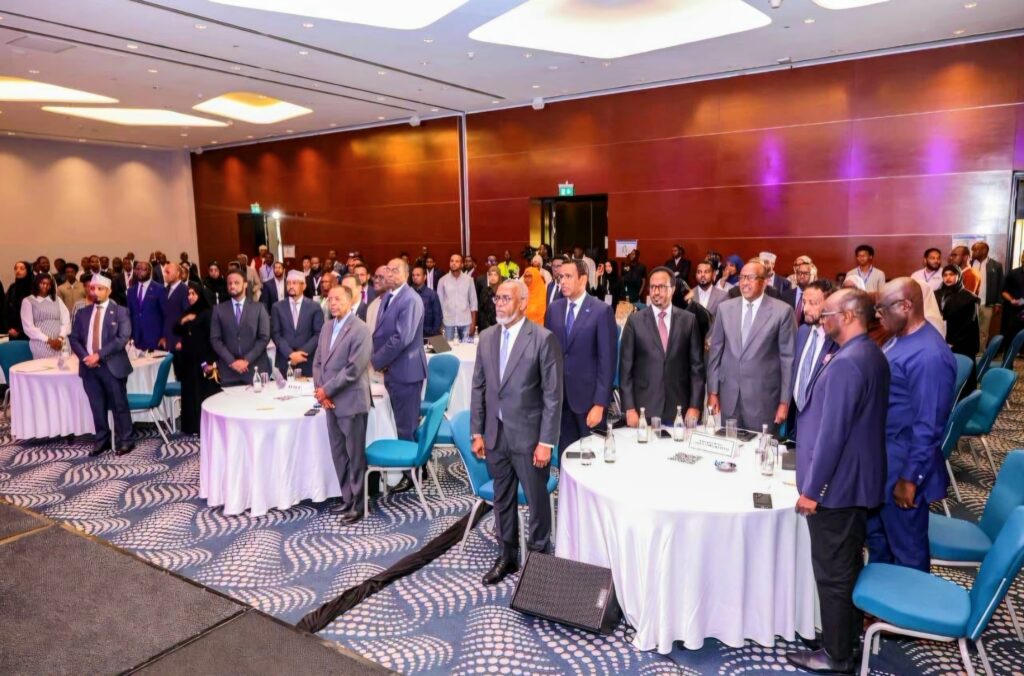
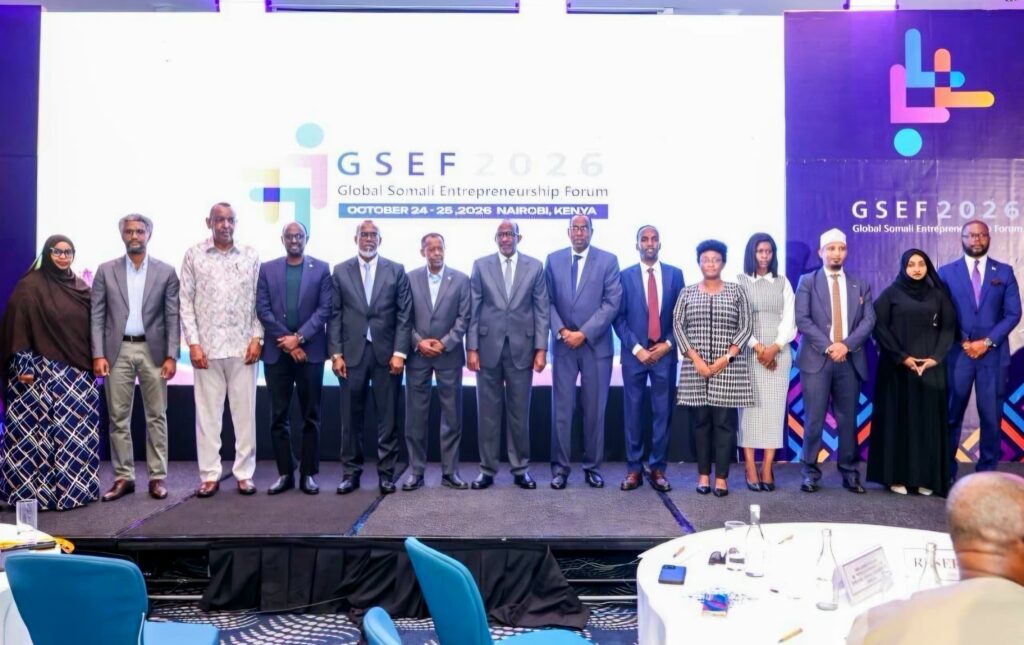
    Shipping Arabia, October 29, 2026 – The Mogadishu Port Authority has outlined plans to develop a new port in Mogadishu, Somalia, aimed at boosting trade, strengthening regional connectivity and supporting the country’s economic growth.

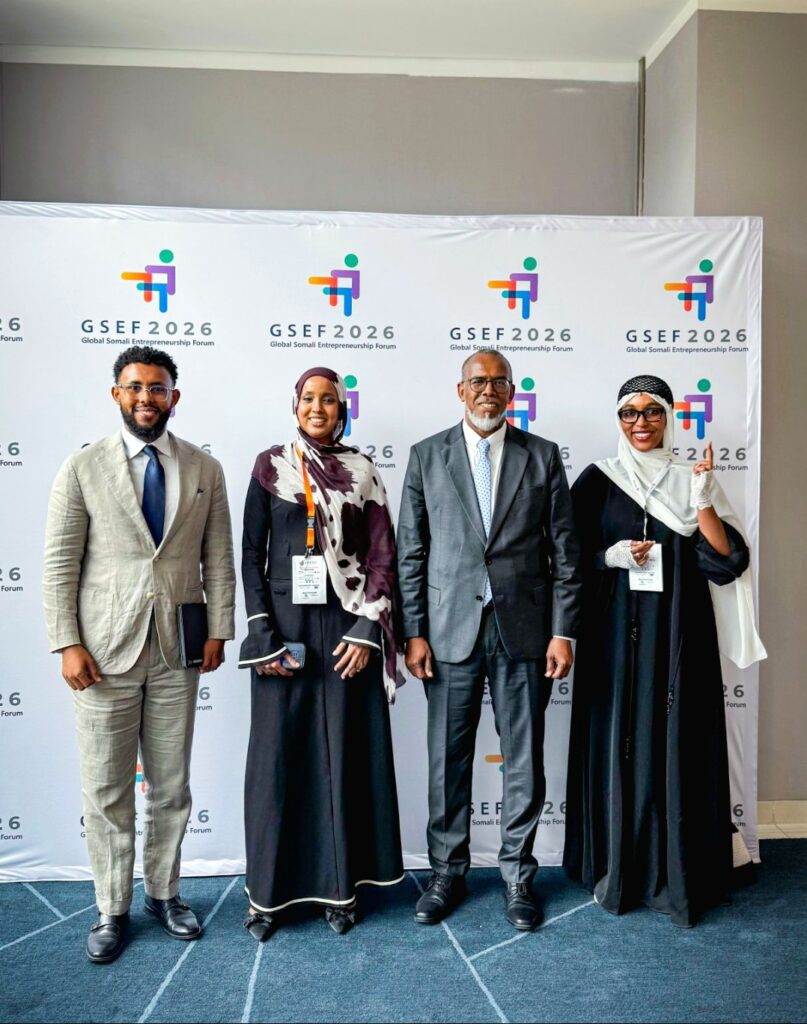
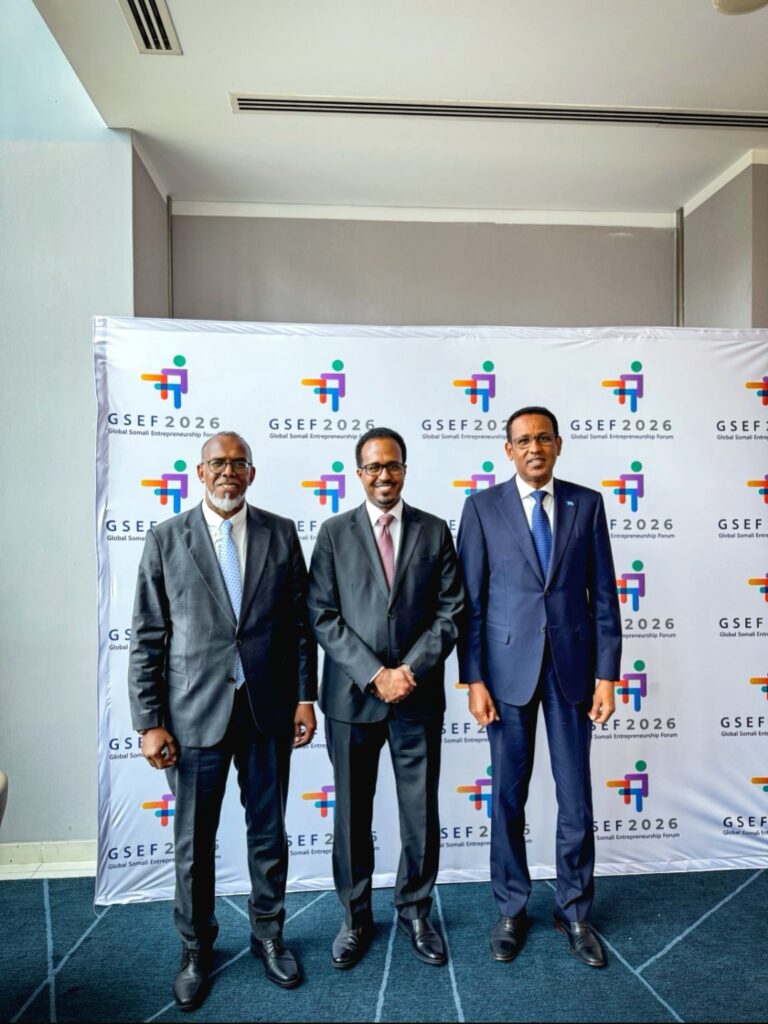
    The proposed development was highlighted by Mogadishu Port Authority General Manager Ambassador Mohamed Ali Nur during the Global Somali Entrepreneurship Forum 2026. He presented the new port in Mogadishu as an important initiative for expanding trade opportunities and strengthening the country’s economic connections with regional markets.

    New Port in Mogadishu to Support Regional Connectivity

    Speaking at the forum, Nur emphasized the potential role of the proposed port in facilitating trade and improving Somalia’s connectivity with neighboring economies. He identified the development as an important component of efforts to accelerate economic growth and strengthen the country’s position in regional trade.

    The general manager also highlighted the trade and investment opportunities arising from Somalia’s membership in the East African Community (EAC). He pointed to the regional economic opportunities associated with the country’s participation in the bloc, emphasizing their importance for businesses and investors.

    The discussions connected the proposed port development with Somalia’s broader ambitions to expand commercial activity and strengthen its participation in regional trade.

    Encouraging Private Investment and Economic Cooperation

    Beyond port infrastructure, Nur called for greater private sector involvement in Somalia’s economic development. Addressing entrepreneurs and investors, he stressed the importance of actively pursuing available business opportunities rather than waiting for the government to independently establish all the services required to support commercial activities.

    He encouraged businesses to invest in existing opportunities and work alongside government institutions to develop the country’s economy. His remarks emphasized cooperation between the public and private sectors as a means of supporting investment and expanding commercial activity.

    The Mogadishu Port Authority also reaffirmed its commitment to strengthening trade and attracting investment. The authority identified the development of Somalia as an important regional trading hub as a central objective of its efforts.

    The proposed new port in Mogadishu forms part of the development priorities highlighted by the authority, alongside greater investment participation and stronger regional economic connections.

    Source: Mogadishu Port Authority

Back to top button