Port Equipment

  • Port of Radès to Receive Three New Konecranes Gottwald Harbour Cranes by December 2026

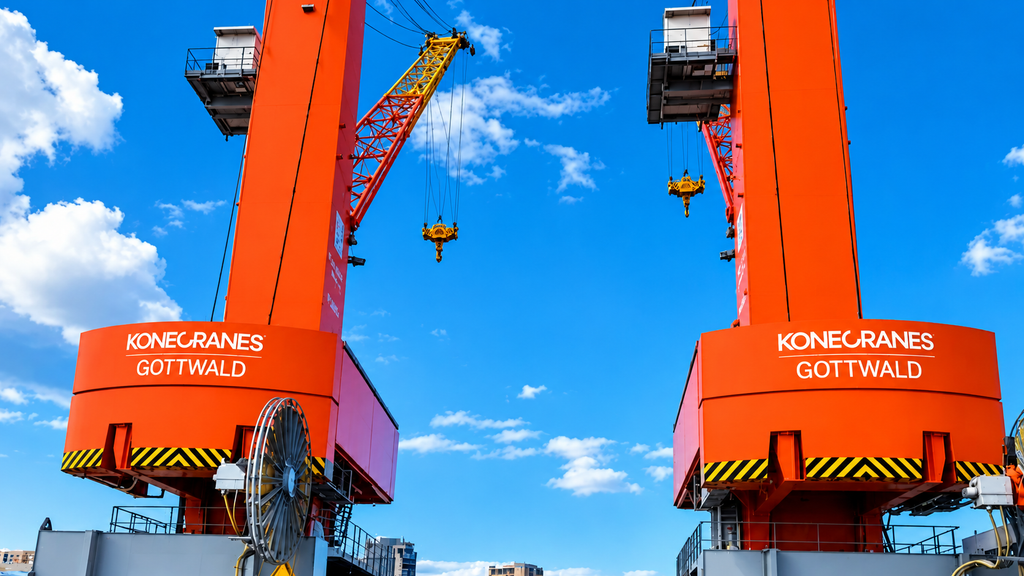
    Shipping Arabia, October 15, 2026 – Tunisia’s Port of Radès is preparing to receive three new Konecranes Gottwald harbour cranes between late November and early December 2026, as part of an equipment modernization program aimed at improving cargo-handling efficiency and reducing vessel turnaround times.

    The cranes have completed preparations at the Port of Antwerp in Belgium and are awaiting delivery to Tunisia. They will join the equipment fleet of Société Tunisienne d’Acconage et de Manutention (STAM), the Tunisian Stevedoring and Handling Company, which operates the container terminal at Radès.

    According to the company, the investment aims to strengthen cargo-handling capabilities at Tunisian ports, improve container loading and unloading operations, and support the competitiveness of Tunisia’s foreign trade.

    New Harbour Cranes to Improve Port of Radès Operations

    The three Konecranes Gottwald harbour cranes are expected to improve cargo-handling productivity at the Port of Radès, one of Tunisia’s principal gateways for containerized trade.

    STAM plans to use the additional equipment to improve the efficiency of container loading and unloading operations. The company also expects the cranes to help reduce vessel waiting times and the duration of port calls.

    Furthermore, the equipment upgrade aims to lower logistics costs and improve the competitiveness of Tunisia’s international trade by making port operations more efficient.

    The delivery forms part of STAM’s broader efforts to modernize port-handling equipment and develop operational capabilities across the Tunisian maritime sector.

    STAM Handles Approximately 69% of Tunisia’s Port Cargo

    STAM provides stevedoring and cargo-handling services at several commercial seaports across Tunisia. The company also manages and operates the container terminal at the Port of Radès.

    According to information published through Tunisia’s transport sector open-data platform, STAM handles approximately 69% of the total cargo volumes moving through the country’s commercial seaports.

    Its extensive role in national port operations highlights the importance of equipment modernization in supporting cargo flows through Tunisia’s maritime gateways.

    The addition of three harbour cranes at Radès is intended to strengthen the company’s cargo-handling capabilities and improve operational performance at the container terminal.

    Tunisian Port Traffic Grows 7.28% in First Half of 2026

    The planned crane delivery comes amid increasing cargo volumes across Tunisia’s commercial ports.

    According to figures published by Tunisia’s Office of Merchant Marine and Ports (OMMP), the country’s commercial seaports handled approximately 14.8 million tons of cargo during the first half of 2026, representing growth of 7.28% compared with the corresponding period in 2025.

    Container traffic also recorded growth, reaching 280,691 containers, an increase of 9.87% year over year.

    Meanwhile, general cargo volumes rose by 13.95%, while rolling cargo traffic increased by 7.55% during the same six-month period.

    These figures indicate growth across several segments of Tunisia’s maritime cargo-handling activities, including containerized, general and rolling cargo.

    Against this backdrop, the arrival of the three Konecranes Gottwald cranes is expected to support further improvements in cargo-handling productivity at Radès.

    By strengthening container-handling capabilities and targeting shorter vessel waiting and port stays, STAM aims to enhance the port’s operational performance and support Tunisia’s foreign trade activities.

    Source: Mosaique FM
  • Trans Misr Terminal Begins Trial Operations of Two New Mobile Harbour Cranes at Alexandria Port

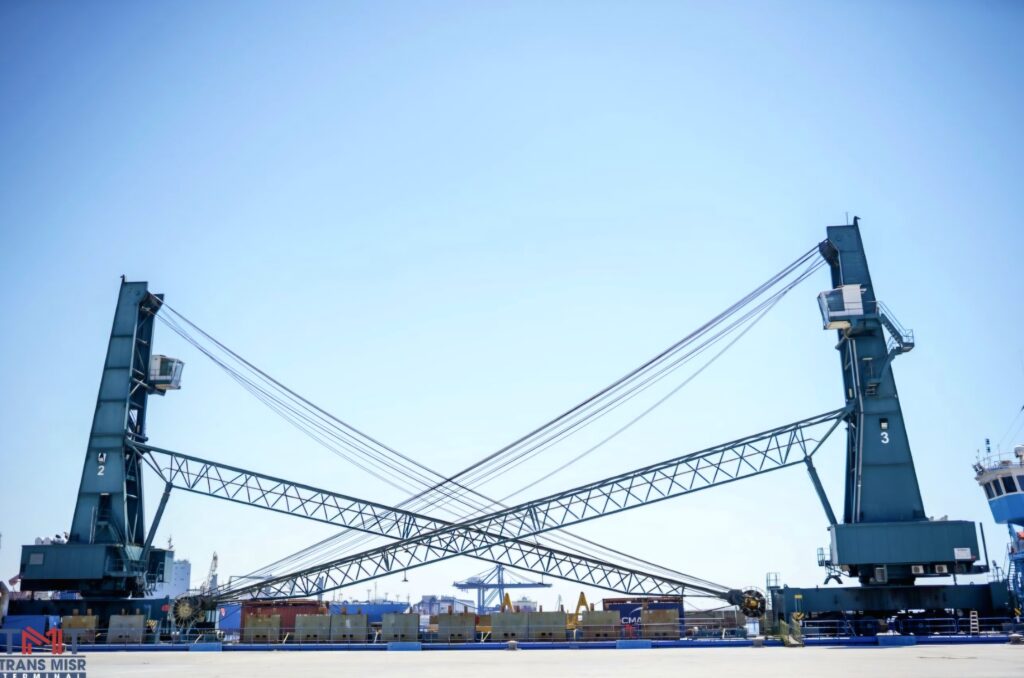
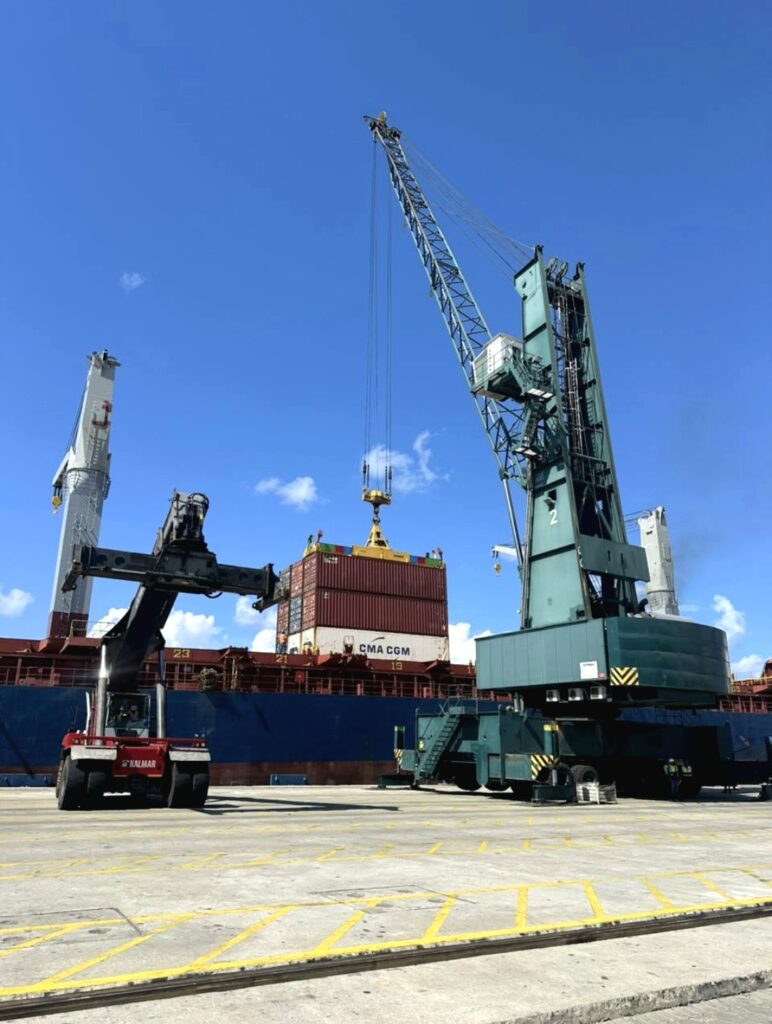
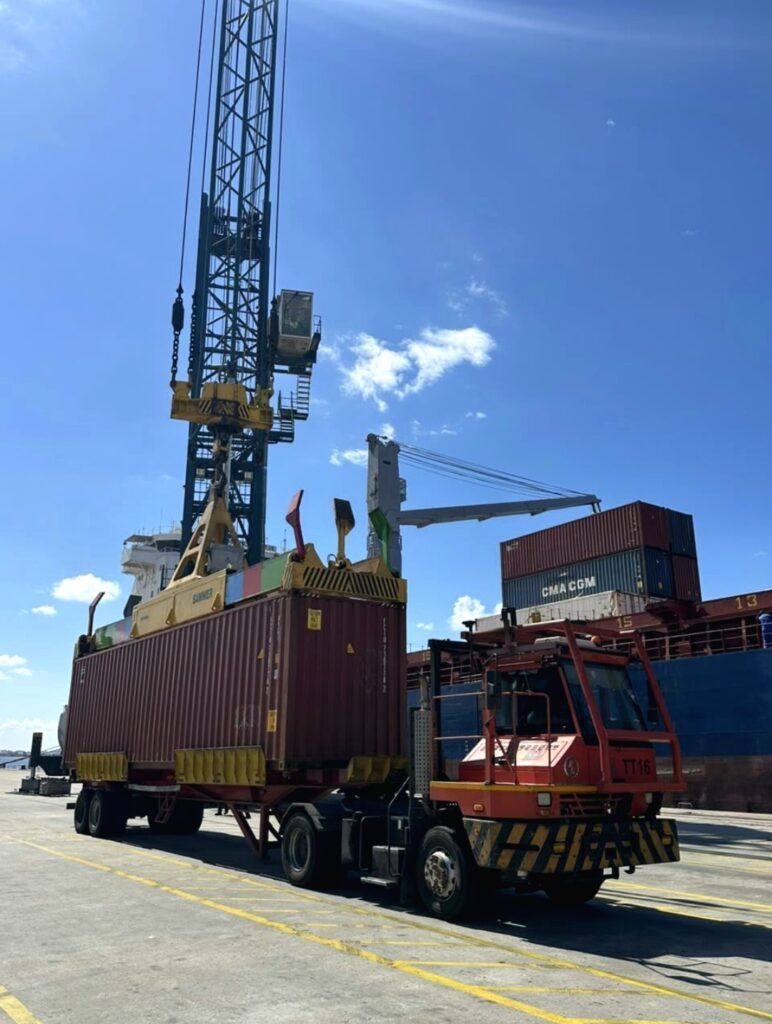
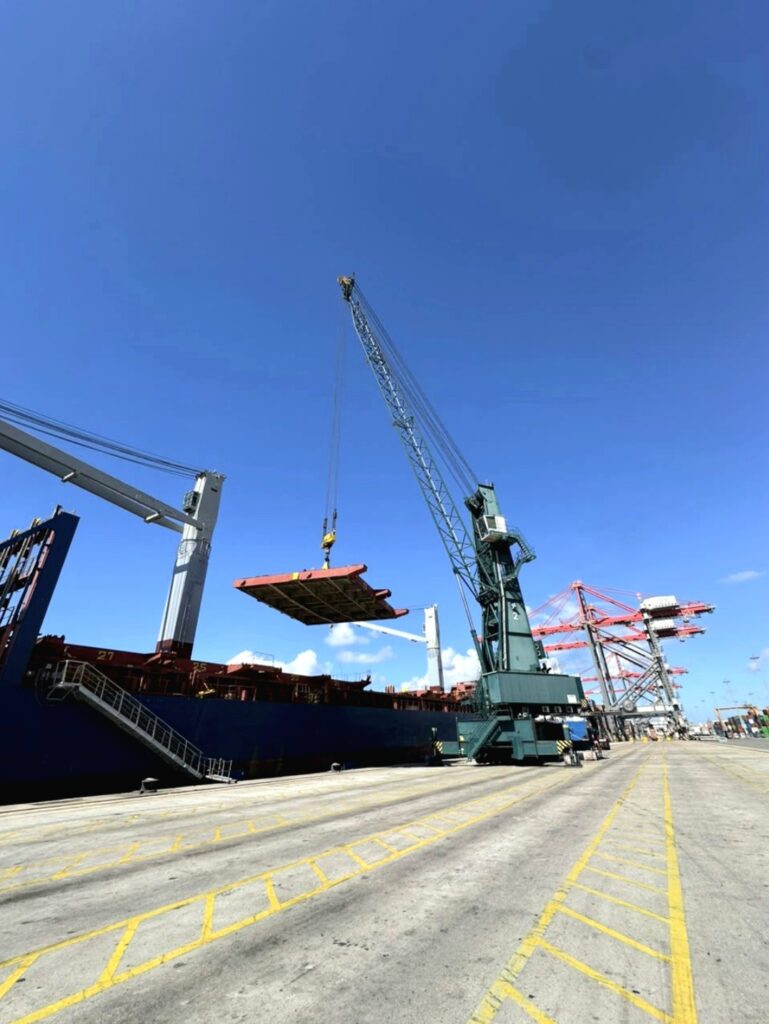
    Shipping Arabia, October 15, 2026 – Trans Misr Terminal (TMT) has commenced trial operations of two new mobile harbour cranes at Alexandria Port, Egypt. The additions bring the terminal’s quayside equipment fleet to four ship-to-shore (STS) cranes and two mobile harbour cranes (MHCs).

    The new equipment marks another milestone in TMT’s ongoing capacity expansion. It aims to strengthen cargo-handling capabilities, improve operational flexibility and support growing container volumes at the terminal.

    According to TMT, container traffic has increased rapidly since the terminal began commercial operations. This growth reflects rising customer demand and the terminal’s expanding role in the Egyptian and regional container shipping markets.

    New Cranes to Improve Vessel Turnaround and Handling Capacity

    The two mobile harbour cranes at Alexandria Port have been introduced to support TMT’s growing container operations. They form part of the terminal’s ongoing investment and development strategy, which focuses on expanding capacity and improving operational performance.

    TMT expects the additional cranes to improve vessel turnaround times for ships calling at the terminal. The equipment will also provide greater operational flexibility and strengthen the terminal’s overall cargo-handling capabilities.

    With four STS cranes and two MHCs now forming its quayside crane fleet, TMT is expanding the equipment available to support its operations. The newly added mobile harbour cranes have entered the trial phase as the terminal continues developing its operational capacity.

    The investment also supports TMT’s plans to strengthen its position as both a gateway and transshipment terminal serving Egypt and the Mediterranean region.

    Strengthening Alexandria Port’s Gateway and Transshipment Role

    Located at Alexandria Port, Egypt’s main gateway port, Trans Misr Terminal serves an important role in the country’s container shipping sector.

    The terminal handles container traffic associated with Egyptian trade while also serving as a transshipment hub in the Eastern Mediterranean. Its gateway and transshipment functions support its growing position in the Egyptian and regional container markets.

    According to the company, increasing container volumes and customer demand have driven the need for additional handling equipment. The two new mobile harbour cranes represent part of its response to that growth.

    Beyond the latest crane additions, TMT continues to invest in equipment, infrastructure and operational capabilities. These investments aim to accommodate increasing customer demand and support regional trade through Alexandria Port.

    The commencement of trial operations represents another step in the terminal’s capacity development program, with the new equipment expected to contribute to faster vessel handling, greater operational flexibility and continued growth in gateway and transshipment activities.

    Source: Trans Misr Terminal (TMT)

  • Latakia Port Infrastructure Upgrades Target Cargo Handling Efficiency and Faster Clearance

    Shipping Arabia, October 9, 2026 – Syria is advancing Latakia Port infrastructure upgrades and operational improvements aimed at strengthening cargo-handling capabilities, accelerating cargo movements and simplifying administrative procedures. The ongoing rehabilitation program includes new port equipment, improvements to operational facilities and measures to facilitate trade-related transactions.

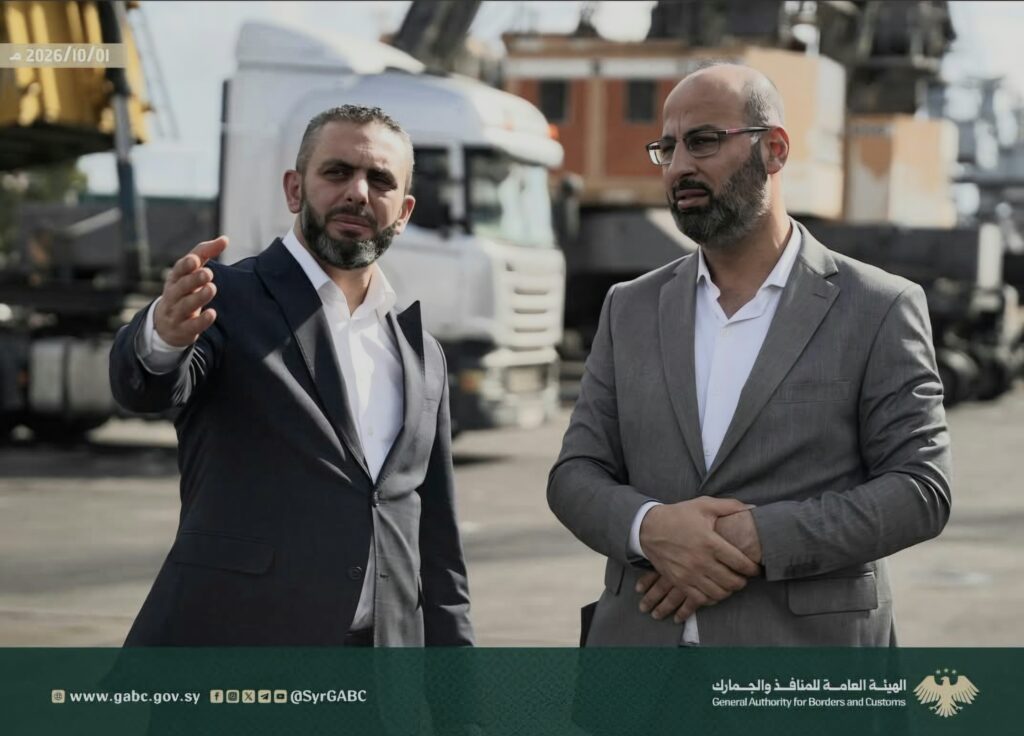
    Tamim Sawaghi, Deputy Head of the General Authority for Borders and Customs for Port Affairs, conducted an inspection visit to Latakia Port to review ongoing development projects and assess operational performance.

    The visit focused on infrastructure rehabilitation, cargo movement efficiency and procedures designed to improve services for traders and transport operators. Officials also reviewed measures to facilitate cargo reception, unloading and transportation within the port.

    Latakia Port Infrastructure Upgrades and Cargo-Handling Equipment

    During the inspection, Latakia Port Director Abdul Hamid Al-Wahb briefed Sawaghi on the rehabilitation and equipment modernization activities currently underway.

    The projects include upgrading port infrastructure and introducing new machinery to support cargo-handling operations. These improvements aim to strengthen the port’s operational capacity and increase the efficiency of cargo reception, unloading and transportation.

    The addition of handling equipment forms part of efforts to improve service quality and facilitate cargo movements through the port. The rehabilitation work also addresses the operational requirements of port facilities and cargo-handling areas.

    Officials reviewed the organization of cargo yards and other port facilities during the visit. This assessment focused on maintaining orderly operations and improving the movement of goods through different sections of the port.

    The General Authority for Borders and Customs is overseeing these improvements as part of its efforts to develop the performance of Syria’s maritime ports.

    One-Stop Service System Aims to Accelerate Port Procedures

    Administrative efficiency represents another important component of the operational improvements at Latakia Port.

    During the inspection, Sawaghi reviewed the port’s one-stop service system and its role in simplifying procedures for traders and transport operators.

    The system aims to improve coordination between the departments responsible for processing port-related transactions. By bringing together relevant administrative services, the initiative seeks to reduce processing times and facilitate the completion of required procedures.

    Greater coordination between port departments is also intended to improve the flow of transactions associated with cargo movements. These measures complement the infrastructure and equipment improvements currently underway.

    The inspection therefore addressed both the physical handling of cargo and the administrative processes that support commercial operations.

    Strengthening Syria’s Maritime Port Operations

    The inspection visit forms part of the General Authority for Borders and Customs’ ongoing field supervision of maritime port operations and rehabilitation activities.

    Through these visits, the authority aims to monitor progress, assess operational requirements and support improvements in the quality of port services.

    At Latakia Port, the current development efforts focus on improving cargo-handling efficiency, organizing operational areas and reducing administrative processing times.

    Together, these measures are intended to strengthen the port’s ability to accommodate cargo movements and provide more efficient services to shipping-related businesses, traders and transport operators.

    The authority emphasized that developing maritime port performance and improving service quality remain important objectives in supporting trade activity and meeting the needs of Syria’s economic sectors.

    Source: General Authority for Borders and Customs – Syria

    Latakia Port in Syria, where infrastructure upgrades and cargo-handling improvements are underway.
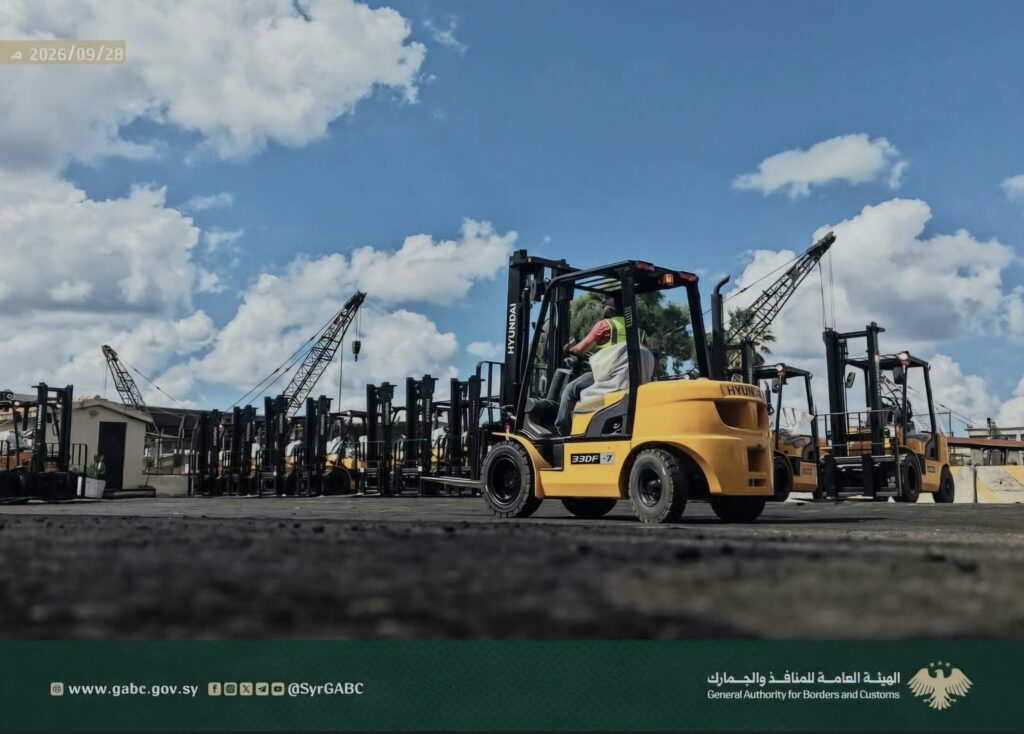
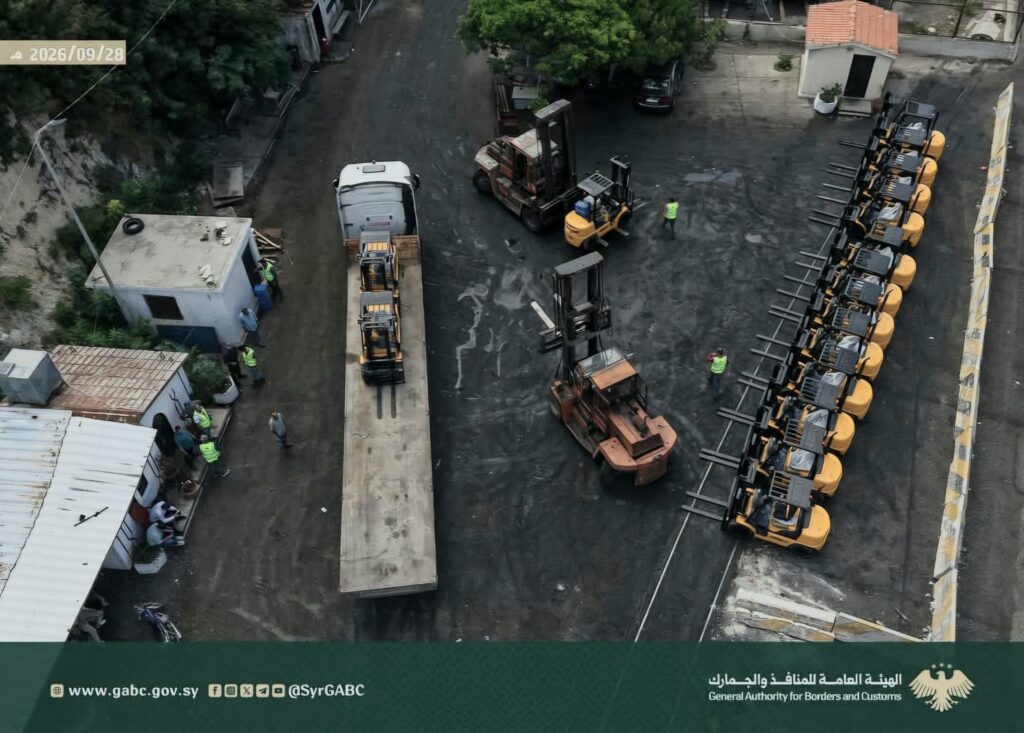
  • Latakia Port Adds 16 New Forklifts to Strengthen Cargo Operations

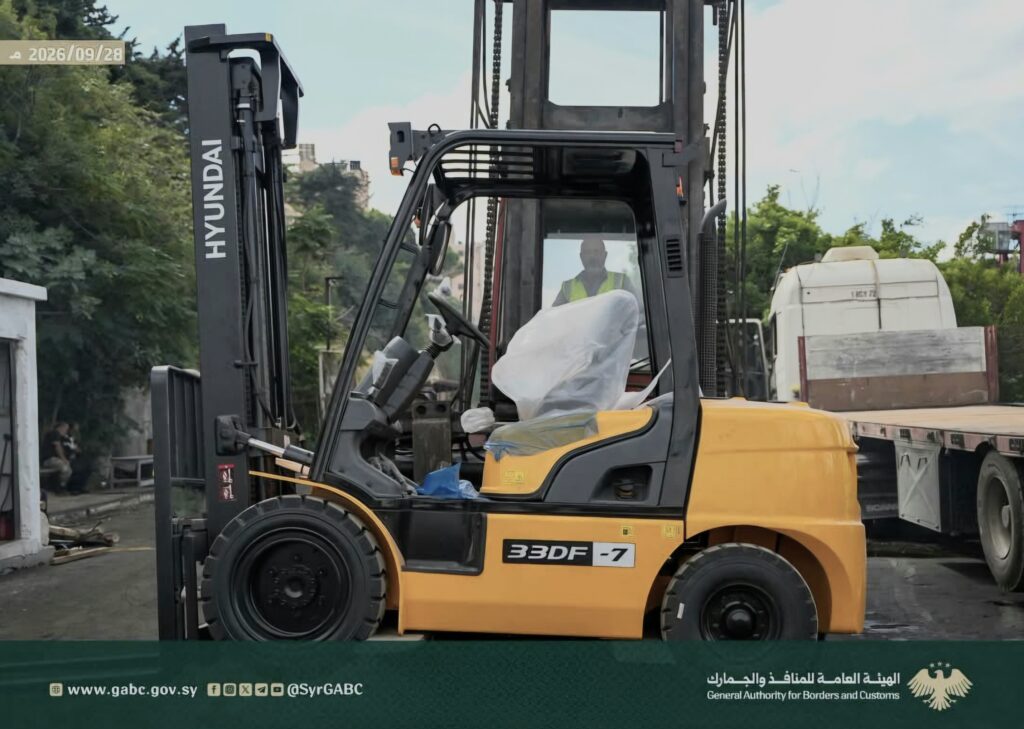
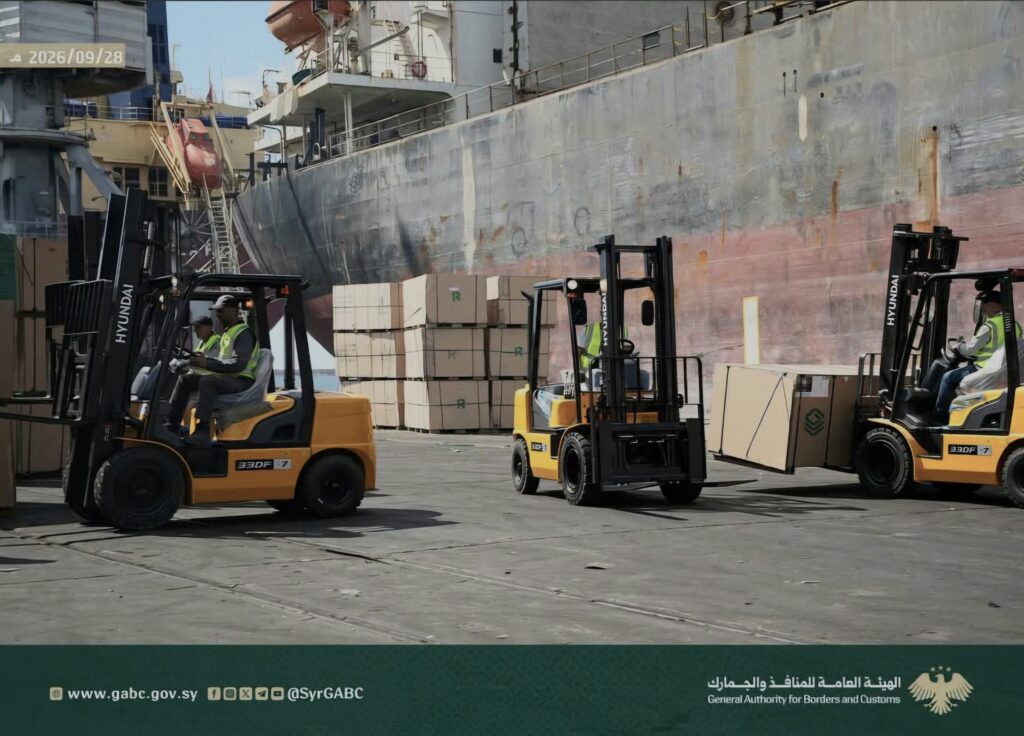
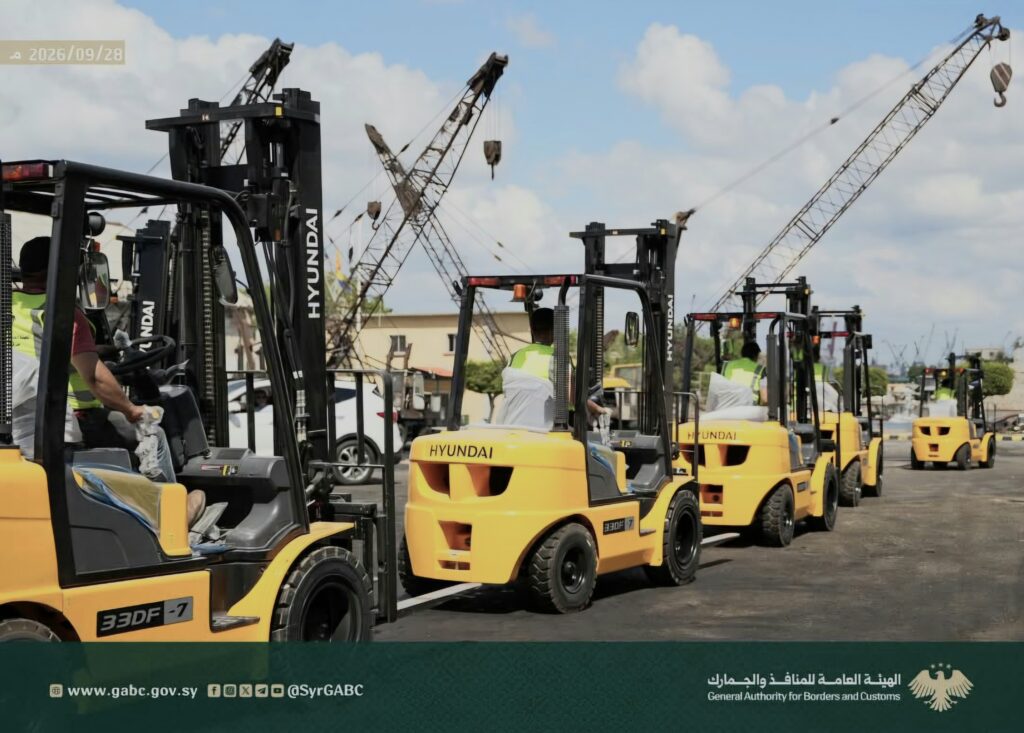
    Shipping Arabia, October 5, 2026 – Latakia Port has received 16 new forklifts, each with a lifting capacity of up to three tonnes, as part of ongoing efforts to strengthen operational efficiency and accelerate cargo-handling activities at the Syrian port.

    The new forklifts will join the port’s existing fleet of machinery and equipment. Their deployment is intended to support loading and discharge operations while improving the flow of cargo through the port.

    New Equipment to Support Cargo Handling

    The addition of the 16 forklifts is expected to improve the port’s ability to respond to operational requirements more efficiently. By supporting cargo movement across port operations, the equipment will help streamline handling activities and improve the movement of goods.

    The new machinery is also intended to contribute to reducing the amount of time vessels remain alongside the port’s berths. This forms part of wider efforts to improve operational performance at Latakia Port.

    Infrastructure and Service Development Continue

    The equipment delivery comes as rehabilitation work on port infrastructure and service development continues at Latakia Port.

    These efforts include improving the working environment, facilitating procedures and raising the level of services provided to port users. The new forklifts form part of this broader program to upgrade the port’s operational capabilities.

    General Authority for Borders and Customs Continues Port Upgrades

    The General Authority for Borders and Customs continues to implement plans to rehabilitate Syria’s ports and border facilities and modernize their equipment.

    According to the authority, the ongoing program aims to strengthen operational readiness while supporting the role of Syrian ports in stimulating trade and maritime transport activity.

    The arrival of the 16 forklifts at Latakia Port therefore forms part of a wider effort to upgrade equipment, rehabilitate infrastructure and improve the efficiency of port services.

    Source: General Authority for Borders and Customs

Back to top button