Port Operations

  • Aqaba Port Cargo Handling Jumps 49% to 9.48 Million Tonnes

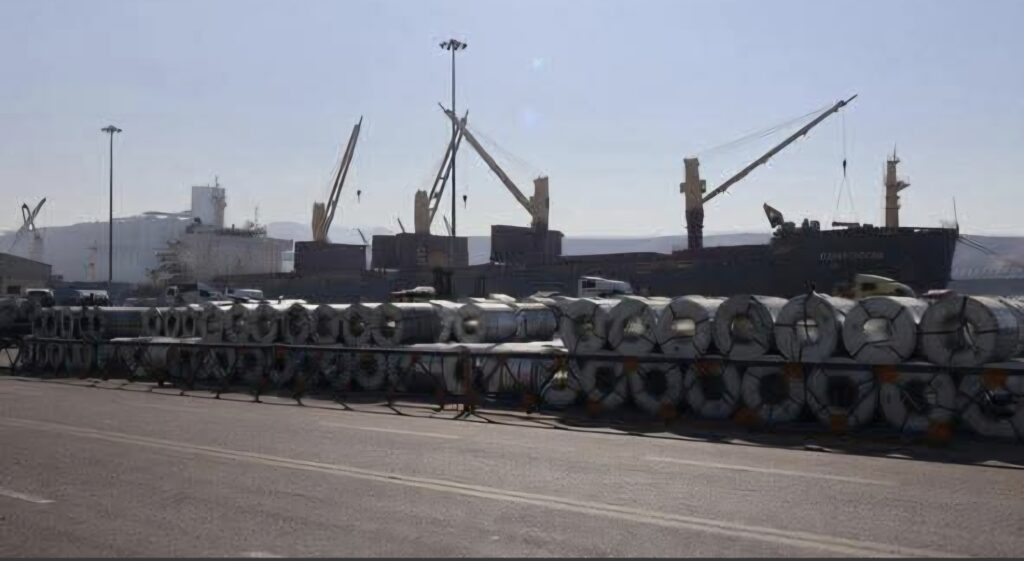
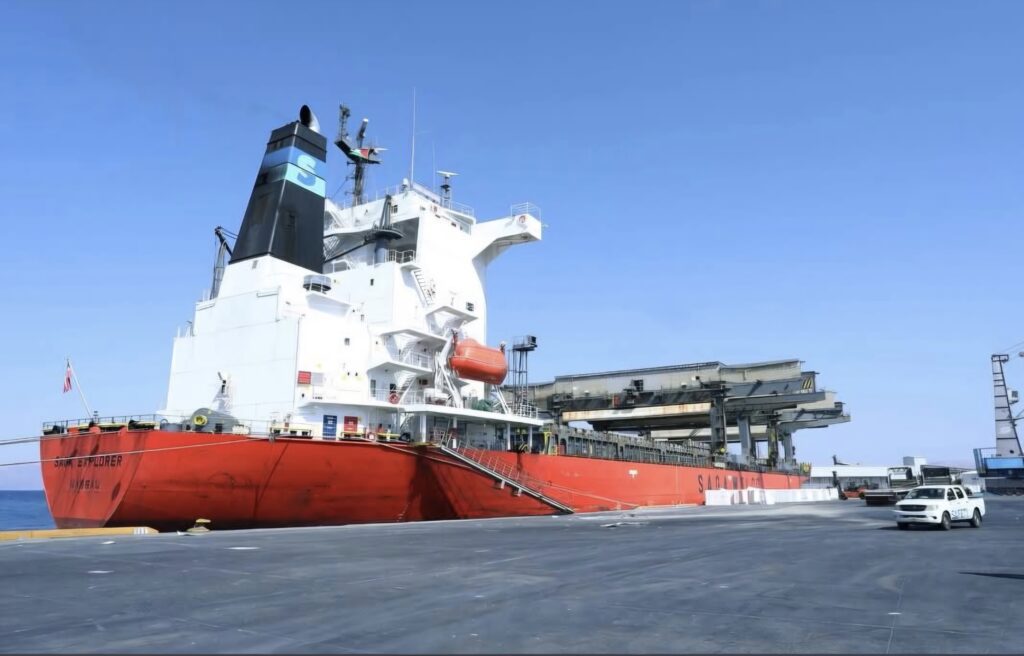
    Shipping Arabia, September 25, 2026 – Cargo handling at Aqaba’s main port surged 49% year-on-year to 9.48 million tonnes during the first eight months of 2026, accompanied by a sharp increase in truck traffic as Jordan’s only seaport handles growing domestic and regional trade flows.

    Dr. Mahmoud Khleifat, Director General of Aqaba Company for Ports Operation and Management, said throughput reached approximately 9.482 million tonnes through the end of August, compared with 6.382 million tonnes during the same period in 2025.

    Truck movements increased even faster, rising 51% to around 129,900 trucks, from 85,551 during the corresponding period last year.

    The increase reflects stronger activity at Aqaba as the port serves both Jordan’s domestic economy and growing cargo flows involving neighboring markets. Khleifat said coordination among stakeholders in the Aqaba Special Economic Zone and government agencies has helped streamline procedures and improve the movement of cargo to and from the port.

    The main port handles a broad range of cargoes and vessel types, providing an important component of Aqaba’s wider maritime and logistics infrastructure alongside the kingdom’s container, Ro-Ro and specialized terminal facilities.

    Khleifat said the port is continuing to develop its operations with a focus on safety, operational efficiency and sustainability while maintaining handling services capable of supporting changing trade and supply chain requirements.

    The growth further strengthens Aqaba’s role as Jordan’s maritime gateway and an increasingly important regional logistics and transit corridor, particularly as changing regional trade patterns generate additional cargo flows through the kingdom.

    Source: Addustour
  • Damietta Port Launches Economic and Environmental Competitiveness Assessment

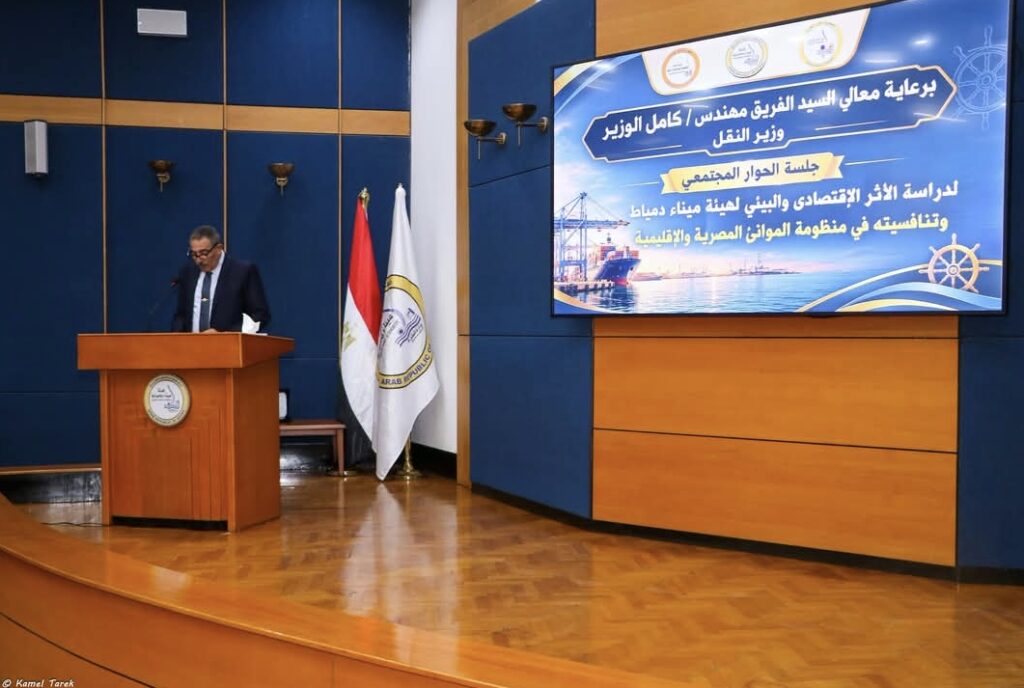
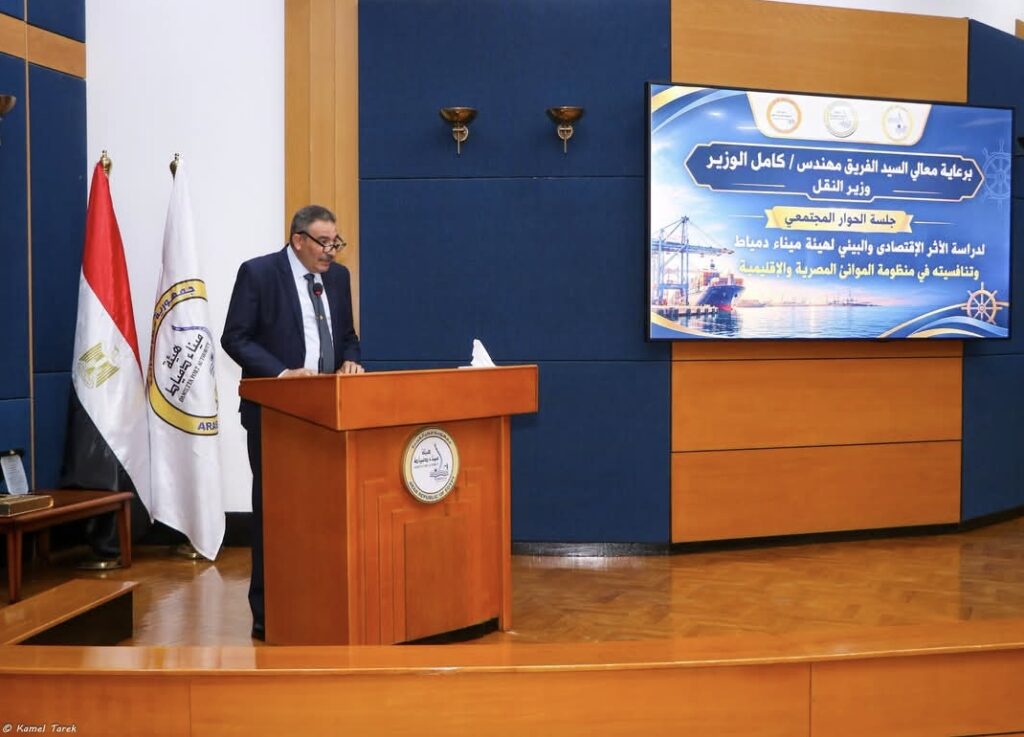
    Shipping Arabia, September 24, 2026 – Damietta Port has launched a comprehensive assessment of its economic and environmental impact and competitive position among Egyptian and regional ports, as it seeks to align ongoing infrastructure expansion with future operational and logistics requirements.

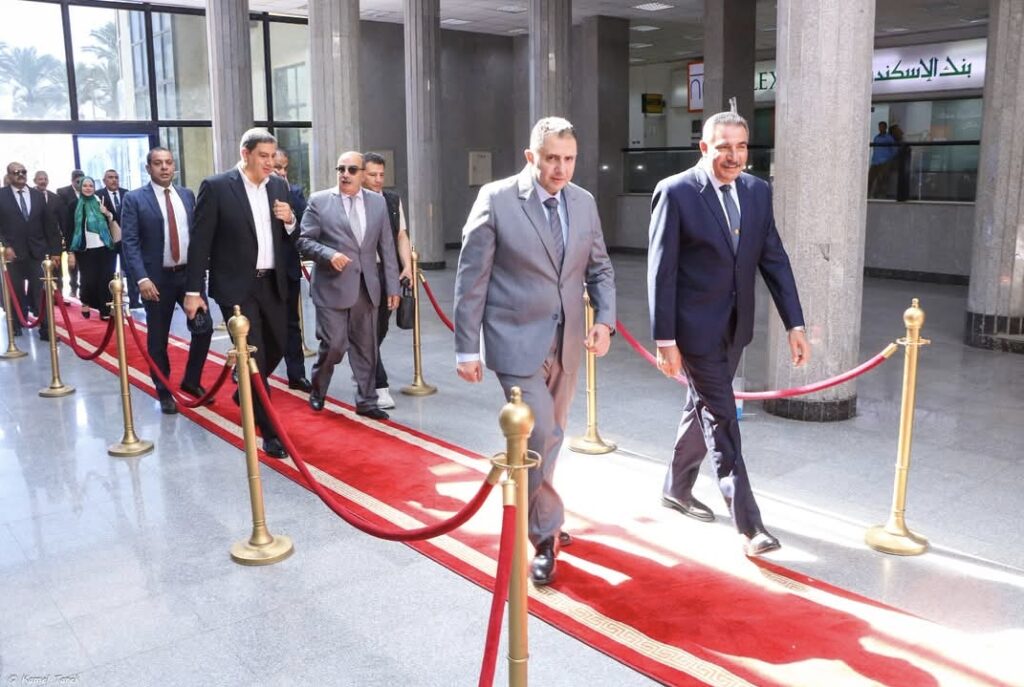
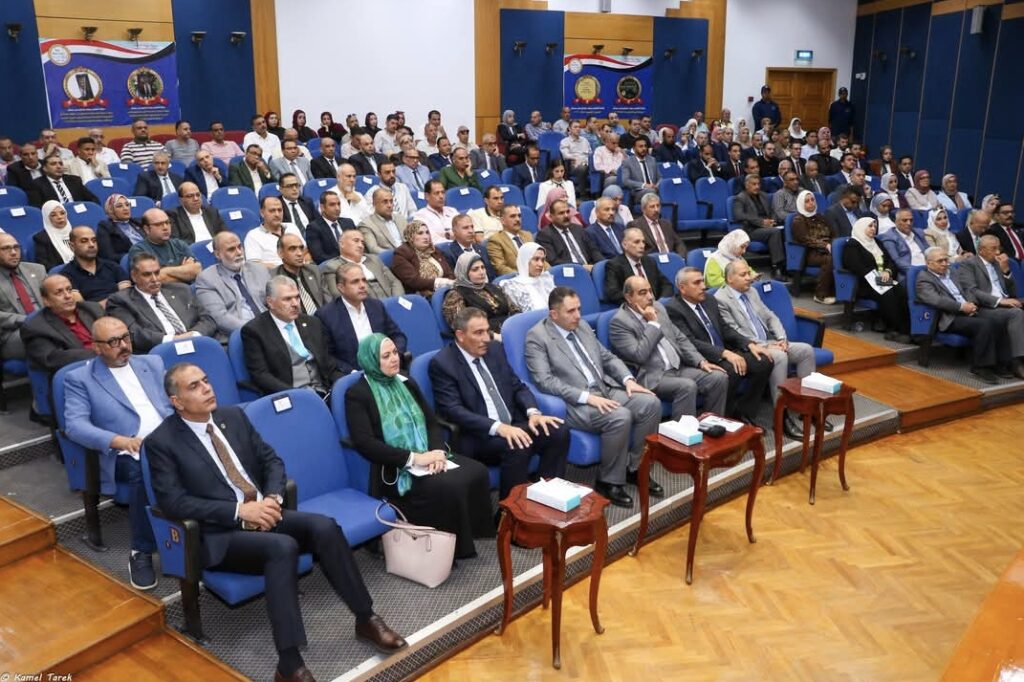
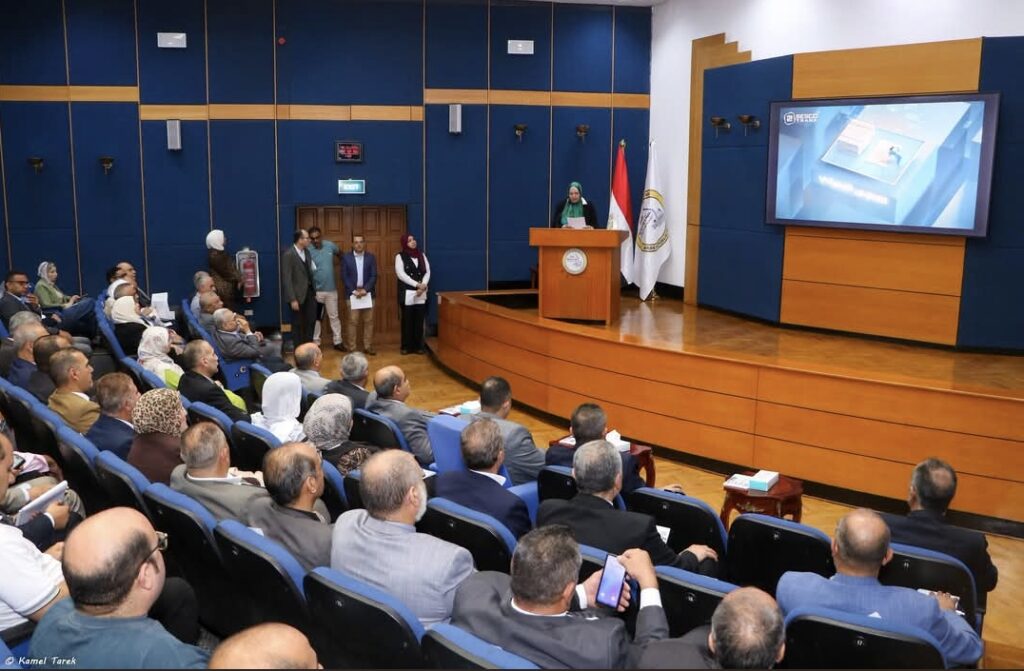
    The Damietta Port Authority organized a stakeholder dialogue in cooperation with the General Authority for Transport Planning, bringing together port officials, operators, maritime companies, industry specialists and transport experts to contribute to the study.

    The assessment will examine the port’s operational performance, economic contribution, environmental impact and competitive advantages, alongside the challenges and opportunities expected to influence its future development. The findings are intended to support investment priorities and long-term planning.

    Damietta Port Authority Chairman Rear Adm. Tarek Adly Abdullah said port performance can no longer be measured solely through vessel calls and cargo volumes, but must also consider economic and environmental impact, contribution to trade and logistics, value creation and long-term competitiveness.

    Damietta Governor Hossam El-Din Fawzy highlighted the port’s role in supporting economic development in the governorate and the importance of coordination between government institutions and other stakeholders as major development projects advance.

    The session included a presentation by Prof. Khaled El-Sakty, Dean of the College of International Transport and Logistics at the Arab Academy for Science, Technology and Maritime Transport, outlining the study’s methodology and indicators for assessing performance, competitiveness and environmental and economic impact.

    Damietta Port Authority Vice Chairman Rear Adm. Dr. Ahmed Hamdy Abdel Aziz also presented the port’s recent performance indicators and ongoing national development projects, focusing on how additional infrastructure and logistics capacity could strengthen its ability to respond to changes in maritime transport and supply chains.

    Participants reviewed operational strengths and constraints, environmental considerations and future opportunities, with industry feedback expected to be incorporated into the final assessment and recommendations.

    The study forms part of Damietta’s wider effort to combine port expansion, operational efficiency and environmental sustainability as it strengthens its position within Egypt’s port network and the wider Eastern Mediterranean logistics market.

    Source: Damietta Port Authority

  • Syria Reviews Single-Window Operations and Administrative Procedures at Tartous and Banias Ports

    Shipping Arabia, September 23, 2026 – Syria’s General Authority for Borders and Customs has reviewed administrative, financial and cargo-processing procedures at Tartous and Banias ports as part of efforts to improve operational efficiency and accelerate transactions at the country’s maritime gateways.

    Assistant Chairman for Financial and Administrative Affairs Waseem Al-Mansour inspected operations at both ports, focusing on administrative and financial procedures and the implementation of tasks across their departments.

    At Tartous Port, the review included the port’s single-window system, covering the processing of transactions and coordination between the authorities involved. Al-Mansour emphasized simplifying procedures and strengthening coordination to reduce processing times and improve service flows.

    The visit also covered the port’s financial affairs and supply departments, including procedures for financial documentation and the provision of materials and equipment required to maintain port operations.

    At Banias Port, discussions focused on administrative and financial performance, coordination between departments and measures to address obstacles affecting day-to-day operations and service delivery.

    The General Authority for Borders and Customs said the inspections form part of wider field monitoring and administrative and financial oversight across its facilities, with a focus on improving performance and speeding up transaction processing.

    The review reflects ongoing efforts to streamline procedures at Syria’s maritime facilities, where efficient documentation, inter-agency coordination and digitalized processing are important to improving cargo and vessel-related services.

    Source: General Authority for Borders and Customs

  • Jordan Shipping Association, Aqaba Container Terminal Move Toward Regular Carrier Coordination Meetings

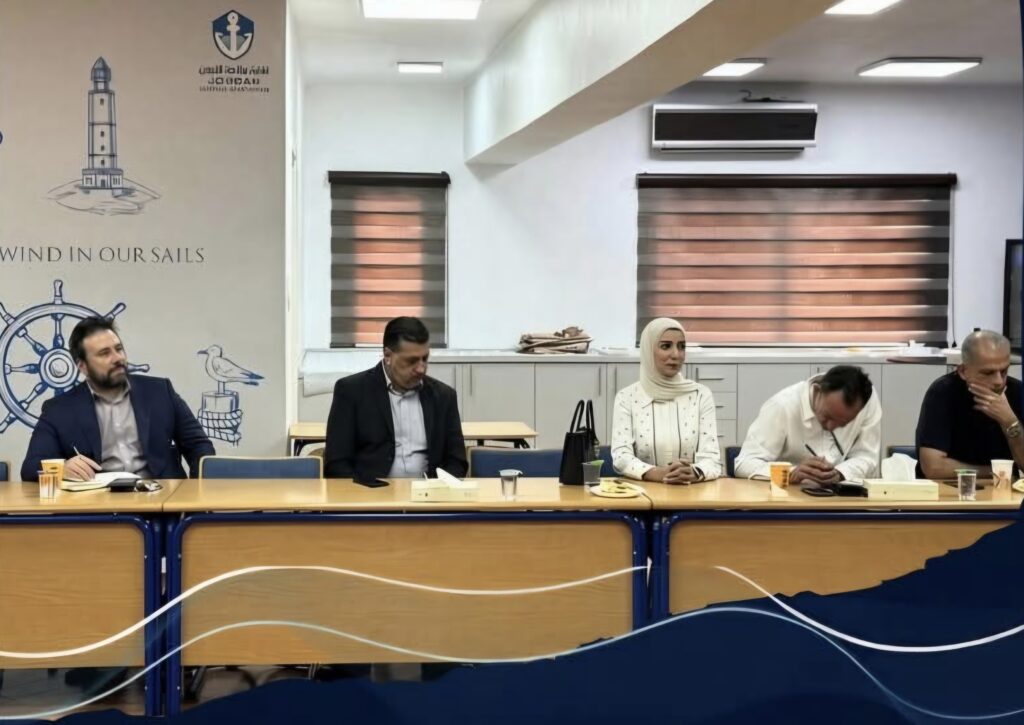
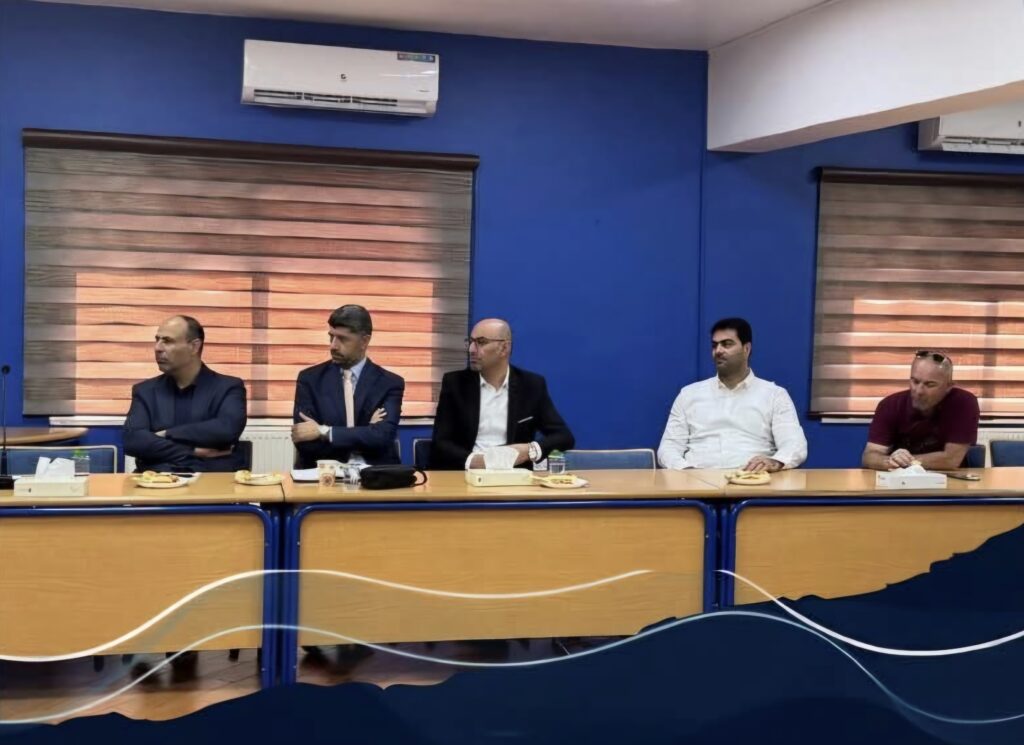
    Shipping Arabia, September 23, 2026 – The Jordan Shipping Association and Aqaba Container Terminal are moving toward regular coordination meetings with shipping lines as both sides seek to address operational and commercial challenges and improve container flows through Jordan’s principal maritime gateway.

    ACT CEO José Rueda, Chief Commercial Officer Angshuman Mustafi and members of the terminal’s management team met JSA Board members and the association’s Container Committee, including representatives of shipping lines operating through Aqaba.

    JSA Vice Chairman Mashhoor Al-Jazi said direct engagement between the association and terminal management is important for addressing operational and commercial issues affecting carriers and improving the overall maritime business environment.

    Discussions covered container handling and movement, challenges facing shipping lines, port procedures and measures that could improve cargo flows and service levels for terminal users.

    Rueda called for regular meetings between ACT management, JSA and shipping line representatives, allowing operational issues and carrier feedback to be reviewed continuously while providing a platform to jointly address emerging challenges and opportunities.

    ACT expressed its readiness to maintain the dialogue and work with the association and its members on practical solutions aimed at improving operational efficiency and container flows.

    JSA said continued direct coordination among stakeholders across Aqaba’s maritime sector is essential to resolving operational challenges, improving services to shipping lines and strengthening the competitiveness of Aqaba Container Terminal.

    The discussions come as Aqaba handles growing regional cargo activity, increasing the importance of close coordination between the terminal, shipping lines and other stakeholders in maintaining efficient container flows and reinforcing Aqaba’s role as Jordan’s maritime gateway and a regional logistics hub.

    Source: Jordan Shipping Association

  • Jordan Shipping Association Reviews Aqaba Port Capacity as Vehicle and Cargo Volumes Rise

    Shipping Arabia, September 22, 2026 – The Jordan Shipping Association has reviewed operational and logistics pressures at Aqaba following a sharp increase in vehicle and cargo volumes moving through Jordan’s principal maritime gateway.

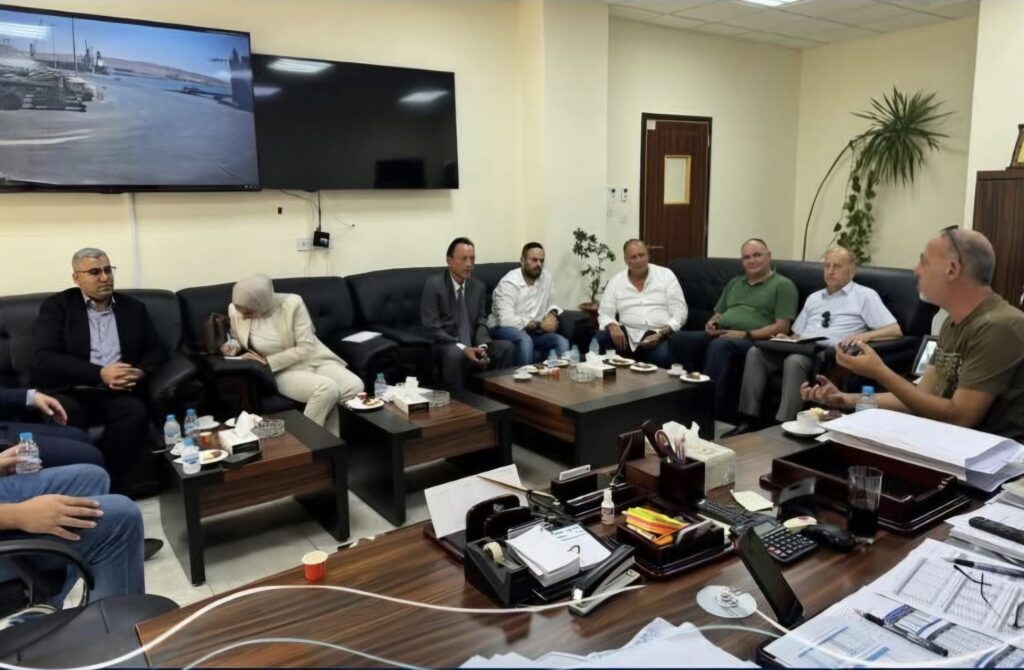
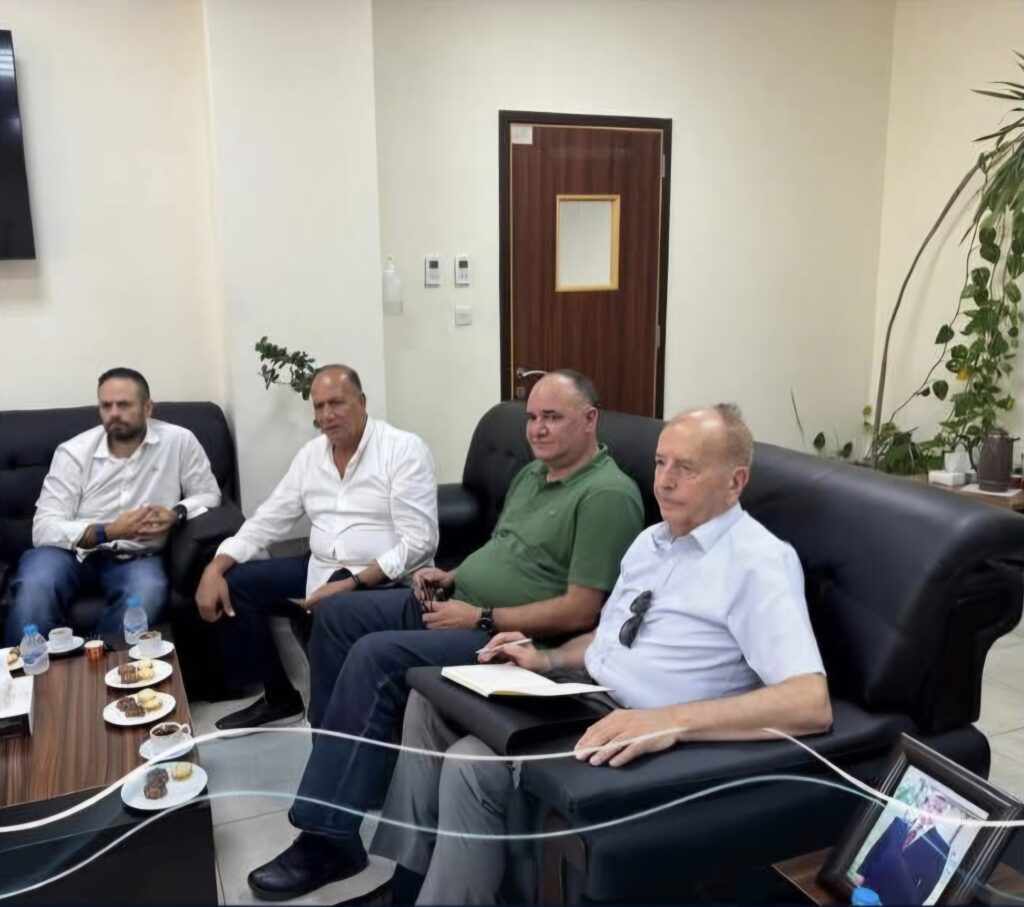
    A delegation headed by JSA Chairman Zaid Al-Kalaldeh conducted a field visit to Aqaba on September 15, meeting port and development officials and inspecting vehicle storage areas and measures being taken to accommodate higher cargo volumes.

    The delegation included Secretary-General Capt. Mohammad Al-Dalabieh and Board Members Mashhoor Al-Jazi, AbdulRahman Ali and Mohammad Abdelhadi.

    At the Aqaba Cruise Terminal, the delegation met Rashad Al Maslat, AD Ports Country Operations Manager, and Amer Al Hammouri, Operations and Planning Lead at Aqaba Cruise Terminal, reviewing measures to address growing operational pressure, including preparation of additional yard capacity and reinforcement of personnel to maintain vehicle flows and operational efficiency.

    The delegation also met Dr. Mahmoud Khleifat, Director General of Aqaba Company for Ports Operation and Management, and Operations Manager Capt. Mohammad Al-Halawi. Discussions focused on current operations and efforts to expand storage yards and increase capacity despite constraints involving available equipment and resources.

    During a separate meeting with Hussein Al-Safadi, CEO of Aqaba Development Corporation, and Abdessalam Obeidat, Chief Transport and Logistics Officer, the two sides discussed closer coordination with the maritime sector and proposals aimed at improving port efficiency and maintaining smoother cargo flows.

    JSA said direct engagement with port stakeholders is increasingly important as Aqaba handles growing trade volumes and associated pressure on yards, equipment and inland cargo movements.

    The association said it will continue coordinating with government and operational stakeholders, including Jordan Customs, to facilitate vehicle and cargo movements, address emerging operational constraints and strengthen Aqaba’s role as Jordan’s maritime gateway.

    Source: Jordan Shipping Association

  • Nador West Med Container Terminal Begins First Vessel Handling Operation

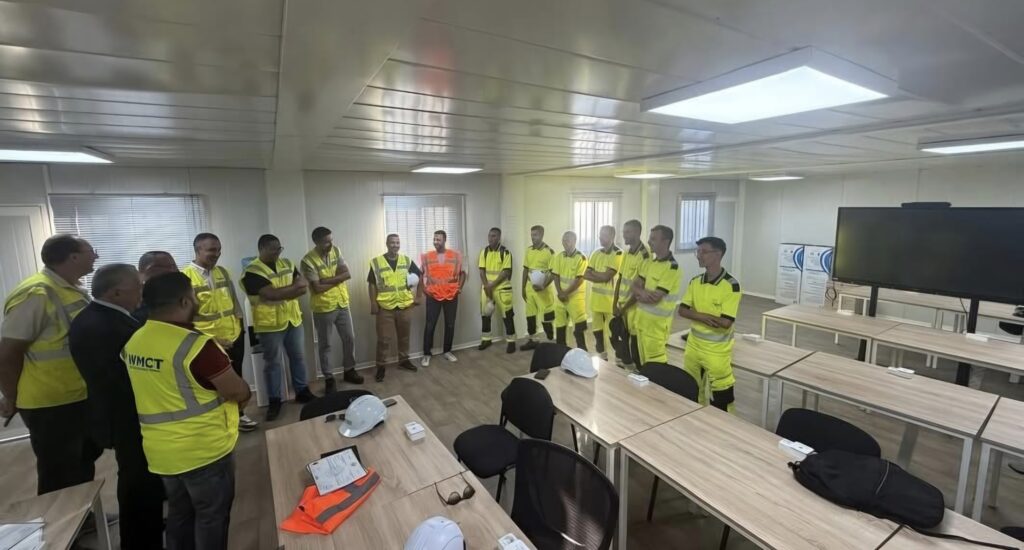
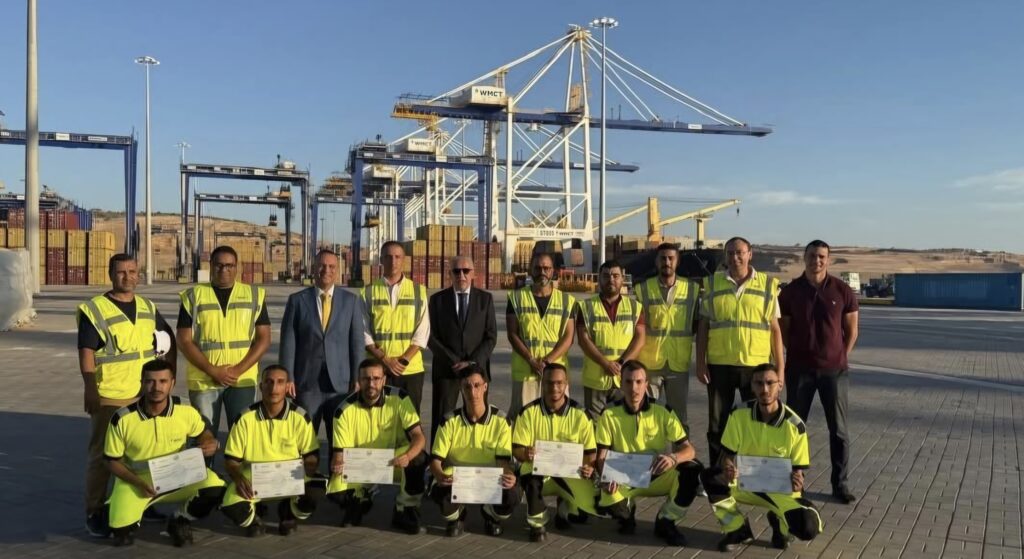
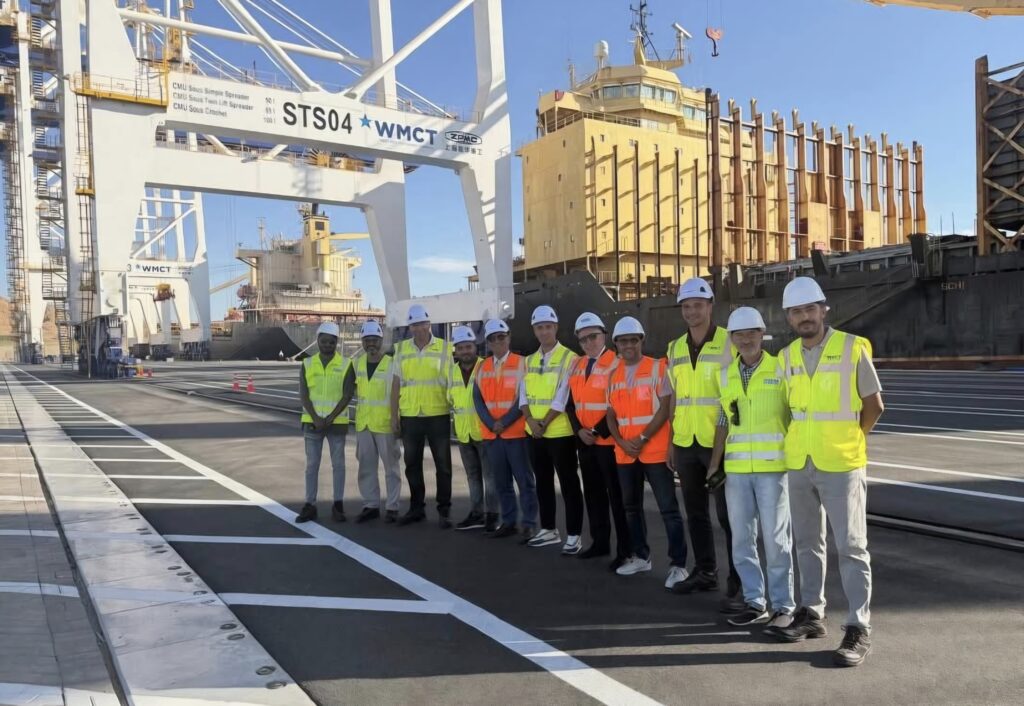
    Shipping Arabia, September 22, 2026 – Morocco’s Nador West Med Container Terminal has carried out its first vessel handling operation, marking an important operational milestone for the new Mediterranean port complex as it prepares its workforce and systems for container operations.

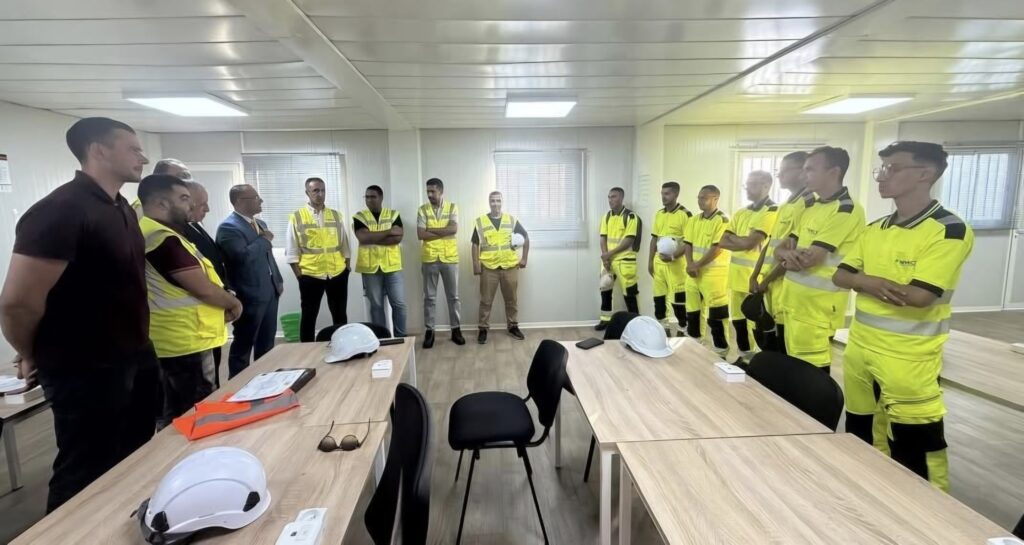
    The first vessel arrival coincided with the completion of a specialized practical training programme for Moroccan personnel conducted by the Port Training Institute of the Arab Academy for Science, Technology and Maritime Transport (AASTMT).

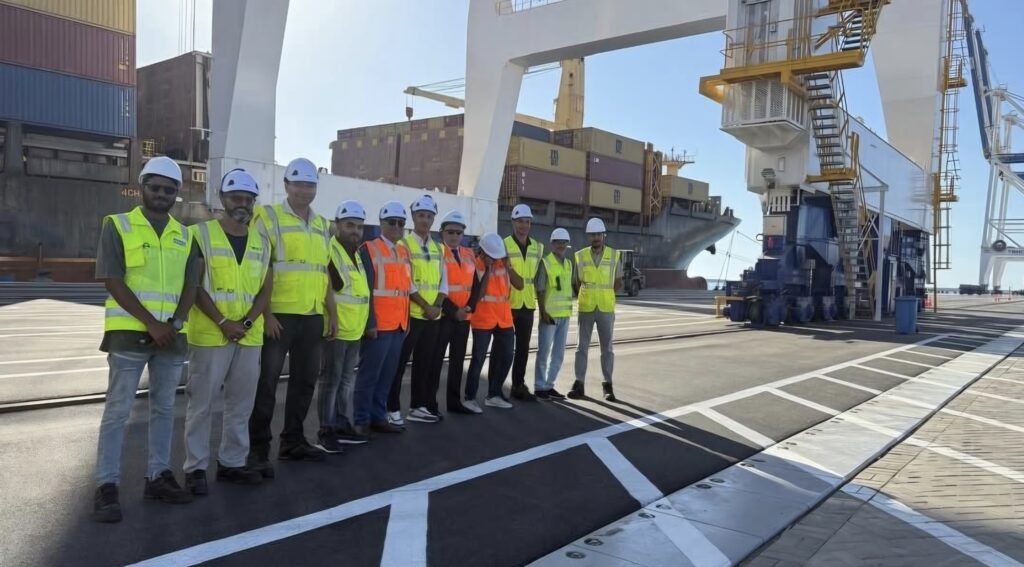
    Trainees participated directly in the terminal’s inaugural handling operation, applying skills developed during the programme to live container terminal activities. The practical training focused on preparing personnel for the operational requirements of modern container facilities, including crane operations and cargo-handling procedures.

    Prof. Alaa Mahmoud Morsi, Dean of the Port Training Institute and Maritime Transport Research and Consultation Center, visited the terminal with Assistant Dean Ehab Hamdy as the programme concluded and the first vessel operation began.

    Practical training was supervised by Hisham Hamdy, Head of the Crane Simulators Department, and Mohamed Gamal, Head of the Cranes Unit, with the programme combining technical instruction and operational preparation for container terminal activities.

    Terminal management said the trainees demonstrated the ability to apply their training during the live operation, providing an early test of workforce readiness as Nador West Med moves toward wider terminal operations.

    The programme forms part of cooperation between AASTMT and the Moroccan terminal to develop specialized port personnel and transfer operational expertise ahead of the facility’s ramp-up.

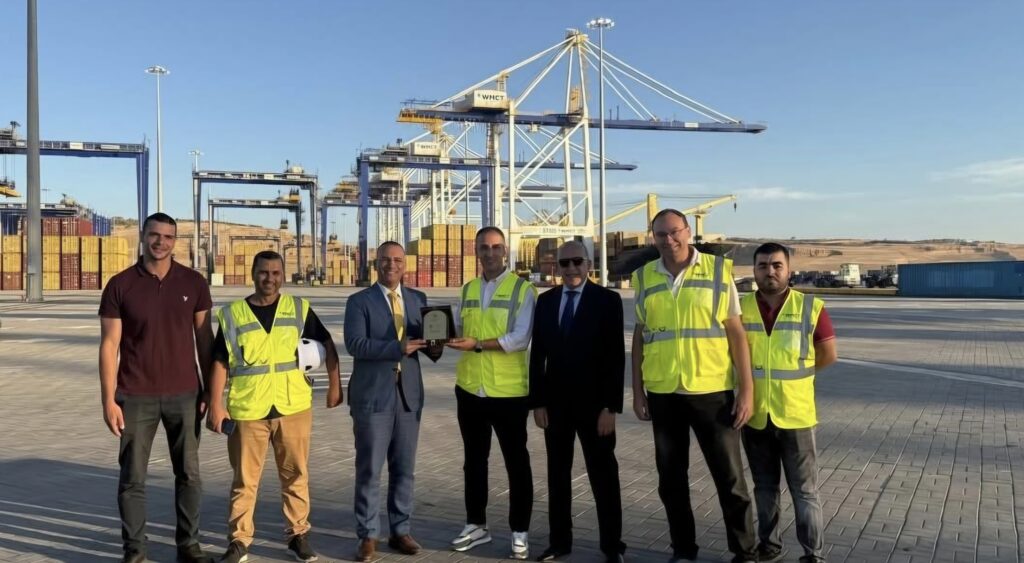
    At the conclusion of the visit, Morsi presented the Port Training Institute shield to Najib Chikhi, CEO of West Med Container Terminal, recognizing the cooperation between the two organizations in delivering the training programme.

    The milestone adds an important operational dimension to the development of Nador West Med as a new container and logistics gateway on Morocco’s Mediterranean coast, with trained personnel now participating in live vessel and terminal operations.

    Source: Port Training Institute

  • Iraq Ports Develop In-House Digital Systems to Modernize Operations

    Shipping Arabia, September 20, 2026 – Iraq’s General Company for Ports of Iraq (GCPI) is developing a series of in-house digital systems for port management, asset monitoring and administrative processes, as the company expands automation across its operations.

    The systems are being designed and programmed by GCPI’s Information Technology Department using Iraqi technical expertise, with several applications already developed and others undergoing testing.

    Among the latest developments is an upgraded buoy management system, which introduces geolocation functionality and links individual buoys to an interactive map. The system is intended to improve monitoring accuracy and provide faster access to information on the location and status of navigational assets.

    GCPI’s IT team presented the system during a technical workshop alongside several internally developed platforms supporting administrative and workforce management.

    These include a planning accounts system, employee attendance and departure platform and an automated system for calculating overtime payments.

    The programme forms part of a broader effort to shift port-related data and internal procedures toward electronic platforms, reducing reliance on manual processes while improving the speed and accuracy of information available to management.

    The digitalization initiative is being implemented under directives from Iraqi Transport Minister Wahb Al-Hassani, with the ministry seeking wider use of automation and digital technologies across its companies and departments.

    GCPI said the systems are intended to improve institutional efficiency, data management, transparency and decision-making as Iraq continues modernizing the operational and administrative infrastructure supporting its port sector.

    Source: Iraq Ports Media

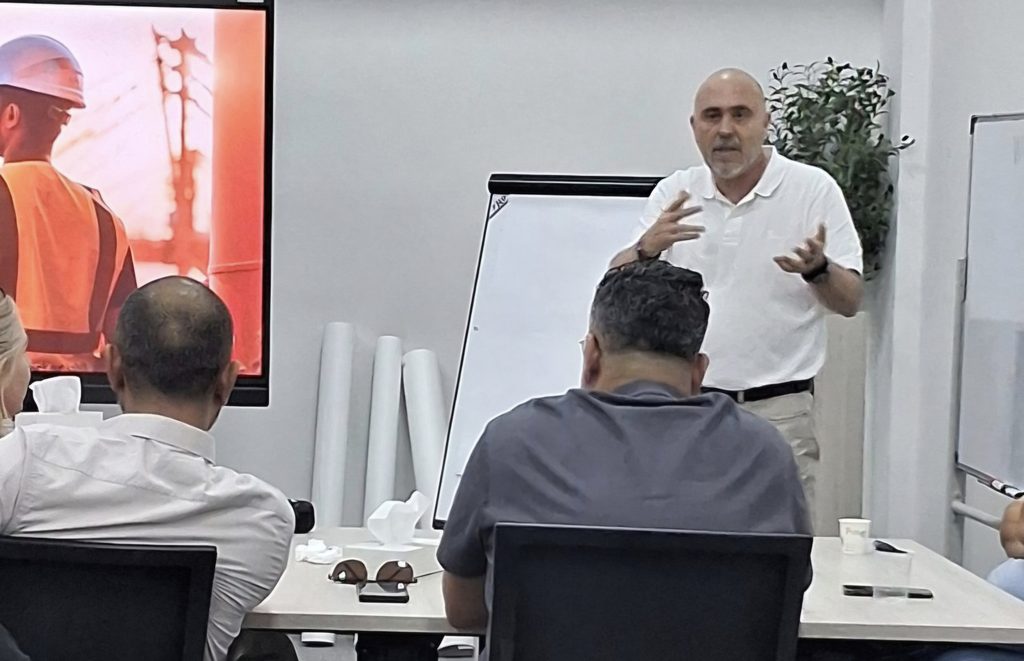
  • Aqaba Container Terminal Strengthens Leadership Capabilities Through APM Terminals Business System

    Shipping Arabia, September 20, 2026 – Aqaba Container Terminal (ACT) has conducted a leadership development session for its management team as part of efforts to strengthen operational performance, continuous improvement and customer service at Jordan’s principal container gateway.

    The session builds on an earlier APM Terminals Business System (ABS) Leadership Expectations programme conducted with ACT’s senior leadership and forms part of the terminal’s alignment with APM Terminals’ wider global transformation programme.

    According to ACT, the workshop focused on leadership principles designed to develop high-performing teams, strengthen accountability, continuously improve operational processes and place customers at the centre of decision-making.

    Participants took part in interactive discussions and practical exercises examining how common leadership standards can improve collaboration, empower employees and contribute to long-term business performance.

    The programme also addressed the role of management in developing people, solving operational problems, promoting continuous improvement and creating value for customers and other stakeholders.

    ACT said strengthening leadership capabilities is intended to support sustainable growth and operational excellence while reinforcing a management culture focused on performance and customer service.

    As Jordan’s primary container terminal and maritime gateway for containerised trade, ACT plays a central role in the country’s import, export and transit supply chains through the Port of Aqaba.

    Source: Aqaba Container Terminal (ACT)

  • Saudi Port Investments Top $1.46 Billion as Jeddah Handles Surge in Regional Cargo

    Shipping Arabia, September 19, 2026 – Saudi Arabia has invested more than SAR 5.5 billion ($1.46 billion) in its ports during the regional disruption, as Jeddah Islamic Port and the Kingdom’s western coast absorb sharply higher vessel, truck and cargo volumes and take on a wider role in regional supply chains.

    Saudi Ports Authority (Mawani) President Suliman bin Khalid Al-Mazroua said Jeddah and the western coast had developed into a major logistics platform serving Saudi Arabia and Gulf markets during the disruption.

    Truck traffic at Jeddah Islamic Port has risen from around 2,000–2,500 vehicles per day to more than 10,000, alongside increased vessel activity. More than 34 shipping services operated by major global carriers, including Maersk and MSC, now call at the port.

    Mawani has implemented 16 operational initiatives with government and customs authorities to increase the port’s readiness, while more than SAR 640 million has been invested in Jeddah over the past three months to strengthen its capacity to receive and handle containers moving by both sea and land.

    Al-Mazroua said the western coast is increasingly operating as an integrated port network. Yanbu supports food-security cargo flows, King Abdullah Port contributes additional container and logistics capacity, while NEOM Port supports traffic arriving from Egypt, expanding the ability of Saudi ports to respond to changing regional trade patterns.

    Transshipment activity has also increased, with volumes exceeding 370,000 containers over five months, while general and bulk cargo surpassed one million units. Mawani expects volumes to rise further by the end of the year as demand for port and logistics services continues to grow.

    The next phase will include further port investment alongside the development of special economic zones and logistics zones across Saudi Arabia’s eastern and western ports, strengthening the Kingdom’s maritime and logistics infrastructure and its role in regional supply chains.

    Source: Argaam

  • Jordan Extends Aqaba Export Free Time as Government Moves to Ease Port and Supply Chain Pressure

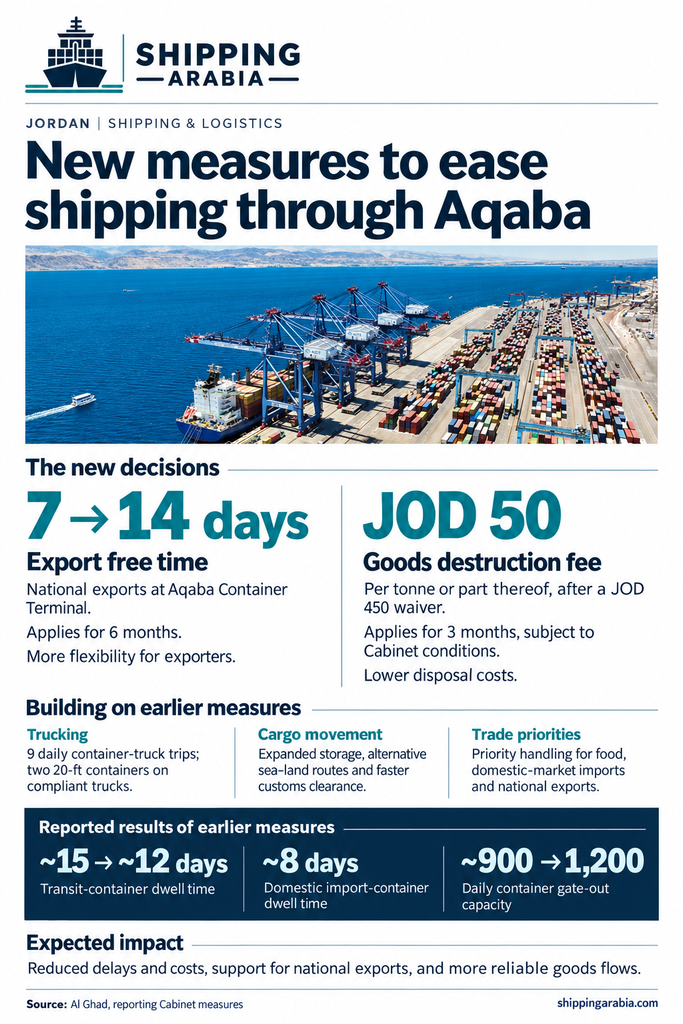
    Shipping Arabia, September 19, 2026 – Jordan has approved a new package of measures to ease operational pressure across Aqaba’s port and logistics system, including doubling the free period for national exports at Aqaba Container Terminal from seven to 14 days for six months, as the kingdom moves to strengthen supply chain resilience and maintain cargo flows.

    The measures were approved by the Cabinet, chaired by Prime Minister Dr. Jaafar Hassan, and build on earlier steps to expand storage capacity, develop logistics centers and supporting infrastructure, accelerate customs clearance and provide alternative sea-land multimodal corridors.

    The government also reduced the charge associated with the destruction of cargo from JOD 450 to JOD 50 per tonne or part thereof for three months, subject to specified conditions and coordination with the Ministry of Finance.

    Operational measures already introduced include transferring part of customs clearance activity to Amman Customs, exempting transit truck movements through border crossings from existing trip limits for three months and increasing the permitted number of daily container-truck trips to nine.

    Trucks meeting technical and safety requirements are also being permitted to carry two 20-foot containers on a single vehicle, while priority in handling, clearance and gate-out is being given to food cargo, imports destined for the domestic market and Jordanian exports.

    The measures are already being reflected in port performance. Average dwell time for transit containers has fallen from around 15 days to 12 days, while inbound local containers are averaging around eight days. Daily container gate-out capacity has increased from approximately 900 to 1,200 containers, helping reduce pressure on the port and accelerate cargo movement.

    The latest measures reinforce Aqaba’s role as Jordan’s principal maritime gateway and an increasingly important regional transit corridor, with the government seeking to increase port capacity and logistics flexibility while limiting additional costs caused by shipping delays and regional supply chain disruption.

    Source: Alghad

Back to top button