Red Sea

  • CMA CGM Announces New Peak Season Surcharges Across Egypt, Turkey, Africa and Middle East Routes

    Shipping Arabia, November 12, 2026 – CMA CGM has announced new peak season surcharges and freight rate adjustments across several international trade routes, including shipments from Northern Europe to Egypt and Turkey, Asia–Africa services, and cargo moving from Canada’s West Coast to the Arabian Gulf, Red Sea and Indian Subcontinent.

    The French container shipping group will introduce a Peak Season Surcharge (PSS) of €50 per TEU, effective November 15, 2026, for shipments originating in Northern Europe and destined for Egyptian Mediterranean ports and the Turkish ports of Mersin and Iskenderun. The surcharge applies to all cargo types, takes effect according to the loading date and will remain in force until further notice.

    The announcement forms part of a wider series of CMA CGM peak season surcharges and pricing adjustments covering selected international shipping routes. The changes include revised charges on Asia–Africa trades and a separate Rate Restoration Initiative for Canadian exports, with implementation dates ranging from November 10 to December 3, 2026.

    For shipments from South China to Mozambique, CMA CGM introduced a PSS of $400 per TEU, effective November 10, 2026. The surcharge applies to all cargo types, based on the loading date, and will remain in place until further notice.

    The carrier also revised its peak season surcharge for cargo moving from Southeast Asia to West Africa. Effective November 15, 2026, the revised charge will reach $500 per TEU and apply to dry and refrigerated cargo transported under short-term contracts.

    Additional adjustments cover shipments originating in China and destined for Dar es Salaam in Tanzania and Mombasa in Kenya. CMA CGM will apply a PSS of $400 per TEU on these routes, with different implementation dates depending on the shipment’s origin.

    For cargo departing South China, the surcharge became effective on November 10, 2026. Shipments originating in North and Central China will become subject to the same charge from November 15.

    CMA CGM indicated that surcharges applicable to China-origin shipments may be subject to filing requirements with the Shanghai Shipping Exchange. Alternatively, the charges may be incorporated into the applicable ocean freight rates.

    Separately, CMA CGM announced a new Rate Restoration Initiative, designated RRI03, covering shipments originating from Canada’s West Coast. The adjustment will take effect on December 3, 2026, and applies to cargo destined for the Indian Subcontinent, Arabian Gulf and Red Sea.

    For shipments from Western Canada to the Arabian Gulf and Red Sea, the rate increases will amount to $1,000 per 20-foot container and $2,000 per 40-foot or 45-foot container.

    Cargo destined for the Indian Subcontinent will face lower increases of $600 per 20-foot container and $1,200 per 40-foot or 45-foot container.

    The Canadian rate restoration adjustments cover all cargo types except open-top and flat-rack containers. These increases are separate from the peak season surcharges announced for shipments originating in Northern Europe and Asia.

    CMA CGM clarified that the announced pricing adjustments are separate from applicable base ocean freight rates. Additional charges may still apply, including bunker surcharges, terminal handling charges, local fees and emergency surcharges.

    The latest measures follow earlier CMA CGM announcements concerning additional charges on trade routes connecting Asia and Africa. Together, the adjustments reflect further changes to the carrier’s freight pricing structure across selected international markets.

    With implementation dates extending through early December, the revised surcharges will affect shipments across several trade corridors, including Northern Europe–Mediterranean services, Asia–Africa routes and Canadian exports to the Middle East and Indian Subcontinent.

    Source: Al Mal

  • Saudi Ports Authority Highlights Supply Chain Resilience and Red Sea–Gulf Logistics Corridors in London

    Shipping Arabia, November 8, 2026 – Saudi Ports Authority (Mawani) has highlighted Saudi ports’ supply chain resilience and logistics capabilities during the World Ports Conference 2026 in London. The authority outlined Saudi Arabia’s investments in maritime infrastructure, regional logistics corridors, and operational flexibility, including the redirection of approximately 60% of fertilizer shipments destined for India through Yanbu Industrial Port in less than a month.

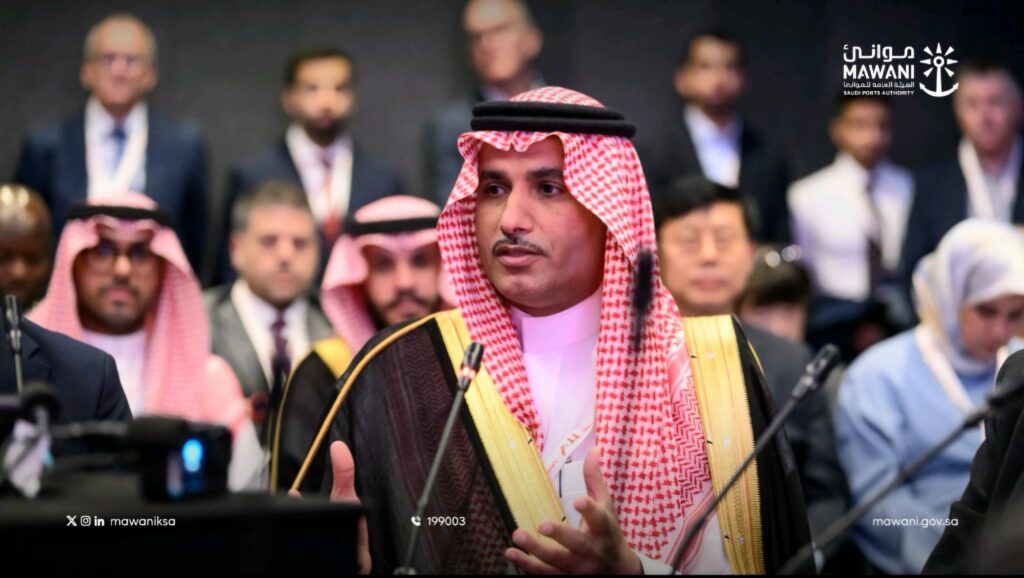
    Mawani President Eng. Sulaiman bin Khalid Al-Mazroua participated in a roundtable discussion focused on strategies for port authorities to strengthen competitiveness and sustain growth amid global challenges. He emphasized the importance of developing port strategies, improving operational efficiency, and strengthening the maritime sector’s ability to respond to international disruptions.

    The discussions also addressed supply chain resilience, continuity of global trade, and the role of Saudi Arabia’s transport and logistics infrastructure in responding to challenges affecting international maritime operations.

    Saudi Ports Supply Chain Resilience and Regional Logistics Connectivity

    During his remarks, Al-Mazroua highlighted Saudi Arabia’s efforts to strengthen regional connectivity through the activation of logistics corridors linking the Red Sea and the Arabian Gulf.

    He explained that decades of investment in ports and industrial cities have established an integrated national infrastructure. These investments, reinforced by Saudi Vision 2030, have strengthened operational flexibility and improved the Kingdom’s capacity to respond rapidly to changing circumstances.

    The development of logistics corridors was presented as an important component of Saudi Arabia’s strategy to maintain trade connectivity and strengthen its maritime transport capabilities.

    Al-Mazroua also emphasized the importance of adapting port strategies to global developments. He highlighted the need for port authorities to improve operational efficiency and strengthen their ability to respond to market changes and international challenges.

    These priorities formed part of the roundtable discussion on maintaining competitiveness and supporting growth across the global maritime sector.

    Yanbu Industrial Port Supports Fertilizer Shipments to India

    One of the examples highlighted during the conference concerned Saudi Arabia’s contribution to global food security through its maritime logistics infrastructure.

    According to Al-Mazroua, approximately 60% of fertilizer shipments destined for India were redirected through Yanbu Industrial Port within less than one month.

    The example illustrated the Kingdom’s ability to use its port infrastructure and logistics capabilities to respond to changing trade requirements while supporting the continuity of international cargo movements.

    Al-Mazroua also highlighted the humanitarian role of Saudi ports in supporting vessels and their crews during challenging circumstances.

    Saudi ports provided essential services, medical supplies, and crew change assistance, supporting more than 2,000 seafarers. These efforts were presented as part of the Kingdom’s contribution to maintaining maritime operations and addressing the needs of seafarers.

    In his remarks, Al-Mazroua stressed that supply chain resilience represents an investment in protecting economic value and creating opportunities. He also emphasized that ensuring the safety of maritime corridors remains a shared international responsibility.

    Saudi Arabia Participates in 138th IMO Council Session

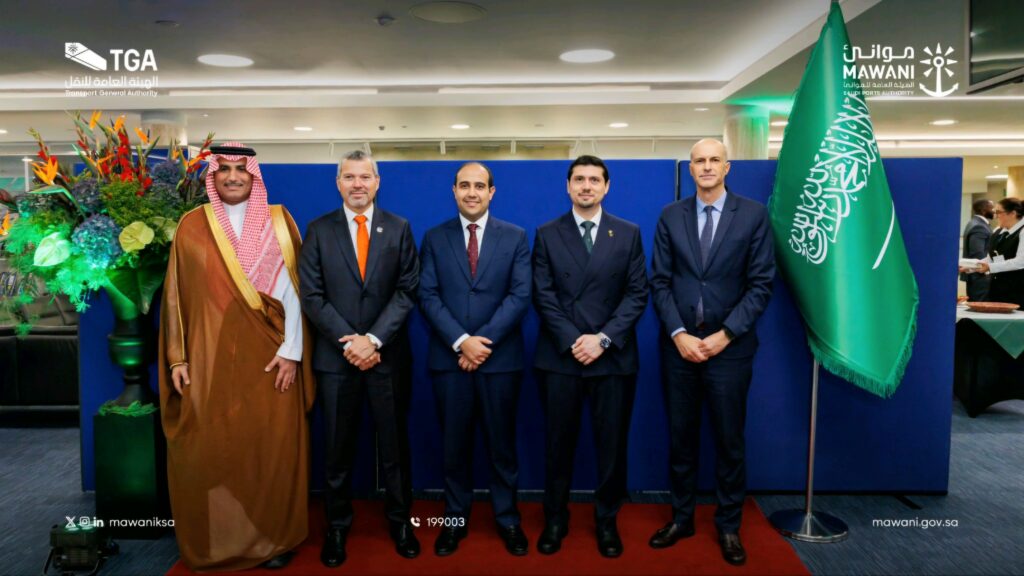
    Alongside the World Ports Conference, Saudi Arabia participated in the 138th session of the International Maritime Organization (IMO) Council in London, with its delegation led by Mawani President Sulaiman Al-Mazroua.

    The participation reaffirmed the Kingdom’s commitment to strengthening maritime navigation safety and facilitating the movement of global trade.

    On the sidelines of the IMO Council meetings, Al-Mazroua met IMO Secretary-General Arsenio Dominguez to discuss recent developments in the maritime sector and challenges facing international shipping.

    The meeting provided an opportunity to exchange views on issues affecting the global maritime industry and the continued importance of international cooperation.

    Saudi Arabia Emphasizes Maritime Infrastructure and Trade Continuity

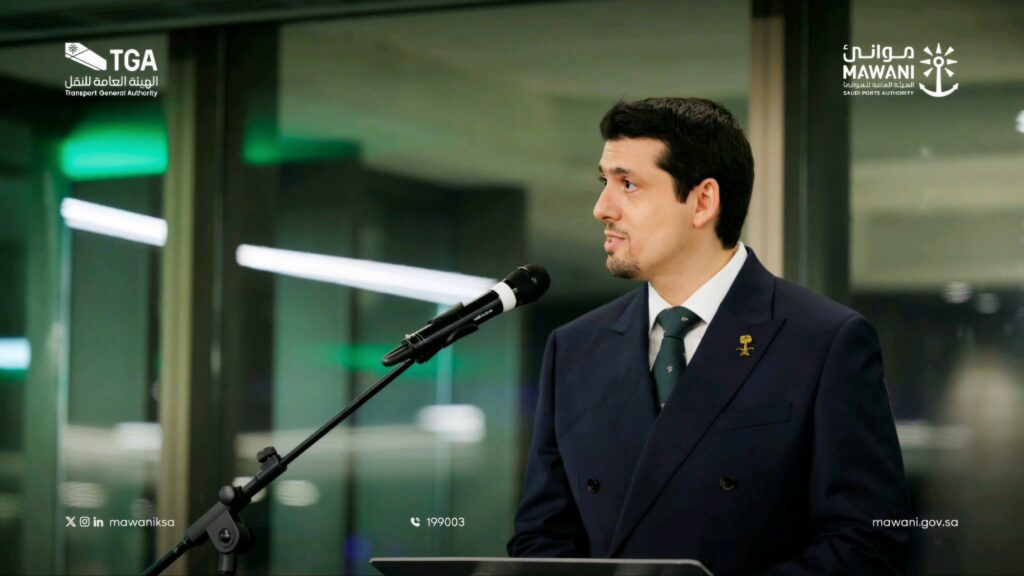
    During the IMO Council meetings, Al-Mazroua also addressed a reception hosted by Saudi Arabia for participating delegations.

    The reception was attended by the IMO Secretary-General and Mohammed bin Shafi, Deputy Head of the Saudi Mission to the United Kingdom.

    In his remarks, Al-Mazroua emphasized the resilience of Saudi Arabia’s transport system and port infrastructure, highlighting the Kingdom’s efforts to manage crises and their consequences.

    He also underlined the importance of maintaining the smooth movement of international trade and ensuring continuity across global supply chains.

    Saudi Arabia’s participation in the World Ports Conference and IMO Council meetings brought attention to several interconnected priorities, including infrastructure investment, regional logistics connectivity, maritime safety, and international cooperation.

    Through its presentation of port development strategies, logistics corridor initiatives, and operational responses to disruptions, Mawani outlined Saudi Arabia’s approach to strengthening the resilience and competitiveness of its maritime sector.

    Source: Saudi Ports Authority (Mawani)

  • Libya Returns to IMO Council Meetings for First Time Since 2016

    Shipping Arabia, November 6, 2026 – Libya has returned to International Maritime Organization (IMO) Council meetings for the first time since 2016, participating in the Council’s 138th session in London. The move marks a renewed engagement with the organization’s discussions on international maritime governance, shipping security, and regulatory developments.

    The session took place at IMO headquarters from November 2 to 6, 2026. Libya’s participation reflects efforts by its Ministry of Transport and Ports and Maritime Transport Authority to strengthen the country’s presence in international maritime affairs and expand cooperation with IMO member states.

    Libya Resumes Participation in IMO Council Proceedings

    The Libyan delegation includes Wissam Al-Idrisi, Undersecretary at the Ministry of Transport for Administrative Affairs and Maritime Transport, and Mohammed Salem Al-Siwi, Chairman of the Libyan Ports and Maritime Transport Authority.

    According to the authority, this is Libya’s first participation in IMO Council proceedings since 2016. The delegation’s attendance provides an opportunity to follow international maritime discussions and maintain direct engagement with representatives of other member states.

    The participation also reflects Libya’s interest in monitoring decisions and developments affecting the maritime transport sector. Through its involvement, the country aims to strengthen cooperation with international partners and remain informed about evolving maritime requirements.

    Maritime Security and Strategic Planning on the Agenda

    The 138th IMO Council session addresses several priorities related to the organization’s governance and the challenges facing international maritime transport.

    Key agenda items include strategic planning, resource management, financial reporting, external relations, and the organization’s activities.

    Maritime security is another significant area of discussion, particularly the protection of vital international shipping routes amid security challenges affecting commercial navigation.

    The agenda includes developments affecting the Strait of Hormuz, the Black Sea, the Sea of Azov, and the Red Sea. These maritime areas feature in discussions concerning navigation security and the movement of international maritime trade.

    For Libya, participation provides an opportunity to follow these discussions and engage with issues affecting coastal states, maritime transport, and international trade.

    Strengthening Libya’s Maritime Administration and International Cooperation

    The Libyan Ports and Maritime Transport Authority emphasized that participation in IMO activities forms part of broader efforts to develop the capabilities and performance of the country’s national maritime administration.

    One objective is to improve Libya’s ability to meet its international maritime obligations. The authority also seeks to keep pace with internationally adopted standards and requirements covering maritime safety, maritime security, and marine environmental protection.

    Engagement with IMO member states offers an opportunity to strengthen institutional communication and cooperation. It also allows Libyan maritime officials to follow regulatory developments and international decisions relevant to the country’s shipping and port sectors.

    The authority highlighted the importance of maintaining Libya’s presence in international maritime forums, particularly those addressing the interests of coastal states and the challenges facing international shipping.

    Libya’s return to IMO Council meetings after a decade therefore represents a renewed opportunity for engagement with the international maritime community. It also supports the country’s stated objectives of strengthening its maritime administration and following developments in international maritime governance.

    Source: Libyan Ports and Maritime Transport Authority

  • ONE to Resume Suez Canal Transits on MD1 and MS2 Services in November

    Shipping Arabia, October 27, 2026 – Ocean Network Express (ONE) has announced plans to resume Suez Canal transits on its MD1 and MS2 container shipping services under the Premier Alliance, beginning with selected sailings in November 2026. The decision follows a review of regional security conditions and aims to reduce transit times between Asia and the Mediterranean.

    In a customer advisory issued on October 22, ONE outlined revised port rotations for both services, confirming their planned return to the Red Sea and Suez Canal corridor. The changes will affect scheduled voyages linking major Asian container ports with destinations in Egypt, Türkiye and the wider Mediterranean.

    The carrier said it will continue monitoring security developments in the Middle East and adjusting its operations when necessary. Crew safety, vessel security and the protection of customer cargo remain central to its routing decisions.

    MD1 Service to Resume Suez Canal Route via Sokhna and Damietta

    The MD1 service will introduce its revised rotation with the vessel YM Trust, scheduled to depart Ningbo, China, on November 10, 2026. The vessel is expected to arrive at Egypt’s Damietta Port on December 7.

    Under the revised schedule, the service will connect several major Asian ports with Egypt and Türkiye through the Suez Canal.

    The planned MD1 port rotation includes:

    Ningbo – Shanghai – Shekou – Singapore – Sokhna – Suez Canal – Damietta – Istanbul – Izmit – Mersin – Damietta – Suez Canal – Singapore – Kaohsiung.

    The inclusion of Sokhna and Damietta places two Egyptian ports on the revised Asia-Mediterranean service. Following its Mediterranean calls, the service will return through Damietta and the Suez Canal before continuing toward Asia.

    The revised routing is intended to shorten transit times between Asia and the Mediterranean compared with the alternative routing.

    MS2 Service to Connect Asia and Mediterranean Ports via Suez Canal

    ONE also confirmed that its MS2 service will resume Suez Canal transits with the vessel ONE Synergy. The vessel is scheduled to depart Qingdao, China, on November 16, 2026, with an expected arrival at Piraeus, Greece, on December 28.

    The revised MS2 rotation will connect a network of major Asian container ports with destinations in the Mediterranean. Its Asian calls include Qingdao, Busan, Shanghai, Ningbo, Kaohsiung, Shekou and Singapore.

    After transiting the Suez Canal, the service will continue to Piraeus, Valencia, Barcelona, Genoa, La Spezia and Fos. The return voyage will pass through the Suez Canal toward Singapore before continuing to ports in Southeast Asia.

    The routing change will restore the Suez Canal corridor to the specified MS2 sailings, supporting ONE’s objective of reducing transit times between the two regions.

    ONE Maintains Flexible Routing Amid Regional Security Concerns

    Although ONE has announced the return of both services to the Red Sea and Suez Canal, the carrier emphasized that its routing plans remain subject to security and operational conditions.

    The company will continue assessing developments in the Middle East and may revise vessel routes if circumstances change. These assessments will prioritize the safety of crews, vessels and customer shipments.

    ONE also confirmed that it will update sailing schedules and booking confirmations to reflect the revised service rotations. However, the carrier cautioned that service details may change without prior notice in response to evolving security or operational developments.

    The planned November sailings therefore mark the next scheduled step in restoring Suez Canal transits for the MD1 and MS2 services, while ONE retains the flexibility to adjust operations as conditions require.

    Source: Al Mal

  • Hapag-Lloyd Expects More Suez Canal Services to Return as SCA Discusses Expanded Cooperation

    Shipping Arabia, October 25, 2026 – Hapag-Lloyd expects additional shipping services to return to the Suez Canal in the coming period, beyond the two Asia-Europe services already operating through the waterway. The carrier is closely monitoring Red Sea security conditions and maritime safety indicators as it evaluates further adjustments to its sailing schedules.

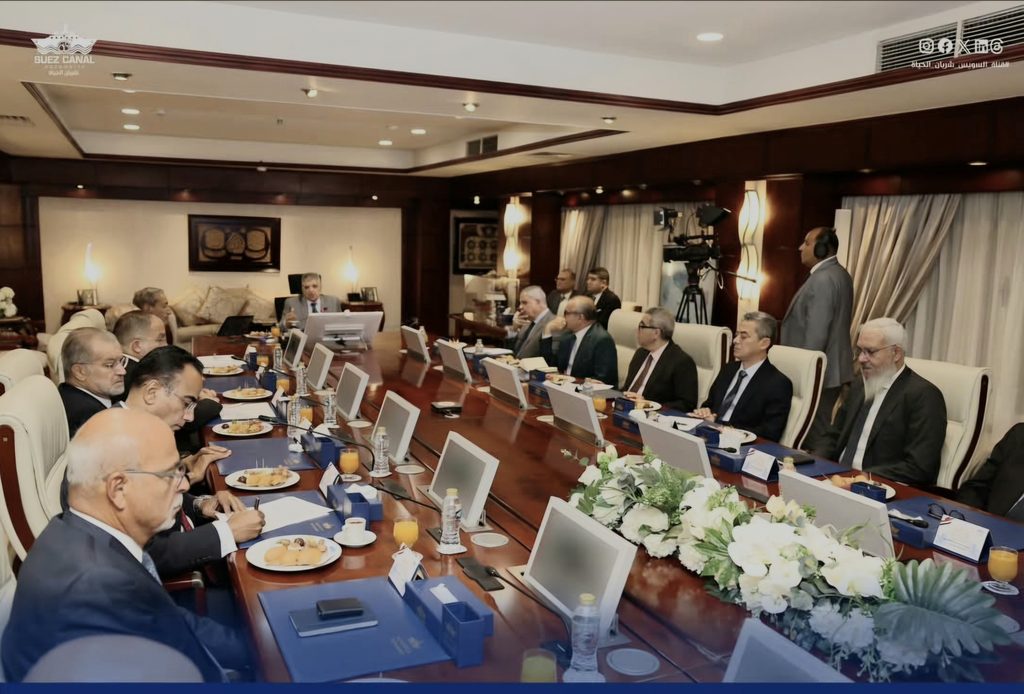
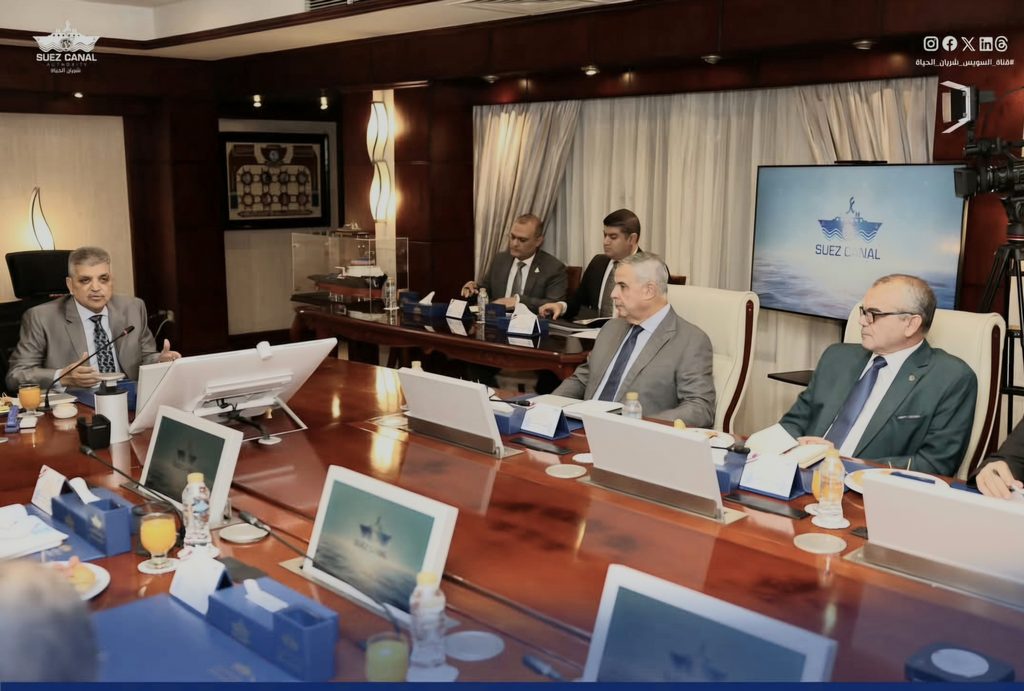
    The development emerged during a meeting on October 20 between Suez Canal Authority (SCA) Chairman Adm. Ossama Rabiee and Juan Pablo Richards, Hapag-Lloyd’s Senior Managing Director for Region South Europe. The meeting took place at the Authority’s headquarters in the Irshad Building in Ismailia, where both sides discussed strengthening cooperation and the potential return of more shipping services.

    The discussions also addressed the SCA’s ongoing development of navigation services, fleet modernization and opportunities for future cooperation in maritime training.

    Hapag-Lloyd Expects Additional Suez Canal Services to Return

    During the meeting, Richards confirmed that Hapag-Lloyd continues to monitor developments in the Red Sea region and maritime safety indicators. These assessments will guide the shipping line’s decisions on adjusting and updating its sailing schedules.

    He indicated that the gradual return of vessel transits through the Bab el-Mandeb Strait and the Suez Canal could support further changes to the carrier’s service network.

    According to Richards, additional Hapag-Lloyd Suez Canal services are expected to return in the coming period. These would complement the two existing Asia-Europe services already operating through the waterway.

    However, the discussions did not establish a specific timetable for the return of additional services.

    Richards also expressed appreciation for the longstanding cooperation between Hapag-Lloyd and the Suez Canal Authority. He acknowledged the notable improvements in services provided by the SCA to the maritime transport industry and expressed hope that navigation indicators would continue to improve.

    His remarks reflected the importance of maritime safety conditions in determining the pace at which Hapag-Lloyd adjusts its operations through the Red Sea and Suez Canal.

    Suez Canal Authority Reaffirms Readiness for Returning Shipping Services

    Adm. Rabiee reaffirmed the Suez Canal’s readiness to accommodate shipping services seeking to resume transits through the waterway.

    He highlighted the Authority’s continued efforts to develop navigation services and modernize its fleet to meet the operational requirements of shipping lines and other maritime customers.

    The SCA Chairman also expressed hope for the full return of Hapag-Lloyd’s services to the Canal.

    Rabiee emphasized the importance of the Suez Canal to the sustainability of global supply chains, particularly amid geopolitical challenges and rapid changes affecting the international shipping industry.

    His remarks underscored the Authority’s commitment to maintaining the Canal’s operational capabilities and service standards as shipping lines reassess their transit arrangements.

    The meeting provided an opportunity for both parties to review the prospects for additional Hapag-Lloyd Suez Canal services while discussing the Authority’s preparations to accommodate returning traffic.

    SCA and Hapag-Lloyd Explore Maritime Training Cooperation in Damietta

    Beyond vessel transits, the meeting explored opportunities to expand cooperation between the Suez Canal Authority and Hapag-Lloyd into new areas.

    Richards highlighted a potential collaboration between the SCA’s Maritime Training and Simulation Academy and the Damietta Alliance Container Handling “Tahya Misr 1” Terminal at Damietta Port.

    The proposed cooperation would focus on providing training for ship masters, drawing on the Academy’s maritime training and simulation capabilities.

    Hapag-Lloyd is a major investor in the Damietta Alliance Terminal, creating an opportunity to explore training cooperation involving the terminal and the SCA’s specialized maritime training facilities.

    The discussions identified maritime training as a possible additional area of cooperation between the shipping line and the Authority. No specific implementation arrangements or timetable for the proposed initiative were announced.

    Senior Officials Attend Cooperation Discussions

    The meeting was attended by Eng. Marwan El-Sammak, Chairman of Hapag-Lloyd’s Egypt operations, alongside senior officials from the Suez Canal Authority.

    SCA representatives included Dr. Fathy Abdel Bary, Director of the Planning, Research and Studies Department, and Eng. Abdel Rahman Ramadan, Director of the Transit Department.

    Their participation brought together officials responsible for commercial relations, planning and vessel transit operations as the two organizations examined opportunities to strengthen their cooperation.

    The discussions covered both the potential return of additional Hapag-Lloyd shipping services and future collaboration in maritime training, reflecting the broader scope of the relationship between the Suez Canal Authority and the carrier.

    Source: Suez Canal Authority

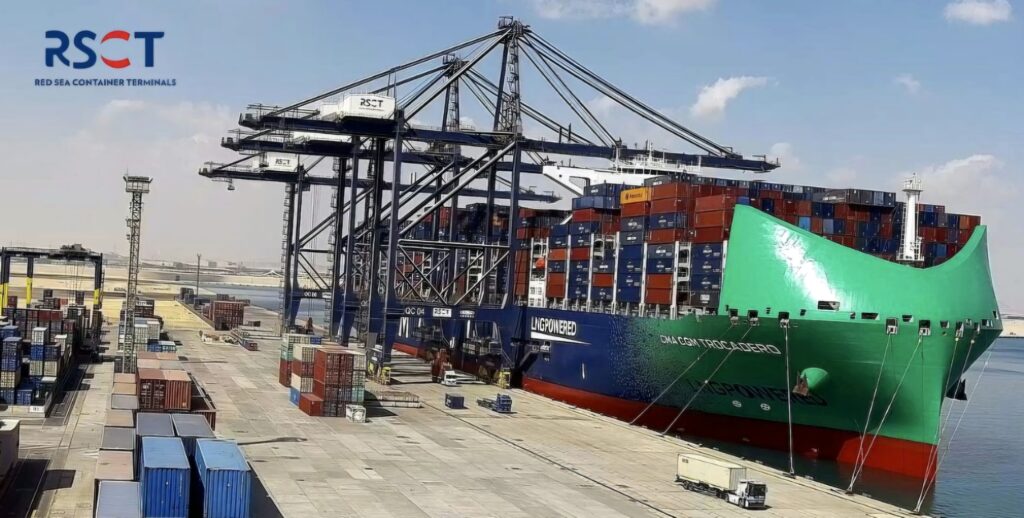
  • CMA CGM TROCADERO Calls at RSCT Sokhna With 23,104 TEU Capacity

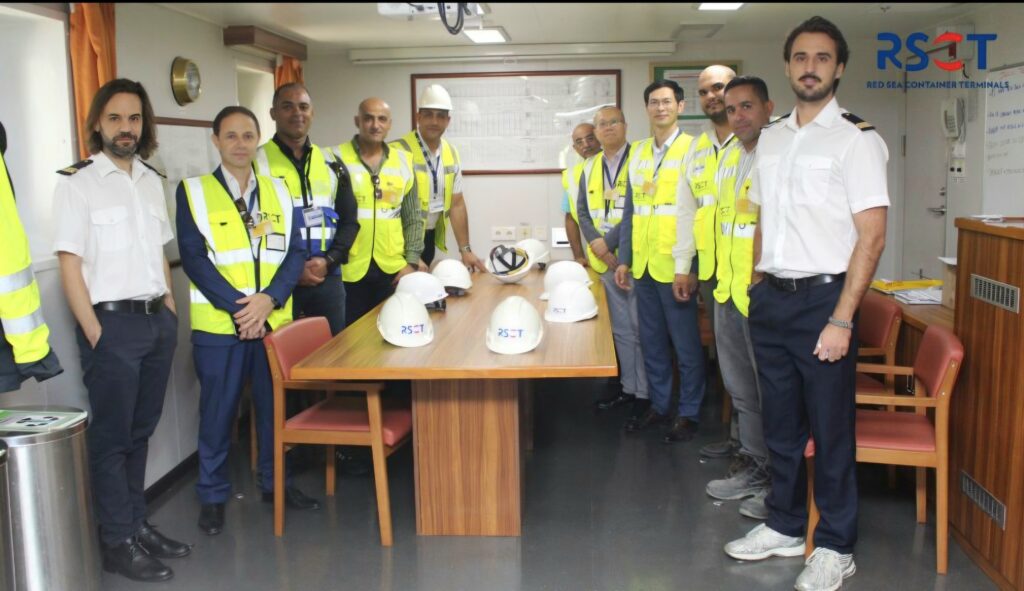
    Shipping Arabia, October 14, 2026 – Red Sea Container Terminals (RSCT) has welcomed the ultra-large container vessel CMA CGM TROCADERO at its Sokhna terminal in Egypt, marking another significant vessel call and demonstrating the terminal’s ability to accommodate some of the world’s largest container ships.

    Measuring 400 meters in length and offering a capacity of 23,104 TEU, CMA CGM TROCADERO is among the largest container vessels to call at RSCT Sokhna. The vessel’s arrival highlights the terminal’s operational capabilities and readiness to handle Ultra Large Container Vessels (ULCVs) safely and efficiently.

    According to RSCT, the call reinforces the terminal’s position as a strategic maritime gateway supporting Egypt’s role in international trade and major East–West cargo flows through the Red Sea and Suez Canal.

    RSCT Sokhna Demonstrates Ultra-Large Container Vessel Handling Capabilities

    The arrival of CMA CGM TROCADERO represents another demonstration of RSCT Sokhna’s capacity to receive ultra-large container vessels. With a carrying capacity exceeding 23,000 TEU, the vessel is among the largest container ships handled at the terminal.

    RSCT emphasized that accommodating vessels of this size reflects its operational readiness to serve large-capacity container ships while maintaining safe and efficient terminal operations.

    The terminal also highlighted the importance of continuing to welcome some of the world’s largest container vessels, underlining its focus on supporting shipping lines operating large-capacity fleets.

    Supporting East–West Maritime Trade Through the Red Sea

    Beyond the vessel’s dimensions and carrying capacity, RSCT views calls of this scale as important to strengthening its position within international maritime trade networks.

    The terminal identified its strategic role in supporting cargo movements between major East–West markets through the Red Sea and Suez Canal. It also emphasized the contribution of large container vessel calls to Egypt’s growing role in global trade.

    As shipping lines assess their maritime networks and vessel deployment strategies, RSCT has expressed its readiness to explore opportunities for future vessel calls and provide terminal services that support their operational requirements.

    The arrival of CMA CGM TROCADERO adds to the terminal’s experience in accommodating ultra-large container vessels and reflects its continued focus on serving major international shipping operations through Sokhna.

    Source: Red Sea Container Terminals (RSCT)

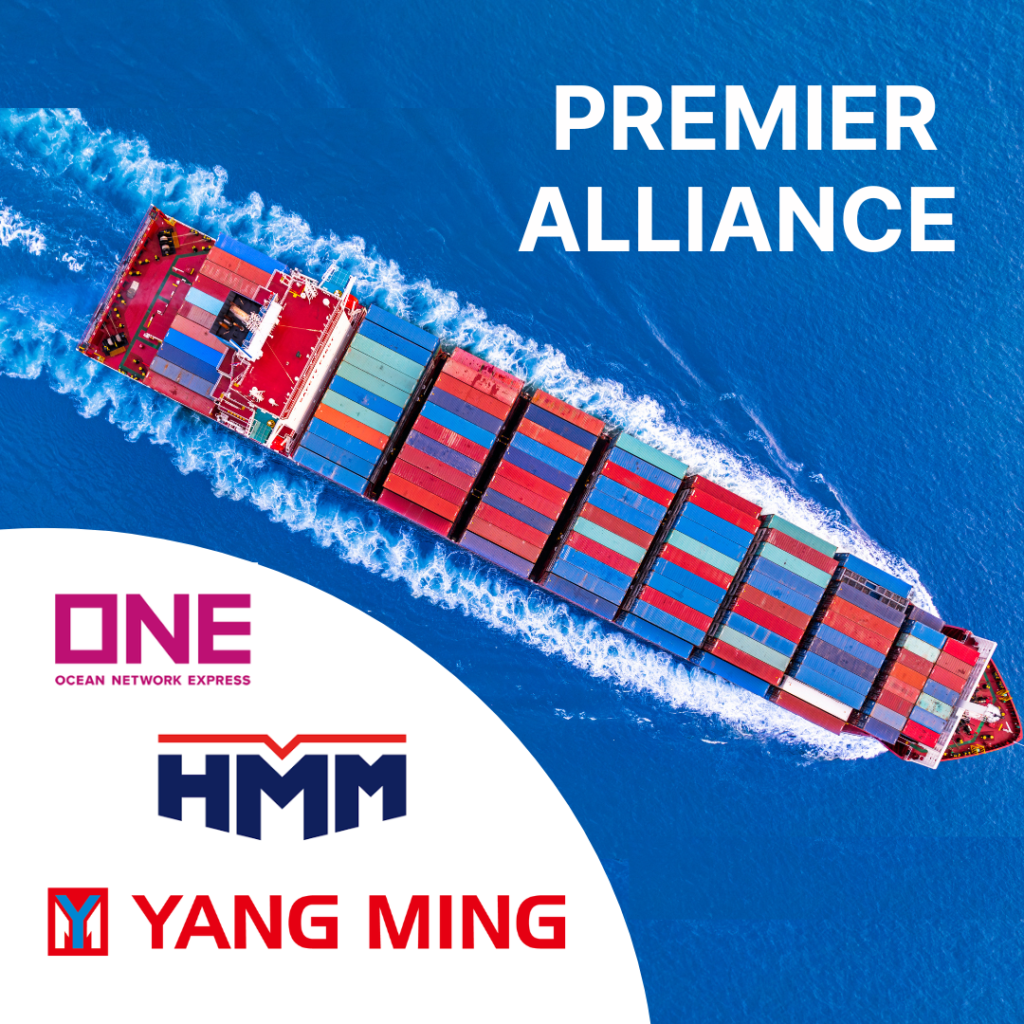
  • Premier Alliance Suez Canal Return Adds Momentum to Red Sea Reopening

    Shipping Arabia, October 4, 2026 – The Premier Alliance Suez Canal return is set to begin this month as ONE, HMM and Yang Ming restore their FE1 service between Southeast Asia and Northern Europe via the canal, adding further momentum to the container shipping sector’s gradual shift away from Cape of Good Hope diversions.

    According to consultancy Linerlytica, the move will mark Premier Alliance’s first departure from the Cape routing it adopted in January. The first sailing is expected to be operated by the 8,110-TEU ONE Continuity, which is scheduled to depart Laem Chabang on October 17.

    Premier Alliance had remained one of the more prominent holdouts from the Suez route while rival carriers gradually rebuilt services through the Red Sea. Its planned return now adds to the cumulative shift in container capacity back toward the canal.

    Premier Alliance Suez Canal Return Follows Other Service Changes

    The Gemini partners, Maersk and Hapag-Lloyd, are also increasing their use of the route. Hapag-Lloyd confirmed that its SE1 service will route the Umm Qarn toward Suez from Tanjung Pelepas on October 27.

    That change follows earlier route adjustments involving the NE4, SE2 and IEX services, according to the report.

    The scale of the broader return is becoming increasingly significant. Maritime Strategies International estimates that around 35% of Asia-Europe sailings are currently using the Red Sea.

    Meanwhile, Linerlytica calculates that more than 140 containerships representing over 2 million TEU of capacity have returned to Suez Canal routes since May.

    Security Remains Main Constraint on Faster Normalization

    Despite the accelerating return, security conditions remain the principal obstacle to a faster normalization of Red Sea shipping, according to Linerlytica.

    Demand for naval escorts through the southern Red Sea has risen to the point that the European Union’s Aspides mission has acknowledged that the available warships are insufficient to meet all escort requests.

    This security constraint continues to affect the pace at which carriers can restore services through the region, even as a growing share of Asia-Europe sailings returns to the Red Sea and Suez Canal.

    Suez Return Raises Container Capacity Concerns

    The gradual restoration of Suez routings is also increasing attention on the amount of vessel capacity that could return to the market.

    Cape of Good Hope diversions have helped absorb a substantial amount of containership capacity. Linerlytica said the containership orderbook has reached a record 15.6 million TEU, equivalent to more than 45% of the current fleet.

    As more services return to the shorter Suez routing, some of the effective capacity absorbed by longer voyages could be released back into the market.

    Freight markets are already showing early signs of pressure. Freightos reported that Asia-Northern Europe spot rates fell 9% in its latest weekly assessment to $3,376 per FEU.

    Asia-Mediterranean spot rates declined 7% to $3,620 per FEU. Part of the weakness was attributed to the gradual resumption of Red Sea shipping, which is restoring effective vessel capacity.

    MSI Flags Earnings Impact as Voyages Shorten

    Maritime Strategies International has also warned that a resumption of Suez Canal transits could weigh on earnings because shorter routings reduce vessel demand.

    However, its latest containership outlook continues to indicate strong charter markets through the first half of 2027, particularly for feeder and midsize vessels.

    Congestion is currently absorbing part of the potential capacity surplus. Linerlytica estimates that 3.76 million TEU, equivalent to 10.9% of the global fleet, is currently affected by congestion.

    Sea-Intelligence places the proportion at more than 8% and estimates that the disruption could take seven to 10 months to fully unwind.

    The Premier Alliance Suez Canal return, alongside other service restorations, therefore comes as the container shipping market faces a combination of easing route diversions, significant new vessel capacity and persistent congestion.

    Source: Al Mal News

  • Global Shipping Adapts to Middle East Disruptions as Suez Return Remains Gradual

    Shipping Arabia, October 1, 2026 – Global container shipping has adapted to prolonged disruptions across the Middle East, maintaining cargo flows through alternative routes and operational adjustments, but the industry’s return to normal conditions is expected to be considerably more gradual.

    Shipping companies have spent months adjusting their networks in response to disruptions affecting the Red Sea and the Strait of Hormuz. While those measures have allowed global trade to continue, they have come at the expense of higher operating costs, longer voyages and reduced network efficiency.

    Several Maersk services have now returned to the Red Sea and Suez Canal route after earlier diversions prompted by regional security concerns, providing one of the clearest indications that carriers are gradually restoring some of their traditional routing.

    Maersk’s global head of chemicals, Patrick Hore, said the container shipping system had adapted to disruption in the Middle East, although vessel availability and irregular trade flows continued to present significant challenges. The carrier has been increasing the number of services operating through the Red Sea and Suez Canal, including six major Asia-Europe services as well as services connecting the Middle East with Europe and North America.

    For the wider industry, however, adaptation should not be confused with a complete return to normal operating conditions.

    AbdulRahman Taleb Ali, a maritime specialist and researcher, board member of the Jordan Shipping Association and founder of Shipping Arabia, a leading maritime news platform covering the Middle East and North Africa, told CNN Business Arabic that the global maritime shipping system had successfully adjusted to disruptions in both the Red Sea and Strait of Hormuz, but that this adjustment had come at a cost to efficiency and operating expenses.

    Shipping companies have maintained the movement of cargo by introducing alternative routes, particularly around the Cape of Good Hope, but longer voyages have increased fuel consumption, security-related expenses and other operating costs.

    The gradual return to the Suez Canal represents another part of that adaptation process rather than an immediate restoration of pre-disruption shipping patterns.

    Ali said carriers continue to assess security risks, market demand and costs as they determine when and how to restore services through the canal. Suez nevertheless remains the shortest and most efficient maritime connection between Asia and Europe.

    A broader return to the Suez route could reduce both transit times and transportation costs for cargo moving from China and other Asian markets into Europe, while helping shipping networks regain some of the efficiency lost during prolonged diversions around southern Africa.

    The transition is taking place against a backdrop of continued pressure on global container shipping capacity.

    DHL Global Forwarding data cited by CNN Business Arabic showed that global freight rates continued to rise during September, with particularly strong upward pressure on eastbound trans-Pacific services.

    Carriers are also gradually increasing their use of the Suez Canal. Around 18% of relevant Asia-Europe services are now planned to operate through the route, according to the report.

    Capacity constraints, meanwhile, are not necessarily being driven by stronger cargo demand alone. ICIS reported that Maersk was operating at around 96% of capacity, with slower vessel movements through ports and inland distribution networks absorbing available ships and equipment.

    Equipment availability has also evolved as shipping networks adjust.

    Ali said shortages of empty containers were no longer the industry’s primary challenge, with the gradual return of services through the Suez Canal helping improve equipment availability. However, the continued use of the Cape of Good Hope by some carriers is contributing to imbalances in the distribution of empty containers between export ports.

    Longer voyages around the Cape also require additional vessel capacity to maintain scheduled services. The consequences extend beyond the additional distance, with carriers facing higher fuel consumption, insurance premiums and war-risk costs, as well as increased seafarer wages and risk allowances.

    These pressures are being compounded by strong demand for shipping capacity and limited routing alternatives in parts of the global network.

    A larger shift back toward the Red Sea and Suez Canal could ultimately ease some of these pressures by shortening voyages and releasing vessel capacity. In the short term, however, the transition itself could create a new operational challenge for European ports.

    Ships travelling through the Suez Canal reach Europe considerably faster than vessels continuing around the Cape of Good Hope. As carriers gradually restore Suez routings, faster vessels using the canal could therefore arrive at European ports at approximately the same time as slower ships that departed earlier via southern Africa.

    This convergence could temporarily increase congestion at some European terminals.

    DHL data showed that global port congestion was approaching capacity equivalent to 4 million containers, highlighting the pressure already affecting parts of the international logistics network.

    Ali said any congestion resulting from the overlapping arrival patterns should be viewed as a transitional challenge rather than a permanent condition. As shipping lines progressively restore traditional routes, ports and shipping networks will need time to realign vessel schedules, equipment flows and capacity.

    The developments illustrate how the global shipping industry has demonstrated its ability to adapt to prolonged geopolitical disruption, but also how difficult it is to reverse those adjustments once networks have been reorganized around alternative routes.

    The return to Suez is therefore likely to remain progressive. Even as more services resume passage through the Red Sea, carriers will continue balancing security, cost and operational considerations while global shipping networks work through the consequences of months of altered vessel schedules and longer voyages.

    Source: CNN Business Arabic

  • Major Shipping Lines Increase and Consider Return to Suez Canal Transits

    Shipping Arabia, September 30, 2026 – Major shipping lines are increasing or considering a return to Suez Canal transits as more maritime services resume using the waterway, according to discussions between the Suez Canal Authority and representatives of 20 major shipping lines and shipping agencies.

    Admiral Ossama Rabiee, Chairman and Managing Director of the Suez Canal Authority, said flexible pricing policies and effective communication with customers have contributed to the return of a significant number of maritime services operated by major shipping lines. He also stressed that readiness and preparedness levels across the Canal’s operational system have been elevated, while navigation continues to proceed smoothly.

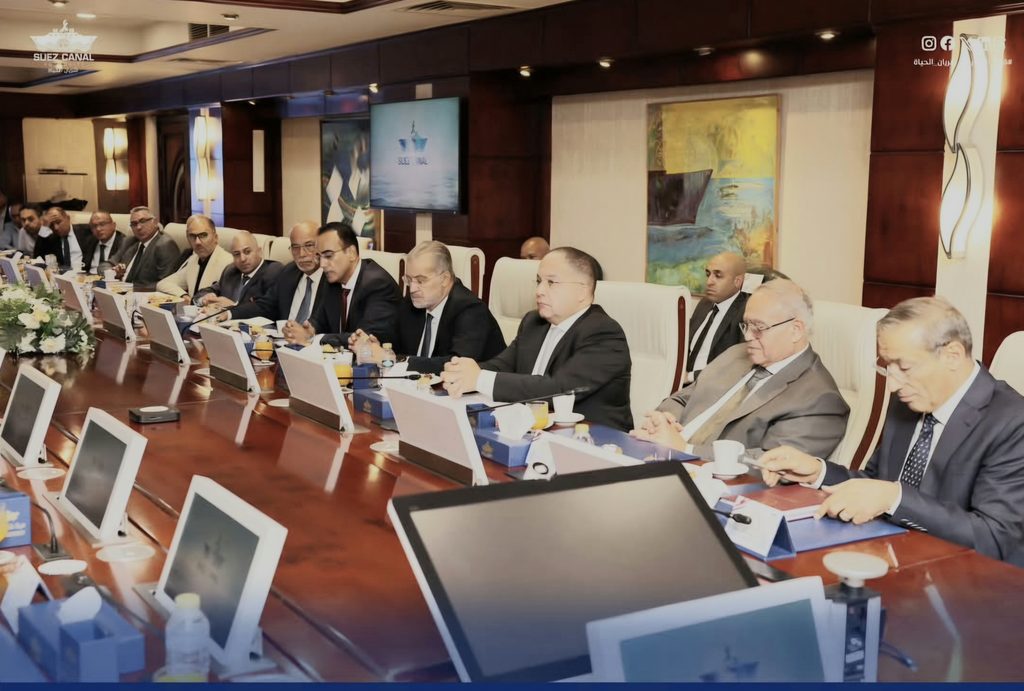
    The meeting was held at the SCA’s headquarters in the Irshad Building in Ismailia. It was attended by senior Authority officials, including SCA deputy chairmen Admiral Ashraf Atwa and Admiral Ahmed Khaled, along with board members and senior officials.

    Suez Canal Transits Increase Among Major Carriers

    The meeting formed part of the SCA’s regular engagement with stakeholders across the maritime sector. These include international organizations, major shipping lines, international chambers of shipping, shipping agencies and other relevant entities.

    Rabiee described shipping line and agency representatives as important partners and a key link in maintaining communication with major carriers. He said the SCA remains ready to discuss ways of supporting its customers and has continued modernizing its navigational and maritime services to meet vessel requirements under both normal and emergency conditions.

    He also encouraged customers to provide feedback on the Authority’s new maritime and logistics services through evaluation channels available on the SCA website. The objective, he said, is to maintain high standards of service quality and operational efficiency.

    CMA CGM Group in Egypt and Sudan CEO Tarek Zaghloul said the carrier has continued transiting the Suez Canal since Red Sea tensions began. He reported that 60 CMA CGM vessels passed through the Canal during September, reflecting the carrier’s continued use of the route.

    A.P. Moller-Maersk Group Representative in the Middle East and North Africa Hany El Nady also highlighted an increase in the company’s Suez Canal activity. He said Maersk transits rose from eight vessels in September 2025 to 67 in September 2026 and expected yearly transits to reach 278 in the future.

    Yang Ming, OOCL and COSCO Consider More Canal Traffic

    Several other carriers indicated that they are considering renewed or increased Suez Canal transits.

    Ashraf Sami, General Manager of Branches at Yang Ming, praised the SCA’s infrastructure development, modernization of its maritime fleet and efforts to improve workforce efficiency. He said Yang Ming is seriously considering returning to Suez Canal transits in the near future.

    Abd El-Aziz Nabil, General Manager of maritime agency INCHCAPE, said OOCL intends to return to the Canal. He expected the carrier to conduct an experimental transit during October.

    COSCO General Manager Hany El-Sallamy said the carrier is considering increasing its voyages through the Canal following a successful transit by one of its container ships a few days earlier. He added that three further COSCO vessels are scheduled to transit the Canal during the coming period.

    Mohamed El-Alfy, General Manager of Gulf Agency Company, said the current period is showing positive signs as a number of maritime services operated by major shipping lines return. He also expressed expectations for higher traffic levels through the Canal in the coming period.

    SCA Highlights Readiness and Crisis Monitoring

    Rabiee emphasized the Canal’s operational readiness and said SCA pilots continue to demonstrate high levels of performance and preparedness.

    He also addressed the impact of geopolitical challenges on the maritime industry. According to Rabiee, regional developments have affected the sustainability of global supply chains and contributed to higher fuel prices, freight rates and insurance premiums, increasing pressure on global maritime transport.

    The SCA’s Crisis Management Center is monitoring regional developments around the clock and assessing their potential impact on Canal navigation. The Authority’s Economic Research Unit within the Planning Department is also evaluating these developments.

    Participants discussed the regional situation and its effects on navigation schedules and operational plans. They also explored ways to strengthen future cooperation between the Authority, shipping lines and maritime agencies.

    Shipping Agencies Back SCA Services and Shipyard Capabilities

    Rear Admiral Ehab El Banan, Chairman of Clarkson Shipping Agency Company, praised the SCA’s approach of consulting shipping lines and maritime agencies and exchanging views with them. He said this cooperation supports the development of a shared vision and decisions that serve mutual interests.

    El Banan also expressed hope for greater regional stability, which he said would support recovery and growth in Canal navigation. He described the Suez Canal as the shortest and most cost-effective maritime route.

    Adel Ellameey, a member of parliament and Chairman of the Port Said Navigation Chamber, praised the Authority’s crisis management efforts and the quality of its services, particularly ship maintenance and repair. He proposed exploring an expansion of navigational services through cooperation between the SCA and private shipping agencies.

    Ellameey also proposed that the Authority organize a global maritime conference bringing together major stakeholders from across the maritime community. The proposed event would also provide an opportunity to promote the SCA’s range of services.

    Wassim Shukri, Director of the Canal region at maritime agency WILHELMSEN, praised the Authority’s efforts to upgrade services offered to transiting ships. He highlighted mooring, maintenance and repair services and referred to maintenance and repair work carried out on the vessel RED ZED at Suez Shipyard Co.

    Wider Maritime Industry Participation

    The meeting also included representatives of SPHINX, LETH, NOATUM MARITIME, ARKAS, FENMAR, MEDLEVANT, Damanhour Shipping Agency and Assiut Shipping Agency. Representatives from shipping lines ONE and EVERGREEN also participated.

    The broad attendance formed part of the SCA’s ongoing engagement with shipping companies and maritime service providers as it seeks to maintain direct communication with Canal users.

    At the conclusion of the meeting, Rabiee reiterated the Suez Canal’s readiness to deal with difficult situations and emergencies. He also stressed the Authority’s ability to meet customer expectations and operational requirements as shipping lines reassess their routing through the Canal.

    Source: Suez Canal Authority

  • Higher Asia Freight Rates Raise Cost Pressures on Egyptian Trade

    Shipping Arabia, September 27, 2026 – Rising container freight rates on services from Asia are adding further cost pressure to Egyptian trade, as shipping and operating expenses increase across supply chains, according to Amr El-Samdouni, Secretary-General of the International Transport and Logistics Division at the Cairo Chamber of Commerce.

    El-Samdouni said current freight quotations from Chinese ports to Damietta indicate elevated container transport costs. Rates vary significantly depending on the shipping line, route and sailing date.

    The cost of shipping a 20-foot container currently ranges from $3,350 to $4,075, while rates for a 40-foot container range from $5,100 to $5,375.

    China–Damietta freight rates remain elevated

    El-Samdouni said the published rates cover shipments from Ningbo, Shenzhen, Qingdao and Shanghai to Damietta.

    From Ningbo to Damietta, the rate on ONE’s direct service stands at around $3,350 for a 20-foot container and $5,100 for a 40-foot container.

    On YML services from Ningbo, the corresponding rates rise to approximately $3,950 for a 20-foot container and $5,150 for a 40-foot container.

    Rates from Shanghai vary more widely. A 20-foot container costs between $3,400 and $4,075, while a 40-foot container is quoted at between $5,175 and $5,375, depending on the carrier.

    Some services also include additional charges. These include an ENS fee of $35 per bill of lading, as well as overweight surcharges for containers exceeding specified weight thresholds.

    Depending on the shipment weight, overweight charges on some services can add as much as $600 to the cost of a 20-foot container.

    Higher freight costs spread through supply chains

    El-Samdouni said these freight levels directly affect the cost of Egyptian imports, particularly production inputs, raw materials and intermediate goods.

    He added that higher shipping costs can also affect the cost of Egyptian products destined for foreign markets, increasing the need for close monitoring of maritime freight market developments.

    The impact, he said, does not stop at the ocean freight rate itself. Higher transport costs can spread through the wider supply chain, affecting storage, inland transportation, insurance and port-related services.

    If elevated maritime transport costs continue for extended periods, the cumulative effect could raise the final cost of goods.

    Egypt’s ports and Suez Canal gain strategic importance

    El-Samdouni said higher maritime transport costs reinforce the importance of Egypt’s geographic position, the Suez Canal and the country’s ports.

    He said Egypt could use these advantages to attract more shipping lines and provide integrated logistics services for vessels and cargo.

    However, he stressed that improving the competitiveness of Egyptian ports depends on more than transit charges or the cost of individual services.

    According to El-Samdouni, a competitive port system also requires faster cargo clearance, improved logistics services, greater container-handling efficiency and stronger links between ports, industrial zones and distribution centers.

    Red Sea and routing decisions remain key freight factors

    El-Samdouni said marine fuel prices, developments affecting navigation in the Red Sea and the Suez Canal, and shipping lines’ decisions on vessel routing will remain important factors in determining freight rate trends during the coming period.

    He also said Egypt has an opportunity to make greater use of its strategic location by developing its ports and the Suez Canal into integrated centers for trade, logistics services and re-export activity.

    Such development, he said, could help reduce the impact of fluctuations in global transport costs while supporting the competitiveness of the Egyptian economy.

    Source: Erem Business

Back to top button