Transit Cargo

  • Aqaba Ports Cargo Throughput Surges 46% as Container Volumes Rise 8% in 2026

    Shipping Arabia, November 12, 2026 – Aqaba ports cargo throughput increased by 46% during the first 10 months of 2026, reaching 12.386 million tonnes compared with 8.494 million tonnes during the same period in 2025. Meanwhile, Aqaba Container Terminal (ACT) recorded an 8% increase in container volumes, highlighting growth in Jordan’s maritime cargo operations.

    The figures were released by Jordan’s customs clearance and freight transport companies’ syndicate, based on official statistics covering port operations, customs declarations and freight movements between January and October 2026.

    The data also showed increased vessel arrivals at Aqaba’s main ports, alongside substantial customs and transit activity across Jordan’s border crossings. Syndicate President Dhaifallah Abu Aqoula highlighted Aqaba’s growing role as a logistics gateway serving Jordan and neighboring regional markets.

    Aqaba Ports Cargo Throughput Reaches 12.386 Million Tonnes

    Total cargo throughput across Aqaba’s main ports reached 12.386 million tonnes during the reporting period, compared with 8.494 million tonnes a year earlier. The 46% increase covered cargo handled through the main port, oil and gas port, and passenger port.

    Vessel traffic also increased during the first 10 months of 2026. A total of 1,430 vessels arrived at Aqaba’s main ports and completed their discharge operations, compared with 1,333 vessels during the corresponding period of 2025.

    The increase of 97 vessels was distributed across the three port facilities.

    Aqaba’s main port received 350 vessels, compared with 334 during the previous year, representing an increase of 16 vessels. Meanwhile, the oil and gas port handled 142 vessels, up from 104, an increase of 38 vessels.

    The passenger port recorded 938 vessel arrivals, compared with 895 during the same period in 2025, representing an increase of 43 vessels.

    These figures reflect higher vessel activity across Aqaba’s port facilities, alongside the significant increase in overall cargo volumes.

    Aqaba Container Terminal Handles 896,290 TEUs

    Aqaba Container Terminal also reported growth in container handling volumes during the January–October 2026 period.

    According to the syndicate’s figures, the terminal handled 896,290 TEUs, compared with 827,140 TEUs during the corresponding period in 2025. This represented an increase of approximately 8%.

    Loaded import containers reached 466,875 TEUs, up from 416,211 TEUs a year earlier, representing growth of 12%.

    However, loaded export containers declined to 87,535 TEUs, compared with 94,600 TEUs during the first 10 months of 2025.

    Despite the increase in total container throughput, vessel arrivals at the container terminal remained largely unchanged. ACT received 497 container vessels during the reporting period, compared with 496 vessels a year earlier.

    The figures show that container handling volumes increased while the number of container vessel calls remained relatively stable.

    Jordan Records More Than 919,000 Customs Declarations

    Beyond port operations, the syndicate reported significant customs clearance activity across Jordan’s customs centers and border crossings.

    Companies operating in the customs clearance and freight transport sector processed 919,470 customs declarations during the first 10 months of 2026.

    The reported declarations included 319,027 import declarations for the domestic market, 159,960 export declarations and 18,356 re-export declarations. The figures also included 29,650 temporary admission declarations and 318,128 transit declarations covering cargo movements through Jordanian territory.

    Aqaba Customs Directorate recorded the highest number of declarations among the listed customs locations, processing 208,778 declarations. This total covered Aqaba Customs, passenger vessel customs operations, Durra and Wadi Araba.

    Omari Customs, which connects Jordan with Saudi Arabia, followed with 197,262 declarations.

    The airport clearance customs center at Zizya and the Mashta Airport Free Zone recorded 143,000 declarations, while the Amman, Sahab and Raqeem customs facilities processed 119,558 declarations.

    Jaber Customs, serving the border crossing with Syria, handled 80,239 declarations. The Zarqa Free Zone recorded 56,384 declarations, followed by the e-commerce customs center with 39,531 declarations.

    Karameh Customs processed 18,304 declarations, while Mudawara Customs handled 12,429 declarations. The remaining declarations were distributed among other customs and border facilities across Jordan.

    Aqaba Leads Reported Freight Movements

    The syndicate’s statistics also highlighted substantial freight movements through Jordan’s border crossings and customs facilities.

    The Aqaba corridor recorded 790,400 freight movements, the highest total among the corridors identified in the report.

    Omari Customs followed with 508,381 movements, while Jaber Customs recorded 417,724 movements. Karameh Customs accounted for another 379,296 movements.

    Separately, the Zarqa Free Zone handled 68,333 vehicles during the reporting period.

    Of these, 27,185 vehicles entered the domestic market, comprising 6,737 gasoline-powered vehicles, 4,622 diesel vehicles, 6,724 hybrid vehicles and 9,102 electric vehicles.

    Another 41,148 vehicles were exported outside Jordan through the free zone.

    These figures illustrate the scale of freight clearance, transit movements and vehicle trade handled through Jordan’s customs and logistics network.

    Aqaba’s Role as a Regional Logistics Gateway

    Commenting on the figures, syndicate President Dhaifallah Abu Aqoula emphasized Aqaba’s importance as a logistics gateway for Jordan and regional markets.

    He said the port increasingly serves not only Jordan’s domestic import requirements but also cargo destined for Gulf Cooperation Council countries, Iraq, Syria and Lebanon.

    Abu Aqoula described this role as supporting Jordan’s development into a regional distribution center, with Aqaba serving as a key entry point for goods moving into neighboring markets.

    He also welcomed government decisions to reduce fees and facilitate cargo movements through customs centers and border crossings.

    According to Abu Aqoula, measures affecting port operations, freight transport and customs procedures have helped reduce costs for traders and importers while improving the competitiveness of Jordan’s logistics corridor against alternative regional routes.

    He attributed the sector’s performance to cooperation among customs authorities, port operators, logistics companies and other public and private stakeholders.

    Customs Modernization and Port Infrastructure Improvements

    Abu Aqoula praised the Jordan Customs Department for its role in facilitating cargo clearance and managing the movement of goods through the country’s customs facilities.

    He highlighted efforts to simplify administrative procedures, automate customs transactions, reduce clearance times and develop unified single-window processes.

    The syndicate president also emphasized the importance of completing customs procedures accurately and efficiently while maintaining coordination among the relevant authorities.

    In addition, he acknowledged the role of security agencies operating at ports and border crossings. He said their cooperation with customs clearance and transport companies had helped facilitate inspection procedures and improve cargo movements while maintaining security and safety requirements.

    Abu Aqoula also recognized the contributions of the Aqaba Special Economic Zone Authority (ASEZA), Aqaba Development Corporation (ADC), and the management of Aqaba’s main port and container terminal.

    He highlighted infrastructure development, modernization of cargo handling systems, berth efficiency improvements and simplified port entry and exit procedures among the measures supporting Aqaba’s logistics operations.

    According to Abu Aqoula, these initiatives have contributed to reducing operating costs and improving the overall efficiency of Aqaba’s port system.

    Logistics Sector Supports Jordan’s Economic Modernization

    The syndicate president emphasized that customs clearance, freight transport and logistics companies play an important role in handling goods arriving through Jordan’s ports and border crossings.

    Their activities cover cargo entering the domestic market as well as shipments moving under transit arrangements to neighboring countries.

    He linked the sector’s contribution to the objectives of Jordan’s Economic Modernization Vision, particularly its focus on facilitating trade and strengthening the movement of goods between Jordan and regional markets.

    Abu Aqoula also stressed the need for continued public-private coordination to address challenges affecting customs procedures, border operations and port activities.

    The customs clearance and freight transport companies’ syndicate, established in 1982 and registered with Jordan’s Ministry of Labour, represents businesses operating across the country’s customs clearance sector.

    According to the syndicate, Jordan has 467 licensed customs clearance companies operating approximately 2,000 branches across customs centers and border crossings. Together, these businesses provide around 10,000 employment opportunities for Jordanians.

    The latest statistics place Aqaba’s maritime performance within a broader picture of cargo handling, customs activity and regional freight movements.

    With Aqaba ports cargo throughput rising by 46% and container volumes increasing by 8%, the figures highlight the scale of activity passing through Jordan’s maritime gateway during the first 10 months of 2026.

    Source: Al Mamlaka
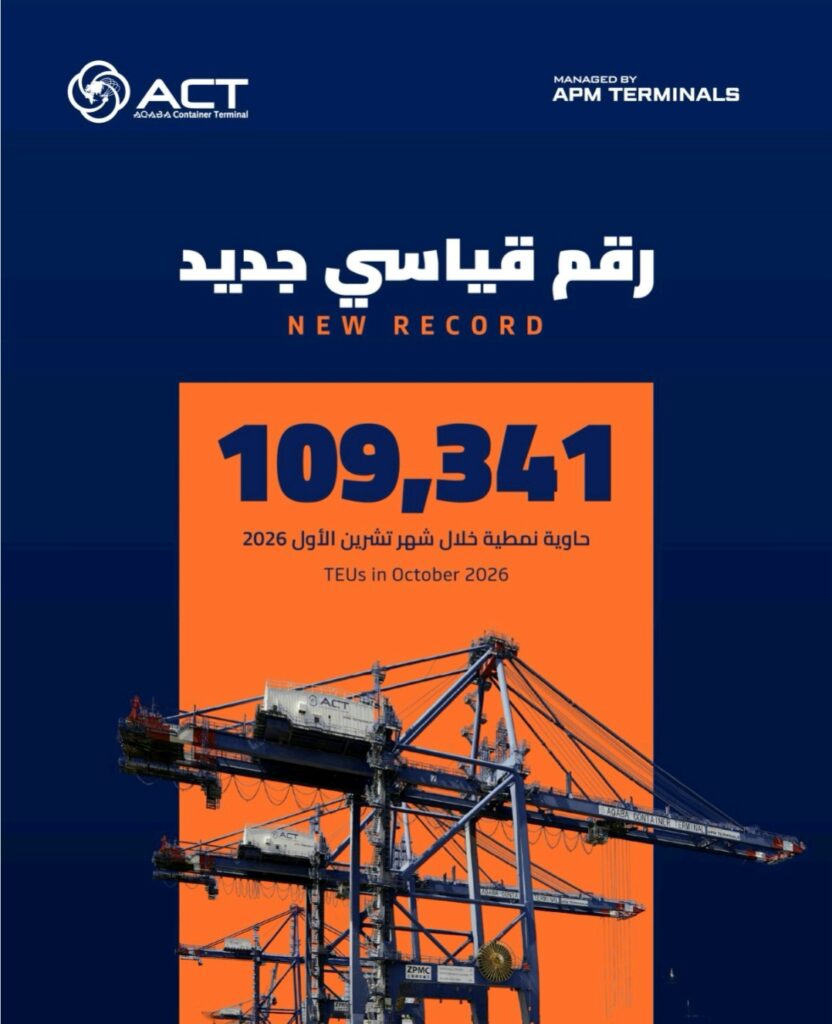
  • Aqaba Container Terminal Sets All-Time Monthly Record with 109,341 TEUs in October 2026

    Shipping Arabia, November 4, 2026 – Aqaba Container Terminal (ACT) handled a record 109,341 TEUs in October 2026, achieving the highest monthly container throughput in its history. The milestone also marked the fourth consecutive month in which the terminal exceeded 100,000 TEUs, extending a period of record-breaking operational performance at Jordan’s main container gateway.

    The latest results follow successive monthly records since July, reflecting sustained growth in container handling activity. Over the past five months, ACT has processed more than 500,000 TEUs, highlighting continued demand for its services from local and regional customers.

    Four Consecutive Months of Record Container Throughput

    Aqaba Container Terminal began its latest sequence of monthly records in July 2026, handling 101,900 TEUs. Throughput then increased to more than 104,000 TEUs in August before reaching 107,803 TEUs in September.

    October’s performance of 109,341 TEUs surpassed the previous month’s record, establishing a new all-time high for the terminal.

    The four consecutive months above 100,000 TEUs represent a significant operational milestone for ACT. The sustained volumes also reflect what the terminal described as growing confidence among local and regional customers.

    Across the five-month period ending in October, container throughput exceeded half a million TEUs. This performance underscores the terminal’s role in handling containerized trade serving Jordan, the Levant and other regional markets.

    Vessel Operations and Transit Cargo Activity

    Alongside its record container throughput, Aqaba Container Terminal reported significant vessel and transit cargo activity during October.

    The terminal served 59 vessels during the month while handling 15,268 TEUs of transit cargo. These volumes highlighted Aqaba’s role in supporting regional cargo flows beyond Jordan’s domestic import and export markets.

    Transit cargo remains an important component of the terminal’s operations, connecting regional markets through Aqaba’s maritime and landside logistics network.

    The October results demonstrate the scale of activity managed across ACT’s marine operations, including container handling for vessels and cargo moving through the terminal.

    Landside Operations Exceed 47,000 Truck Transactions

    Aqaba Container Terminal also recorded substantial activity across its landside operations during October, processing 47,814 truck transactions.

    This represented an average of more than 1,500 truck transactions per day, supporting the movement of goods to importers and exporters throughout Jordan.

    The landside figures complement the terminal’s record maritime throughput, reflecting the volume of cargo movements managed between vessel operations and inland transport.

    ACT highlighted the importance of efficient truck processing in maintaining cargo flows and providing dependable services to its customers, shipping lines and transport partners.

    ACT CEO Highlights Operational Excellence and Customer Confidence

    José Rueda, Chief Executive Officer of Aqaba Container Terminal, attributed the sustained operational milestones to the terminal’s focus on service quality, workforce performance and customer relationships.

    “Achieving this milestone month after month reflects a culture of operational excellence and a constant focus on our customers,” Rueda said.

    He emphasized the importance of maintaining dependable services for the different stakeholders relying on Aqaba’s container handling and logistics operations.

    “Every day, our teams work to make sure that cargo owners, shipping lines and transport partners can rely on Aqaba,” Rueda added.

    The CEO also highlighted the confidence that customers and partners continue to place in the terminal. He reaffirmed ACT’s commitment to raising operational standards, investing in future development and maintaining its position as a dependable gateway for Jordan and the surrounding region.

    Aqaba Container Terminal expressed appreciation to its customers, shipping lines, government partners and the wider trade community for their continued support.

    The terminal also reaffirmed its commitment to operational excellence, safety and sustainable growth as it builds on its recent performance.

    With four consecutive months of throughput exceeding 100,000 TEUs, October’s record of 109,341 TEUs represents the latest milestone in ACT’s sustained operational growth. The results further highlight the terminal’s importance in supporting Jordanian trade and regional logistics activity through the Port of Aqaba.

    Source: Aqaba Container Terminal

  • Saudi Ports Authority Introduces Temporary Storage Charges for Transit Cargo and Empty Containers

    Shipping Arabia, November 1, 2026 – The Saudi Ports Authority (Mawani) has approved temporary storage charges and free-storage periods for transit cargo and empty containers at Saudi ports. The measures will remain in effect for 60 days and aim to address exceptional circumstances and operational challenges affecting maritime traffic, supply chains and logistics services.

    The decision introduces temporary schedules governing storage charges and exemption periods for the specified cargo categories. Mawani said the arrangements aim to maintain business continuity, facilitate port operations and reduce the impact of current disruptions on maritime transport and logistics activities.

    Temporary Storage Charges and Free Periods at Saudi Ports

    Under the new circular, Saudi ports storage charges and free-storage periods for transit cargo and empty containers will follow the schedules attached to the directive.

    The applicable charges and exemption periods will depend on the individual port, cargo classification, storage duration, tariff bracket and calculation unit. Each port and cargo category will therefore be subject to the provisions specified in the relevant schedules.

    Mawani confirmed that the temporary arrangements will remain effective for 60 days from the circular’s implementation date.

    Following this period, the storage charges and free periods established under the Port Services Fees and Charges Regulations (Fourth Edition), including subsequent amendments, will automatically resume. However, Mawani may issue another circular modifying or terminating the temporary arrangements.

    The authority described the decision as a temporary regulatory measure introduced in response to the exceptional circumstances and operational challenges currently affecting the maritime and logistics sectors.

    Supporting Port Operations and Supply Chain Continuity

    Mawani explained that the temporary storage arrangements aim to maintain uninterrupted business activity and facilitate the movement of cargo through Saudi ports.

    The measures also seek to strengthen the ability of ports to accommodate cargo movements while maintaining the efficiency of services provided to port users.

    According to the authority, the decision forms part of its efforts to mitigate the effects of current operational challenges on maritime traffic, supply chains and logistics services.

    By establishing temporary storage schedules for transit cargo and empty containers, Mawani aims to support operational continuity and preserve the flow of goods through Saudi Arabia’s port network.

    Implementation Requirements and Previous Storage Charges

    The circular also introduces requirements for stakeholders responsible for applying storage charges and administering free-storage periods.

    From its effective date, the new directive supersedes provisions relating to storage charges and exemption periods for the covered cargo categories contained in previous circulars. Those earlier provisions will no longer apply to cargo covered by the temporary arrangements.

    All relevant parties must implement the attached schedules and update their operational systems accordingly. This includes adjustments to the systems used to calculate, invoice and collect storage charges.

    However, the circular explicitly preserves storage charges accrued during previous periods. Any amounts already payable under the earlier arrangements will remain due.

    The temporary framework will apply for the designated 60-day period unless Mawani issues further instructions changing or ending the measures.

    Source: Maaal

  • Jordan Shipping Association Discusses Aqaba Port Operational Challenges and Customs Procedures

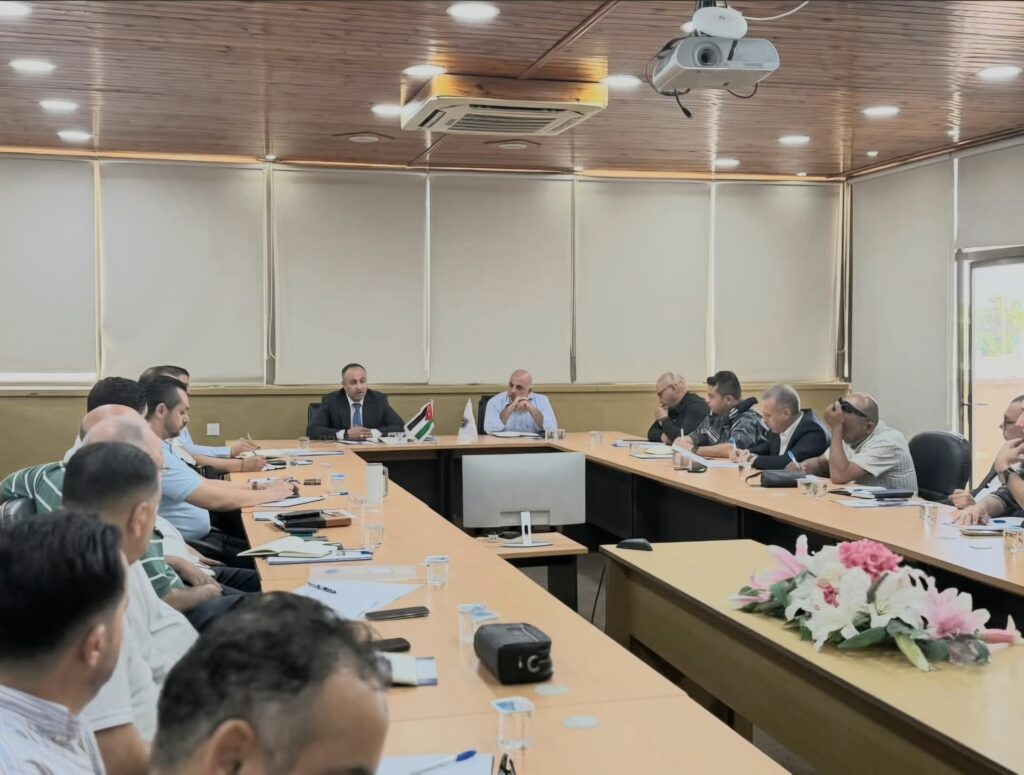
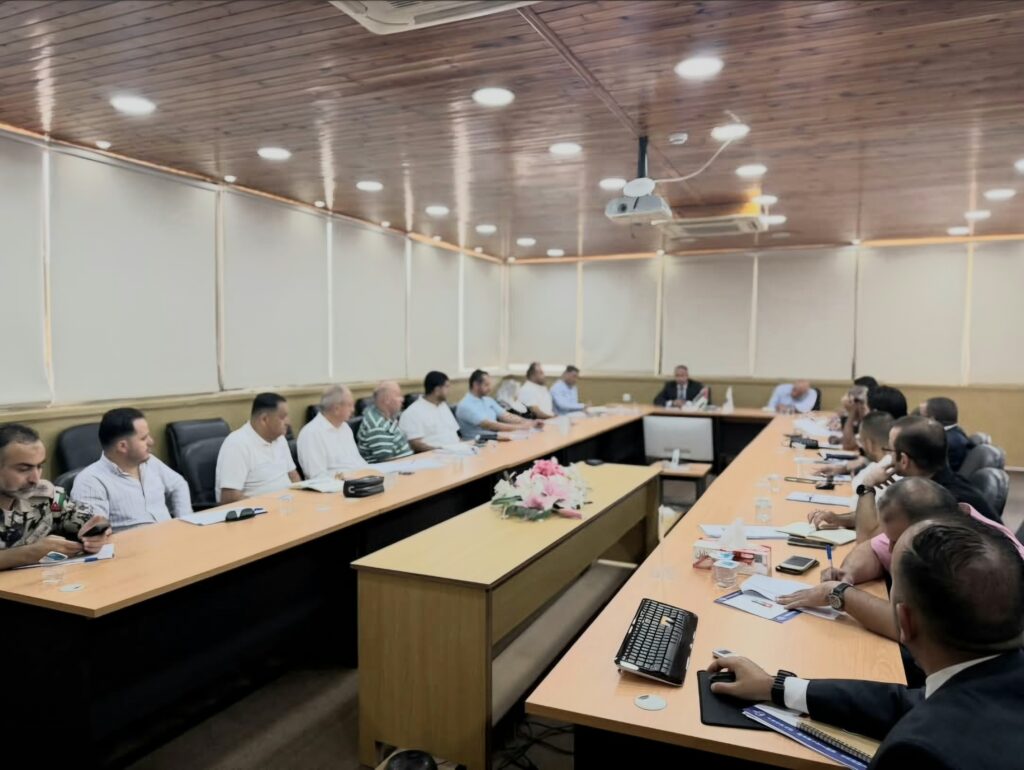
    Shipping Arabia, October 13, 2026 – The Jordan Shipping Association (JSA) held a series of meetings in Aqaba to address operational challenges, customs procedures and developments affecting maritime trade through Aqaba Port. The discussions brought together customs officials, port stakeholders and representatives of Aqaba Development Corporation (ADC) to review current operating conditions and identify measures to improve cargo movements and port efficiency.

    The meetings formed part of the association’s ongoing efforts to monitor developments in Jordan’s maritime transport and logistics sector. They also focused on addressing procedural challenges, strengthening coordination with government authorities and maintaining the smooth flow of trade amid changing geopolitical conditions.

    The JSA delegation included Chairman Zaid Al-Kalaldeh, Board Member Mohammed Abdul Hadi and Assistant General Manager Raad Hakouz.

    Aqaba Port Customs Procedures and Cargo Movements

    During a meeting with Brigadier General Yahya Al-Faraheed, Director of the Aqaba Customs Directorate, the association discussed several customs and operational matters directly affecting shipping and logistics activities.

    Key issues included the movement of vehicles out of port yards, permission to store transit cargo and electronic clearance procedures for outbound cargo manifests. The discussions also covered other customs-related procedures affecting the movement of goods and vehicles through Aqaba Port.

    The association emphasized the importance of addressing these matters to facilitate cargo flows, reduce procedural challenges and improve coordination between shipping companies and customs authorities.

    Al-Kalaldeh commended the efforts of the Jordan Customs Department in responding to challenges facing the transport and trade sectors. He noted that measures and facilitation procedures introduced by customs authorities had played an important role in mitigating the impact of existing difficulties on trade and transport activities.

    The JSA chairman also stressed the importance of maintaining close cooperation between the association and the customs department. He highlighted the need for continued coordination to address sector requirements and improve the efficiency of customs procedures.

    For his part, Al-Faraheed recognized the Jordan Shipping Association’s role in representing the interests of the maritime sector and maintaining constructive engagement with relevant authorities.

    He praised the association’s ongoing coordination and its efforts to follow up on industry concerns, emphasizing the value of cooperation in resolving challenges and improving working procedures.

    Aqaba Development Corporation Reviews Port Operating Conditions

    In a separate engagement, the Jordan Shipping Association participated in a meeting hosted by Aqaba Development Corporation, attended by representatives of various stakeholders within the Aqaba port community.

    The meeting reviewed measures already implemented across the port system and assessed current operational conditions. Participants also discussed recent changes affecting maritime transport and trade movements, particularly in light of geopolitical developments and their implications for the sector.

    Discussions focused on operational matters requiring attention and the measures needed to respond to emerging challenges. Participants examined proposals, recommendations and possible actions to strengthen the port system’s ability to adapt to changing circumstances.

    Maintaining the efficient movement of cargo through Aqaba Port was a central priority. Stakeholders considered how greater coordination and appropriate operational measures could help preserve cargo flows while addressing existing difficulties.

    The discussions also provided an opportunity for representatives of the port community to review developments affecting their respective activities and identify areas requiring continued follow-up.

    Strengthening Coordination Across Aqaba’s Maritime Sector

    The series of meetings reflected the Jordan Shipping Association’s continued engagement with government institutions, customs authorities and the wider port community.

    By raising issues related to vehicle movements, transit cargo storage and electronic customs procedures, the association sought to address operational and administrative matters that directly affect shipping and logistics activities.

    The meeting at Aqaba Development Corporation complemented these discussions by examining broader port operating conditions and the implications of geopolitical developments for maritime trade.

    Together, the engagements highlighted the importance of coordination between public authorities and private-sector stakeholders in responding to changing operating conditions.

    The Jordan Shipping Association reaffirmed its commitment to monitoring developments affecting the maritime and logistics sectors, maintaining communication with relevant authorities and supporting efforts to resolve procedural and operational challenges.

    These efforts aim to improve the efficiency of port operations, facilitate trade movements and support the continued flow of goods through Aqaba Port.

    Source: Jordan Shipping Association

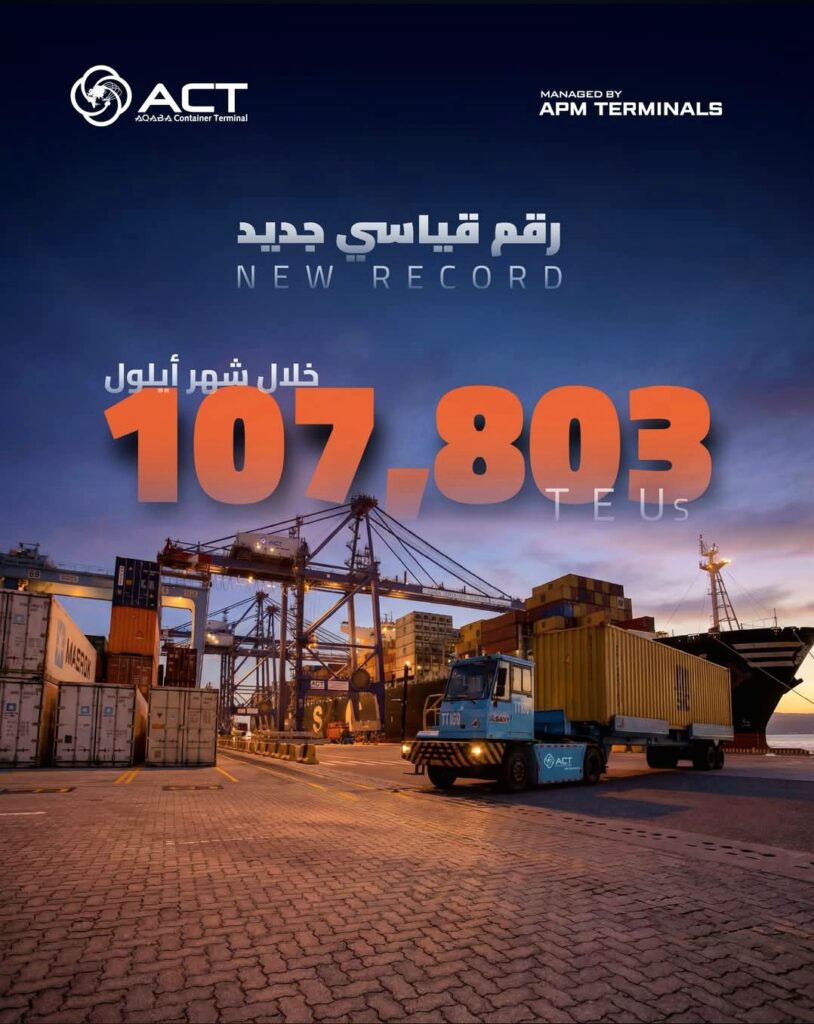
  • Aqaba Container Terminal Sets Third Consecutive Monthly Record with 107,803 TEUs in September 2026

    Shipping Arabia, October 12, 2026 – Aqaba Container Terminal (ACT) in Jordan achieved its third consecutive monthly throughput record in September 2026, handling 107,803 twenty-foot equivalent units (TEUs) across 53 vessels. The milestone marked the third straight month in which container volumes exceeded 100,000 TEUs, highlighting sustained operational momentum at Jordan’s principal container terminal.

    The September performance followed record throughput levels in July and August, extending ACT’s run of consecutive monthly records. The results reflect the terminal’s continued role in facilitating Jordan’s international trade and supporting cargo movements between the country and regional markets.

    Aqaba Container Terminal Throughput Maintains Record Levels

    ACT’s September container throughput of 107,803 TEUs represented another milestone in a period of sustained high-volume operations. The terminal surpassed the 100,000-TEU threshold for the third consecutive month, maintaining the momentum established during July and August.

    The latest figures also highlight the scale of marine activity at the terminal, with 53 vessels handled during September. ACT maintained its focus on accommodating sustained container volumes while delivering efficient and reliable services to shipping customers and supply chain partners.

    The sequence of monthly records reflects the continued importance of Aqaba within regional maritime trade flows. It also demonstrates the terminal’s capacity to handle significant container volumes as it serves Jordan and the wider regional market.

    Transit Cargo Reaches 14,712 TEUs as Truck Activity Remains Strong

    Transit cargo continued to represent an important component of ACT’s operations during September. The terminal handled 14,712 TEUs of transit shipments, reinforcing its role in facilitating the movement of goods between Jordan and regional markets.

    The transit figures highlight the importance of Aqaba’s connectivity to surrounding markets and its function as a maritime gateway for cargo moving beyond Jordan’s domestic market.

    Meanwhile, landside operations maintained high activity levels. ACT recorded 45,901 truck visits at its terminal gates during September, reflecting the substantial flow of containers between the port and inland transport networks.

    The combination of strong vessel activity, high container throughput and sustained truck movements demonstrated the terminal’s ability to manage cargo volumes across both marine and landside operations.

    According to ACT, maintaining efficient and reliable services remains essential to supporting customers and supply chain partners as the terminal handles sustained operational demand.

    ACT Reinforces Its Position as a Regional Logistics Gateway

    Commenting on the September performance, José Rueda, Chief Executive Officer of Aqaba Container Terminal, said the three consecutive months of record throughput reflected the strength and resilience of Aqaba’s position within regional trade flows.

    He emphasized that the terminal’s performance demonstrated its ability to accommodate those trade flows at scale, while maintaining the operational standards required by its customers and partners.

    Rueda also highlighted ACT’s focus on strengthening its position as a trusted regional gateway as the logistics landscape continues to evolve.

    The terminal aims to combine strong operational performance with improved connectivity, service reliability and consistent customer service standards. These priorities remain central to supporting the needs of shipping lines, logistics providers and other supply chain partners.

    According to Rueda, the sustained performance provides a strong foundation for ACT to continue contributing to the growth and competitiveness of Jordan’s logistics sector.

    The September results consolidate three consecutive months of record container throughput, reinforcing Aqaba Container Terminal’s role in facilitating regional trade and supporting Jordan’s maritime and logistics activities.

    Source: APM Terminals

    Aqaba Container Terminal in Jordan, which achieved its third consecutive monthly container throughput record in September 2026.
  • Jordan Maritime Commission Targets Vessel Waiting Times at Aqaba Ports

    Shipping Arabia, October 5, 2026 – The Jordan Maritime Commission has convened a coordination meeting in Aqaba to address vessel waiting times at Aqaba ports and identify practical measures to improve cargo flow, accelerate handling operations and strengthen the efficiency of the maritime and logistics system.

    The meeting was chaired at the Commission’s headquarters by Director General Ahmad Al-Assasleh. Representatives from the Ministry of Transport joined remotely, while participants also included the Aqaba Special Economic Zone Authority, Aqaba Development Corporation, the Royal Jordanian Navy, port and terminal operators, the Jordan Shipping Association, relevant security agencies and other stakeholders.

    The discussions focused on current port operations, the causes behind vessel waiting cases and operational measures that could improve the movement and clearance of cargo. Participants emphasized that vessel delays have multiple causes and cannot be attributed to a single party or operational factor.

    Follow-Up to August Ministerial Meeting

    The meeting reviewed progress on recommendations from a ministerial meeting held in Aqaba on August 6, 2026, chaired by Minister of Transport and Minister of Labour Dr. Nidal Al-Qatamin and Minister of Industry, Trade and Supply Eng. Yarub Al-Qudah.

    That meeting brought together government bodies, private-sector stakeholders and other parties involved in port operations to examine operational challenges and discuss measures aimed at improving efficiency and reducing congestion.

    Participants at the latest meeting reviewed the implementation of those recommendations. They noted that a significant portion had already been put into effect through Cabinet decisions approving several of the proposed measures.

    According to the meeting, these steps helped address a number of operational obstacles, ease pressure and congestion, improve cargo flow and support the continuity of supply chains.

    The Ministry of Transport and other government entities will continue to follow up on implementation in coordination with port operators, the private sector and other stakeholders. The process will also focus on measuring the actual impact of measures already taken and identifying any further obstacles that may require additional action.

    Aqaba Vessel Waiting Times Under Review

    Participants examined the circumstances behind individual vessel waiting cases, including ships that had remained at anchor or in waiting areas for extended periods.

    The meeting stressed the importance of identifying the specific cause of each case rather than treating vessel waiting as a single operational problem. It also called for greater advance readiness by vessels, agents, equipment providers, transport operators, storage yards and documentation teams before cargo operations begin.

    Improving readiness before a vessel reaches the operational stage was identified as an important step toward reducing delays and improving berth utilization.

    Participants also reviewed operational factors affecting the handling time of some ships, particularly vessels carrying several types of cargo or cargo covered by multiple bills of lading. In such cases, the meeting emphasized the need for detailed pre-planning covering cargo types, the sequence of handling operations and equipment requirements before work starts.

    This approach is intended to reduce operational stoppages and improve the use of berths and cargo-handling equipment.

    Faster Cargo and Vehicle Movement

    The meeting discussed measures to increase yard turnover and accelerate the removal of vehicles and cargo from port areas.

    Participants highlighted the need to ensure sufficient availability of trucks and car carriers in line with the scale and pace of discharge operations. Greater transport capacity would support faster evacuation of cargo from the port and reduce pressure on storage areas.

    Transit cargo was another area of focus, particularly shipments moving through Aqaba toward Iraq. Participants discussed challenges affecting these cargo flows and the need to strengthen coordination among relevant authorities to improve their movement.

    Efforts to increase port capacity were also reviewed. These include the development of additional yards for vehicles and other cargo to reduce pressure on existing storage areas and support more efficient operations.

    The meeting also discussed studying the rehabilitation and reactivation of Mu’tah Port/Berth for handling vessels carrying vegetable oils. Any such move would follow the completion of technical studies, safety requirements and the necessary approvals.

    Advance Planning and Operational Data Sharing

    Participants emphasized the importance of planning for vessels before their arrival in Aqaba.

    Regular sharing of vessel arrival schedules and operational information among relevant parties was identified as a key tool for detecting possible bottlenecks early and addressing them before they develop into congestion or extended vessel waiting times.

    The meeting also considered proposals for managing the number of vessels present in waiting areas and reactivating anchorage areas in accordance with technical and regulatory requirements and approvals from the relevant authorities.

    Greater advance coordination with shipping lines and agents was also discussed. The aim is to reduce situations in which vessels arrive in Aqaba before operational restrictions or other constraints have been identified and addressed.

    The participants stressed that improved information exchange should form part of a broader shift from reacting to congestion after it occurs toward proactive operational planning.

    This requires advance knowledge of expected vessels, their characteristics and operational requirements, combined with confirmation that port, yard, transport and logistics resources are ready before arrival.

    Measuring the Impact of Port Measures

    The Jordan Maritime Commission stressed that follow-up should extend beyond confirming whether recommendations and decisions have been implemented.

    Participants agreed that their actual effect on port performance must also be measured through clear operational indicators. These include the average vessel waiting time, the number of waiting cases resolved and the number of newly arriving ships added to waiting lists.

    Authorities will also monitor vessels that remain waiting beyond defined periods, allowing stakeholders to identify persistent cases and examine the reasons behind them.

    The meeting emphasized that reducing vessel waiting times requires coordinated action across government entities, port operators, logistics providers and the private sector. Clear responsibilities and practical follow-up mechanisms will therefore remain central to the process.

    The Jordan Maritime Commission said it will continue coordinating with the Ministry of Transport, government authorities, the private sector and other stakeholders to follow up on meeting outcomes, Cabinet decisions and operational measures.

    These efforts are intended to improve the efficiency of Aqaba’s maritime and logistics system, support supply chain continuity and strengthen the operational performance of Aqaba ports and their role in regional trade and transport.

    Source: Jordan Maritime Commission

  • Aqaba Transit Traffic Surges as Regional Trade Routes Shift

    Shipping Arabia, September 27, 2026 – The Port of Aqaba is taking on a larger role in regional trade as disruptions to traditional shipping routes encourage companies and importers to seek alternative supply chains, with transit container traffic through Jordan recording particularly strong growth toward Iraq, Syria and Lebanon.

    Aqaba is increasingly moving beyond its traditional role as Jordan’s maritime gateway for the domestic market. Its location on the Red Sea is allowing cargo arriving by sea to continue overland to other markets in the region, providing an alternative for some shipments that previously reached Iraq through Gulf ports.

    Transit activity has been the main beneficiary of this shift. During the first half of 2026, transit traffic through Aqaba increased by 155% compared with the same period in 2025.

    More than 60,000 TEUs of transit containers passed through Aqaba Container Terminal during the six-month period, compared with approximately 23,000 TEUs a year earlier.

    Iraq-bound containers drive transit growth

    The strongest change has emerged in cargo moving through Jordan toward Iraq.

    Around 37,000 containers reached Iraq through Jordan in July 2026, compared with approximately 3,600 containers in July 2025. That represented an increase of nearly 900% year on year.

    The shift comes as regional conflict and tensions affect established trade routes and encourage cargo owners and companies to consider alternatives that avoid areas facing greater maritime risk, particularly around the Strait of Hormuz.

    Some cargo that previously entered Iraq through ports in the Gulf is now being redirected to Aqaba before continuing overland into the Iraqi market.

    Aqaba also provides a route for cargo moving toward Syria and Lebanon, strengthening its position as a sea-to-land logistics gateway linking maritime services with markets across the Levant.

    By the period from the beginning of 2026 through July, transit container traffic through Aqaba had recorded growth of around 180%, indicating that the changing regional trade environment is having a significant impact on cargo flows through the Jordanian port.

    Growth extends beyond container traffic

    The increase in activity is not limited to containers.

    Cargo and dry bulk traffic, including grains as well as food and industrial inputs, rose by more than 40% in July, with volumes reaching approximately 666,000 tonnes.

    Activity at Aqaba’s liquefied natural gas facilities also increased. Around 370,000 tonnes were received from the beginning of the year through July, representing growth of nearly 12%.

    Meanwhile, volumes handled through oil and gas facilities exceeded 2 million tonnes during the first half of 2026, an increase of more than 40%.

    The source attributed the increase to higher discharge volumes of crude oil and petroleum products, alongside stronger maritime movements involving fuel cargoes.

    These figures show that changes in regional trade flows are affecting several parts of Aqaba’s port system rather than a single cargo segment.

    Aqaba gains a wider regional logistics role

    The changes are contributing to a partial redrawing of regional supply chains.

    For Iraq in particular, the Aqaba route offers an alternative to cargo movements traditionally dependent on Gulf ports. Vessels can discharge cargo in southern Jordan before shipments continue by road toward the Iraqi market.

    Aqaba’s role is therefore increasingly linked not only to its status as Jordan’s sole seaport but also to its ability to connect maritime cargo flows with inland markets across the region.

    For shipping companies and importers, continued uncertainty around traditional maritime routes has increased the importance of route diversification and reduced reliance on corridors considered more exposed to disruption.

    The rise in transit volumes through Aqaba illustrates how those decisions are translating into actual changes in cargo routing.

    As risks and costs affect established trade corridors, ports capable of providing alternative connections between maritime and overland transport are gaining greater significance. In Aqaba’s case, the recent growth in transit and cargo activity is expanding the port’s role from a national maritime gateway toward a more prominent position within regional trade networks.

    Source: Al Jazeera

Back to top button