Suez Canal Traffic Recovery Drives 94% Revenue Growth to $724 Million in October
Shipping Arabia, November 9, 2026 – Suez Canal traffic recovery gained momentum in October 2026, with the waterway recording its strongest monthly navigation performance since the onset of the Red Sea crisis. Vessel transits, net tonnage and revenue registered substantial year-on-year growth despite ongoing geopolitical challenges in the region.
According to the Suez Canal Authority (SCA), 1,490 vessels transited the canal during October, carrying 88 million net tons and generating $724 million in revenue. The figures represent significant improvements compared with October 2025, when 1,128 vessels passed through the waterway with 47 million net tons, generating $373 million.
Consequently, vessel transits increased by 32%, net tonnage rose by 86%, and revenue surged by 94% year-on-year. These results marked the canal’s highest monthly navigation figures since the Red Sea crisis began.
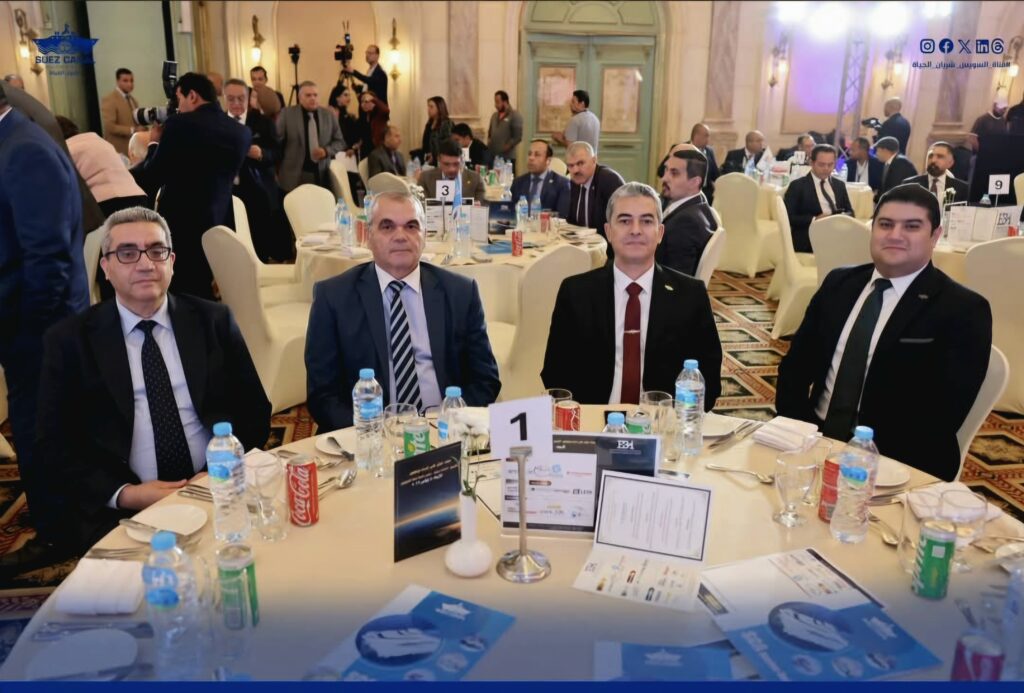
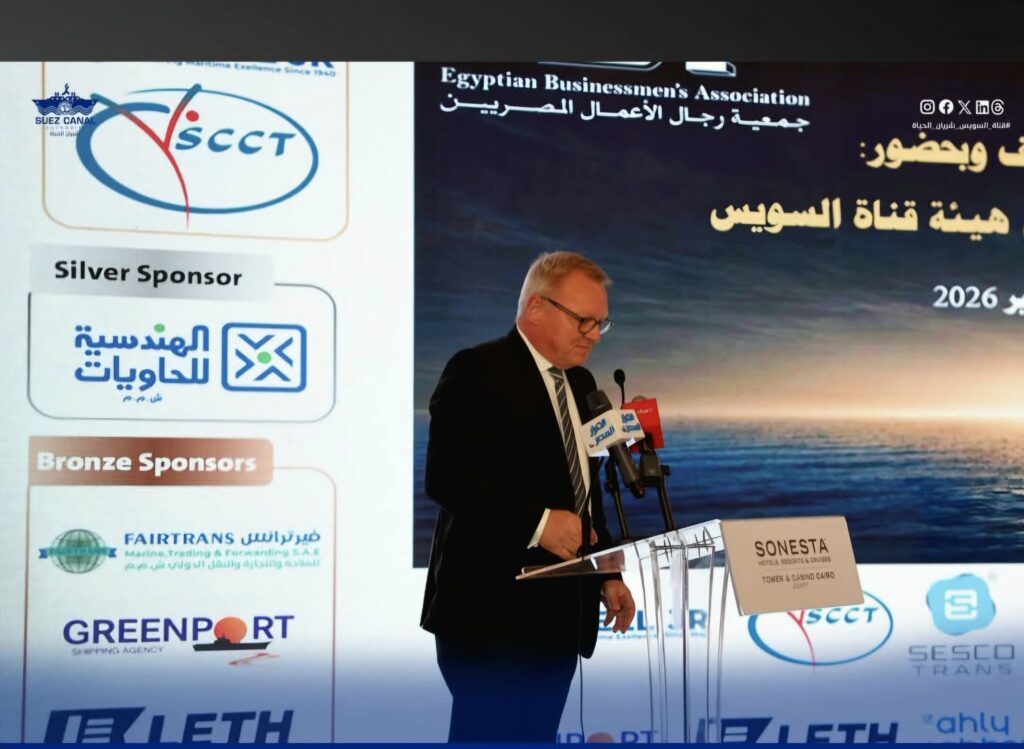
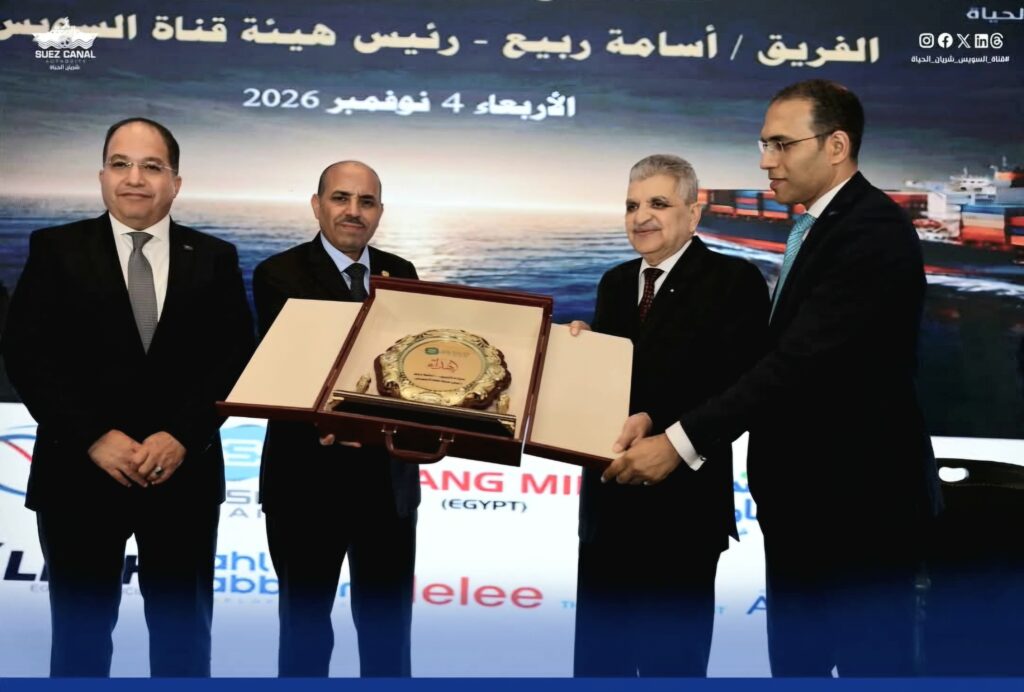
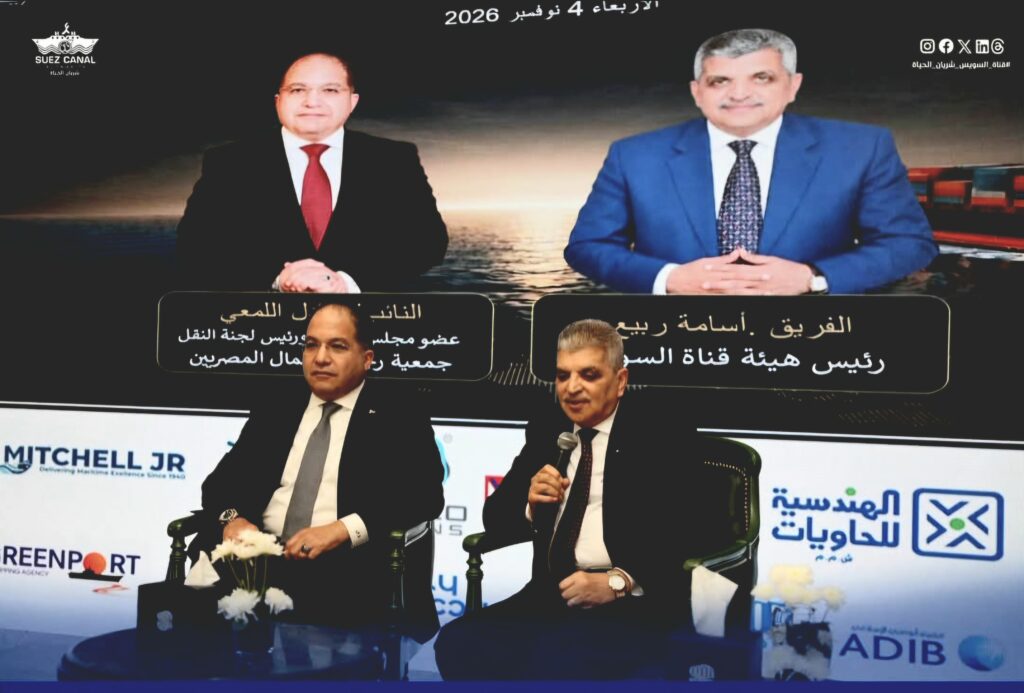
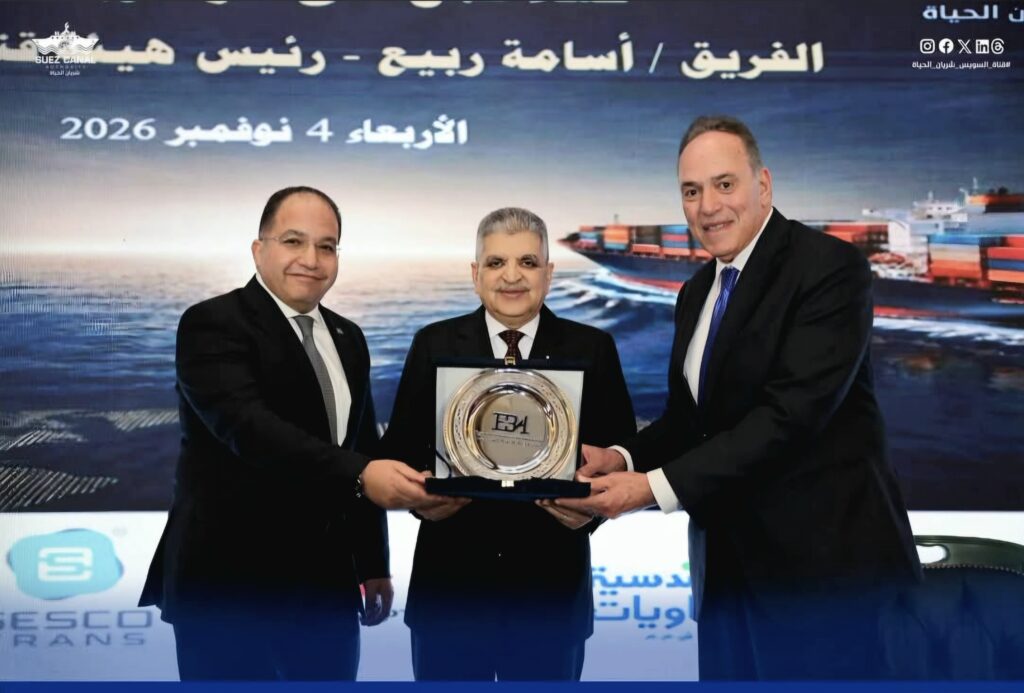
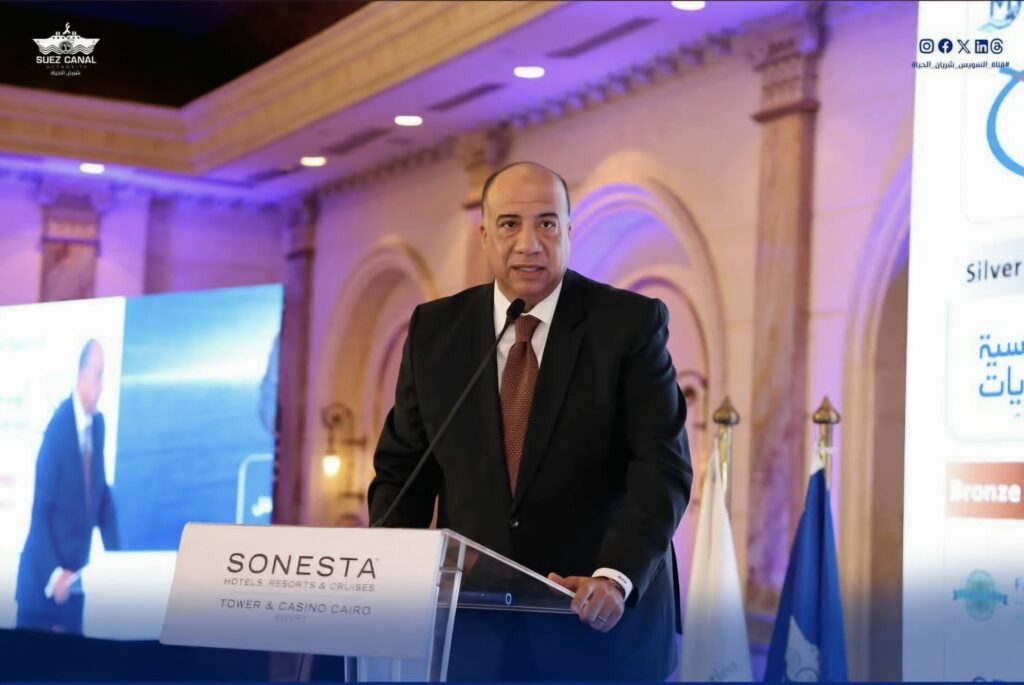
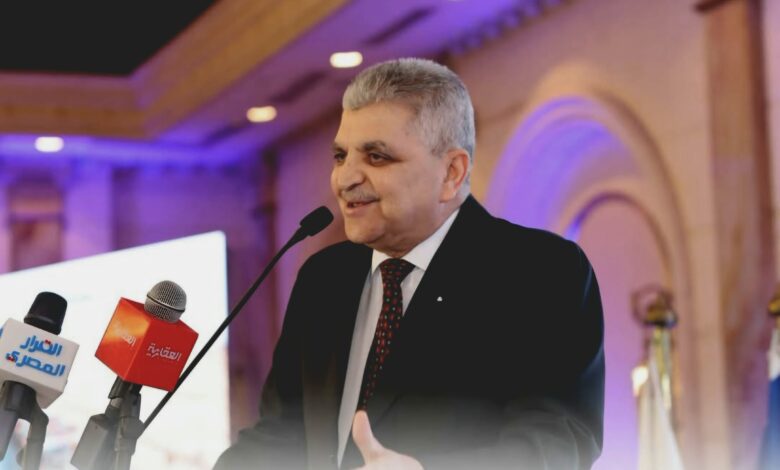
SCA Chairman Admiral Osama Rabie presented the figures during a panel discussion organized by the Egyptian Businessmen’s Association. He said the canal’s performance was improving despite regional geopolitical challenges and expressed optimism about maintaining the positive trend.
Rabie expects further improvements as most major international shipping lines return to the Suez Canal. He also emphasized the waterway’s importance in supporting the stability and continuity of global supply chains.
Suez Canal Traffic Recovery and the Return of Shipping Services
The Suez Canal traffic recovery featured prominently in discussions with representatives of international shipping lines, terminal operators and Egypt’s maritime business community.
Kjeld Christensen, CEO of Suez Canal Container Terminal (SCCT), attributed the return of container shipping services to the authority’s sustained engagement with international shipping lines since the Red Sea crisis began.
Christensen stressed that the return of these services was not coincidental but reflected the SCA’s continued communication and coordination with shipping companies. He noted that this development had positively affected container handling volumes and operational activity at Suez Canal Container Terminal.
Meanwhile, Mohamed Moselhi, chairman of the Alexandria Chamber of Shipping and an agent for Yang Ming, praised the canal’s ability to manage successive crises and challenges since 2019. He also highlighted the waterway’s special importance to Egypt.
Marwan El Sammak, chairman of Hapag-Lloyd in Egypt, emphasized the Suez Canal’s advantages as a sustainable maritime route. He highlighted its ability to shorten sailing distances, reduce voyage times and limit carbon emissions compared with longer alternative routes.
Amr El Shafei, operations director at CMA CGM Group, also praised the SCA’s flexible marketing policies during previous disruptions, particularly the COVID-19 pandemic. He said these measures had played an important role in supporting the maritime transport market during challenging periods.
Dr. Mohamed Ali Ibrahim, former dean of the College of International Transport and Logistics, argued that previous challenges facing the canal had produced only partial alternative solutions rather than sustainable replacements for the waterway.
SCA Expands Shipbuilding, Maritime Services and Revenue Diversification
Beyond the recovery in vessel traffic, Rabie outlined the Suez Canal Authority’s strategy to diversify revenue streams through new business activities and partnerships with domestic and international companies.
A major component of this strategy involves developing Egypt’s domestic shipbuilding capabilities and expanding the production of different types of marine units. The authority has also started exporting Egyptian-built marine units under the “Made in Egypt” initiative.
Rabie highlighted the SCA’s partnership with the Egyptian private sector through South Red Sea Shipyard Company. He said the cooperation had contributed to developing the company’s capabilities and capacity in marine unit construction.
The authority has also introduced additional navigation and logistics services designed to meet customer requirements during normal operations and emergency situations.
Among these initiatives is a ship waste collection service provided through Antipollution Egypt, established in partnership with Greece’s Antipollution company. The service forms part of the SCA’s broader efforts to expand its maritime service portfolio.
Other services include ship maintenance and repair, marine salvage, maritime ambulance services and pollution response operations. According to Rabie, these activities support the authority’s efforts to expand beyond its traditional navigation-related revenue sources.
Business Community Calls for Greater Investment and Digitalization
The panel discussion also examined opportunities to strengthen cooperation between the Suez Canal Authority and Egypt’s private sector.
Adel El Lamei, a board member of the Egyptian Businessmen’s Association and chairman of its Transport Committee, described the business community as an important partner in supporting the authority’s development efforts.
He emphasized the private sector’s role in promoting Suez Canal projects, encouraging logistics investments and contributing proposals to support future development.
El Lamei proposed studying opportunities for direct strategic partnerships between the SCA and private businesses. He also suggested organizing an international maritime transport and logistics conference every two years, bringing together Egyptian and international companies.
Additionally, he called for expanding electronic services and strengthening communication with shipping companies to improve engagement with the maritime industry.
Fathallah Fawzy, vice chairman of the Egyptian Businessmen’s Association, conveyed greetings from the association’s chairman, Ali Issa, and emphasized the canal’s economic importance.
He described the Suez Canal as a major contributor to Egypt’s economy and a vital international navigation route. Fawzy also stressed that the canal’s future would influence not only maritime transport and logistics but also the wider Egyptian economy.
Maritime Workforce Development and Future Cooperation
Workforce development emerged as another area of discussion, particularly the need to expand technical training opportunities in Upper Egypt.
Ahmed El Darby, a member of Egypt’s House of Representatives and secretary of its Transport and Communications Committee, called for the Suez Canal Authority to participate in developing qualified technical personnel in the region.
He proposed establishing a training academy or specialized technical centers to prepare workers for employment in dry ports, shipyards and other maritime-related facilities.
The proposal formed part of wider discussions about strengthening cooperation between the authority, businesses and educational institutions to support Egypt’s maritime and logistics sectors.
Throughout the meeting, participants highlighted the authority’s efforts to address operational challenges, maintain engagement with international shipping companies and develop additional services.
The discussions reinforced the importance placed by maritime industry representatives on the Suez Canal traffic recovery, continued private-sector cooperation and the development of maritime infrastructure and services.
Source: Suez Canal Authority