Arab Academy Signs Nador Container Terminal Training Agreement With Marsa Maroc and CMA CGM
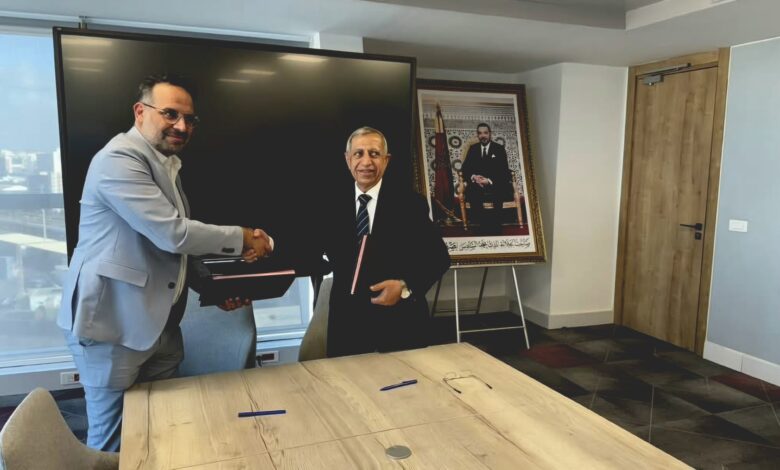
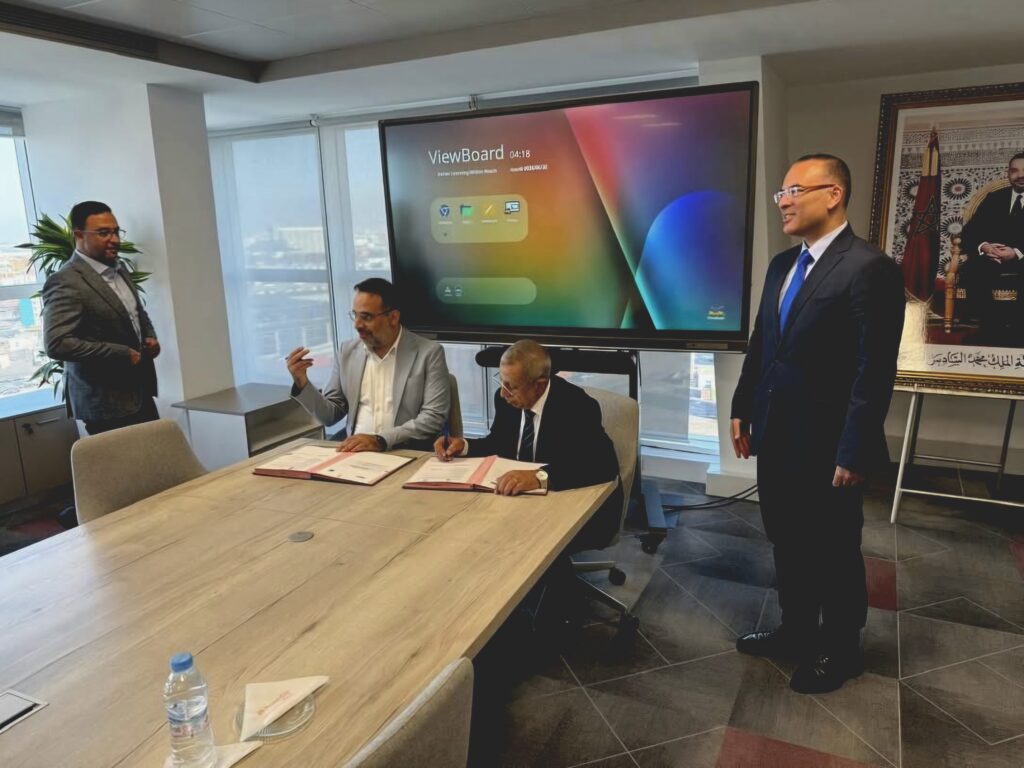
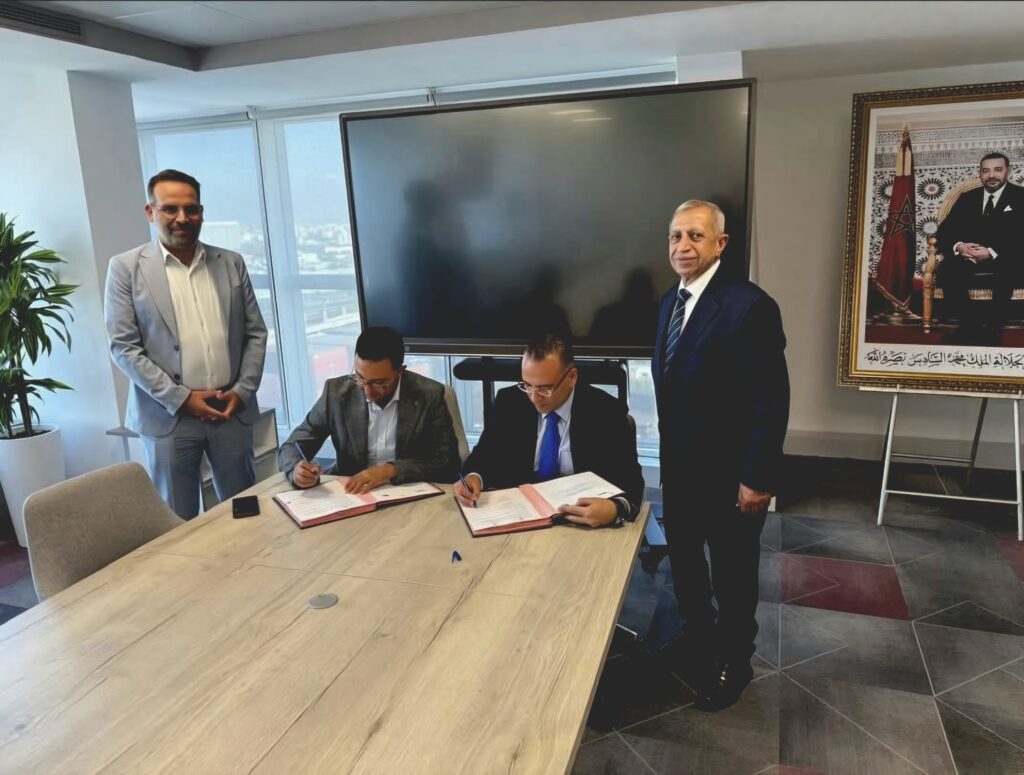
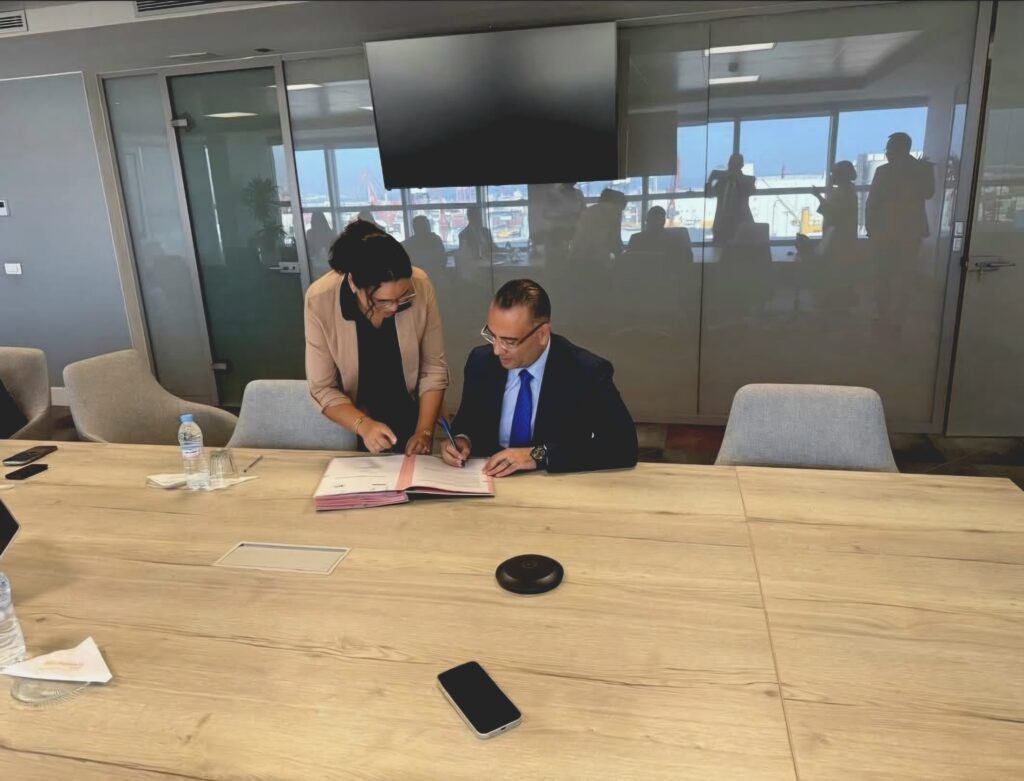
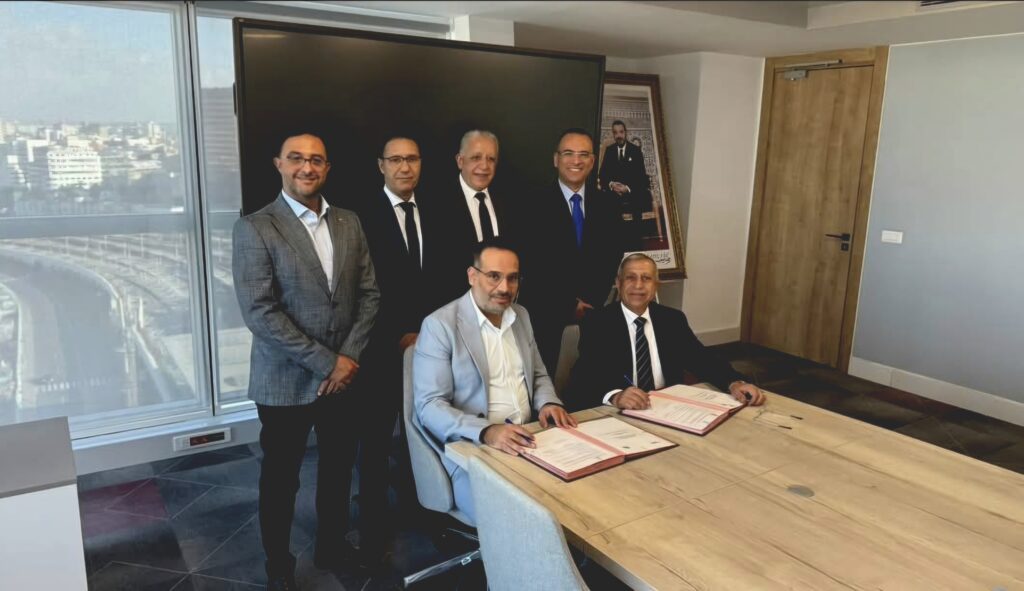
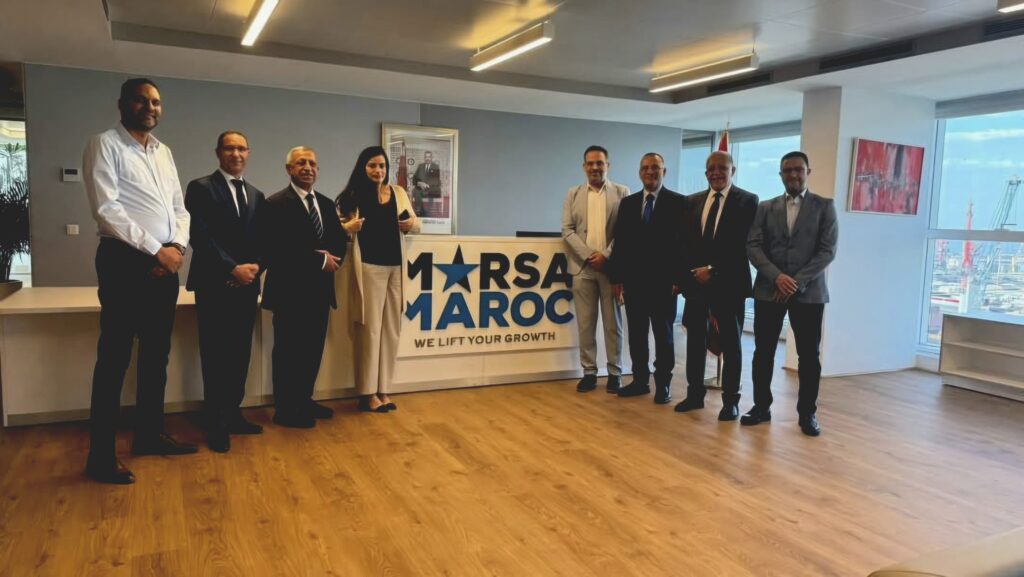
Shipping Arabia, October 17, 2026 – The Port Training Institute (PTI) at the Arab Academy for Science, Technology and Maritime Transport (AASTMT) has signed a contract to provide crane operator training for the Nador container terminal in Morocco, which involves a partnership between Marsa Maroc and CMA CGM. The agreement expands the institute’s international training activities and strengthens its cooperation with the Moroccan port sector.
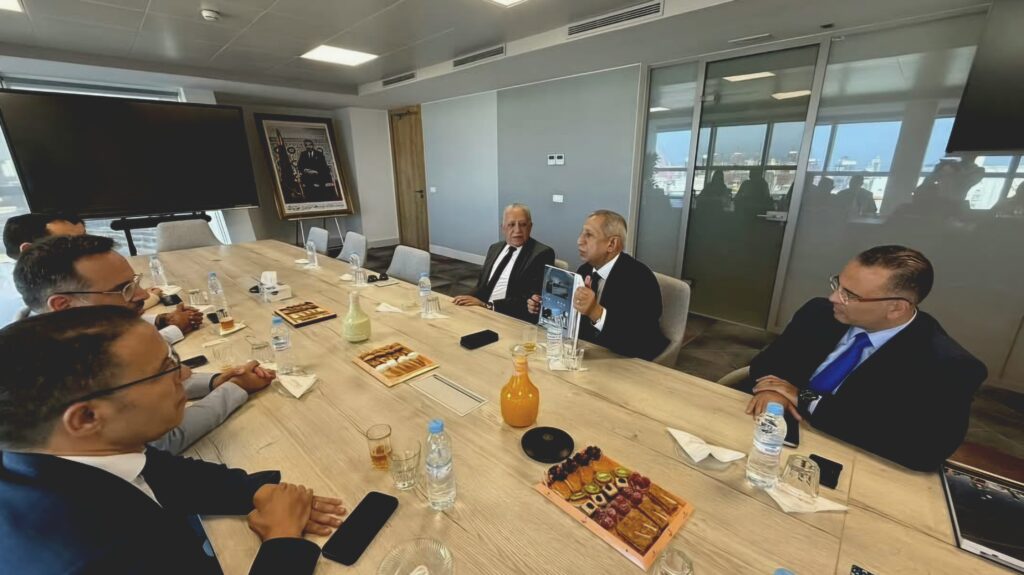
The signing took place in Morocco in the presence of AASTMT President Prof. Ismail Abdel Ghafar Ismail Farag. The contract covers specialized training and qualification programs designed to equip crane operators with the technical and operational skills required for container terminal operations.
Comprehensive Crane Operator Training at Nador Container Terminal
Under the Nador container terminal training agreement, the Port Training Institute will implement an integrated program combining theoretical instruction, specialized simulator training and practical crane operation.
The training will progress through several stages, beginning with technical knowledge and simulation-based exercises before advancing to practical training on cranes. Participants will subsequently receive hands-on instruction using the company’s actual equipment.
This approach aims to prepare crane operators for the operational requirements of container terminals while developing their technical proficiency in accordance with professional industry standards.
The signing ceremony was also attended by Prof. Alaa Mahmoud Morsi, Dean of the Port Training Institute and Maritime Transport Research and Consultation Center, and Ehab Hamdy, Assistant Dean for Financial and Administrative Affairs.
Marsa Maroc and AASTMT Expand Training Cooperation
Beyond the Nador container terminal training contract, the Port Training Institute also signed a broader cooperation framework covering crane operator training and qualification across all ports affiliated with Marsa Maroc.
The framework extends the scope of collaboration beyond a single container terminal, creating opportunities to develop the technical and operational capabilities of personnel across the Moroccan port operator’s facilities.
According to AASTMT, the additional agreement reflects Marsa Maroc’s confidence in the institute’s specialized training programs and their ability to address the operational requirements of port facilities.
The cooperation also builds on the Port Training Institute’s previous experience in crane operator training, including recently implemented programs for operators at WMCT.
These earlier training activities have strengthened the institute’s track record in delivering specialized programs tailored to the practical needs of container terminal operations.
AASTMT Highlights International Confidence in Port Training Expertise
AASTMT President Prof. Ismail Abdel Ghafar Ismail Farag welcomed the partnership, emphasizing the importance of the Port Training Institute’s specialized capabilities and integrated training approach.
He noted that the selection of PTI to deliver crane operator training reflects confidence in its technical expertise and the effectiveness of its training system, which combines theoretical knowledge with practical application.
The academy views the agreement as further recognition of the institute’s role in developing skilled personnel for the maritime and port sectors.
In addition, the cooperation strengthens PTI’s relationships with international port operators and maritime organizations. It also supports AASTMT’s efforts to transfer technical expertise and provide specialized training services that respond to the needs of the regional and international maritime industry.
Through the Nador contract and the wider Marsa Maroc cooperation framework, the institute will extend its training activities in Morocco while supporting the development of qualified crane operators across the country’s port sector.
Source: Arab Academy for Science, Technology and Maritime Transport