Maritime Infrastructure

  • Kuwait Ports Authority Strategic Plan to Be Developed by KPMG to Strengthen Port Competitiveness

    Shipping Arabia, November 9, 2026 – Kuwait Ports Authority (KPA) has appointed KPMG in Kuwait to lead the development of a new strategic plan aimed at strengthening the competitiveness, connectivity and operational performance of the country’s commercial ports. The initiative will establish a development framework to support Kuwait’s position within regional and global shipping networks.

    The appointment was awarded under Tender No. 3/2025/2026, with KPMG serving as the lead strategic consultant. The firm will work alongside Haskoning Nederland B.V. and Dar Gulf Consult for Engineering Consultancy, which will provide specialized engineering consultancy expertise.

    KPMG will integrate the contributions of the three firms into a unified strategic plan. Its responsibilities include leading market, commercial and organizational analyses, developing strategic priorities and overseeing the framework for implementation.

    The assignment also supports Kuwait’s broader economic diversification objectives and its Vision 2035 ambition to become a regional center for trade and logistics.

    Kuwait Ports Authority Strategic Plan to Cover Development and Implementation

    The Kuwait Ports Authority strategic plan will comprise two complementary workstreams covering strategic development, implementation planning and long-term technical support.

    The first workstream will focus on assessing KPA’s current market position and operational performance. This assessment will provide the foundation for identifying strategic options and establishing a roadmap for future development.

    Based on the selected strategic priorities and implementation roadmap, the consulting team will prepare detailed plans covering the authority’s different areas of operation. These plans will incorporate key performance indicators (KPIs), a risk management framework and a structured monitoring mechanism.

    The approach aims to connect strategic objectives with practical implementation requirements and measurable performance outcomes.

    KPMG will coordinate the strategic and analytical components of the assignment while incorporating the engineering expertise of Haskoning Nederland B.V. and Dar Gulf Consult. The combined work will form the basis of the authority’s unified development strategy.

    Dedicated Technical Support Office to Operate for 36 Months

    The second workstream will establish a dedicated Strategic Technical Support Office, which will operate for 36 months under KPMG’s leadership.

    The office will provide ongoing strategic oversight, technical advisory services and integrated project management support to Kuwait Ports Authority.

    Its responsibilities will include supporting the authority as it translates strategic priorities into projects, operational decisions and measurable results.

    Imran Shaik, Associate Partner and Head of Government and Infrastructure Advisory Services at KPMG in Kuwait, emphasized that connecting planning with implementation represents a central element of the assignment.

    He said KPA has clear ambitions for the future of Kuwait’s ports. KPMG will work with Haskoning and Dar Gulf Consult to transform those ambitions into an actionable strategy.

    Shaik also highlighted the importance of the dedicated technical support office, which will work closely with the authority’s teams throughout the implementation process.

    This structure will provide KPA with technical and strategic support beyond the initial planning phase, helping maintain coordination between the strategy and its execution.

    Regional Port Competition and Kuwait’s Position in Global Shipping Networks

    The new strategy will also examine Kuwait Ports Authority’s competitive position within the regional port sector, where competition among Gulf countries continues to intensify.

    Sameer Bhatnagar, Partner and Global Head of Ports at KPMG, highlighted the competitive environment facing ports across the Gulf Cooperation Council (GCC).

    He noted that GCC ports compete extensively in terms of handling capacity, transport network connectivity and service quality. Against this backdrop, he identified an opportunity for Kuwait to strengthen its position within global shipping networks.

    Bhatnagar said KPMG would draw on its experience working with more than 50 global and regional organizations in the maritime sector. The firm intends to apply international best practices while developing a strategy tailored to Kuwait’s specific requirements.

    The competitive assessment will form part of the broader strategic planning process, which seeks to improve the performance and connectivity of Kuwait’s commercial ports.

    By examining market conditions and the authority’s existing capabilities, the assignment will help establish strategic priorities within an increasingly competitive regional maritime environment.

    Supporting Kuwait Vision 2035 and Economic Diversification

    Dr. Rasheed Al Qenae, Managing Partner of KPMG in Kuwait, emphasized the role of Kuwait’s ports in supporting national economic diversification.

    He said the maritime and port sector is central to Kuwait Vision 2035 and the country’s ambition to develop into a regional trade and logistics hub.

    Al Qenae welcomed the confidence placed in KPMG by Kuwait Ports Authority. He described the appointment as a reflection of the firm’s commitment to supporting Kuwait’s public sector and institutions involved in shaping the country’s future.

    The strategy will bring together commercial, organizational and engineering expertise to address the authority’s development priorities.

    In addition, the 36-month technical support arrangement will provide a mechanism for maintaining strategic oversight and project management support as KPA moves from planning toward implementation.

    Through the assignment, Kuwait Ports Authority aims to strengthen the competitiveness, connectivity and performance of its commercial ports while supporting the country’s wider trade and logistics ambitions.

    Source: Al Jarida

    Kuwait Ports Authority strategic plan led by KPMG to enhance the competitiveness, connectivity and operational performance of Kuwait's commercial ports.
  • Saudi Ports Authority Highlights Supply Chain Resilience and Red Sea–Gulf Logistics Corridors in London

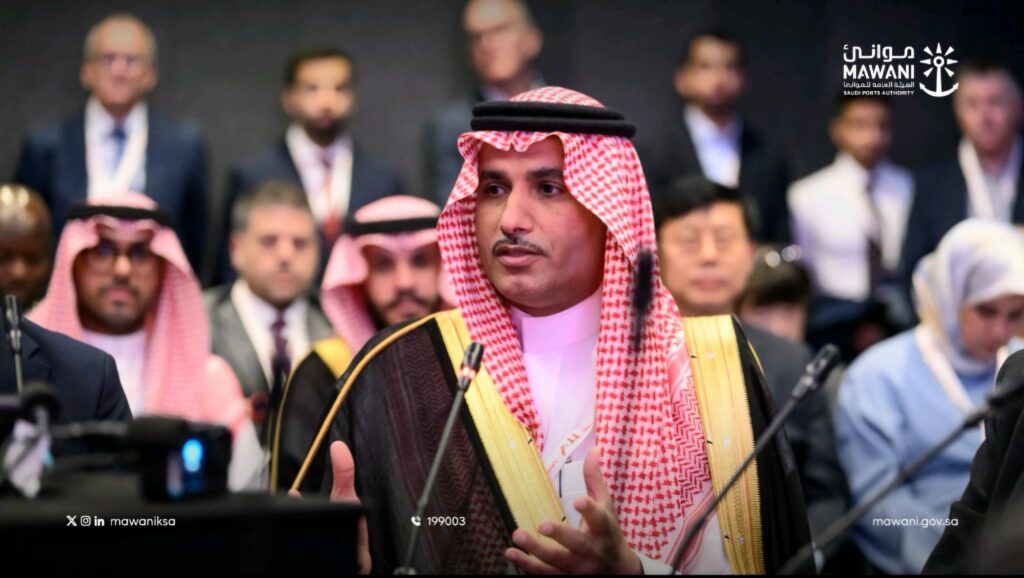
    Shipping Arabia, November 8, 2026 – Saudi Ports Authority (Mawani) has highlighted Saudi ports’ supply chain resilience and logistics capabilities during the World Ports Conference 2026 in London. The authority outlined Saudi Arabia’s investments in maritime infrastructure, regional logistics corridors, and operational flexibility, including the redirection of approximately 60% of fertilizer shipments destined for India through Yanbu Industrial Port in less than a month.

    Mawani President Eng. Sulaiman bin Khalid Al-Mazroua participated in a roundtable discussion focused on strategies for port authorities to strengthen competitiveness and sustain growth amid global challenges. He emphasized the importance of developing port strategies, improving operational efficiency, and strengthening the maritime sector’s ability to respond to international disruptions.

    The discussions also addressed supply chain resilience, continuity of global trade, and the role of Saudi Arabia’s transport and logistics infrastructure in responding to challenges affecting international maritime operations.

    Saudi Ports Supply Chain Resilience and Regional Logistics Connectivity

    During his remarks, Al-Mazroua highlighted Saudi Arabia’s efforts to strengthen regional connectivity through the activation of logistics corridors linking the Red Sea and the Arabian Gulf.

    He explained that decades of investment in ports and industrial cities have established an integrated national infrastructure. These investments, reinforced by Saudi Vision 2030, have strengthened operational flexibility and improved the Kingdom’s capacity to respond rapidly to changing circumstances.

    The development of logistics corridors was presented as an important component of Saudi Arabia’s strategy to maintain trade connectivity and strengthen its maritime transport capabilities.

    Al-Mazroua also emphasized the importance of adapting port strategies to global developments. He highlighted the need for port authorities to improve operational efficiency and strengthen their ability to respond to market changes and international challenges.

    These priorities formed part of the roundtable discussion on maintaining competitiveness and supporting growth across the global maritime sector.

    Yanbu Industrial Port Supports Fertilizer Shipments to India

    One of the examples highlighted during the conference concerned Saudi Arabia’s contribution to global food security through its maritime logistics infrastructure.

    According to Al-Mazroua, approximately 60% of fertilizer shipments destined for India were redirected through Yanbu Industrial Port within less than one month.

    The example illustrated the Kingdom’s ability to use its port infrastructure and logistics capabilities to respond to changing trade requirements while supporting the continuity of international cargo movements.

    Al-Mazroua also highlighted the humanitarian role of Saudi ports in supporting vessels and their crews during challenging circumstances.

    Saudi ports provided essential services, medical supplies, and crew change assistance, supporting more than 2,000 seafarers. These efforts were presented as part of the Kingdom’s contribution to maintaining maritime operations and addressing the needs of seafarers.

    In his remarks, Al-Mazroua stressed that supply chain resilience represents an investment in protecting economic value and creating opportunities. He also emphasized that ensuring the safety of maritime corridors remains a shared international responsibility.

    Saudi Arabia Participates in 138th IMO Council Session

    Alongside the World Ports Conference, Saudi Arabia participated in the 138th session of the International Maritime Organization (IMO) Council in London, with its delegation led by Mawani President Sulaiman Al-Mazroua.

    The participation reaffirmed the Kingdom’s commitment to strengthening maritime navigation safety and facilitating the movement of global trade.

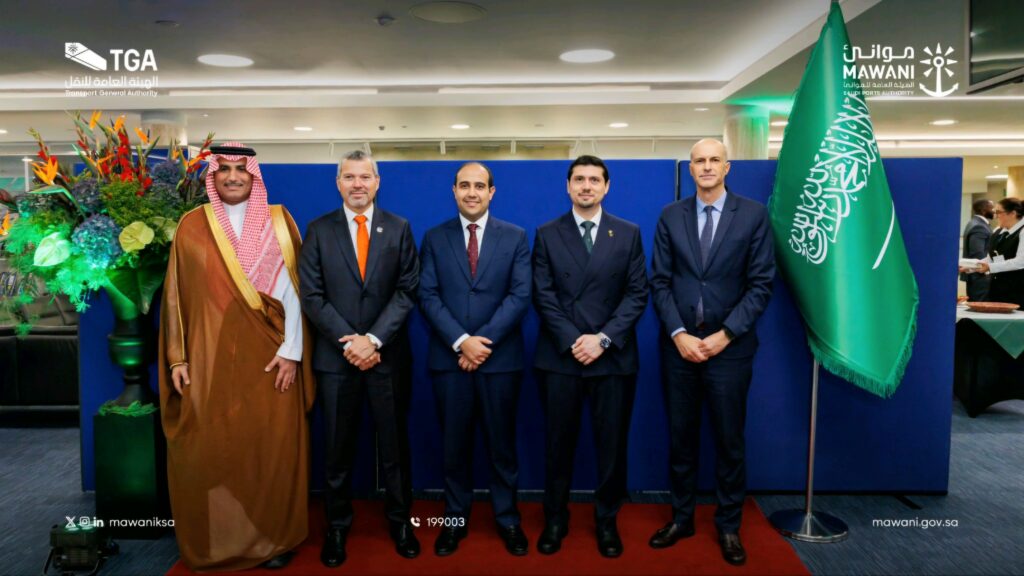
    On the sidelines of the IMO Council meetings, Al-Mazroua met IMO Secretary-General Arsenio Dominguez to discuss recent developments in the maritime sector and challenges facing international shipping.

    The meeting provided an opportunity to exchange views on issues affecting the global maritime industry and the continued importance of international cooperation.

    Saudi Arabia Emphasizes Maritime Infrastructure and Trade Continuity

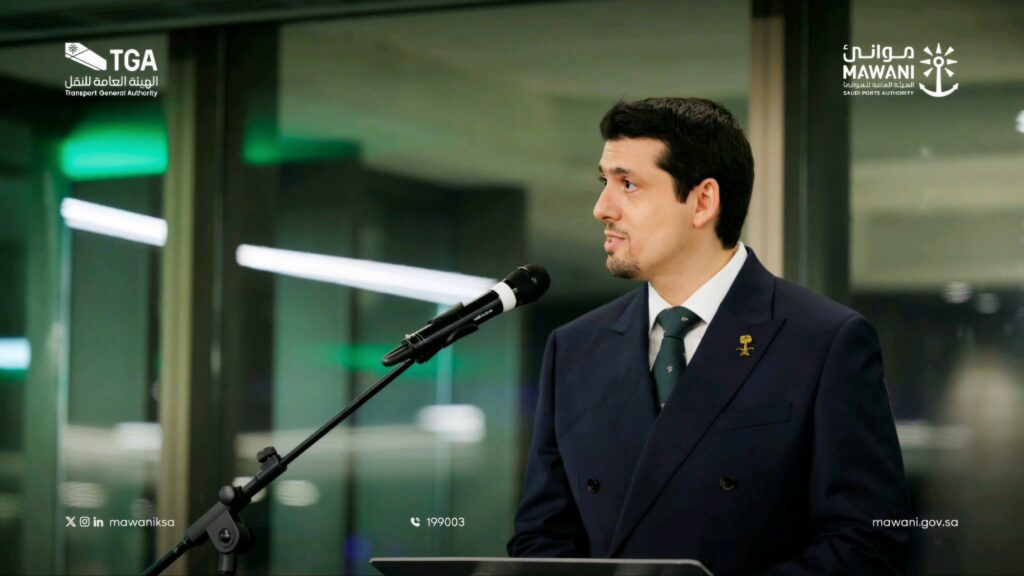
    During the IMO Council meetings, Al-Mazroua also addressed a reception hosted by Saudi Arabia for participating delegations.

    The reception was attended by the IMO Secretary-General and Mohammed bin Shafi, Deputy Head of the Saudi Mission to the United Kingdom.

    In his remarks, Al-Mazroua emphasized the resilience of Saudi Arabia’s transport system and port infrastructure, highlighting the Kingdom’s efforts to manage crises and their consequences.

    He also underlined the importance of maintaining the smooth movement of international trade and ensuring continuity across global supply chains.

    Saudi Arabia’s participation in the World Ports Conference and IMO Council meetings brought attention to several interconnected priorities, including infrastructure investment, regional logistics connectivity, maritime safety, and international cooperation.

    Through its presentation of port development strategies, logistics corridor initiatives, and operational responses to disruptions, Mawani outlined Saudi Arabia’s approach to strengthening the resilience and competitiveness of its maritime sector.

    Source: Saudi Ports Authority (Mawani)

  • SCCT Highlights Strategic Partnership With Suez Canal Authority at Maritime Industry Forum

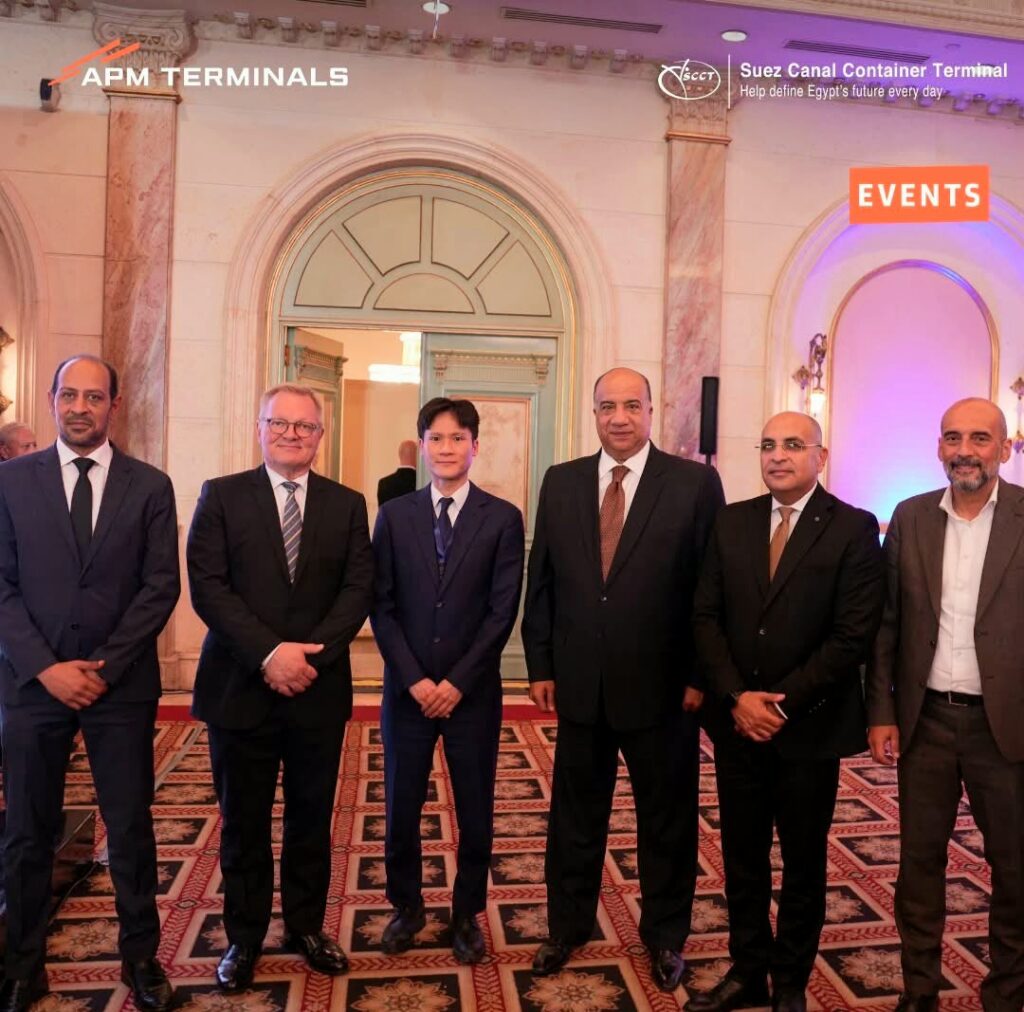
    Shipping Arabia, November 7, 2026 – Suez Canal Container Terminal (SCCT) participated in a high-level industry forum organized by the Egyptian Businessmen’s Association, reaffirming its longstanding partnership with the Suez Canal Authority and the importance of collaboration in supporting global maritime trade.

    The event featured Admiral Osama Rabie, Chairman of the Suez Canal Authority, and brought together senior representatives from Egypt’s maritime, logistics, investment, and business sectors.

    Discussions focused on recent developments in vessel transits through the Suez Canal and the authority’s efforts to address successive challenges affecting international shipping and global trade. The forum also provided an opportunity for industry stakeholders to exchange perspectives on the future of the canal and its role in global maritime connectivity.

    SCCT Reaffirms Cooperation With Suez Canal Authority

    During the event, Keld Mosgaard Christensen, CEO of SCCT, highlighted the strong relationship between the terminal and the Suez Canal Authority. He emphasized the importance of continued cooperation in supporting the efficiency, resilience, and long-term development of international maritime trade.

    Commenting on the partnership, Christensen stated:

    “The Suez Canal Authority continues to play a vital role in maintaining one of the world’s most strategic trade routes. We highly value our longstanding partnership and the close cooperation that supports the resilience, efficiency, and future growth of global maritime trade.”

    His remarks underscored SCCT’s appreciation for its longstanding relationship with the authority and the importance of collaboration between maritime stakeholders in addressing challenges facing the shipping industry.

    Suez Canal Development and Global Shipping Challenges

    During the session, Admiral Osama Rabie presented the Suez Canal Authority’s vision for the future of the canal, outlining ongoing development projects and infrastructure enhancements.

    The discussions addressed the canal’s role in strengthening global supply chains amid current geopolitical and economic challenges. Participants also examined recent developments in vessel transits and the authority’s efforts to respond to successive challenges affecting global trade and shipping.

    The forum highlighted the continuing importance of the Suez Canal as a strategic international maritime route and the role of infrastructure improvements in supporting its future development.

    SCCT Engages With Maritime and Business Stakeholders

    SCCT’s participation provided an opportunity to engage with senior executives, investors, and other stakeholders from across Egypt’s business community.

    The event created a platform for dialogue between representatives of the maritime, logistics, and investment sectors. Discussions centered on shared industry challenges, developments affecting international shipping, and the importance of cooperation among stakeholders.

    Through its participation, SCCT emphasized the value of collaboration, innovation, and a shared vision for the future of maritime trade.

    The terminal also reaffirmed the importance of working closely with the Suez Canal Authority to support the resilience, efficiency, and future growth of global shipping and logistics.

    Source: Suez Canal Container Terminal (SCCT)

  • Iraq’s Ports Company and Daewoo Discuss Accelerating Port Development Projects

    Shipping Arabia, November 4, 2026 – The General Company for Ports of Iraq (GCPI) and South Korea’s Daewoo have discussed accelerating ongoing port development projects and exploring future cooperation. The talks focused on strengthening coordination, advancing project completion and supporting the development of Iraq’s maritime infrastructure.

    GCPI Director General Abdullah Ati Abdullah met with senior Daewoo representatives, including Regional Director Hyungsik Cho and company representative Hyunsuk Jung. The meeting formed part of efforts to strengthen cooperation with international companies involved in developing Iraq’s port sector.

    Accelerating Daewoo Port Projects in Iraq

    The discussions reviewed progress on projects currently being implemented by Daewoo, with particular attention to accelerating their completion according to established plans.

    Both sides emphasized the importance of intensifying efforts and improving coordination to maintain project progress. They also discussed ways to strengthen cooperation during the implementation of ongoing works.

    The meeting followed directives from Iraq’s Minister of Transport, Wahab Al-Hassani, aimed at expanding cooperation with specialized international companies. The directives also emphasize monitoring strategic projects in line with Iraq’s maritime transport development plans.

    Through closer coordination with Daewoo, GCPI is seeking to advance current projects while supporting its broader plans to develop and modernize the country’s port infrastructure.

    Future Cooperation and Port Infrastructure Development

    Beyond existing projects, the meeting explored potential future developments and opportunities to expand cooperation between GCPI and Daewoo.

    Discussions addressed how future projects could contribute to improving Iraqi port infrastructure and strengthening operational capabilities. Both parties also considered opportunities for continued collaboration on projects supporting the country’s maritime transport sector.

    GCPI reaffirmed its commitment to building stronger partnerships with international companies and advancing both ongoing and future projects.

    The discussions reflect the company’s efforts to maintain progress on its current development plans while pursuing further opportunities to modernize Iraq’s ports and enhance their operational capabilities.

    Source: Iraqi Ministry of Transport / General Company for Ports of Iraq

  • Iraqi Port Security Plans Reviewed by GCPI and Basra Operations Command

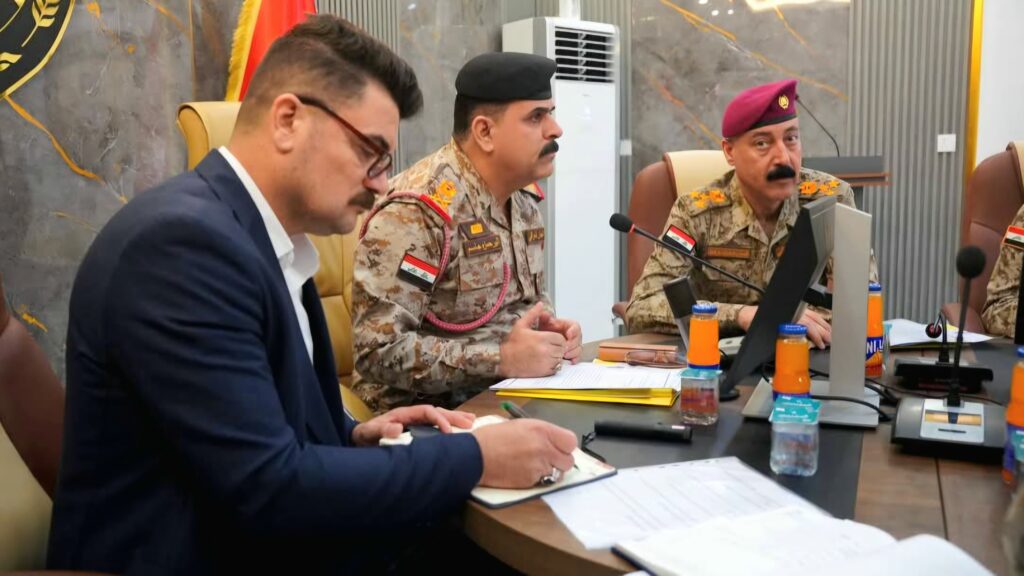
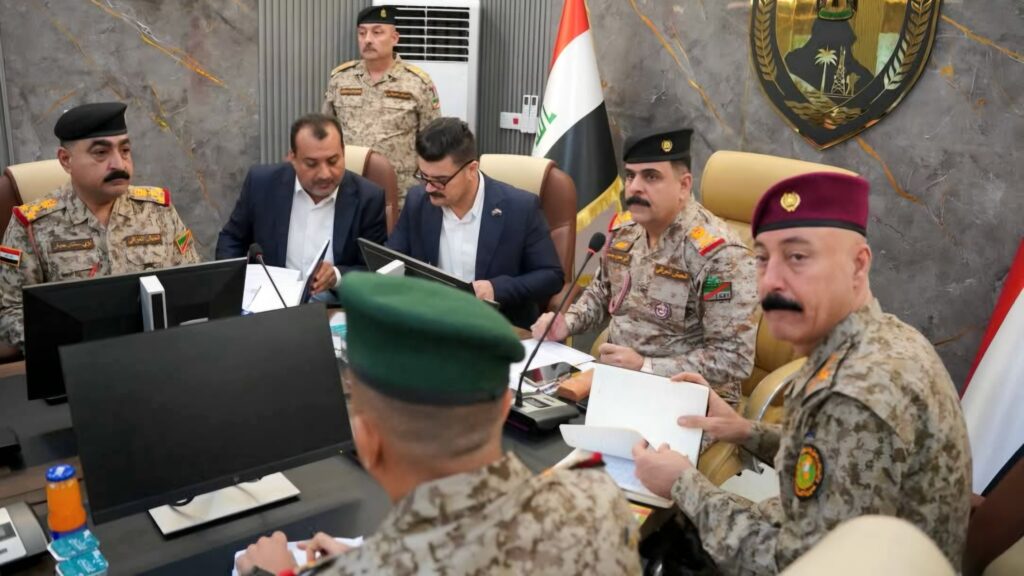
    Shipping Arabia, October 31, 2026 – The General Company for Ports of Iraq (GCPI) and Basra Operations Command held a high-level security meeting to review Iraqi port security plans covering maritime facilities, territorial and coastal waters, and critical infrastructure, including Al Faw Grand Port. The discussions focused on strengthening coordination between port authorities and security forces to protect maritime operations and maintain commercial activity.

    The meeting was chaired by Maj. Gen. Atheer Hamza Jassim, Commander of Basra Operations Command, with the participation of GCPI Director General Abdullah Ati Abdullah and senior security officials.

    Participants examined the security arrangements governing Iraqi ports and their surrounding waters. They also discussed measures to strengthen the protection of land borders and coastal areas associated with port facilities.

    Strengthening Security Coordination Across Iraqi Ports

    A central focus of the meeting was improving cooperation between the General Company for Ports of Iraq and security commands operating in Basra Governorate.

    Officials reviewed existing security procedures for port installations, maritime facilities and navigation channels. The discussions aimed to identify opportunities to strengthen the protection of critical infrastructure while supporting the safe and uninterrupted operation of Iraqi ports.

    The security review also covered Al Faw Grand Port as part of the wider framework for protecting Iraq’s maritime facilities and coastal infrastructure.

    Participants emphasized the importance of coordinating security responsibilities and available resources among relevant authorities. Stronger institutional cooperation was identified as a priority for maintaining security stability and protecting vital maritime assets.

    The meeting also addressed operational readiness and the need to improve the ability of security authorities to respond to potential challenges affecting port facilities and maritime activities.

    Ministry of Transport Directives Support Maritime Security

    The security meeting forms part of directives issued by Iraq’s Minister of Transport, Wahib Al-Hassani, aimed at strengthening cooperation between maritime institutions and security authorities in Basra Governorate.

    These directives emphasize institutional coordination and the integration of available resources to improve security arrangements across Iraqi ports.

    The Ministry of Transport’s approach also focuses on raising security readiness and strengthening measures designed to protect port infrastructure and associated maritime facilities.

    According to the General Company for Ports of Iraq, continued cooperation with security authorities is essential for maintaining navigational and commercial operations.

    The discussions highlighted the importance of protecting maritime navigation channels and port installations while ensuring the continuity of shipping activities.

    By strengthening coordination between port management and security forces, the participating authorities aim to reinforce the security framework supporting Iraq’s maritime transport sector and safeguard its operational infrastructure.

    Source: Iraqi Ministry of Transport / General Company for Ports of Iraq

    Iraqi port security plans discussed by the General Company for Ports of Iraq and Basra Operations Command.
  • Yemen Advances Qarma and Barum Port Projects Toward Tendering and Construction

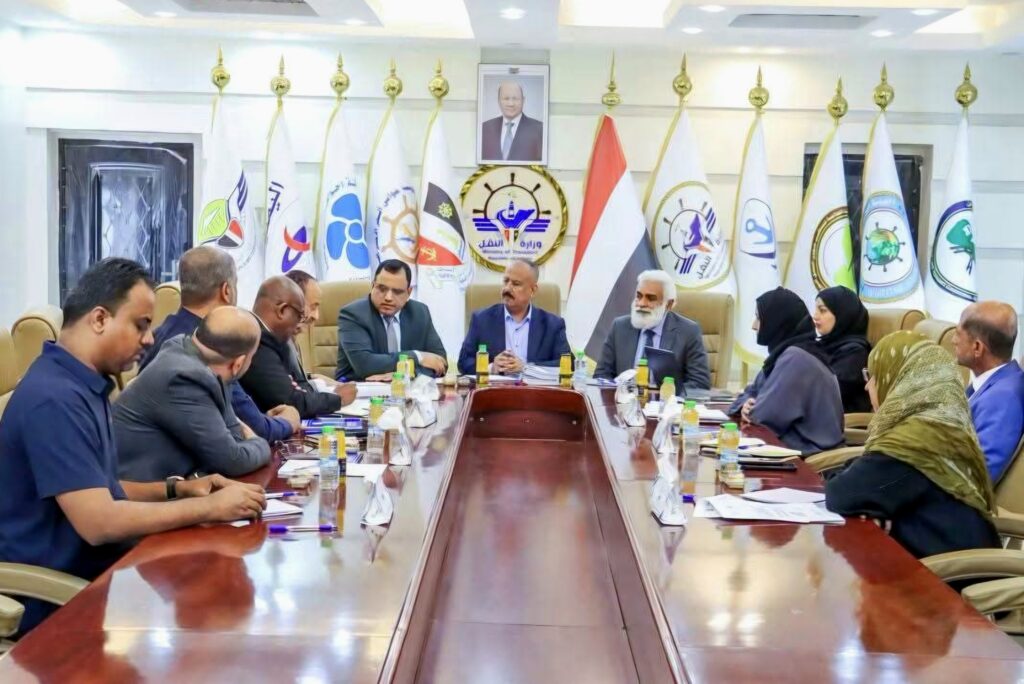
    Shipping Arabia, October 15, 2026 – Yemen is accelerating preparations for the Qarma and Barum port projects in the Socotra Archipelago and Hadramout governorates, with government officials working to finalize technical, financial and administrative requirements ahead of tendering and construction.

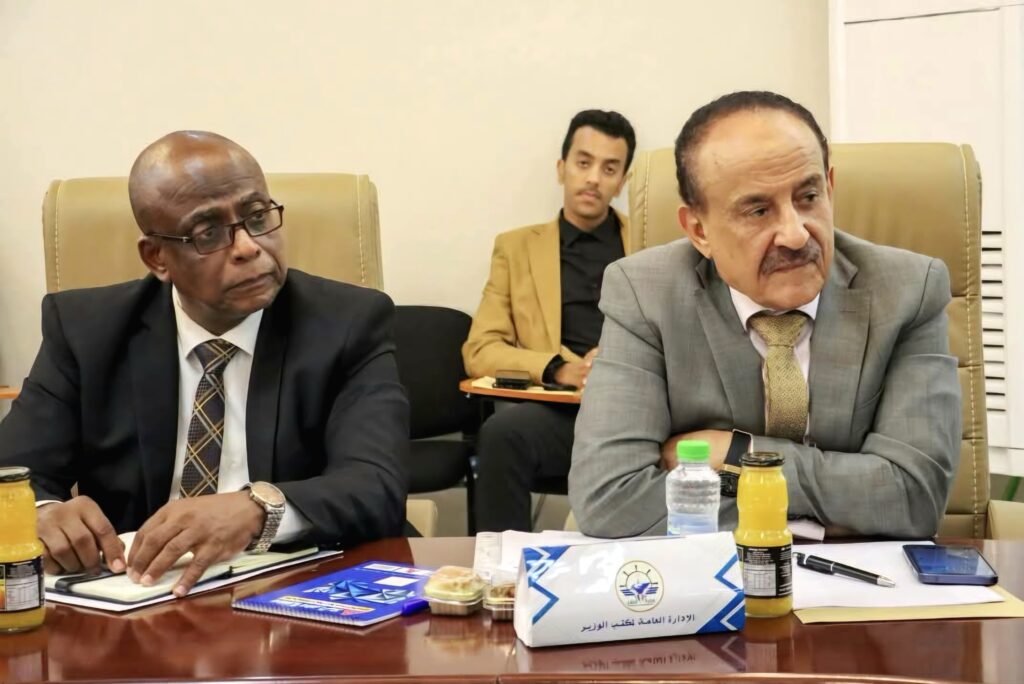
    The developments were discussed during a joint ministerial meeting at the Ministry of Transport headquarters in Aden. The meeting brought together Minister of Transport Mohsen Haidara Al-Amri, Minister of Planning and International Cooperation Mohammed Al-Faqmi, and Minister of Agriculture, Irrigation and Fisheries Salem Al-Soqotri.

    The discussions focused on accelerating the remaining procedures needed to begin constructing Qarma Port in Socotra and Barum Port in Hadramout. Both projects are intended to strengthen maritime transport, support commercial activities and improve economic infrastructure in their respective governorates.

    Qarma and Barum Port Projects Move Toward Implementation

    During the meeting, officials reviewed updated procedures agreed upon in previous discussions concerning the two port developments.

    These included updating essential project data and components, completing technical and engineering consultancy requirements, and reviewing existing studies and designs.

    The ministries also discussed revisions to the estimated project costs and proposed implementation schedules. These updates form part of the outstanding preparations needed before the projects can advance to procurement and construction.

    Minister of Transport Al-Amri emphasized the strategic importance of the two ports for maritime transport and commercial activities in Socotra and Hadramout.

    He called for accelerating the remaining implementation procedures to enable construction to begin as soon as possible. He also stressed the importance of completing previously revised requirements to facilitate the transition to implementation and ensure that funding allocated to the projects can be utilized.

    The minister highlighted the need for coordinated action among the relevant government bodies to prevent further delays in completing the necessary preparations.

    Yemen to Seek Donor Support for Port Development

    Financing formed another major component of the discussions, with the Ministry of Planning and International Cooperation outlining plans to seek additional international support for the projects.

    Minister Mohammed Al-Faqmi emphasized the importance of Qarma and Barum ports in strengthening Yemen’s transport sector, improving services and developing economic infrastructure in Socotra and Hadramout.

    He confirmed that the ministry intends to present both developments as priority projects during bilateral meetings with international donors on the sidelines of the World Bank’s Annual Meetings, scheduled to take place in Bangkok, Thailand.

    The planned discussions will focus on mobilizing the financing required to advance the projects and complete the remaining activities and procedures associated with their implementation.

    The government’s approach combines efforts to finalize technical preparations with parallel discussions aimed at securing the financial resources needed for construction.

    New Ports Expected to Support Fisheries and Coastal Communities

    The Qarma and Barum port projects are also expected to contribute to fisheries development and economic activity in their respective coastal regions.

    Minister of Agriculture, Irrigation and Fisheries Salem Al-Soqotri highlighted the role of both developments in improving services for fishermen and supporting coastal communities in Socotra and Hadramout.

    He explained that the proposed ports would help strengthen fisheries-related activities while encouraging investment and supporting the development of local economic resources.

    The minister also stressed the importance of coordination and integration among the government entities responsible for the projects.

    He called for completing outstanding technical and implementation requirements to accelerate construction in accordance with approved specifications and standards.

    The fisheries and economic development objectives form an important part of the government’s plans for both ports, alongside their expected contribution to maritime transport and commercial connectivity.

    Technical Committee to Finalize Documents Before Tendering

    At the conclusion of the meeting, the participating ministers agreed to intensify the work of the joint technical committee responsible for coordinating the Qarma and Barum port projects.

    The committee, which includes representatives of the relevant government entities, will focus on completing outstanding studies, technical documentation and financial requirements.

    Officials also agreed on the importance of following the established procedures and implementation schedules to accelerate preparations for tendering.

    Once the remaining requirements have been completed, the project files will be referred to the relevant tender committee to proceed with the procurement process in accordance with applicable laws and regulations.

    The meeting also included senior officials from the Ministry of Transport, the Ministry of Planning and International Cooperation, the Arabian Sea Ports Corporation and the General Maritime Affairs Authority.

    Among the participants were Captain Ali Al-Subhi, Undersecretary of the Ministry of Transport for Maritime Affairs and Ports; Fouad Al-Rabaki, Deputy Chairman of the Arabian Sea Ports Corporation; and Nabil bin Aifan, Director General of the General Maritime Affairs Authority’s Mukalla branch.

    Other participants included representatives responsible for project management, maritime transport policy, engineering and administrative follow-up.

    The agreement to accelerate technical preparations and move toward tendering represents the latest step in advancing the two planned ports. However, the government has not announced specific construction commencement dates or confirmed final investment values.

    The projects remain a priority for the participating ministries, which aim to improve maritime infrastructure, strengthen commercial and fisheries activities, and support economic development in Socotra and Hadramout.

    Source: Yemeni Ministry of Transport

  • Damietta Port Nears Completion of $125 Million Bulk and Grain Berth

    Shipping Arabia, September 23, 2026 – Damietta Port is nearing completion of a new 850-meter marine berth for dry bulk, fuel and grain cargoes, as the Egyptian port continues expanding its handling and storage capacity.

    The project is being implemented by Canal Company for Ports and Large Projects at an estimated cost of EGP 6 billion (around $125 million) and forms part of Damietta Port Authority’s wider infrastructure development programme.

    The new berth is intended to increase capacity for grain handling and storage, while also accommodating dry bulk and fuel cargoes. Electrical infrastructure for the project is now moving into its next stage, with installation and connection works expected to begin in the coming weeks.

    Damietta Port Authority has tendered the supply and installation of a new electricity source for the grain terminal, with the electrical works expected to cost around EGP 25 million.

    Alongside the berth development, the authority is progressing several infrastructure and operational projects across the port, including maintenance of its medium-voltage electricity network and plans for the port’s first solar power station.

    Damietta is also moving to modernize cargo truck weighing operations within the customs area. A project covering a 750-square-meter facility will develop, manage and operate an electronic weighbridge system for loaded and empty cargo trucks, incorporating two platforms with a minimum capacity of 200 tonnes each under a Green & Smart operating model.

    The projects form part of wider efforts to expand Damietta’s cargo-handling infrastructure and improve the port’s capacity and competitiveness across containerized, bulk and general cargo trades.

    Source: Almal News

  • Egypt Expands Port Development Pipeline Across Damietta, Alexandria, Arish and Red Sea Corridors

    Shipping Arabia, September 20, 2026 – Egypt is advancing a broad portfolio of port, terminal, ship repair and maritime infrastructure projects across the Mediterranean and Red Sea, as the country seeks to expand cargo-handling capacity and strengthen multimodal trade corridors linking its seaports with rail and inland logistics networks.

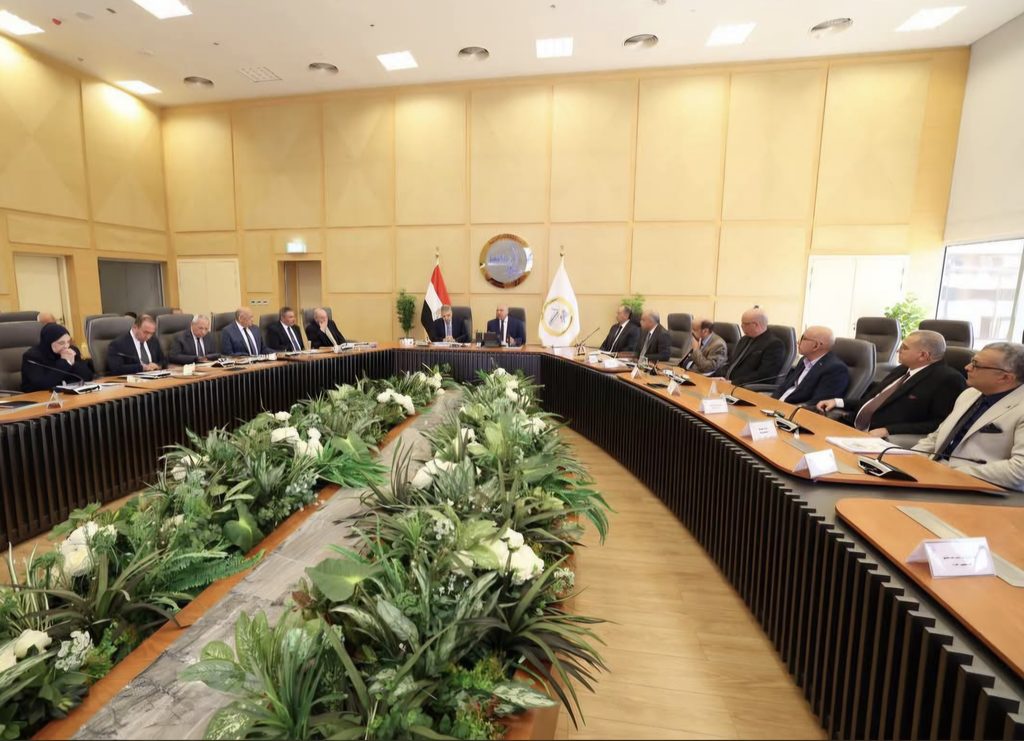
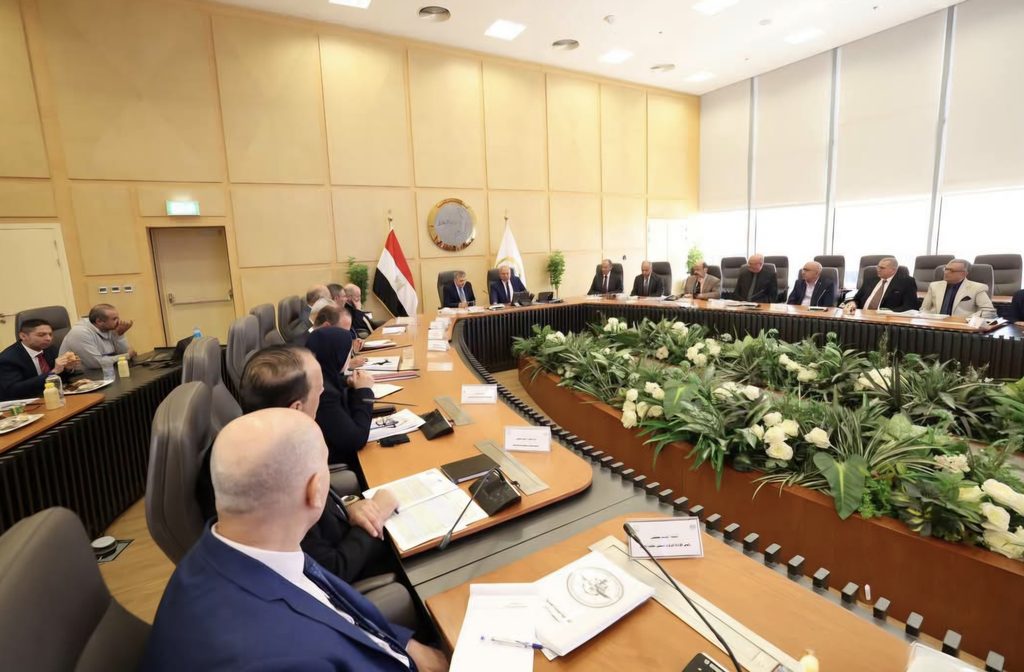
    Transport Minister Kamel El-Wazir reviewed the programme during the ordinary and extraordinary general assemblies of the Suez Canal Company for Marine Ports Development, attended by Suez Canal Authority Chairman and Managing Director Adm. Ossama Rabiee.

    Company Chairman and Managing Director Maj. Gen. Mohamed Farag presented progress on projects including dredging, reclamation and berth construction for a dry bulk terminal at El-Max Port, reclamation works at Damietta Port and development of a cement plant at Arish Port.

    The company is also involved in the Ferdan-Taba railway, a logistics terminal for handling raw materials and pellets at Adabiya, construction of an 850-meter marine berth covering a total area of 270,000 square meters, and reclamation works supporting the Tahya Misr 2 terminal.

    Other projects include Taba Port, which forms part of the Arish-Taba logistics corridor, alongside dredging and reclamation for a ship repair and recycling area at Damietta and construction of the port’s 6,920-meter western breakwater.

    El-Wazir called for the projects to remain on schedule while directing the company to expand into additional maritime infrastructure and operational activities.

    He said the company’s future role should extend beyond port construction to the management, operation and maintenance of cargo, container and multipurpose terminals and marine berths inside and outside Egypt.

    The strategy also calls for greater integration between maritime, road and rail transport, positioning port infrastructure as part of wider logistics corridors rather than standalone facilities.

    El-Wazir described the company as a key arm of Egypt’s port development programme, with a larger role expected in expanding maritime capacity and strengthening the country’s position in regional and international trade.

    Source: Ministry of Transport – Egypt

Back to top button