Multimodal Transport

  • Iraq Reviews Port Projects as Development Road Maritime Work Advances

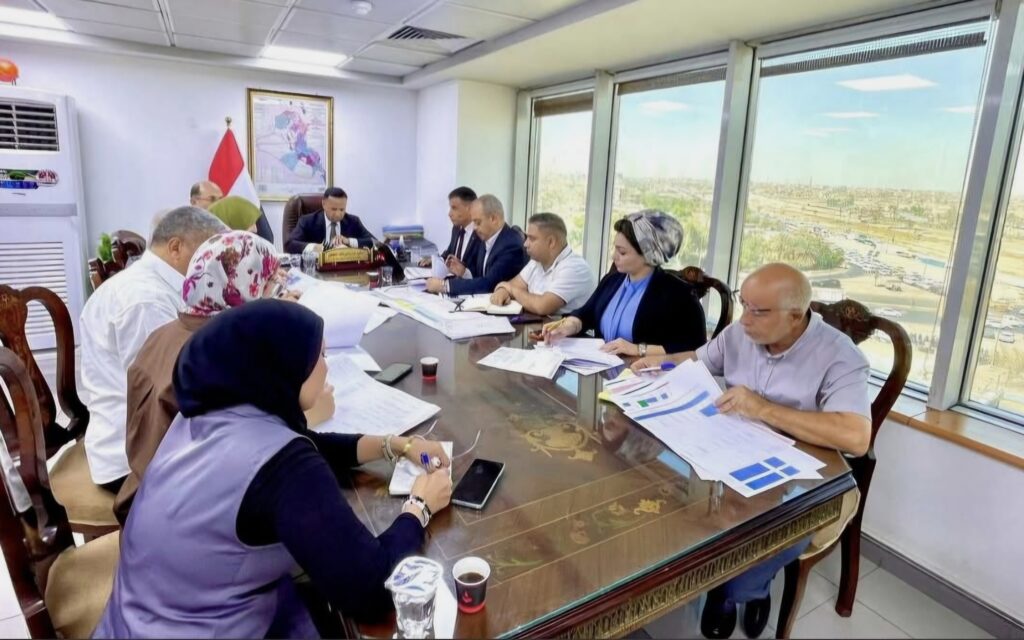
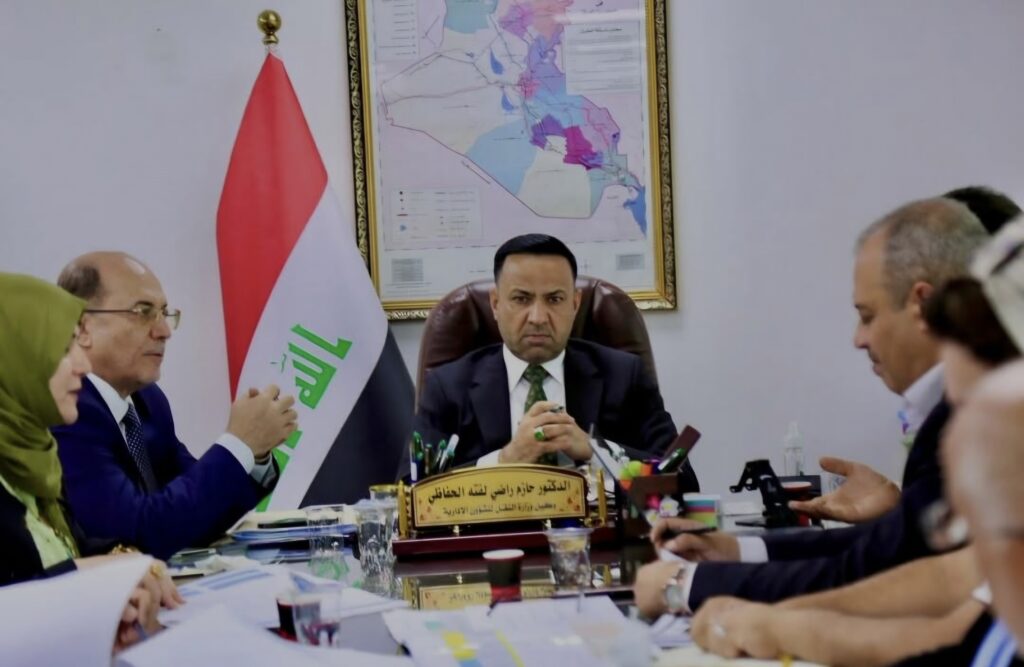
    Shipping Arabia, September 25, 2026 – Iraq’s Ministry of Transport is reviewing progress across its port development programme and measures to accelerate delayed projects as the country works to integrate its maritime infrastructure with the Development Road and strengthen its position as a regional transport and trade corridor.

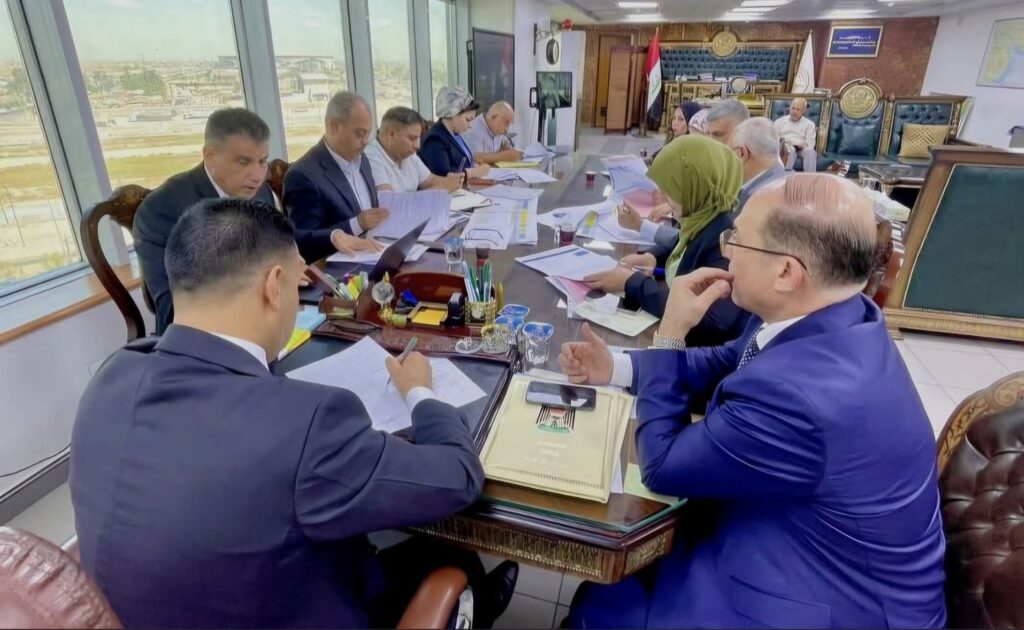
    The review was led by Dr. Hazem Radi Al-Hafadhi, Administrative Undersecretary at the Ministry of Transport, with Dr. Abbas Imran Musa, Director General of the Planning and Follow-up Department, and officials from the General Company for Ports of Iraq.

    Officials examined implementation stages and completion rates across projects included in the government programme, together with obstacles affecting individual developments and the approvals and coordination required to move construction forward.

    The meeting placed particular emphasis on projects aimed at developing Iraq’s port system and increasing its contribution to cargo movement, trade and regional transport.

    Maritime components connected with the Development Road were also reviewed, with officials discussing coordination between the ports company and other government entities to align technical and implementation requirements.

    The Development Road is intended to integrate Iraq’s maritime gateway at Grand Faw Port with new road and railway infrastructure extending north toward Türkiye and onward to European markets. Iraq and Türkiye recently completed a draft framework covering transport infrastructure development and implementation stages for the project.

    Iraq has simultaneously been expanding its international transit network, opening seven new routes during the first eight months of 2026 as part of efforts to connect its ports and land transport infrastructure within a broader multimodal logistics system.

    The ministry said closer coordination with relevant authorities will be required to resolve outstanding requirements and accelerate port projects considered central to Iraq’s future transport network.

    Source: Iraq Ports Media
  • Tripoli Port Advances Plans to Become Regional Logistics Hub

    Shipping Arabia, September 21, 2026 – Lebanon is advancing plans to transform the Port of Tripoli from a local cargo gateway into a regional logistics hub, with around 20 development projects planned over the next three years and new agreements targeting rail connectivity and the Tripoli Special Economic Zone.

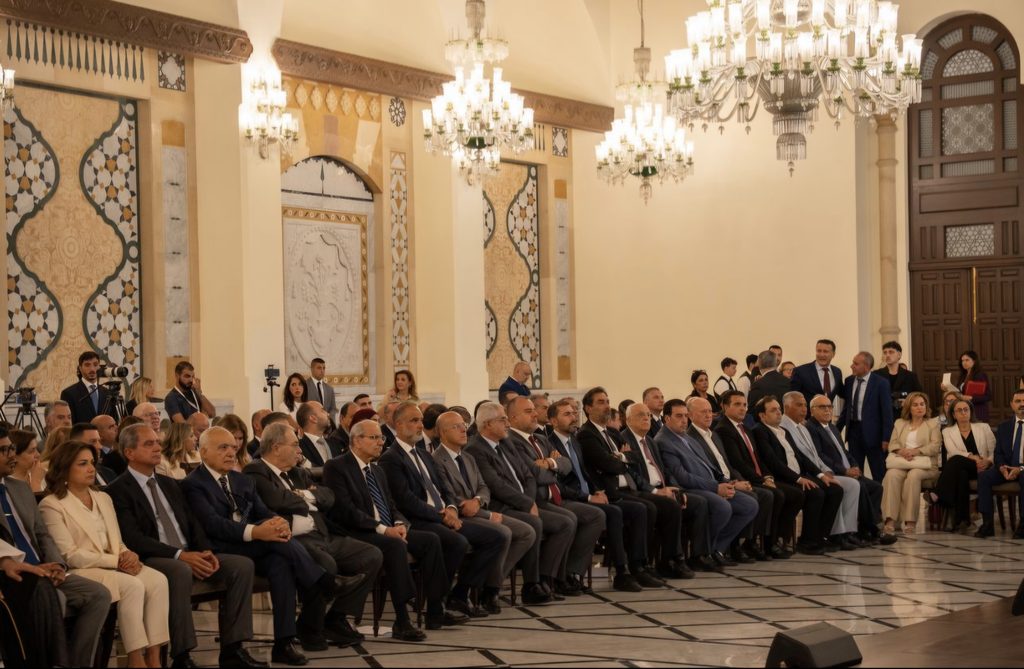
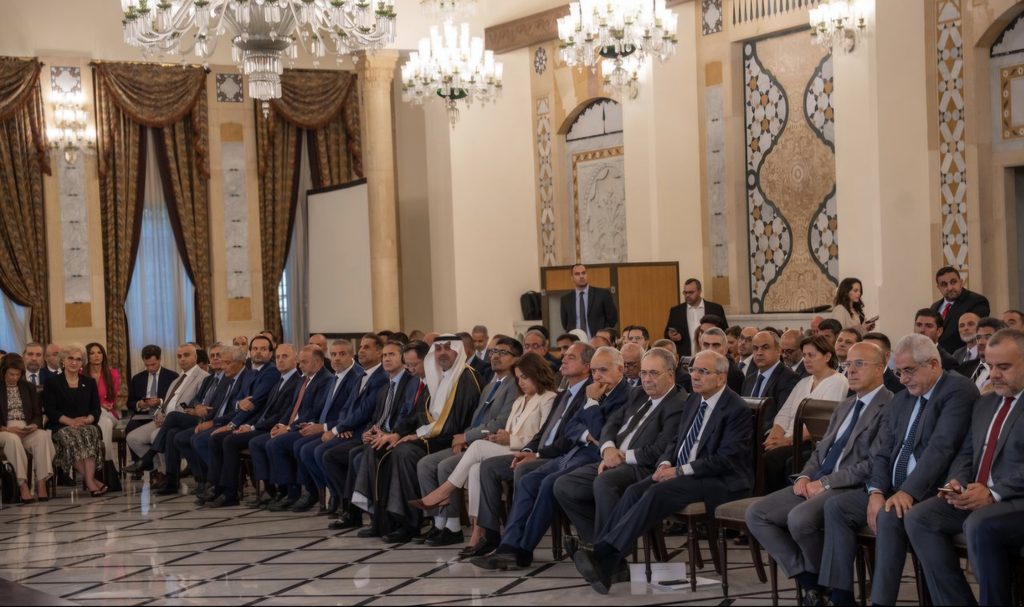
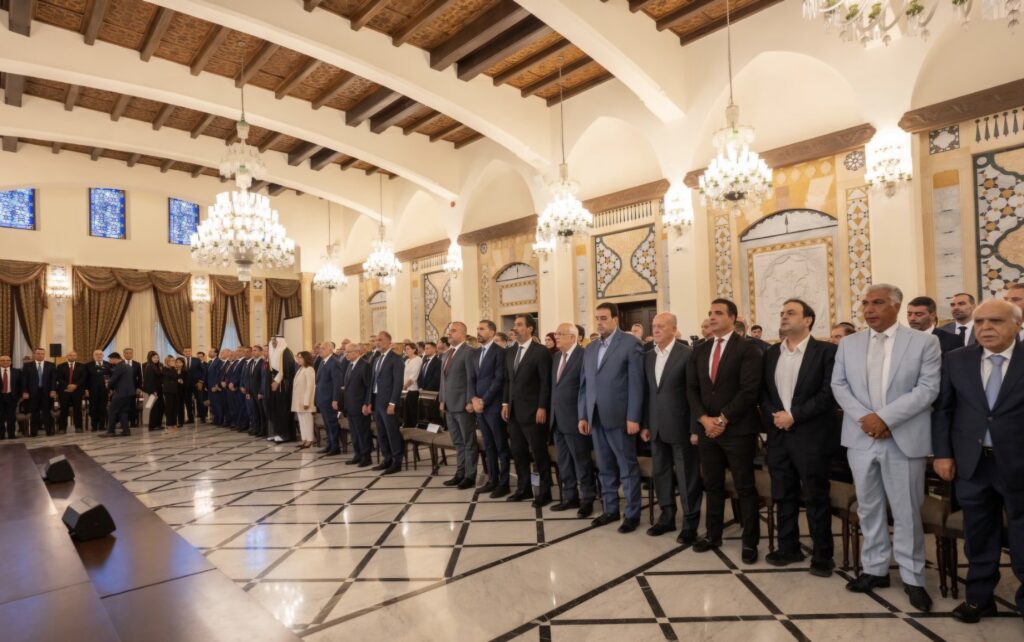
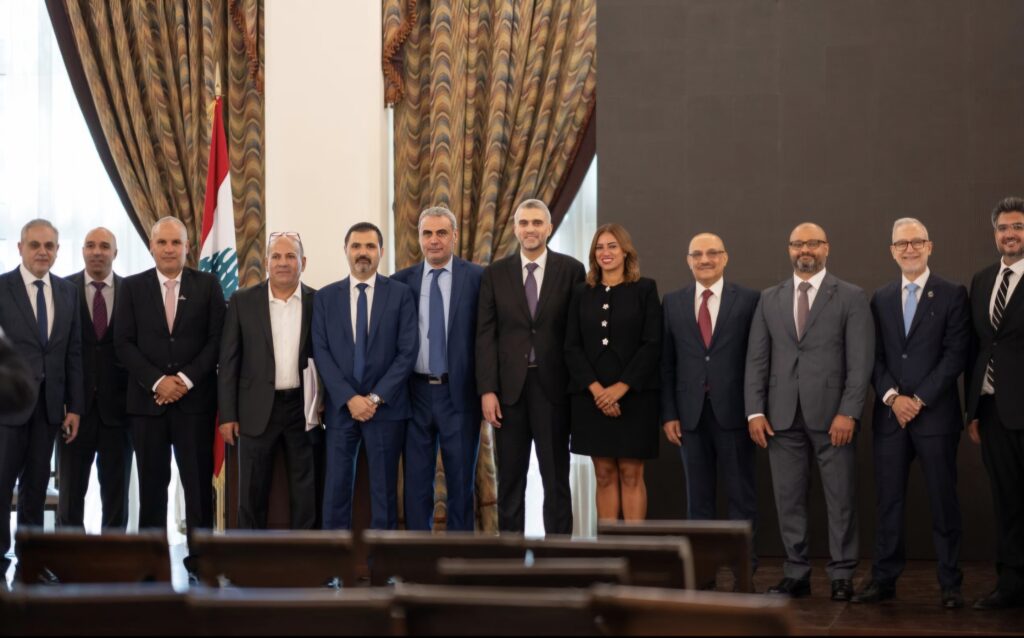
    The plans were highlighted during the “Tripoli: Strategic Partnerships, an Investment and Sustainable Development Future” conference, hosted by the Port of Tripoli in partnership with the Special Economic Zone and the Tripoli–Homs railway rehabilitation project.

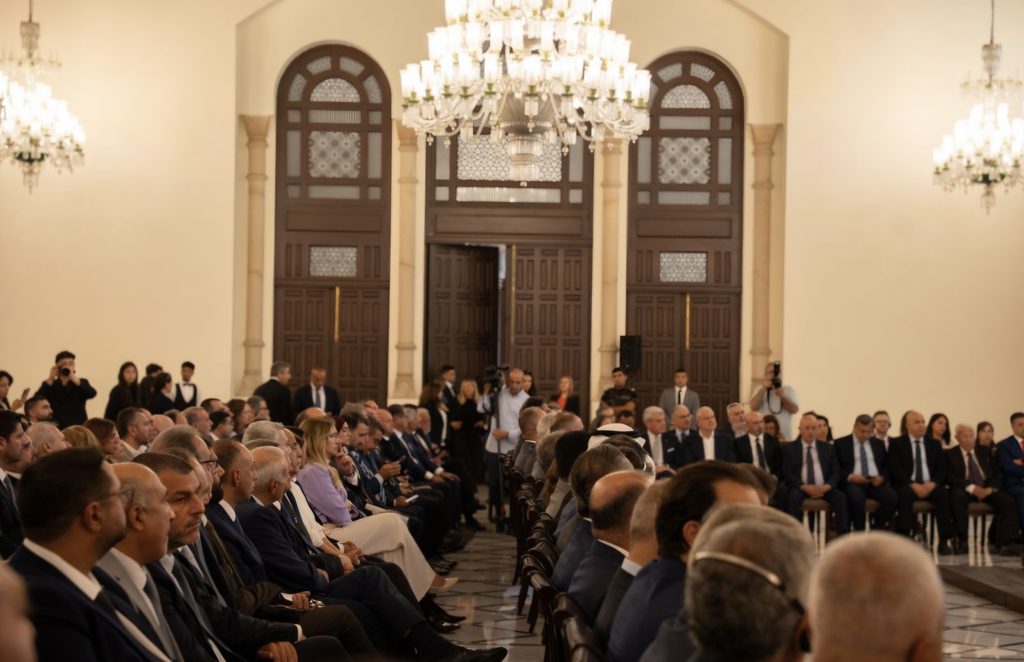
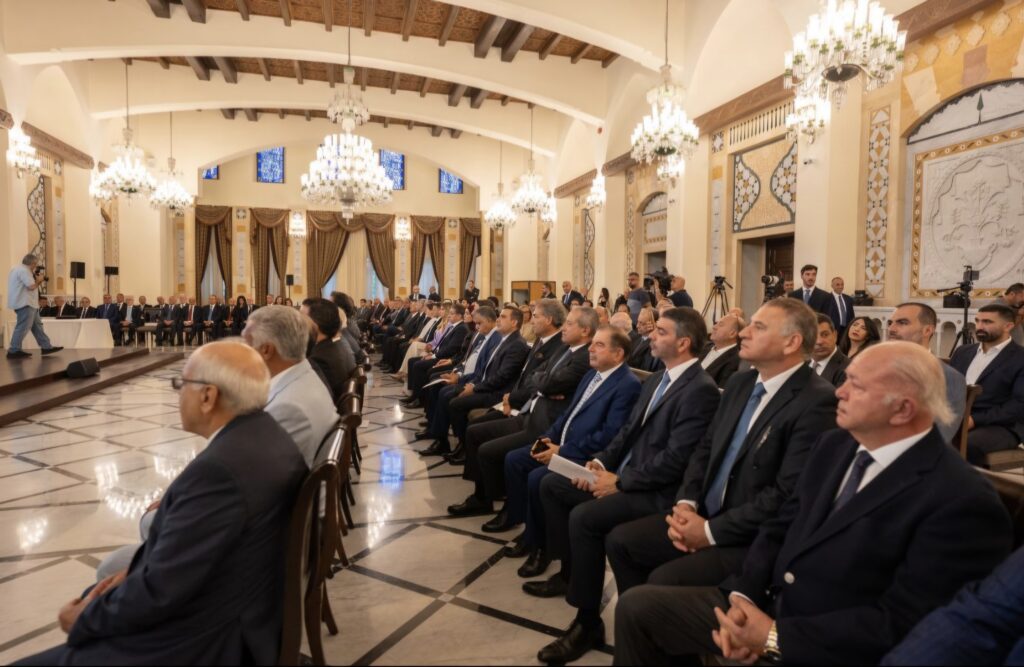
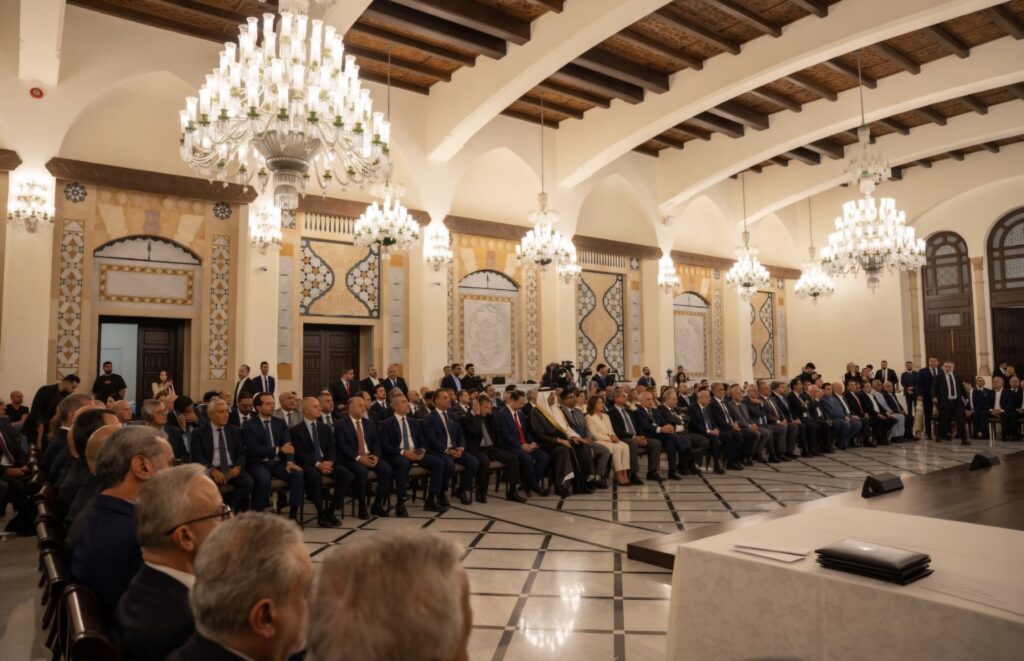
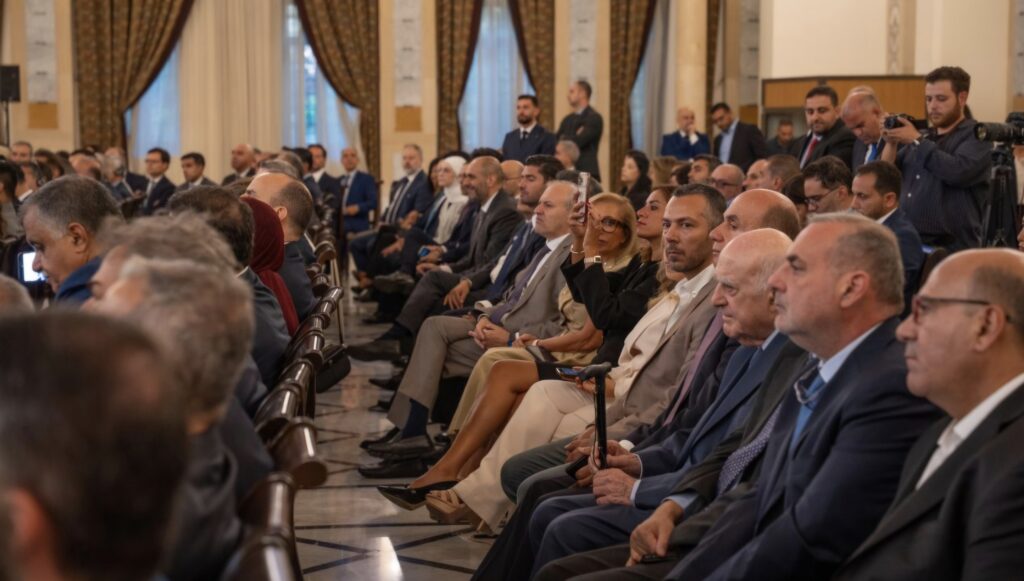
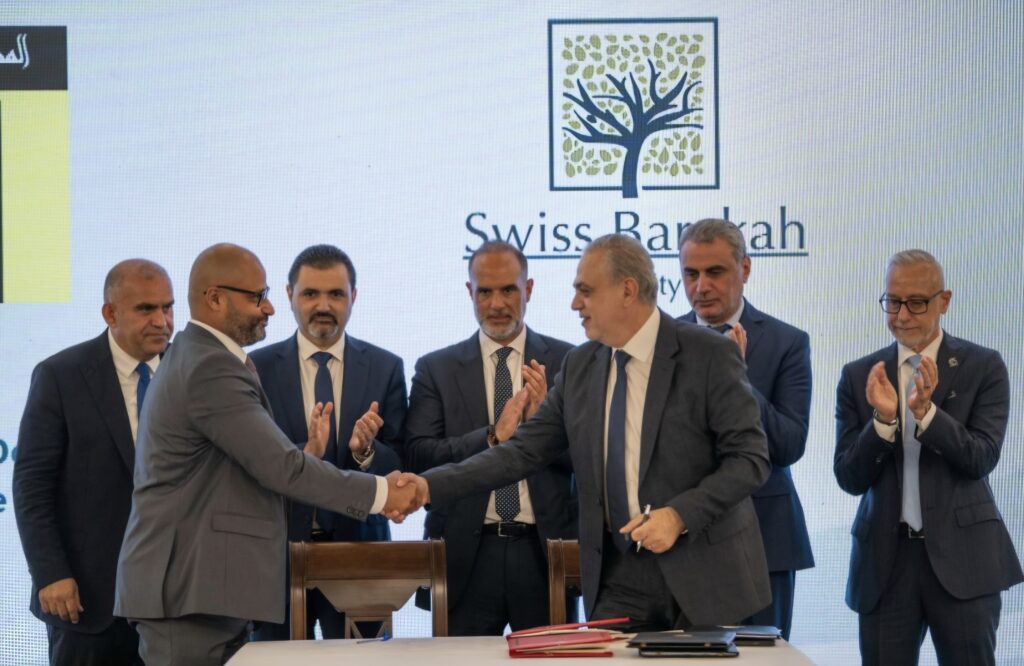
    Held at the Grand Serail under the patronage and in the presence of Prime Minister Nawaf Salam, the event brought together ministers, ambassadors and economic stakeholders to discuss investment and the development of an integrated logistics system connecting maritime, land and air transport.

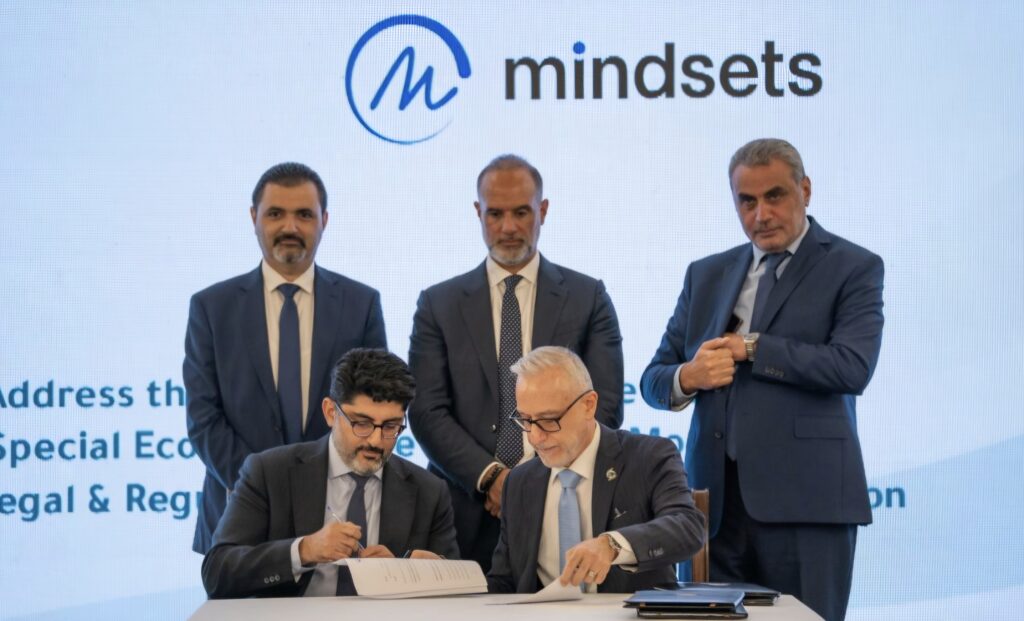
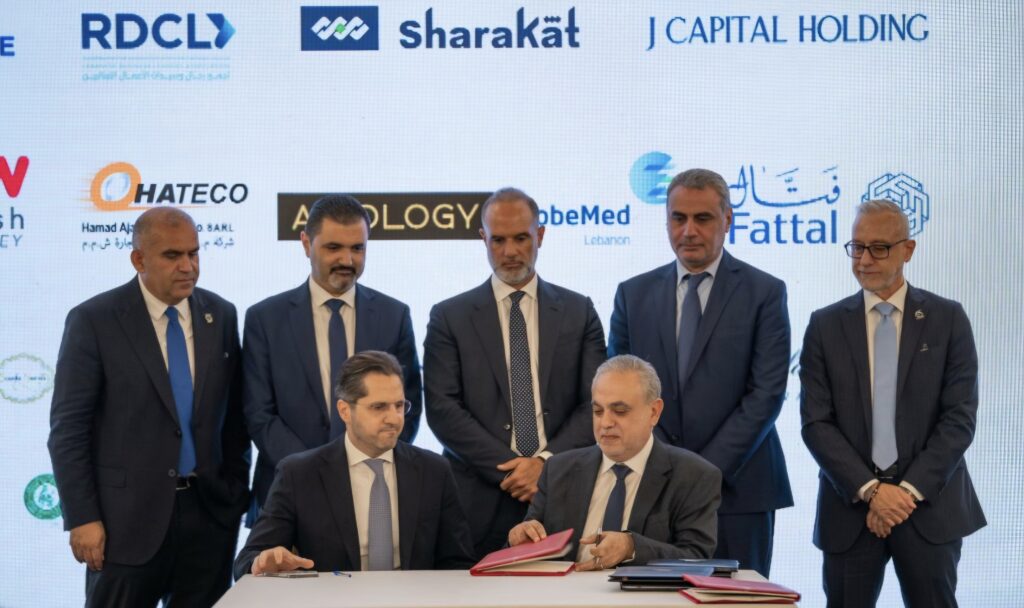
    Following tendering and evaluation procedures, two contracts were signed. The first covers the review and updating of the Tripoli–Aboudieh railway line study, while the second will develop the licensing system and legal and regulatory framework for the Tripoli Special Economic Zone.

    Several agreements and strategic partnership memoranda were also signed.

    Minister of Public Works and Transport Fayez Rasamny said the objective is to transform Tripoli Port “from a local station for handling goods into a regional logistics hub on the Eastern Mediterranean.”

    The wider roadmap includes around 20 projects over the next three years, covering infrastructure development, digitalisation, port capacity expansion and stronger domestic and regional connectivity.

    Rail connectivity forms an important part of the strategy, with efforts to develop links associated with Tripoli intended to strengthen the port’s hinterland connections and support a broader multimodal logistics network.

    Rasamny also called on investors to “put Tripoli on your radar,” stressing that the initiatives being presented represent tangible projects and investment opportunities.

    Prime Minister Salam linked the development of Tripoli with Lebanon’s wider economic prospects, stating: “When Tripoli grows, Lebanon grows with it.”

    The latest agreements represent a move from planning toward implementation as Lebanon seeks to strengthen Tripoli’s position in Eastern Mediterranean trade, logistics and investment.

    Source: Port of Tripoli

  • Egypt Expands Port Development Pipeline Across Damietta, Alexandria, Arish and Red Sea Corridors

    Shipping Arabia, September 20, 2026 – Egypt is advancing a broad portfolio of port, terminal, ship repair and maritime infrastructure projects across the Mediterranean and Red Sea, as the country seeks to expand cargo-handling capacity and strengthen multimodal trade corridors linking its seaports with rail and inland logistics networks.

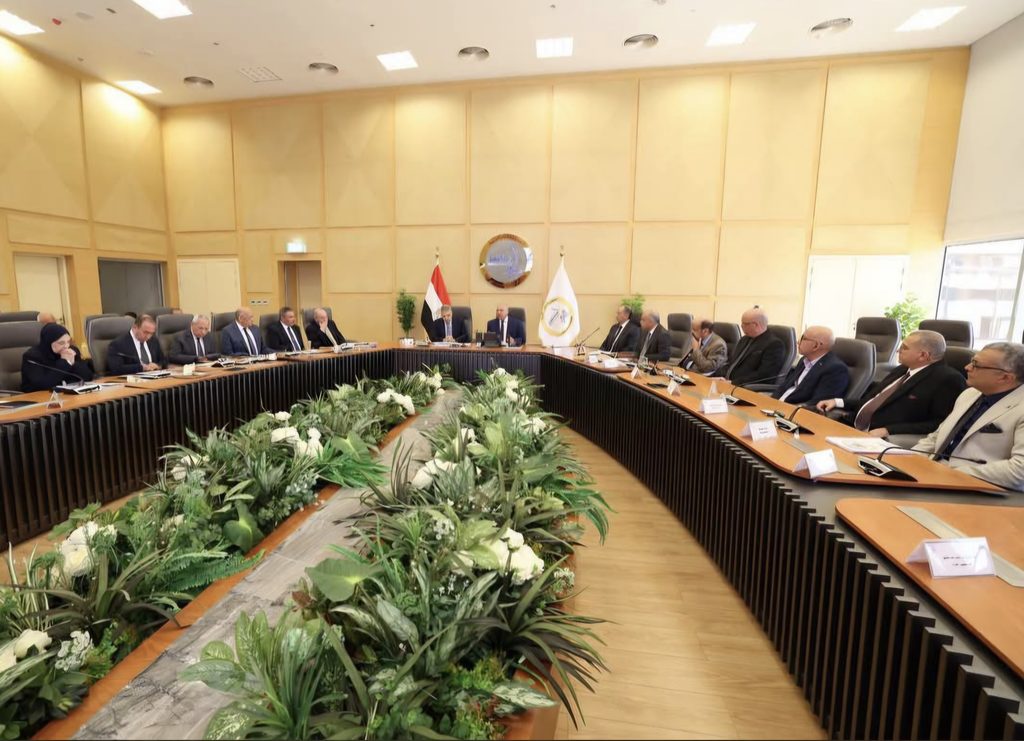
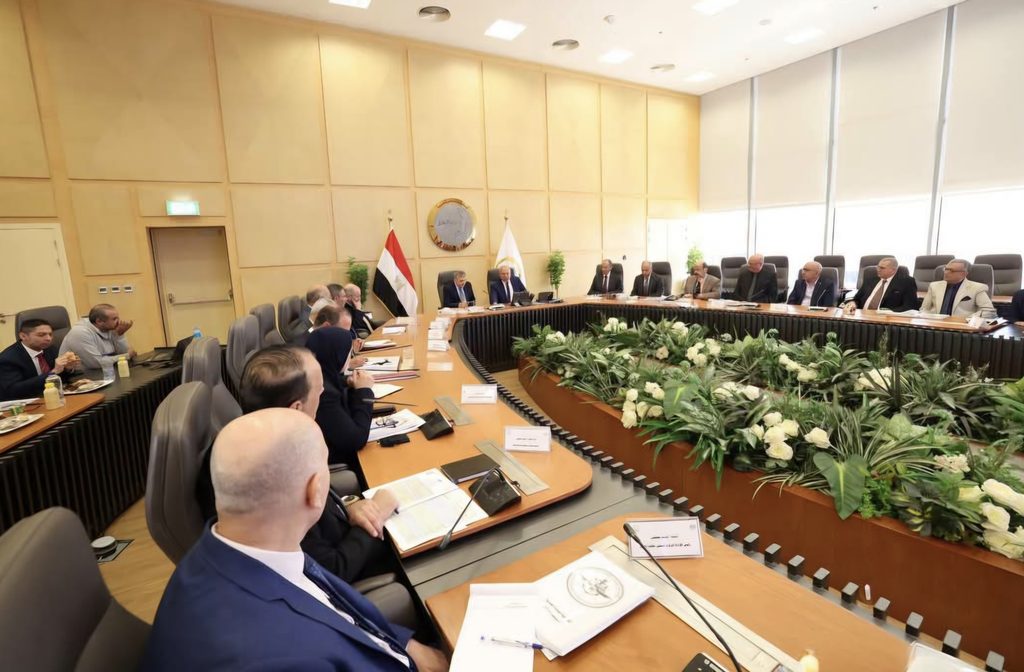
    Transport Minister Kamel El-Wazir reviewed the programme during the ordinary and extraordinary general assemblies of the Suez Canal Company for Marine Ports Development, attended by Suez Canal Authority Chairman and Managing Director Adm. Ossama Rabiee.

    Company Chairman and Managing Director Maj. Gen. Mohamed Farag presented progress on projects including dredging, reclamation and berth construction for a dry bulk terminal at El-Max Port, reclamation works at Damietta Port and development of a cement plant at Arish Port.

    The company is also involved in the Ferdan-Taba railway, a logistics terminal for handling raw materials and pellets at Adabiya, construction of an 850-meter marine berth covering a total area of 270,000 square meters, and reclamation works supporting the Tahya Misr 2 terminal.

    Other projects include Taba Port, which forms part of the Arish-Taba logistics corridor, alongside dredging and reclamation for a ship repair and recycling area at Damietta and construction of the port’s 6,920-meter western breakwater.

    El-Wazir called for the projects to remain on schedule while directing the company to expand into additional maritime infrastructure and operational activities.

    He said the company’s future role should extend beyond port construction to the management, operation and maintenance of cargo, container and multipurpose terminals and marine berths inside and outside Egypt.

    The strategy also calls for greater integration between maritime, road and rail transport, positioning port infrastructure as part of wider logistics corridors rather than standalone facilities.

    El-Wazir described the company as a key arm of Egypt’s port development programme, with a larger role expected in expanding maritime capacity and strengthening the country’s position in regional and international trade.

    Source: Ministry of Transport – Egypt

Back to top button