Regional Trade

  • Aqaba Port Cargo Handling Jumps 49% to 9.48 Million Tonnes

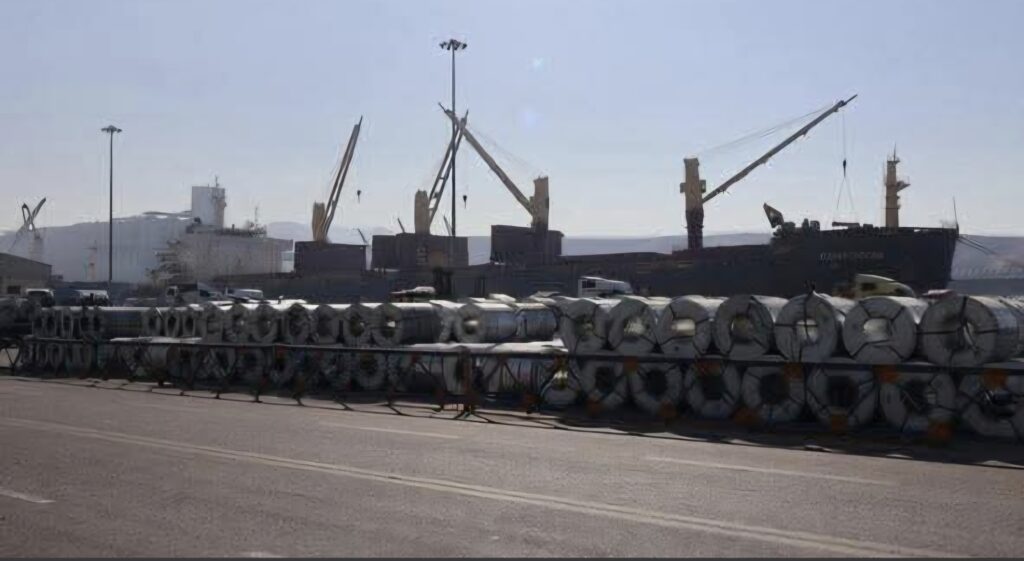
    Shipping Arabia, September 25, 2026 – Cargo handling at Aqaba’s main port surged 49% year-on-year to 9.48 million tonnes during the first eight months of 2026, accompanied by a sharp increase in truck traffic as Jordan’s only seaport handles growing domestic and regional trade flows.

    Dr. Mahmoud Khleifat, Director General of Aqaba Company for Ports Operation and Management, said throughput reached approximately 9.482 million tonnes through the end of August, compared with 6.382 million tonnes during the same period in 2025.

    Truck movements increased even faster, rising 51% to around 129,900 trucks, from 85,551 during the corresponding period last year.

    The increase reflects stronger activity at Aqaba as the port serves both Jordan’s domestic economy and growing cargo flows involving neighboring markets. Khleifat said coordination among stakeholders in the Aqaba Special Economic Zone and government agencies has helped streamline procedures and improve the movement of cargo to and from the port.

    The main port handles a broad range of cargoes and vessel types, providing an important component of Aqaba’s wider maritime and logistics infrastructure alongside the kingdom’s container, Ro-Ro and specialized terminal facilities.

    Khleifat said the port is continuing to develop its operations with a focus on safety, operational efficiency and sustainability while maintaining handling services capable of supporting changing trade and supply chain requirements.

    The growth further strengthens Aqaba’s role as Jordan’s maritime gateway and an increasingly important regional logistics and transit corridor, particularly as changing regional trade patterns generate additional cargo flows through the kingdom.

    Source: Addustour
  • Folk Maritime CEO Highlights Shift Toward Regional Trade and Greater Shipping Resilience

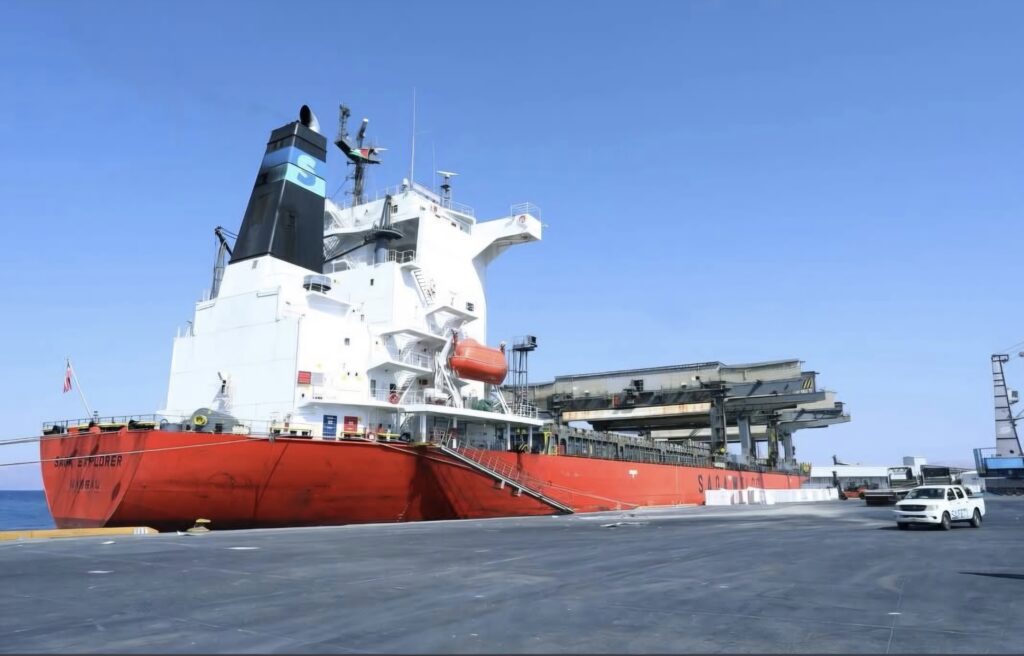
    Shipping Arabia, September 22, 2026 – Global trade is moving toward a more regional and resilient structure as geopolitical risks, sanctions and changing shipping patterns increasingly influence maritime investment and operations, according to Folk Maritime CEO Poul Hestbaek.

    Hestbaek discussed the changing trade environment during a panel at the 18th Annual Capital Link Shipping & Marine Services Forum in London, addressing the theme of global trade in a changing world, including sanctions, risks, maritime corridors and the reshaping of trade routes.

    He highlighted what Folk Maritime described as a strategic transition away from unrestricted globalisation toward a more sustainable and regional trading environment, with geopolitical considerations playing a growing role in shipping routes and investment decisions.

    The discussion also addressed the pricing of risk. Hestbaek highlighted the importance of clearly incorporating risks associated with international sanctions into freight rates and chartering terms as shipping companies navigate an increasingly complex regulatory and geopolitical environment.

    Another area of focus was supply chain security. The sector is moving beyond a traditional emphasis on just-in-time delivery toward greater operational flexibility and an increased ability to respond to disruptions, according to the discussion.

    Hestbaek also pointed to the emergence of new regional maritime alliances as a development that will require shipping companies to take a more proactive approach to risk management and prepare for further changes across the industry.

    The discussion reflects the broader challenges facing maritime transport as shipping companies adapt their networks, commercial strategies and operational models to changing trade patterns and increasingly complex global risks.

    Saudi Arabia-based Folk Maritime operates regional liner services and is backed by the Public Investment Fund.

    Source: Folk Maritime

Back to top button