Strait of Hormuz

  • Iraq Says War Impact on Transport Projects Limited as Port Trade Continues

    Shipping Arabia, September 26, 2026 – Iraq’s Ministry of Transport said the impact of the regional war on the country’s transport projects remains limited, although Iraqi ports have been affected by the Strait of Hormuz crisis.

    Hussein Ahmed, director of media and government communications at the ministry, said essential goods and food supplies continue to move through Iraqi ports. Vessel operations also remain active despite the regional disruption.

    The ministry said Iraqi ports have faced pressures similar to those affecting other ports in the region. However, the crisis has not stopped the movement of essential supplies needed to support economic activity and daily life.

    Road Transport Activity Increases

    Road transport activity has increased during the crisis as Iraq continues moving cargo through alternative channels. Around 1,500 trucks have departed through the country’s western crossing.

    International transport movements have also exceeded 7,000 operations during the recent period, reaching markets in Central Asia. The ministry said this activity has helped maintain trade flows while maritime transport in the region remains under pressure.

    Continued road movements have therefore supported the flow of goods alongside active port operations.

    Iraqi Ports Remain Operational

    Ahmed said vessel activity is continuing at Iraqi ports and that flows of essential commodities remain in place. This includes food supplies and other goods required by the domestic market.

    The ministry said the Strait of Hormuz crisis has affected Iraqi ports, but operations have continued despite the disruption. The continued movement of vessels and cargo has helped prevent a complete interruption to essential supply flows.

    The ministry also highlighted the role of international land transport in supporting connectivity beyond Iraq during the crisis.

    Oil Exports Face Greater Impact

    While the broader effect on transport projects remains limited, Ahmed said the crisis has had a significant impact on Iraqi oil exports.

    The ministry did not provide figures on the scale of the decline or the volume of exports affected.

    Despite these pressures, port activity and road transport movements have continued, helping Iraq maintain the movement of essential goods and trade flows during the regional disruption.

    Source: Al Jazeera
  • Maersk Imposes Emergency Freight Surcharges Amid Strait of Hormuz Disruptions

    Shipping Arabia, September 26, 2026 – Maersk has introduced emergency freight surcharges on container shipments affected by disruptions surrounding the Strait of Hormuz, with total additional costs potentially reaching $4,800 per container depending on cargo type and whether the shipment moves aboard a vessel transiting the strait.

    The measures cover shipments loaded from or destined for ports in Iraq, Kuwait, Bahrain, Qatar and the UAE. They also apply to Dammam and Jubail in Saudi Arabia and ports in Oman, excluding Salalah.

    Maersk has set the emergency surcharge at $1,800 for a 20-foot dry container and $3,000 for a 40-foot dry container. Refrigerated containers, as well as equipment carrying special or dangerous cargo, will face a higher charge of $3,800 per container.

    Additional Charge Applies to Hormuz Transits

    Cargo moving aboard vessels that transit the Strait of Hormuz will be subject to an additional $1,000 per container. According to Maersk, the charge is intended to cover higher insurance premiums and crew risk compensation associated with operating through the affected area.

    When combined with the $3,800 emergency surcharge for refrigerated, special or dangerous cargo, the additional Hormuz transit charge can bring total extra costs to $4,800 per container.

    Maersk said the emergency freight surcharges also cover a wider range of expenses created by the disruption. These include alternative routings, storage costs, additional transportation and the movement of cargo from temporary storage locations to final destinations once onward transport can be carried out safely.

    Alternative Routes Used for Upper Gulf Cargo

    The carrier is also using alternative routings for shipments serving several Upper Gulf markets. Cargo moving to or from Kuwait, Iraq, Qatar, Bahrain and the UAE is being routed through Salalah and Khor Fakkan.

    Saudi Arabian import and export cargo will continue to move through Jeddah. The alternative arrangements form part of Maersk’s response to the disruption affecting normal cargo movements in the region.

    The emergency measures therefore combine additional charges with changes to cargo routing as the carrier manages shipments serving markets around the Strait of Hormuz.

    Booking Restrictions Remain in Place

    Maersk has also maintained booking restrictions across parts of the affected region. The carrier is applying tighter limitations to refrigerated cargo, dangerous goods, out-of-gauge shipments and other specialized cargo.

    At the same time, Maersk said particular attention will be given to essential food supplies, medicines and other perishable goods. These cargo types remain a priority as the carrier manages capacity and operational restrictions linked to the disruption.

    The emergency surcharges, alternative routings and booking restrictions remain part of Maersk’s measures for handling cargo flows affected by conditions around the Strait of Hormuz.

    Source: Al-Mal

  • Jordan Supply Chain Committee Reviews Bab el-Mandeb and Hormuz Impact as Pressure Builds on Aqaba

    Shipping Arabia, September 21, 2026 – Jordan’s Supply Chain, Provisioning and Food Security Follow-up Committee has reviewed the impact of shipping disruptions through the Bab el-Mandeb and Strait of Hormuz on cargo flows, freight and insurance costs, as rising regional demand continues to place pressure on Aqaba ports and border crossings.

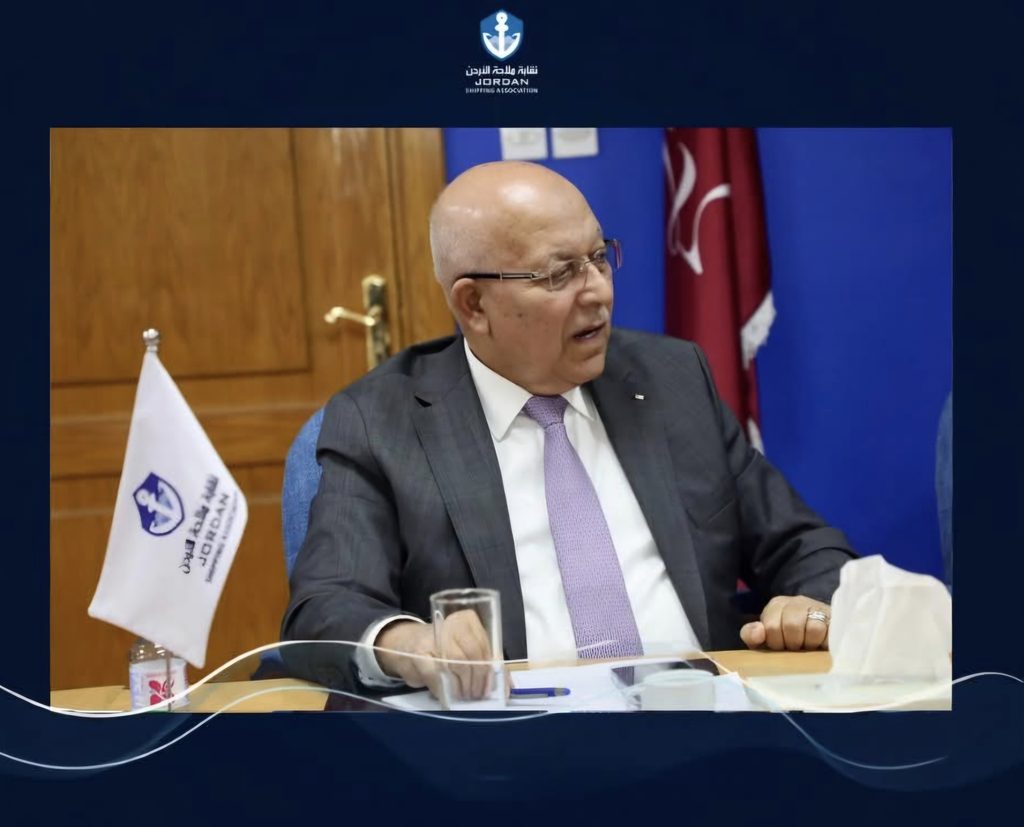
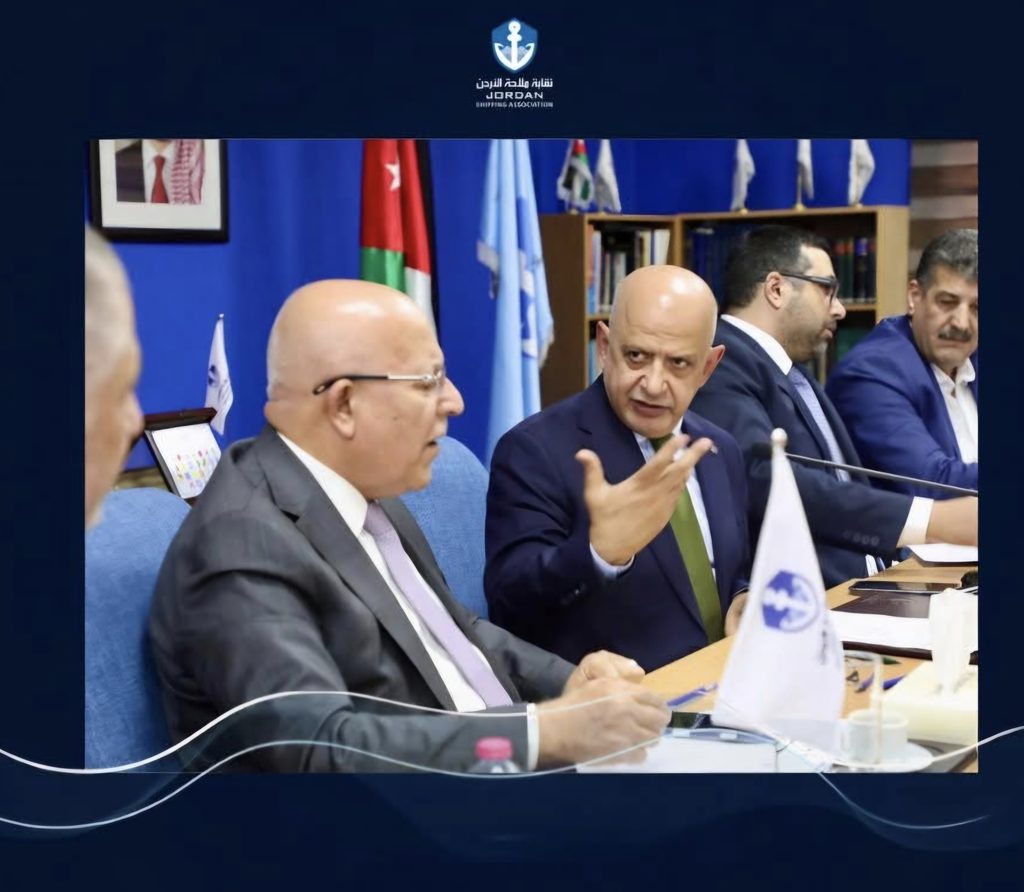
    The committee met at the Jordan Shipping Association with representatives from the country’s shipping, logistics, customs clearance and commercial sectors to assess changing sailing routes, longer transit times, higher transport and insurance costs and their impact on the movement of goods into Jordan.

    The meeting was attended by Jordan Chamber of Commerce Chairman Khalil Al-Haj Tawfiq; Amman Chamber of Commerce First Vice Chairman Nabil Al-Khatib; Jordan Shipping Association Chairman Zaid Al-Kalaldeh; Clearance Companies and Cargo Transporters Syndicate President Dr. Deifallah Abu Aqoula; Jordan Logistics Association Chairman Nizar Saleh; JSA Secretary-General Capt. Mohammad Al-Dalabieh; and Assistant General Manager Raad Hakouz, alongside representatives of the shipping, logistics and clearance sectors.

    Discussions focused on growing operational pressure across Aqaba, border crossings and inland transport corridors, including challenges affecting truck and cargo movements as regional maritime disruption changes established trade routes.

    Participants also reviewed measures adopted following earlier committee meetings and their impact on cargo flows and operational procedures. Several implemented measures were reported to have improved conditions, but other recommendations remain under implementation.

    The committee said the significant increase in demand on Aqaba ports and Jordan’s border crossings makes faster completion of the remaining measures increasingly important to ease bottlenecks and improve supply chain efficiency.

    Members stressed the need for continuous exchange of operational information between the public and private sectors and stronger readiness to respond quickly to further changes in regional shipping and overland transport.

    The committee will continue monitoring implementation of its recommendations as Jordan works to maintain uninterrupted cargo flows and strengthen the ability of Aqaba and the country’s land corridors to serve both domestic supply chains and growing regional trade movements.

    Source: Jordan Shipping Association

Back to top button