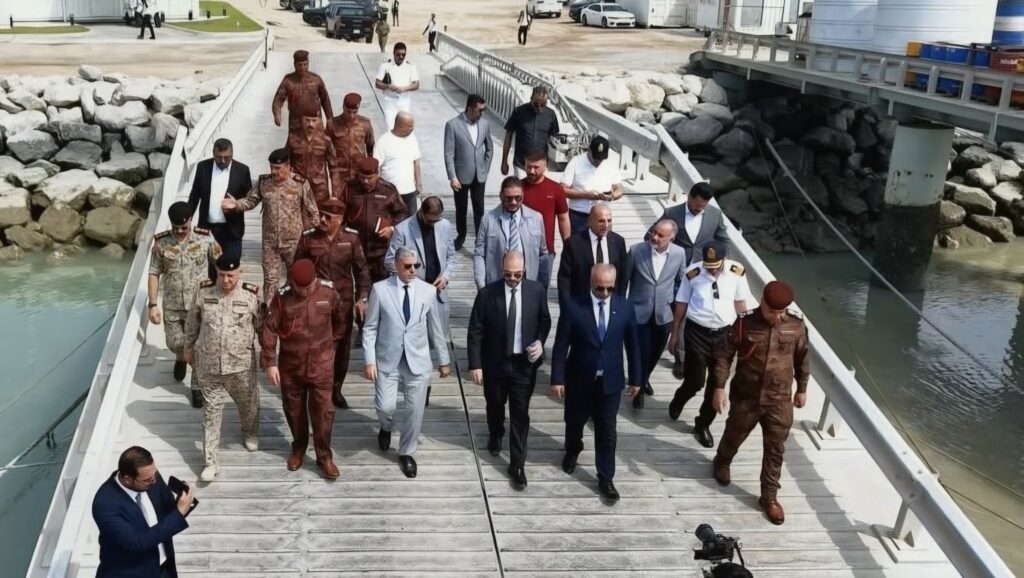
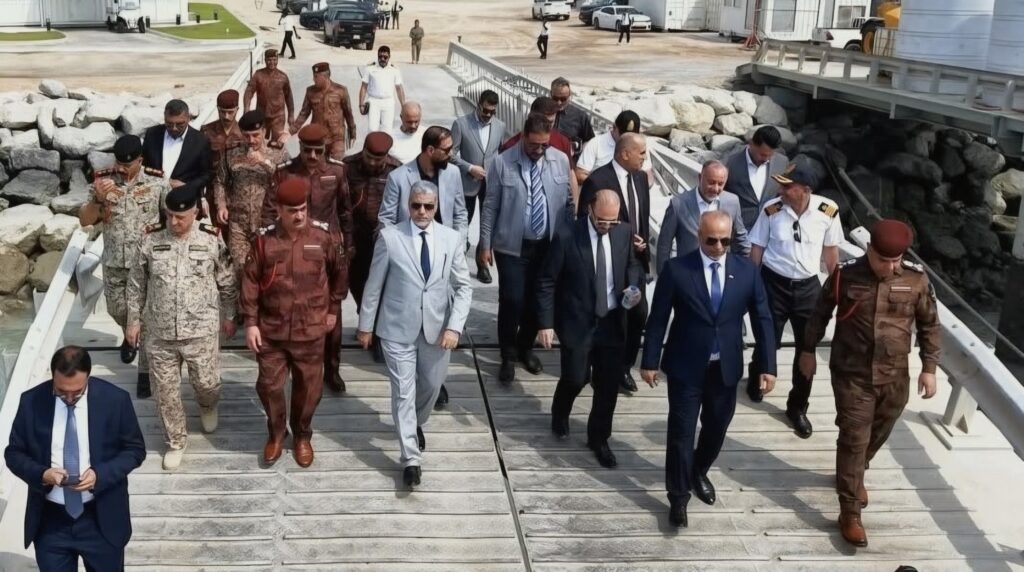
Shipping Arabia, October 24, 2026 – The Iraqi Supreme Maritime Authority has inaugurated a new Vessel Traffic Services (VTS) system to monitor and regulate vessel movements within Iraq’s territorial waters. The project aims to strengthen maritime safety and security, improve navigational efficiency, and enhance the management of vessel arrivals and departures.
The inauguration marks a development in Iraq’s efforts to modernize its maritime surveillance capabilities and strengthen operational oversight of shipping activities. The system will support vessel traffic management while improving coordination and information exchange across the country’s maritime sector.
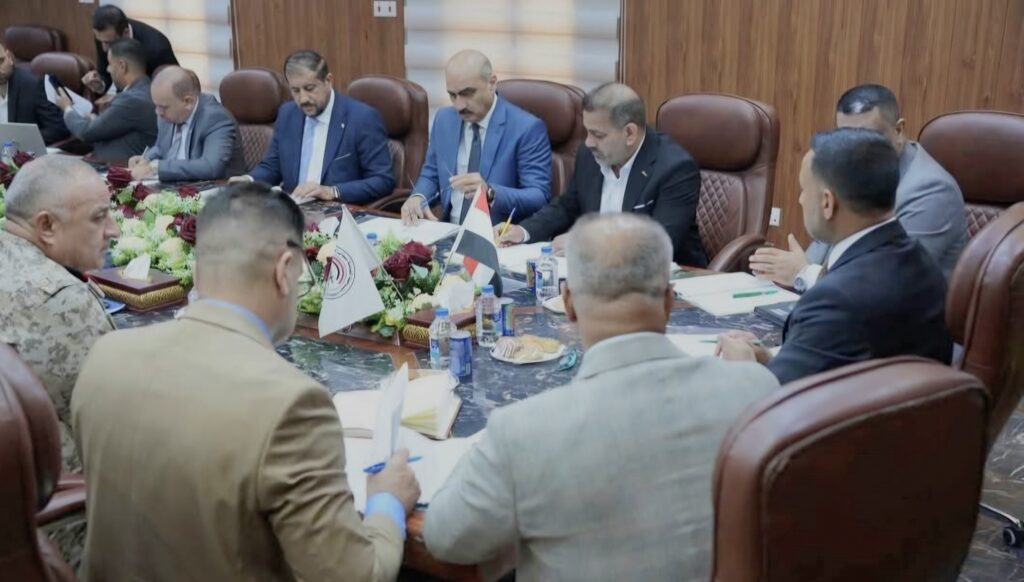
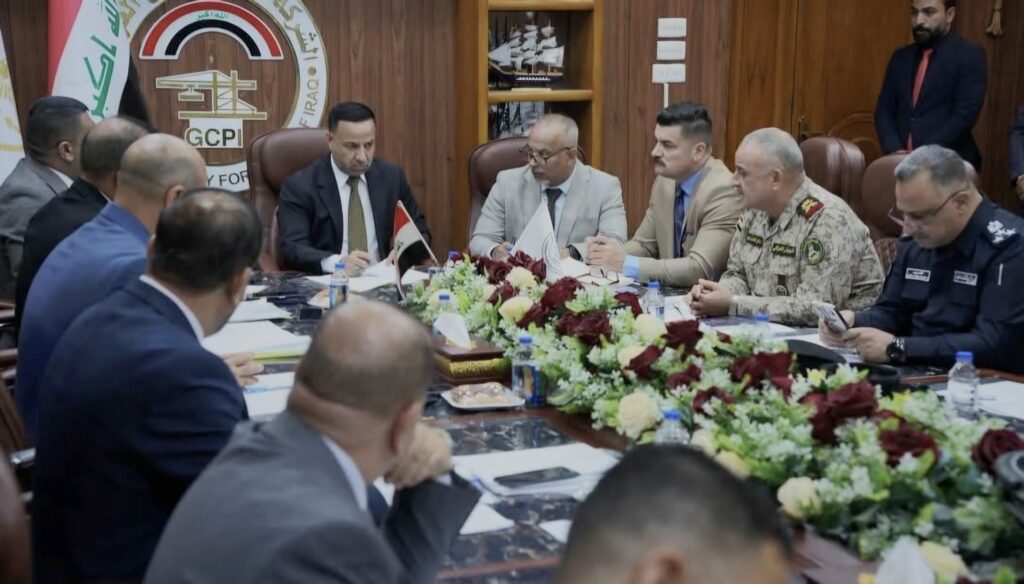
The ceremony was attended by the Deputy Director General of the General Company for Ports of Iraq (GCPI), alongside representatives of the Arabian Gulf Academy for Maritime Studies, the Iraqi Navy and the Border Guard Command.
Iraq’s Vessel Traffic Services System to Improve Maritime Operations
Ali Abdul Latif Al-Tamimi, Director General of the Iraqi Supreme Maritime Authority, said the project aligns with the Ministry of Transport’s directives to develop the country’s technical and operational capabilities.
According to Al-Tamimi, the new VTS system will improve vessel monitoring and verification of ship movements, contributing to stronger maritime security and supporting commercial shipping activities.
The system is designed to improve the organization of vessel traffic in Iraqi territorial waters while enhancing navigational safety and reducing operational risks. It will also strengthen maritime security measures aimed at preventing illegal activities and protecting critical maritime infrastructure.
Furthermore, the project supports efforts to safeguard the marine environment by improving oversight of shipping activities and strengthening the management of vessel movements.
The Authority expects these improvements to contribute to more efficient maritime operations and facilitate the movement of commercial vessels through Iraqi waters.
Strategic Importance of Iraq’s Maritime Location
Al-Tamimi emphasized Iraq’s geographical position along the Shatt al-Arab waterway and the Arabian Gulf, highlighting the strategic role of the country’s ports in connecting the national economy with international markets.
He explained that developing maritime surveillance systems is essential to improving the management of shipping movements and maintaining appropriate safety and security standards.
The new VTS system will also support regulatory procedures and improve information exchange among relevant maritime stakeholders. These capabilities are expected to facilitate smoother navigational and commercial traffic while strengthening the efficiency of maritime operations.
According to the Authority, improvements in vessel traffic management and maritime oversight will also help support investment opportunities in Iraq’s maritime sector.
Alignment With International Maritime Standards
The Iraqi Supreme Maritime Authority highlighted the importance of adopting modern technologies and benefiting from international experience in managing vessel traffic.
Al-Tamimi said the project forms part of efforts to keep pace with technological developments in the maritime industry while strengthening the country’s technical and operational capabilities.
The Authority also emphasized the importance of implementing maritime monitoring and traffic management measures in accordance with applicable international laws, agreements and standards.
These include the International Convention for the Safety of Life at Sea (SOLAS) and the 1982 United Nations Convention on the Law of the Sea (UNCLOS), each within its respective scope of application.
Through the introduction of the VTS system, Iraq aims to improve maritime oversight, strengthen navigational safety and security, and support the efficient movement of vessels serving its ports and territorial waters.
Source: Iraqi Ministry of Transport