Cargo Handling

  • Iraq Reviews Umm Qasr Port Upgrades and Immersed Tunnel Construction Progress

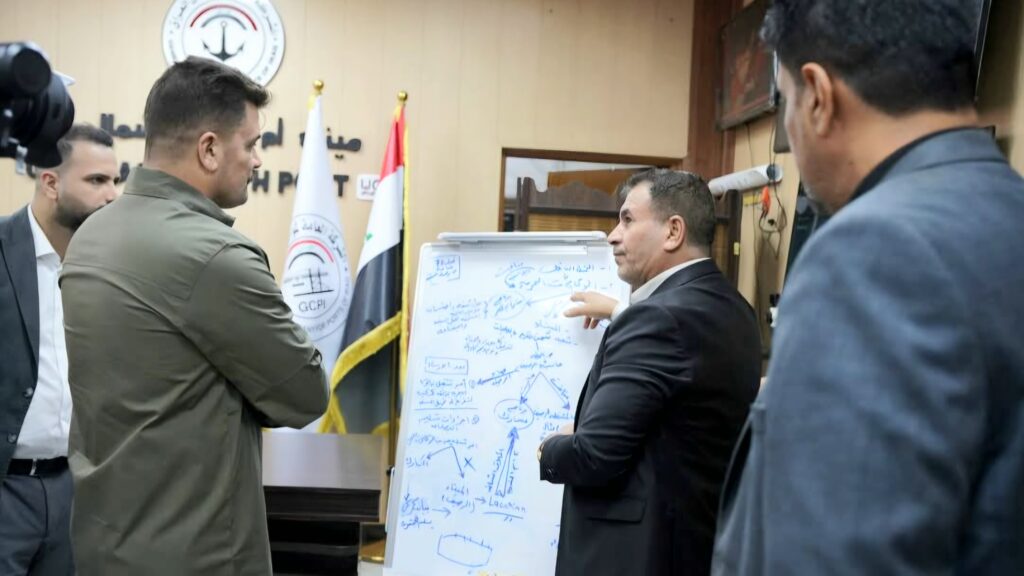
    Shipping Arabia, November 12, 2026 – The General Company for Ports of Iraq (GCPI) has conducted a series of field inspections to review Umm Qasr port upgrades, cargo handling operations and infrastructure rehabilitation projects. The inspections covered Umm Qasr North and South ports, as well as ongoing construction of the immersed tunnel project.

    GCPI Director General Abdullah Ati Abdullah led the inspections in accordance with directives from Iraq’s Minister of Transport, Wahb Al-Hassani. The visits focused on assessing construction progress, reviewing operational performance and identifying technical requirements and challenges affecting project implementation.

    The inspections form part of the company’s efforts to modernize Iraq’s port infrastructure, improve cargo handling efficiency and strengthen the operational capabilities of its commercial ports.

    Umm Qasr Port Upgrades Cover Gates, Berths and Road Infrastructure

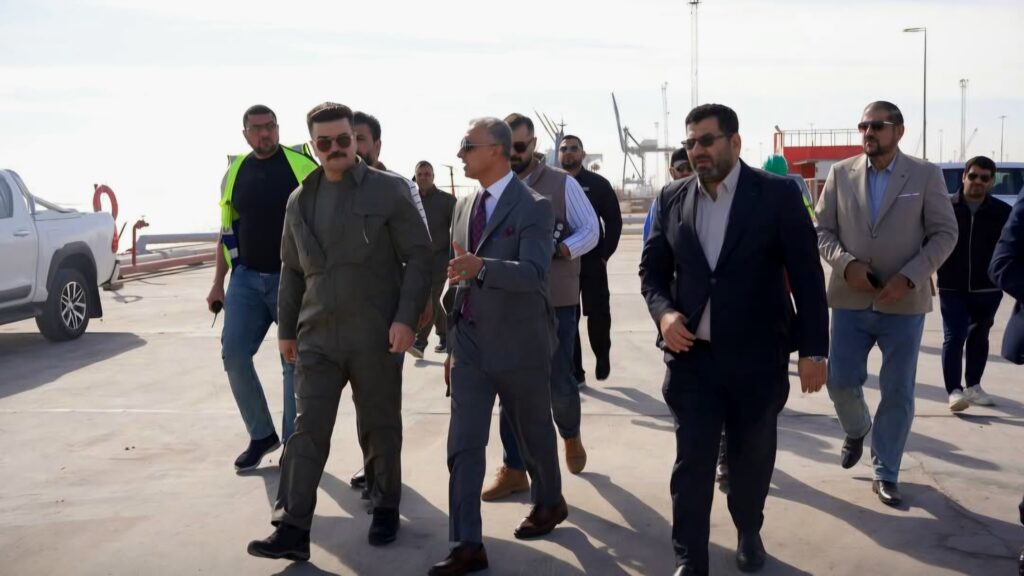
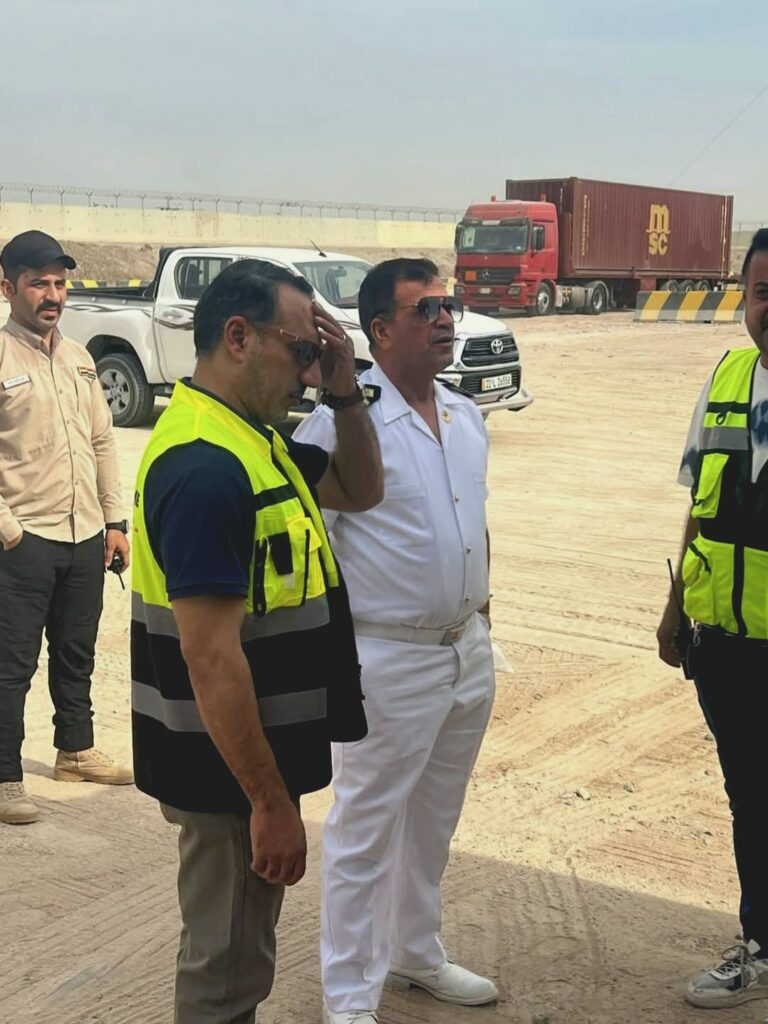
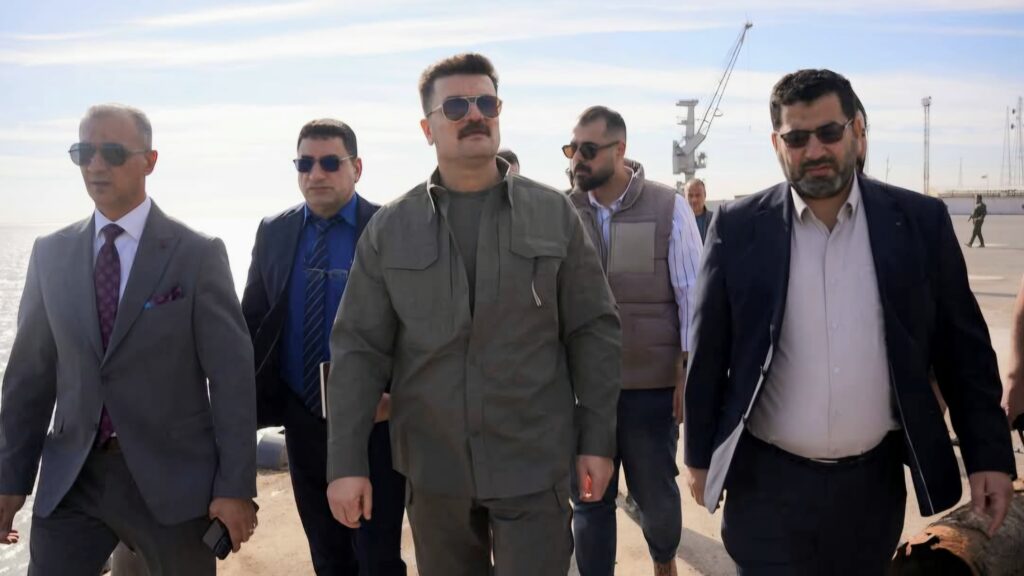
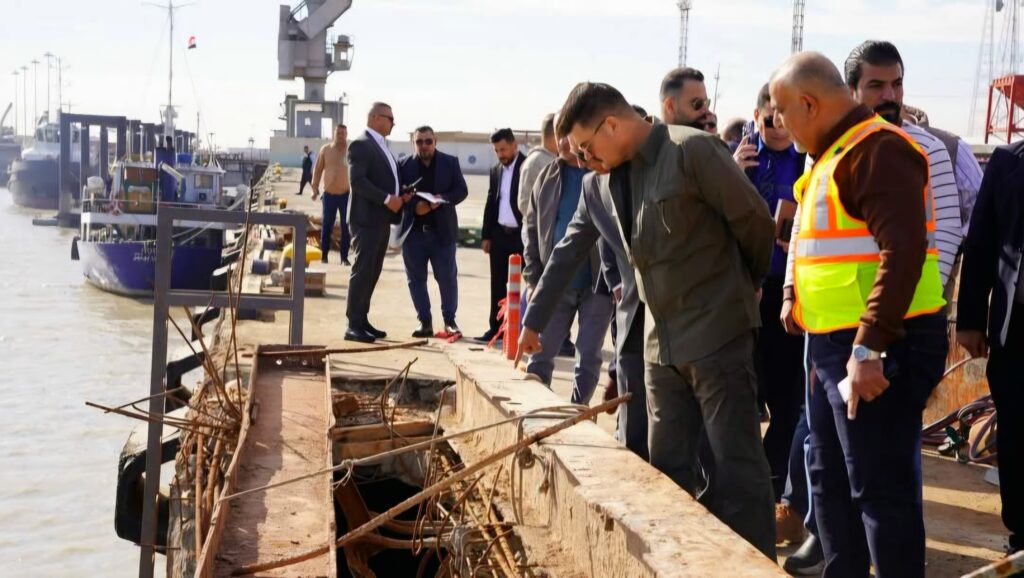
    At Umm Qasr North Port, Abdullah conducted a field inspection accompanied by Port Director Capt. Salem Jabbar Hussein. The visit covered several development projects, including the construction of the port’s main gates, Station No. 2 and new berths.

    The director general examined berth operations and reviewed cargo handling procedures. He also assessed how shipments move from the berths to designated storage areas, focusing on the efficiency of cargo movement within the port.

    In addition, the inspection covered ongoing road rehabilitation works and the port’s overpass project. Abdullah reviewed construction progress and the remaining requirements for completing these infrastructure improvements.

    Engineering and technical teams provided updates on implementation stages, completion rates and outstanding project requirements. Following these discussions, Abdullah instructed the teams to intensify field supervision, accelerate construction and address obstacles affecting progress.

    He also emphasized the importance of meeting approved technical specifications, maintaining quality standards and completing projects within their established schedules.

    The Umm Qasr North development projects aim to strengthen the port’s infrastructure, improve operational efficiency and facilitate smoother cargo handling and transportation. These improvements are intended to support the port’s position as one of Iraq’s major commercial maritime gateways.

    Umm Qasr South Port Focuses on Cargo Operations and Infrastructure Rehabilitation

    At Umm Qasr South Port, the director general inspected ongoing cargo operations and reviewed the implementation of development and infrastructure rehabilitation projects.

    The visit included inspections of operational berths, where Abdullah monitored cargo loading and unloading activities. He also examined berth maintenance and rehabilitation works, alongside improvements to storage and service yards.

    During discussions with engineering, technical and operational personnel, Abdullah reviewed their requirements and observations concerning port activities and project execution.

    He directed the relevant teams to accelerate development works while adhering to approved technical standards and project deadlines. The instructions also emphasized improving cargo handling efficiency, maintaining smooth operational workflows and removing obstacles that could delay implementation.

    These efforts are part of GCPI’s broader program to upgrade port infrastructure and increase operational efficiency. The company aims to strengthen the port’s ability to support maritime trade and contribute to Iraq’s national economy.

    Immersed Tunnel Project Construction Progress Under Review

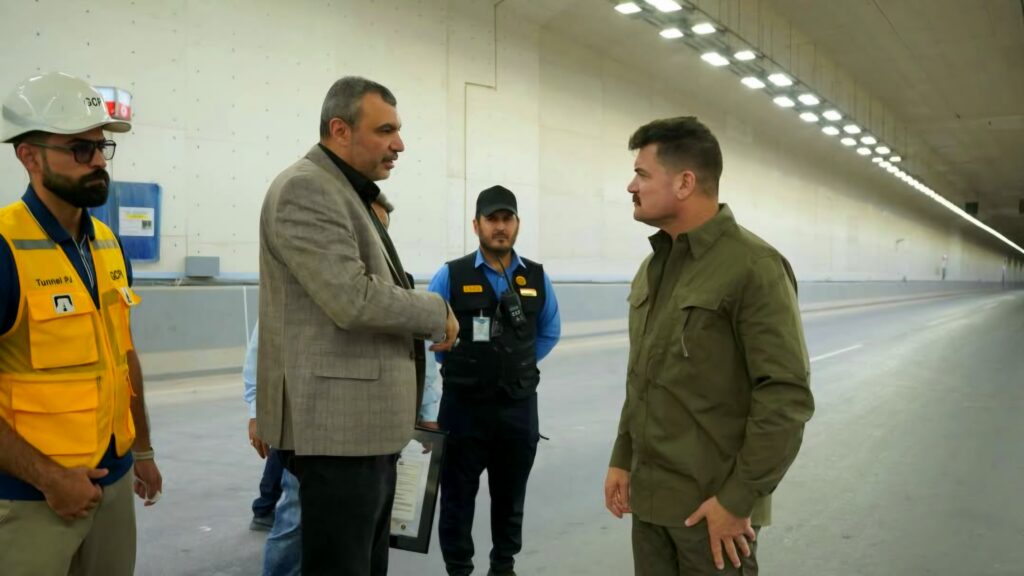
    Separately, Abdullah visited the immersed tunnel project to assess construction progress, implementation stages and completion rates.

    The inspection followed directives from Transport Minister Wahb Al-Hassani calling for continued field monitoring of strategic infrastructure projects and closer oversight of implementation.

    During the visit, engineering and technical teams briefed the director general on the status of construction activities and the technical requirements associated with the remaining works.

    Abdullah stressed the need to maintain construction momentum and accelerate progress while complying with approved engineering specifications and established project schedules.

    The immersed tunnel inspection forms part of GCPI’s monitoring of major infrastructure developments intended to support improvements across Iraq’s transport and port sectors.

    Together, the inspections of Umm Qasr North, Umm Qasr South and the immersed tunnel project highlight the company’s focus on infrastructure development, project delivery and operational performance.

    Through these initiatives, GCPI seeks to improve cargo movement, strengthen port efficiency and support the continued development of Iraq’s maritime transport infrastructure.

    Source: Iraqi Ministry of Transport / General Company for Ports of Iraq
  • Oman Targets Faster Port of Duqm Operations and New Shipping Services

    Shipping Arabia, November 11, 2026 – Oman’s Public Authority for Special Economic Zones and Free Zones (OPAZ) has launched a workshop to improve Port of Duqm operations and attract new shipping services. The initiative also aims to increase cargo volumes, reduce operational delays and strengthen the port’s links with industrial and commercial investment.

    OPAZ organized the workshop in cooperation with the Industrial Innovation Academy. Taking place in Muscat until November 15, it brings together more than 100 participants from 21 government and private-sector organizations.

    The program covers nine development tracks under three main areas: service projects, investment projects and general enablers. Participants will examine operational, investment and regulatory challenges before developing implementation plans with defined responsibilities, deadlines and performance indicators.

    Improving Port of Duqm Operations and Shipping Connectivity

    The service projects component focuses on improving the efficiency of Port of Duqm operations. Participants will examine how to simplify port procedures, resolve overlapping institutional responsibilities and strengthen cooperation between logistics service providers.

    Key objectives include increasing cargo handling productivity and reducing both vessel turnaround times and cargo dwell times. The discussions will also address improvements to logistics operations.

    In addition, the workshop will explore opportunities to attract new shipping lines and establish direct maritime services. These efforts form part of a wider initiative to increase trade through Duqm and improve coordination between the port and the surrounding economy.

    Linking Port Growth with Industrial and Commercial Investment

    The investment discussions cover targeted investment projects, projects located within the Special Economic Zone at Duqm (SEZAD) and projects involving leased sites.

    Participants will identify priority investment sectors and review the zone’s master plan. They will also assess projects according to their development stages and examine obstacles affecting implementation and operations.

    Through this process, OPAZ aims to accelerate investment and increase the contribution of industrial and commercial projects to port activity. The initiative seeks to strengthen the relationship between economic development within the zone and cargo volumes moving through the port.

    Infrastructure, Investment Incentives and Governance

    Infrastructure, incentives, governance and marketing account for the workshop’s four remaining development tracks.

    The infrastructure discussions will assess development requirements and existing operational capacity. Meanwhile, participants will examine potential incentives to attract investors and increase maritime traffic.

    The governance component will focus on clarifying institutional responsibilities and improving decision-making processes. Participants will also review monitoring arrangements and explore ways to strengthen Duqm’s competitive position in regional and international markets.

    From Operational Assessment to Implementation

    During the opening session, Dr. Ayman bin Abdullah al Fadhili, Chief Executive Officer of the Industrial Innovation Academy, presented an assessment of existing conditions, challenges and opportunities.

    His presentation identified potential solutions and preliminary initiatives for participants to evaluate and develop throughout the workshop.

    Qais bin Mohammed al Yousef, Chairman of OPAZ, attended the launch alongside members of the authority’s board and chief executives of special economic zones and free zones.

    The workshop is expected to conclude with a portfolio of development projects and initiatives. Implementation schedules, key performance indicators and monitoring mechanisms will support the resulting plans to improve port operations, accelerate investment and strengthen Duqm’s maritime connectivity.

    Source: Oman Observer

  • Qatar Ports Record 56% Increase in Vessel Calls as Cargo Volumes Rise in October 2026

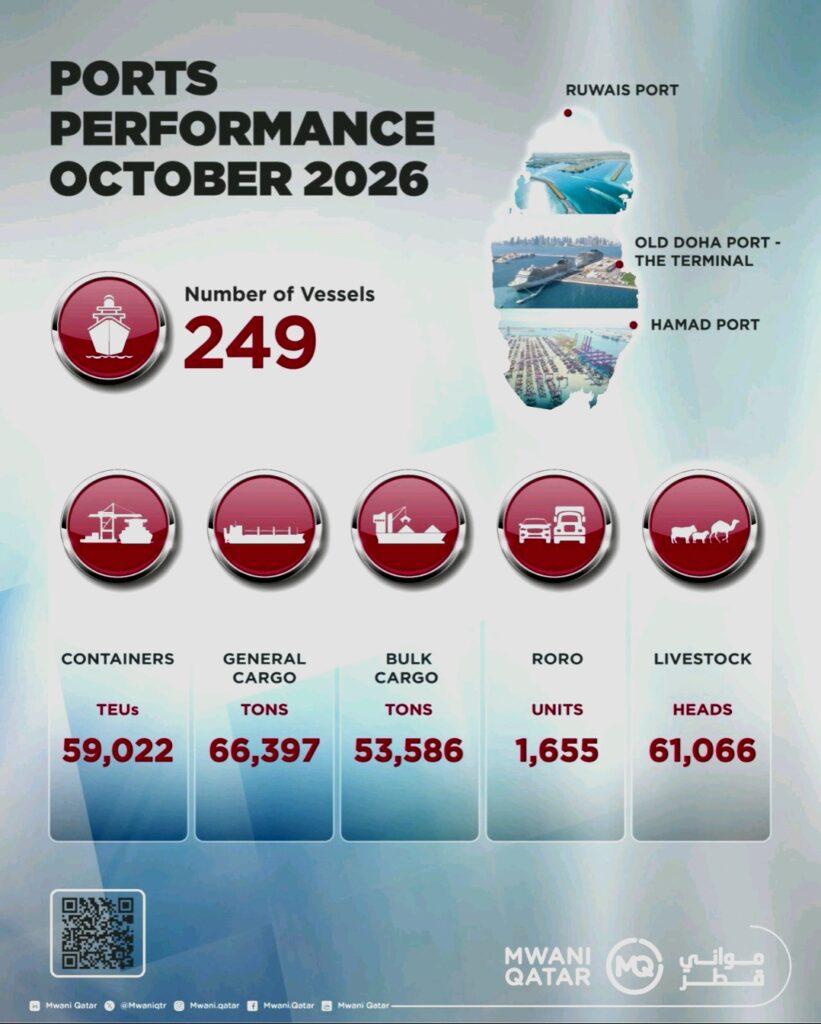
    Shipping Arabia, November 5, 2026 – Qatar’s ports recorded a 56% month-on-month increase in vessel calls during October 2026, receiving 249 vessels compared with approximately 160 in September, according to figures released by Mwani Qatar. The growth was accompanied by higher container throughput and significant increases in general cargo, bulk cargo and livestock handling across the country’s port network.

    The latest figures highlight increased maritime activity at Qatar’s ports, with several cargo categories recording substantial monthly gains. However, the growth rates reflect comparisons with September 2026 rather than the corresponding period of the previous year.

    Qatar Ports Vessel Calls and Cargo Throughput Increase

    Qatar ports vessel calls increased to 249 in October, representing a 56% rise from approximately 160 vessels in September. The increase coincided with higher cargo handling volumes across several segments of the maritime transport sector.

    Container throughput reached 59,022 twenty-foot equivalent units (TEUs), up 9% from approximately 54,086 TEUs in September. The figures indicate an increase in container handling activity during the month, alongside the broader rise in vessel arrivals.

    General cargo volumes also recorded strong growth, increasing 64% to 66,397 tons compared with 40,513 tons in September. This represented one of the largest monthly increases among the principal cargo categories handled by Qatar’s ports.

    Meanwhile, bulk cargo throughput surged 211% to reach 53,586 tons. The increase substantially exceeded the growth rate recorded in container handling, highlighting differences in monthly performance across cargo segments.

    The simultaneous rise in vessel calls and cargo volumes reflects increased activity across Qatar’s maritime transport network. Nevertheless, changes in vessel numbers do not necessarily correspond directly to cargo volume growth, as vessel sizes and carrying capacities vary.

    Livestock Handling Surges 641% as RoRo Traffic Reaches 1,655 Units

    Livestock handling recorded the largest percentage increase among the reported categories in October. Volumes surged 641% to 61,066 head, compared with 8,239 in September.

    The substantial increase highlights a sharp month-on-month change in livestock movements through Qatar’s ports. Livestock shipping forms part of the wider food supply chain, involving maritime transport, veterinary services and distribution activities.

    However, the monthly increase alone does not establish a sustained rise in livestock demand or indicate potential changes in domestic meat prices. Such assessments would require additional information on consumption, inventories and market conditions.

    RoRo cargo handling also contributed to October’s activity, with Qatar’s ports processing 1,655 vehicles and equipment units during the month.

    Mwani Qatar did not provide a corresponding month-on-month percentage change for RoRo traffic in the reported figures.

    Hamad Port and Qatar’s Maritime Trade Network

    The October performance figures cover Qatar’s port network, which includes Hamad Port, Ruwais Port and Old Doha Port.

    Hamad Port serves as one of the country’s principal maritime gateways, handling containerized cargo alongside general and bulk shipments. Its facilities support commercial vessel operations and connect Qatar with international shipping networks.

    Ruwais Port supports maritime trade and services in northern Qatar, while Old Doha Port contributes to maritime and tourism-related activities.

    Together, these facilities support different segments of Qatar’s maritime transport sector, providing infrastructure for commercial cargo movements and other marine activities.

    During the first nine months of 2026, Qatar’s ports handled approximately 648,000 TEUs and received 1,277 vessels. These figures provide additional context for the increase in vessel traffic and cargo volumes recorded in October.

    October Growth Highlights Stronger Monthly Maritime Activity

    The latest results show that Qatar ports vessel calls increased alongside cargo handling activity across several major categories. General cargo, bulk cargo and livestock volumes recorded particularly substantial gains, while container throughput also advanced.

    Higher vessel arrivals and cargo movements can increase demand for port handling, storage and inland transportation services. These activities form important components of the logistics networks connecting maritime trade with domestic and regional supply chains.

    However, the October figures do not establish that Qatar’s imports increased by the same percentages. Port throughput can include imports, exports and transshipment activities, and the published data did not provide a breakdown of their respective contributions.

    Similarly, the sharp monthly increases do not necessarily indicate a sustained upward trend. Port activity can fluctuate according to vessel schedules, shipment timing, cargo demand and changes in regional and international trade flows.

    The October performance therefore provides a snapshot of stronger operational activity compared with September, rather than a confirmed indication of annual growth.

    Figures for November and subsequent months will offer a clearer picture of whether the increases in vessel calls and cargo handling volumes continue.

    For now, Mwani Qatar’s October results demonstrate higher activity across the country’s maritime gateways, with growth spanning containerized cargo, general cargo, bulk shipments and livestock movements.

    Source: Arabian Business

  • Iraq Moves to Ease Umm Qasr North Port Congestion Amid ASYCUDA Disruption

    Shipping Arabia, November 2, 2026 – Iraq’s General Company for Ports of Iraq (GCPI) is implementing urgent measures to address Umm Qasr North Port congestion and delays in cargo truck movements. The action follows disruptions to the ASYCUDA customs system, which have affected clearance procedures and contributed to truck congestion at the port’s Grand Welcome Yard.

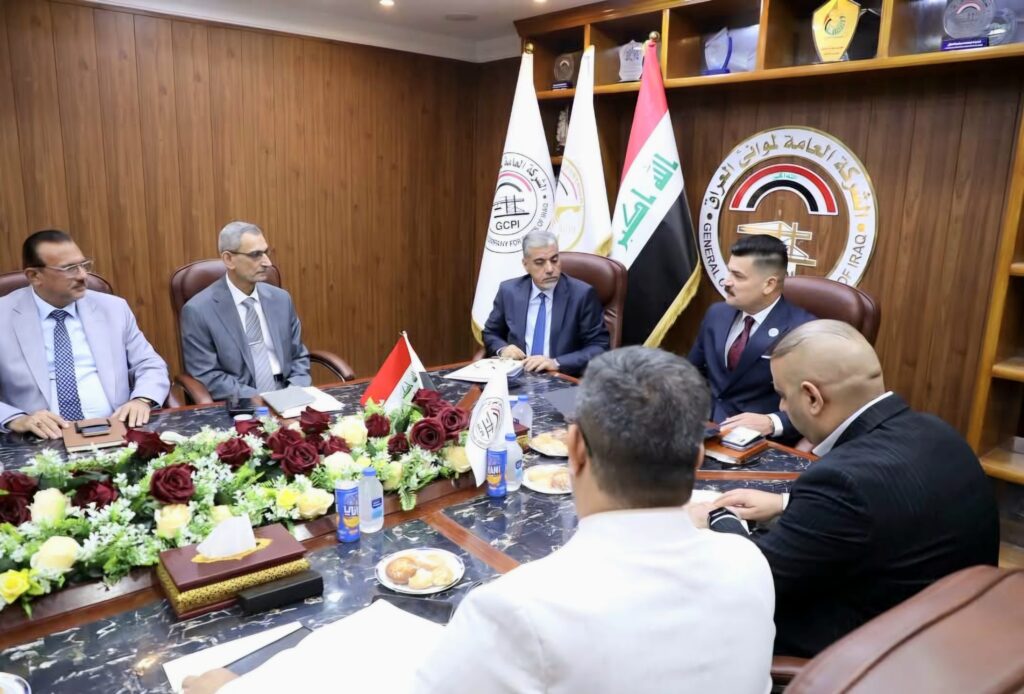
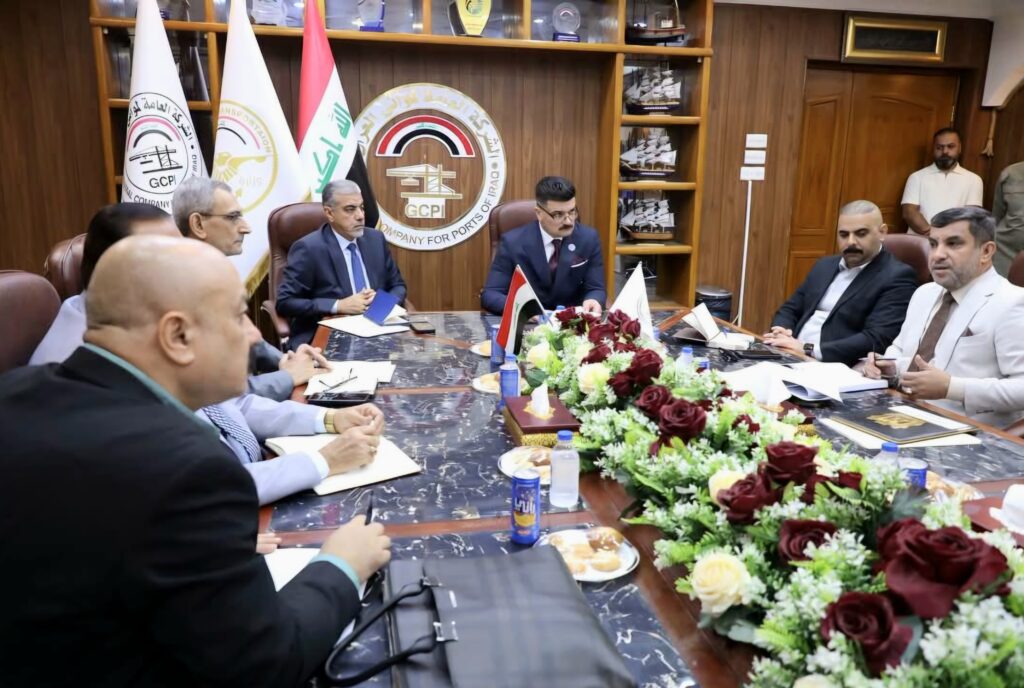
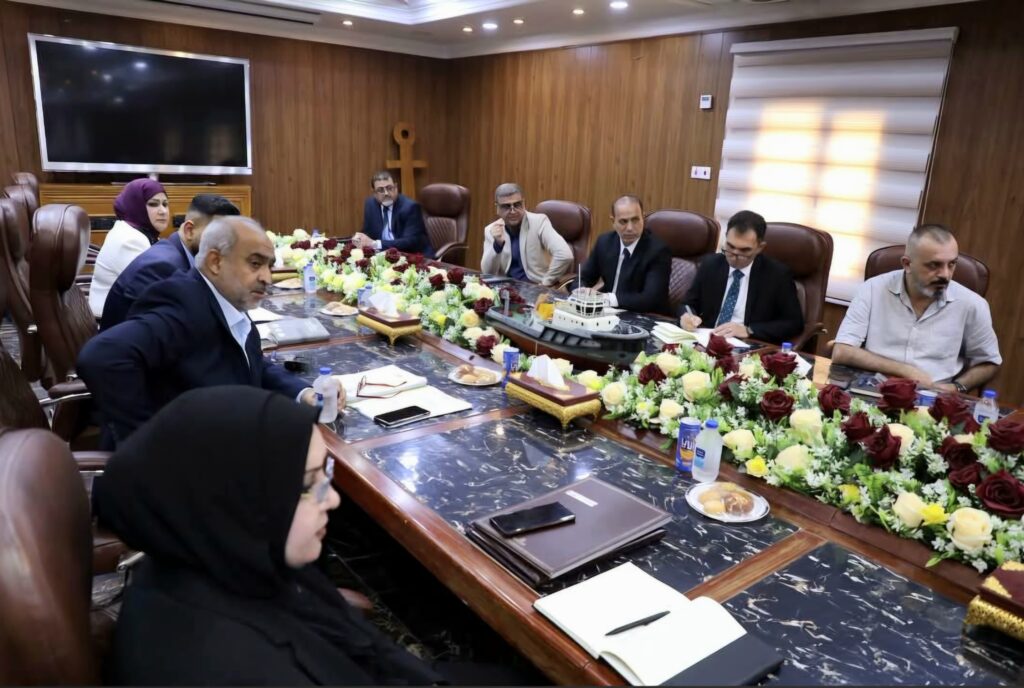
    The management of Umm Qasr North Port held an expanded coordination meeting chaired by Port Director Capt. Salem Jabbar Hussein. The meeting focused on identifying the causes of congestion, accelerating the departure of loaded trucks and improving operational efficiency.

    The discussions formed part of efforts to maintain smoother cargo flows and strengthen coordination among the government agencies and commercial operators involved in port operations.

    ASYCUDA Disruption Affects Customs Clearance and Truck Movements

    A central issue discussed during the meeting was the disruption of the ASYCUDA customs system within the relevant customs departments. The disruption has affected the processing of customs procedures and contributed to delays in releasing cargo trucks from the Grand Welcome Yard.

    Participants examined the main operational challenges affecting truck movements and considered measures to reduce waiting times and accelerate customs transaction processing.

    The discussions also addressed the need to ease congestion within the yard and prevent further bottlenecks. Particular emphasis was placed on improving coordination between the authorities responsible for customs clearance, cargo handling and truck exit procedures.

    The meeting highlighted the importance of addressing both administrative and operational obstacles to improve cargo movements through Umm Qasr North Port.

    Transport Ministry Directives Drive Coordinated Response

    The meeting followed directives issued by Iraq’s Minister of Transport, Wahb Al-Hassani, and instructions from the senior management of the General Company for Ports of Iraq, led by Director General Abdullah Ati Abdullah.

    The directives focus on resolving operational difficulties, strengthening cooperation among relevant authorities and ensuring more efficient cargo and truck movements across Iraqi ports.

    The meeting brought together officials from several organizations involved in port and border operations. Participants included the Director of the Umm Qasr North border crossing, the Director of Customs at the Grand Welcome Yard and a representative of the company operating the yard.

    Representatives of the National Security Service and intelligence authorities also attended, alongside the directors responsible for cargo loading and unloading operations at Umm Qasr North and Umm Qasr South ports.

    Their participation reflected the need for coordination across the different authorities responsible for processing and facilitating cargo movements through the port.

    Urgent Measures Target Truck Delays and Operational Bottlenecks

    The meeting concluded with a series of urgent directives and measures intended to address the causes of delays and improve the movement of trucks leaving the Grand Welcome Yard.

    The participating authorities emphasized the importance of reducing truck waiting times, accelerating customs procedures and easing congestion within the facility.

    They also stressed the need to maintain continuous coordination and follow-up to ensure implementation of the agreed measures. This cooperation will involve the relevant government departments and operational stakeholders responsible for managing cargo and truck movements.

    The General Company for Ports of Iraq aims to improve operational efficiency at Umm Qasr North Port and the Grand Welcome Yard through these measures, while preventing further congestion and supporting smoother cargo flows.

    Source: Iraqi Ministry of Transport / General Company for Ports of Iraq
  • Trans Misr Terminal Hosts Barcelona Delegation for Maritime and Logistics Discussions

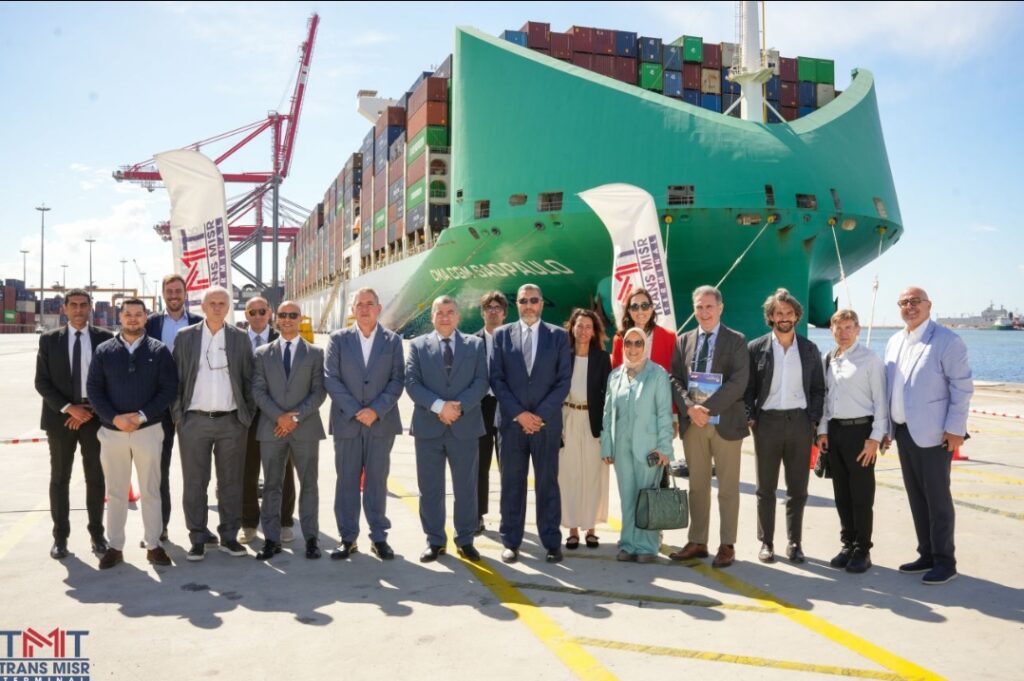
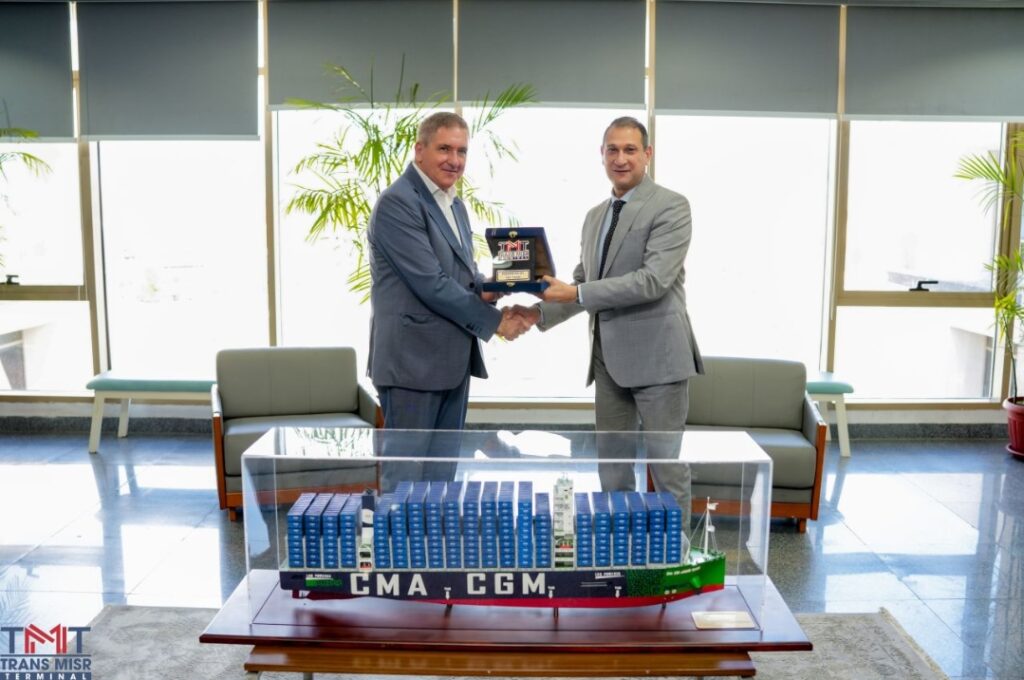
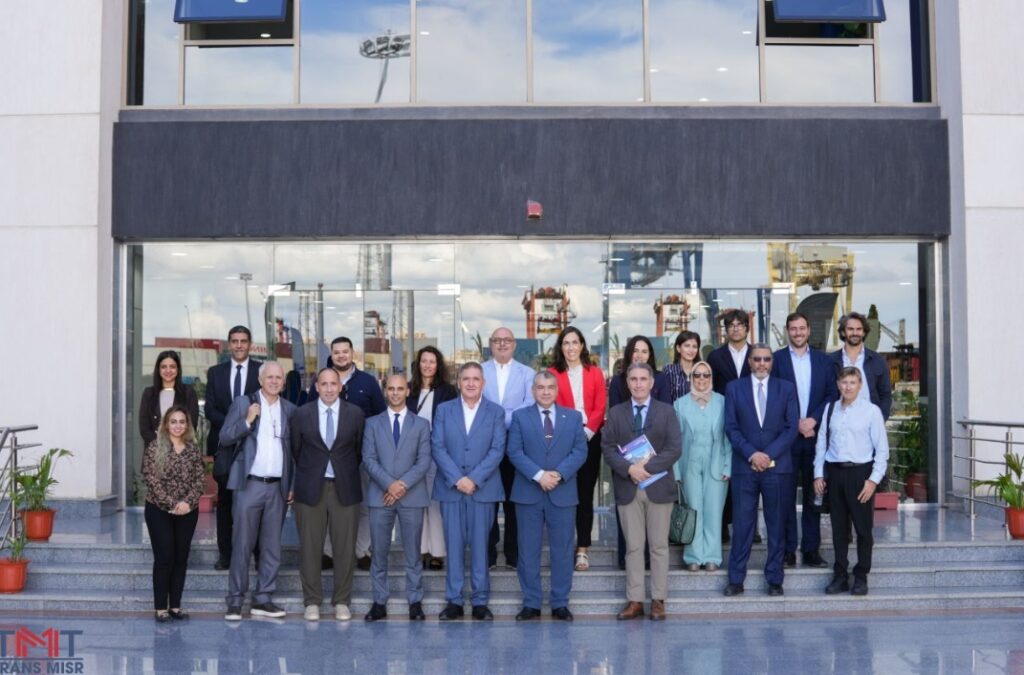
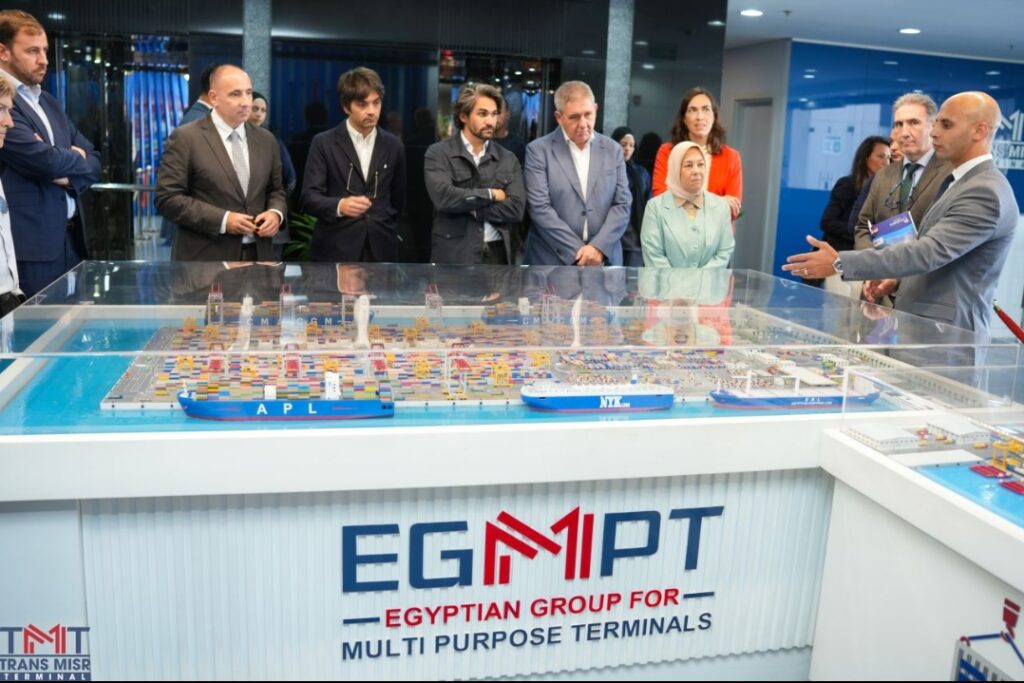
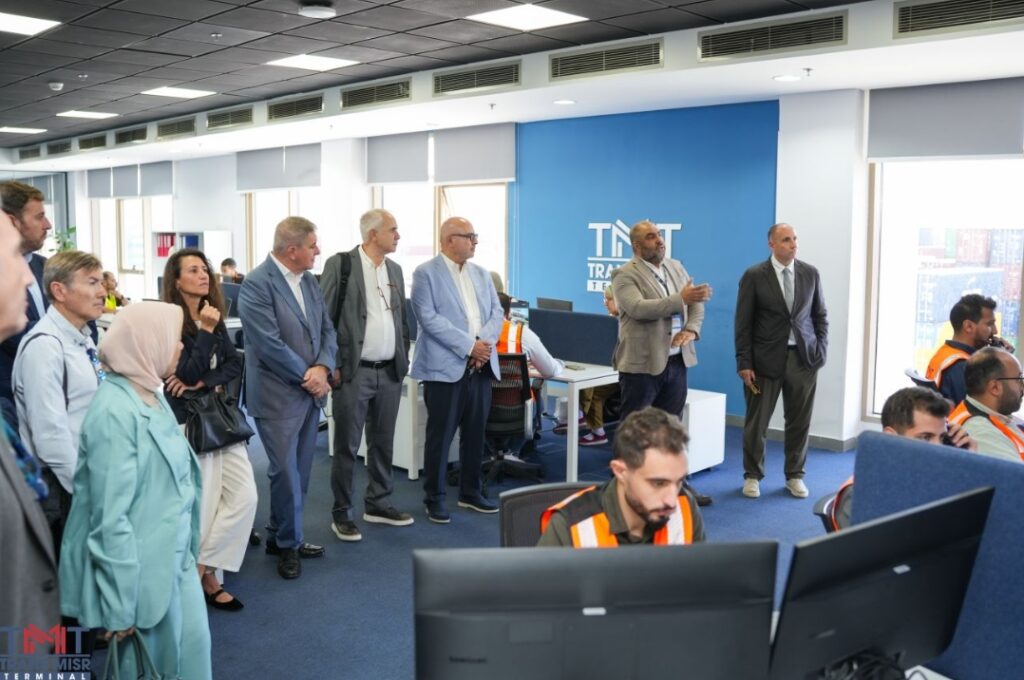
    Shipping Arabia, October 29, 2026 – Trans Misr Terminal (TMT) welcomed a delegation from Barcelona, Spain, on October 20, 2026, for discussions focused on maritime operations, port infrastructure and logistics industry developments. The visit brought together representatives from the Port de Barcelona, the Barcelona Chamber of Commerce and companies operating in the transport and logistics sectors.

    The engagement provided an opportunity for TMT to present its operational capabilities and exchange industry knowledge with Spanish maritime and logistics stakeholders. Discussions also addressed emerging trends affecting port operations and the wider logistics industry.

    Trans Misr Terminal Showcases Port Infrastructure and Cargo-Handling Capabilities

    During the visit, TMT presented its terminal infrastructure, operational capabilities and diverse cargo-handling services to the visiting delegation.

    The presentations highlighted the terminal’s role in supporting Egypt’s maritime and logistics sector, alongside its position as a hub in the Eastern Mediterranean region.

    By showcasing its facilities and services, TMT provided the Barcelona delegation with an overview of its cargo-handling activities and operational capabilities.

    Maritime and Logistics Industry Knowledge Exchange

    Beyond the presentation of terminal facilities, the visit created a platform for exchanging industry insights and sharing operational experiences among representatives of the Egyptian and Spanish maritime and logistics sectors.

    Participants discussed emerging trends shaping the maritime, port and logistics industries, providing an opportunity to explore the evolving dynamics of these interconnected sectors.

    The engagement brought together port authority representatives, commercial organizations and logistics companies, reflecting the range of maritime and transport stakeholders involved in the discussions.

    TMT described the visit as an opportunity for constructive dialogue and professional knowledge exchange with the Barcelona delegation, emphasizing the value of sharing experiences and perspectives on developments across the maritime and logistics industries.

    Source: Trans Misr Terminal (TMT)

    Trans Misr Terminal hosted representatives from the Port de Barcelona
  • Iraq Prioritizes Umm Qasr North Port Gate Project and Operational Improvements

    Shipping Arabia, October 21, 2026 – Iraq’s General Company for Ports of Iraq (GCPI) has identified the completion of ongoing works at Umm Qasr North Port, particularly its gate development project, as a key operational priority. The initiative aims to improve the movement of cargo and trucks, streamline port procedures, and enhance operational efficiency.
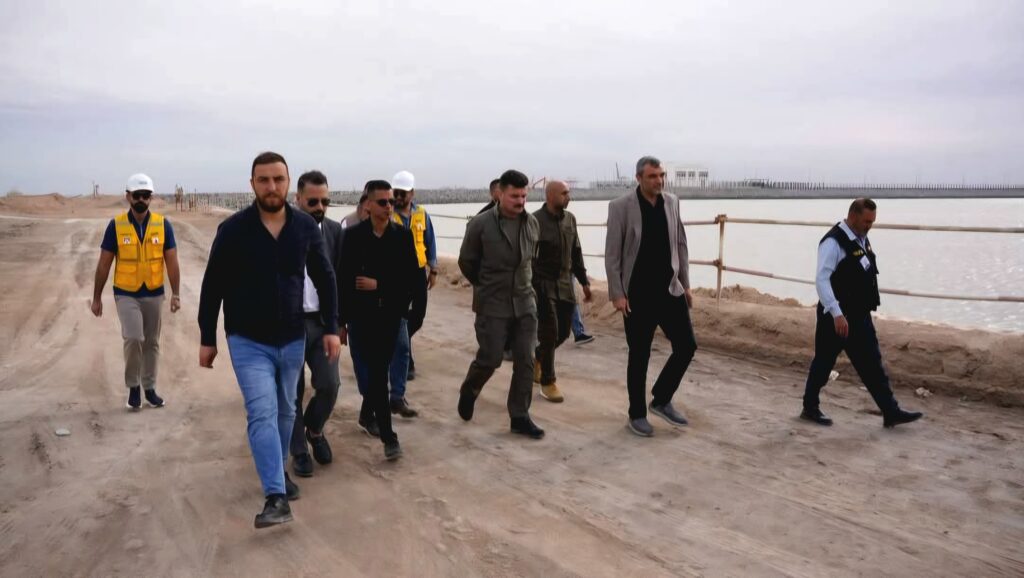
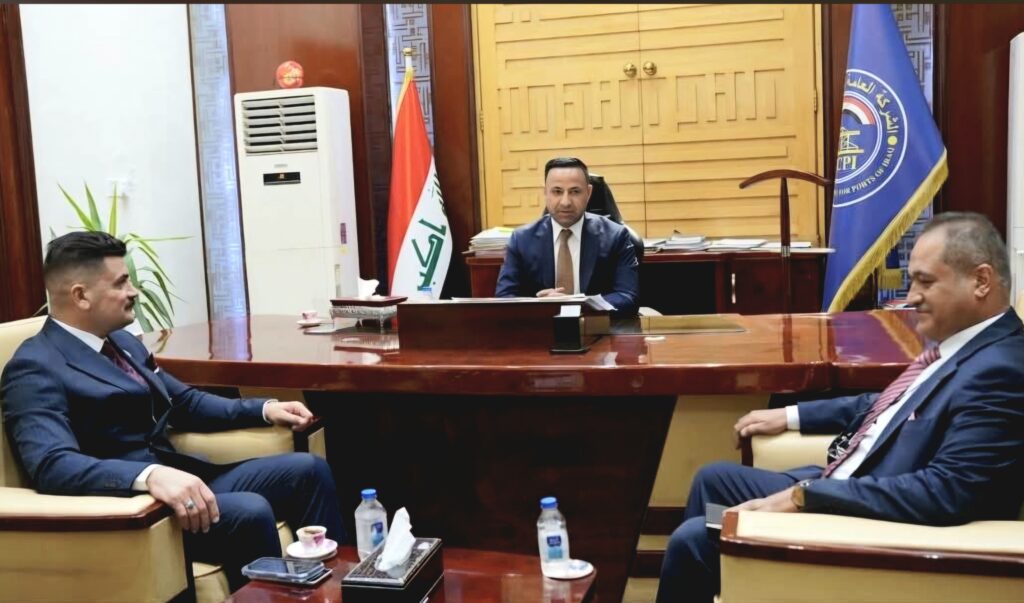
    The priority was highlighted during an internal management meeting chaired by GCPI Director General Abdullah Aati Abdullah on October 18, 2026. Separately, a senior Ministry of Transport official visited the company to review operational matters and discuss development priorities across Iraq’s port sector.

    Umm Qasr North Port Gate Project Among Key Priorities

    During a meeting with department and division heads, Abdullah reviewed upcoming work plans and outlined the company’s financial, technical, and administrative priorities.

    The discussions focused on accelerating project implementation and strengthening institutional performance. Abdullah emphasized the importance of coordinating activities across departments and ensuring that management teams work collectively toward shared operational objectives.

    A central priority is completing ongoing infrastructure works at Umm Qasr North Port, particularly the gate development project.

    The project is intended to improve the organization of cargo and truck movements entering and leaving the port. It also aims to facilitate smoother traffic flows and strengthen the efficiency of operational procedures within the facility.

    Abdullah stressed the importance of completing these works as part of the company’s efforts to improve port operations and accelerate the implementation of priority projects.

    GCPI Strengthens Administrative Coordination and Oversight

    The management meeting also addressed internal administrative procedures and institutional accountability.

    Abdullah called for closer coordination between departments and divisions, emphasizing the importance of unified efforts and teamwork in implementing the company’s operational plans.

    He also highlighted the need to address observations raised by Iraq’s Federal Board of Supreme Audit through approved legal and administrative procedures.

    The measures are intended to strengthen compliance with transparency and accountability standards while improving the effectiveness of the company’s administrative operations.

    The discussions formed part of GCPI’s efforts to establish clear priorities and improve coordination between its technical, financial, and administrative functions.

    Ministry of Transport Reviews Iraqi Port Operations

    In a separate development, Dr. Hazem Al-Hafadhi, Administrative Undersecretary at Iraq’s Ministry of Transport, visited GCPI headquarters to review operational and administrative matters.

    The visit followed directives from Transport Minister Wahb Al-Hassani calling for field-level monitoring of ministry-affiliated organizations and assessments of their operational requirements.

    During the visit, Al-Hafadhi met with GCPI Director General Abdullah Aati Abdullah to discuss the company’s activities, key operational matters, and priorities for the upcoming period.

    The meeting, held at the Martyr Basil Abdul Hamid Hall, examined operational and administrative issues alongside requirements for improving institutional performance.

    Discussions also addressed measures to increase workplace efficiency and strengthen the effectiveness of procedures across the port sector.

    Both officials emphasized the importance of accelerating the review and follow-up of priority matters to support smoother workflows and improve the performance of Iraqi ports.

    The management meetings underline GCPI’s focus on completing ongoing port infrastructure projects, improving administrative coordination, and strengthening operational procedures across Iraq’s maritime sector.

    Source: General Company for Ports of Iraq (GCPI)
  • Tahya Misr Terminal Receives General Cargo Vessel With Record 13.5-Meter Draft

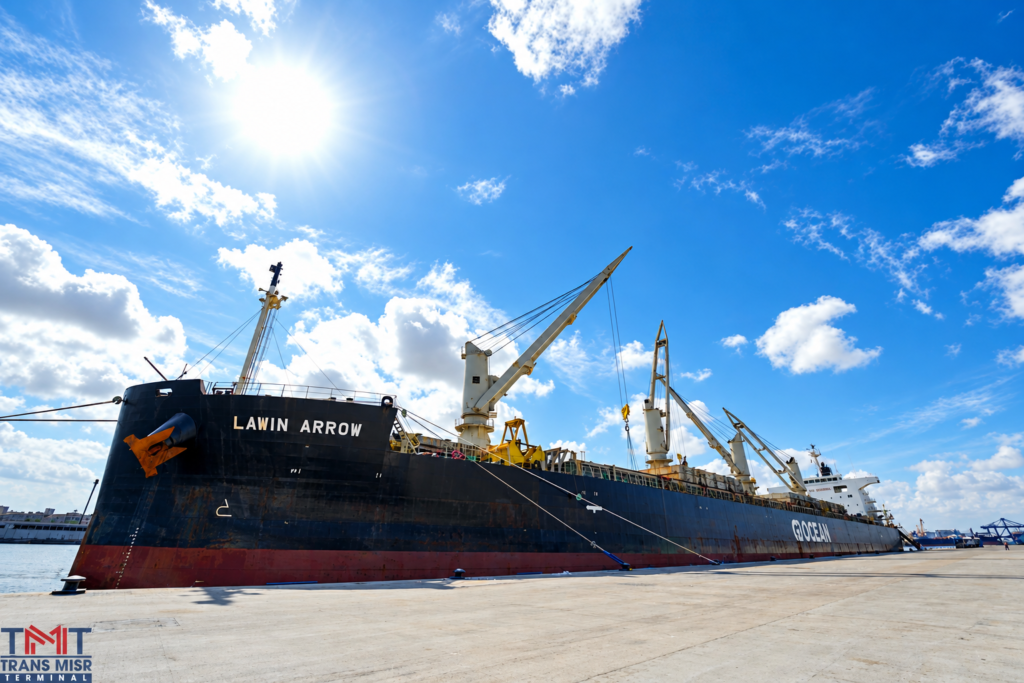
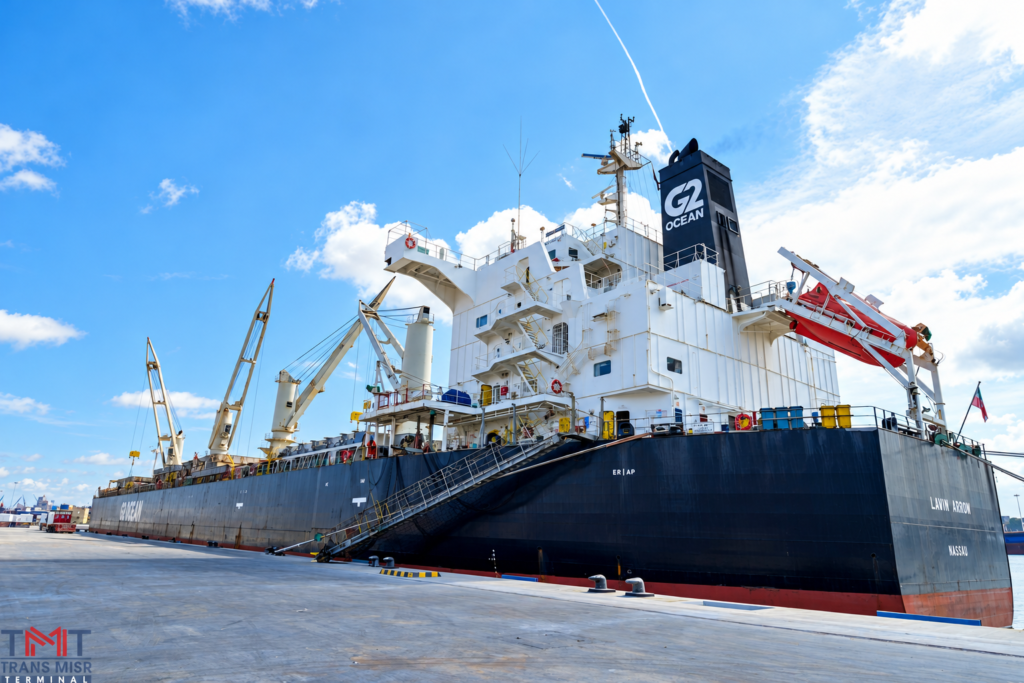
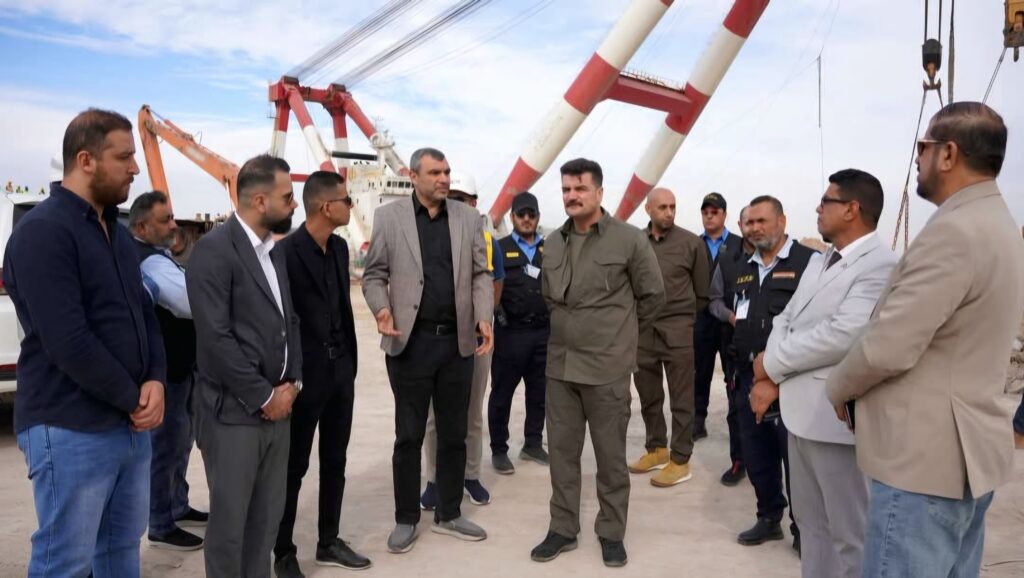
    Shipping Arabia, October 20, 2026 – Egypt’s Tahya Misr Multipurpose Terminal at Alexandria Port has received the general cargo vessel LAWIN ARROW, with a reported tonnage of approximately 63,000 tons and a draft of 13.5 meters. The vessel’s arrival marks a new operational milestone for the terminal, which began operations in 2023, as it continues expanding its cargo-handling capabilities and upgrading its equipment.

    According to sources at Alexandria Port cited by Al Mal, LAWIN ARROW berthed at the terminal’s southern quay. The vessel is among the most significant general cargo ships handled by the facility since its inauguration, becoming the first reported general cargo vessel to arrive with a draft of approximately 13.5 meters.

    The terminal is managed by Egypt Maritime Ports Company, which has continued developing its operations to accommodate growing cargo activity.

    Tahya Misr Terminal Expands Handling Capacity With New Cranes

    Alongside the vessel’s arrival, Tahya Misr Terminal has strengthened its cargo-handling capabilities with the addition of two mobile harbor cranes (MHCs), delivered during the week preceding the report.

    The new equipment brings the terminal’s reported crane fleet to four ship-to-shore (STS) cranes and two mobile harbor cranes, marking another step in its capacity expansion.

    Mobile harbor cranes provide flexible cargo-handling capabilities, allowing terminals to load and discharge vessels using equipment that can move between operating positions.

    The additional cranes are expected to support the terminal’s operational expansion and increase its ability to accommodate cargo-handling demand.

    In a company statement cited by Al Mal, Egypt Maritime Ports Company reported rapid growth in container volumes since the terminal began commercial operations. The company said this growth reflects increasing customer demand and the facility’s expanding role in Egypt’s container shipping market and the wider region.

    Located at Alexandria Port, Tahya Misr Terminal serves as a gateway for Egyptian trade and an important transport facility in the Eastern Mediterranean.

    Digital Truck Registration Improves Port Logistics Efficiency

    In a related development, Dr. Amr El Samadouni, Secretary-General of the International Transport and Logistics Division at the Cairo Chamber of Commerce, highlighted improvements in truck operations at Tahya Misr Terminal following the introduction of a digital truck pre-registration system.

    El Samadouni said the system has successfully reduced truck waiting times, representing an important step toward improving Egypt’s transport and logistics sector and increasing cargo-handling efficiency at ports.

    He explained that digital solutions for managing truck movements help reduce congestion and accelerate cargo entry and exit procedures. These improvements also contribute to lowering operating costs for importers and exporters, supporting the competitiveness of Egyptian trade in international markets.

    El Samadouni emphasized that digital transformation in ports is no longer simply a technological improvement. Instead, it has become an essential requirement for improving supply chain efficiency and logistics services, particularly as regional and international ports compete to attract trade volumes and investment.

    Calls for Wider Integration of Port Digital Systems

    Building on the improvements achieved at Tahya Misr Terminal, El Samadouni called for expanding successful digital initiatives across Egypt’s maritime and logistics sector.

    He specifically highlighted the importance of integrating truck pre-registration systems with terminal operating systems and customs clearance platforms.

    According to El Samadouni, stronger integration between these systems would facilitate cargo movements, improve service quality for importers and exporters, and further reduce logistical inefficiencies.

    Such measures would also support Egypt’s efforts to strengthen its position as a regional transport and logistics hub.

    El Samadouni stressed the need for continued investment in digital infrastructure and the development of logistics services to support national objectives. These include increasing exports, reducing trade costs and transforming Egyptian ports into integrated centers for logistics services and transit trade.

    The developments at Tahya Misr Terminal, including its ability to accommodate general cargo vessels with a 13.5-meter draft, additional handling equipment and improvements in digital truck management, reflect the facility’s ongoing operational development at Alexandria Port.

    Source: Al Mal

  • TCI Sokhna Terminal Adds Three Mobile Harbour Cranes, Expanding Fleet to Four

    Shipping Arabia, October 19, 2026 – TCI Sokhna Terminal in Egypt has received three new mobile harbour cranes, bringing its total fleet to four units. The expansion strengthens the terminal’s capacity to handle dry bulk and general cargo while supporting improvements in berth productivity and vessel turnaround times.

    The additional equipment represents an investment in the terminal’s cargo handling capabilities. Combined with its 18-meter draft, the expanded crane fleet will enable TCI Sokhna Terminal to accommodate and efficiently handle some of the largest bulk carriers calling in the region, including Capesize vessels.

    Strengthening Bulk Cargo Handling and Berth Productivity

    The arrival of the three mobile harbour cranes is expected to enhance cargo handling capacity across the terminal’s dry bulk and general cargo operations. TCI aims to increase berth productivity and reduce vessel turnaround times through the additional equipment.

    According to the company, these operational improvements will allow the terminal to provide faster and more reliable services to its customers. The expanded fleet will also strengthen the terminal’s ability to handle large bulk carriers, complementing its existing marine infrastructure.

    Supporting Egypt’s Port Infrastructure Development

    The crane fleet expansion reflects TCI’s long-term commitment to developing port infrastructure in Egypt and supporting growing regional trade flows.

    By investing in additional cargo handling equipment, TCI Sokhna Terminal aims to improve operational efficiency and strengthen its capacity to serve dry bulk and general cargo customers. The company also acknowledged the contributions of its teams and partners in completing the delivery of the three new cranes.

    Source: TCI

  • Latakia Port Infrastructure Upgrades Target Cargo Handling Efficiency and Faster Clearance

    Shipping Arabia, October 9, 2026 – Syria is advancing Latakia Port infrastructure upgrades and operational improvements aimed at strengthening cargo-handling capabilities, accelerating cargo movements and simplifying administrative procedures. The ongoing rehabilitation program includes new port equipment, improvements to operational facilities and measures to facilitate trade-related transactions.

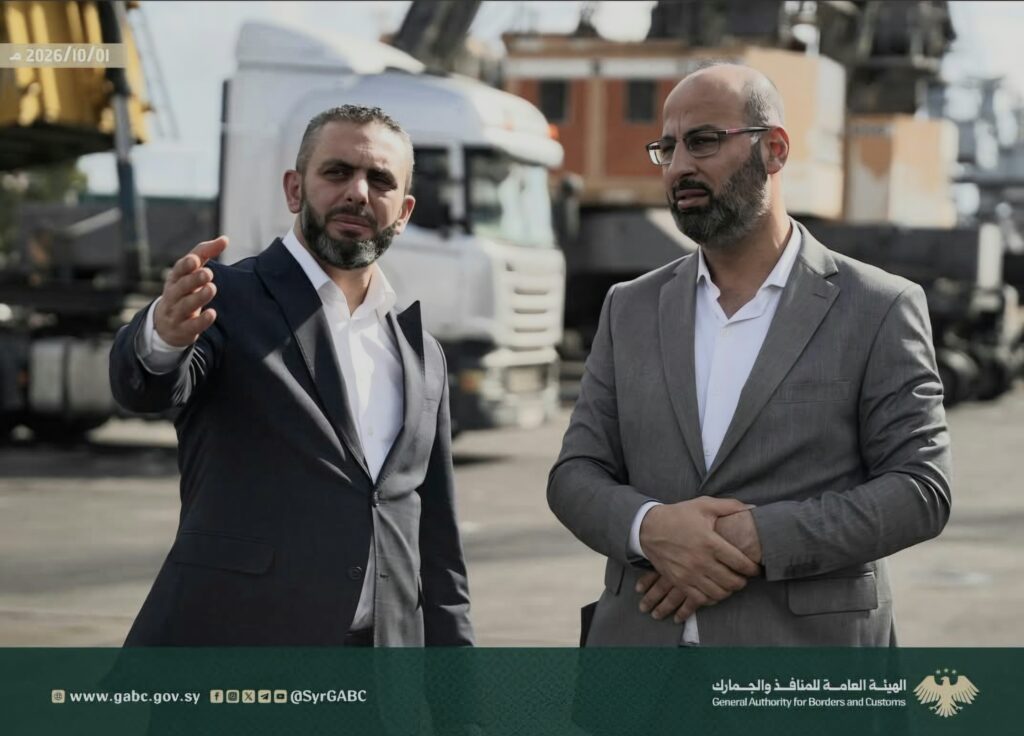
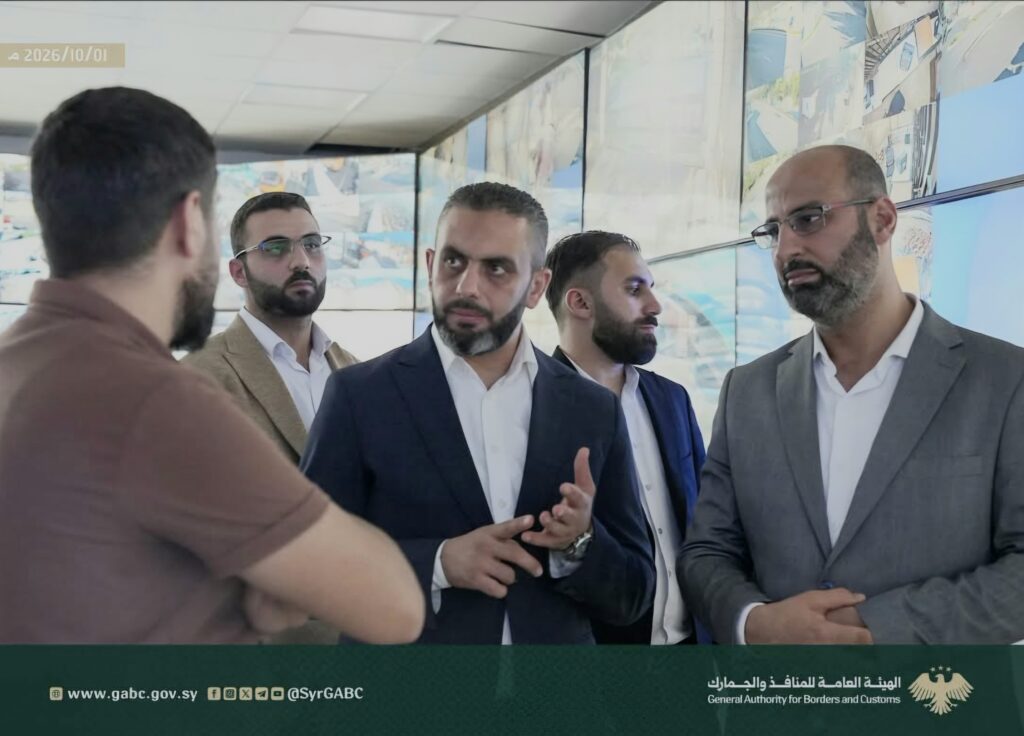
    Tamim Sawaghi, Deputy Head of the General Authority for Borders and Customs for Port Affairs, conducted an inspection visit to Latakia Port to review ongoing development projects and assess operational performance.

    The visit focused on infrastructure rehabilitation, cargo movement efficiency and procedures designed to improve services for traders and transport operators. Officials also reviewed measures to facilitate cargo reception, unloading and transportation within the port.

    Latakia Port Infrastructure Upgrades and Cargo-Handling Equipment

    During the inspection, Latakia Port Director Abdul Hamid Al-Wahb briefed Sawaghi on the rehabilitation and equipment modernization activities currently underway.

    The projects include upgrading port infrastructure and introducing new machinery to support cargo-handling operations. These improvements aim to strengthen the port’s operational capacity and increase the efficiency of cargo reception, unloading and transportation.

    The addition of handling equipment forms part of efforts to improve service quality and facilitate cargo movements through the port. The rehabilitation work also addresses the operational requirements of port facilities and cargo-handling areas.

    Officials reviewed the organization of cargo yards and other port facilities during the visit. This assessment focused on maintaining orderly operations and improving the movement of goods through different sections of the port.

    The General Authority for Borders and Customs is overseeing these improvements as part of its efforts to develop the performance of Syria’s maritime ports.

    One-Stop Service System Aims to Accelerate Port Procedures

    Administrative efficiency represents another important component of the operational improvements at Latakia Port.

    During the inspection, Sawaghi reviewed the port’s one-stop service system and its role in simplifying procedures for traders and transport operators.

    The system aims to improve coordination between the departments responsible for processing port-related transactions. By bringing together relevant administrative services, the initiative seeks to reduce processing times and facilitate the completion of required procedures.

    Greater coordination between port departments is also intended to improve the flow of transactions associated with cargo movements. These measures complement the infrastructure and equipment improvements currently underway.

    The inspection therefore addressed both the physical handling of cargo and the administrative processes that support commercial operations.

    Strengthening Syria’s Maritime Port Operations

    The inspection visit forms part of the General Authority for Borders and Customs’ ongoing field supervision of maritime port operations and rehabilitation activities.

    Through these visits, the authority aims to monitor progress, assess operational requirements and support improvements in the quality of port services.

    At Latakia Port, the current development efforts focus on improving cargo-handling efficiency, organizing operational areas and reducing administrative processing times.

    Together, these measures are intended to strengthen the port’s ability to accommodate cargo movements and provide more efficient services to shipping-related businesses, traders and transport operators.

    The authority emphasized that developing maritime port performance and improving service quality remain important objectives in supporting trade activity and meeting the needs of Syria’s economic sectors.

    Source: General Authority for Borders and Customs – Syria

    Latakia Port in Syria, where infrastructure upgrades and cargo-handling improvements are underway.
  • Latakia Port Adds 16 New Forklifts to Strengthen Cargo Operations

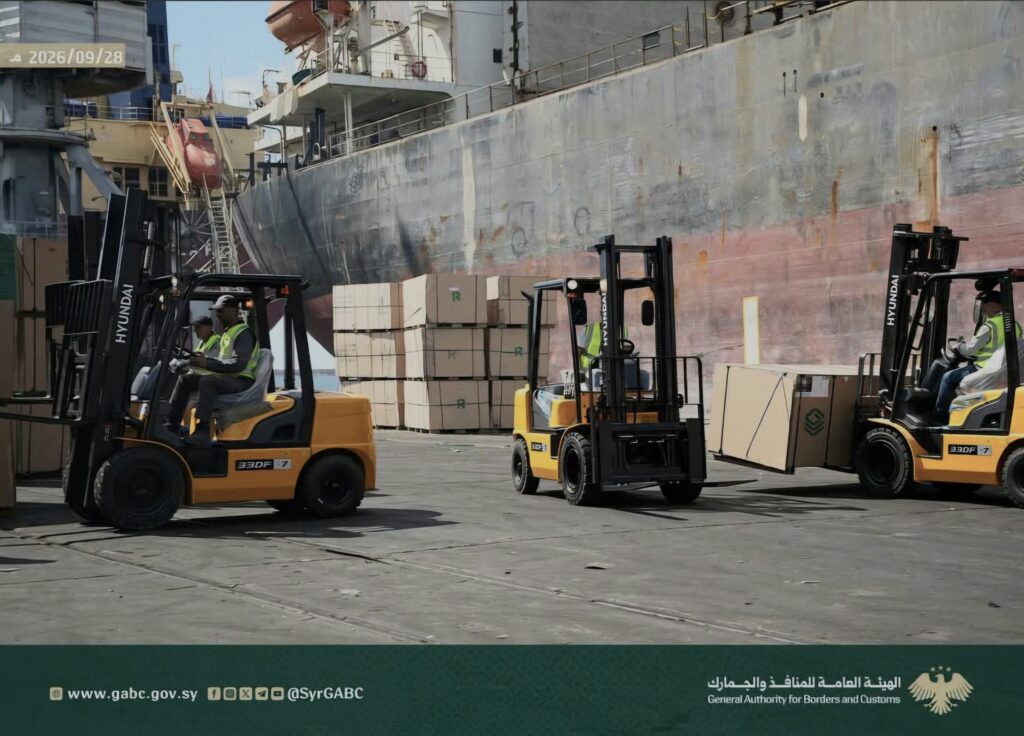
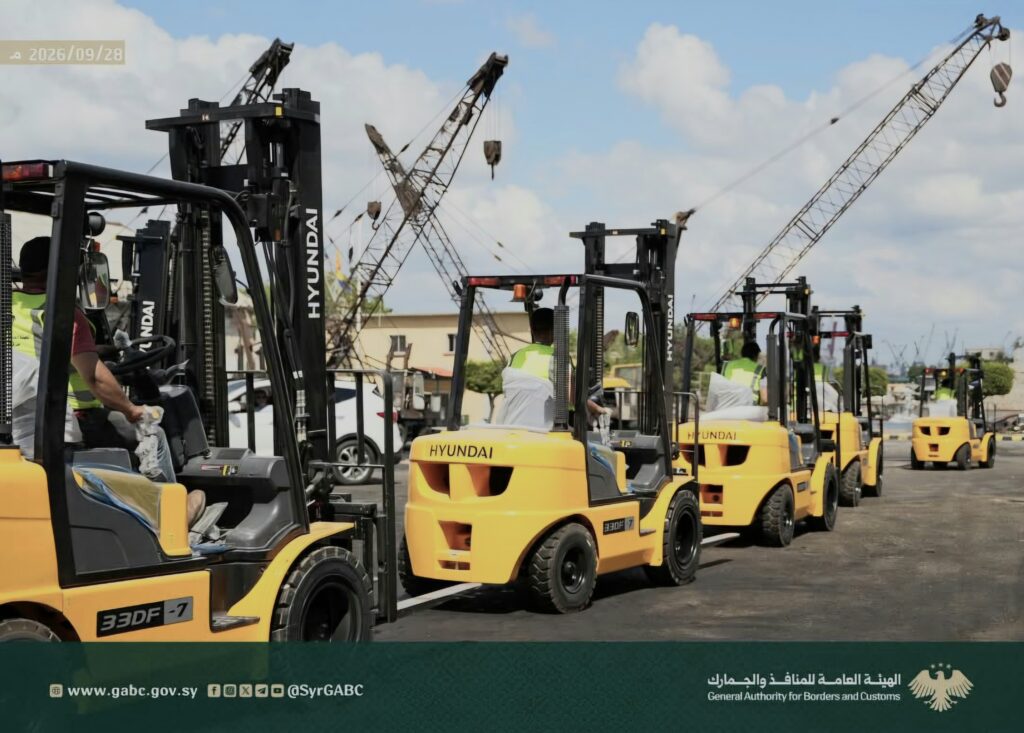
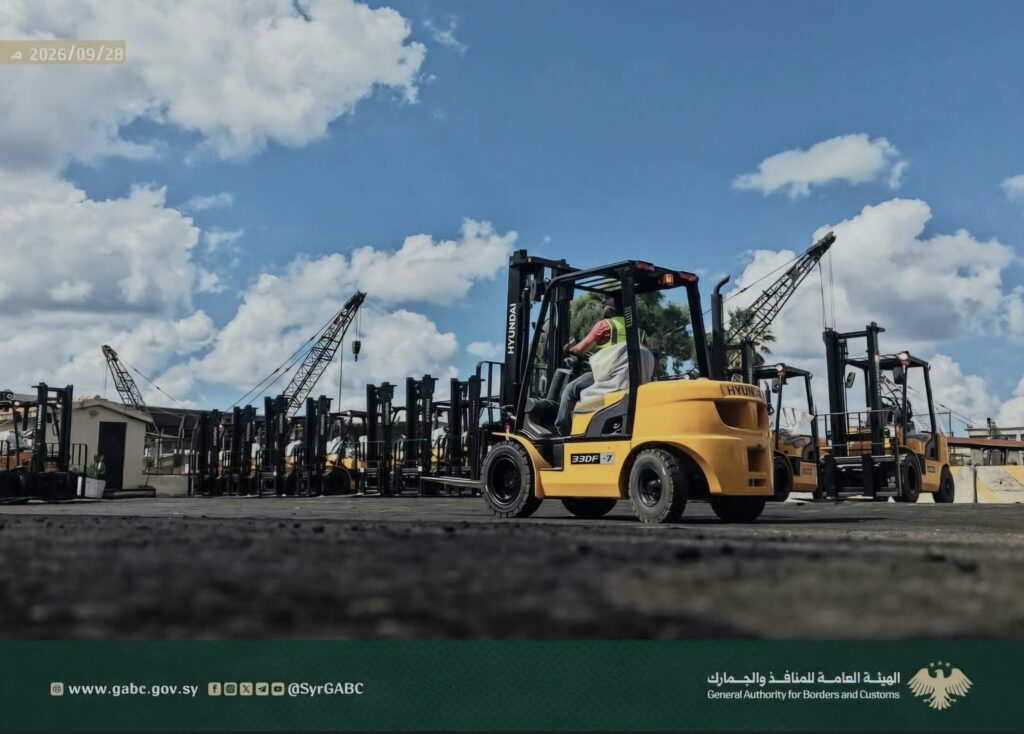
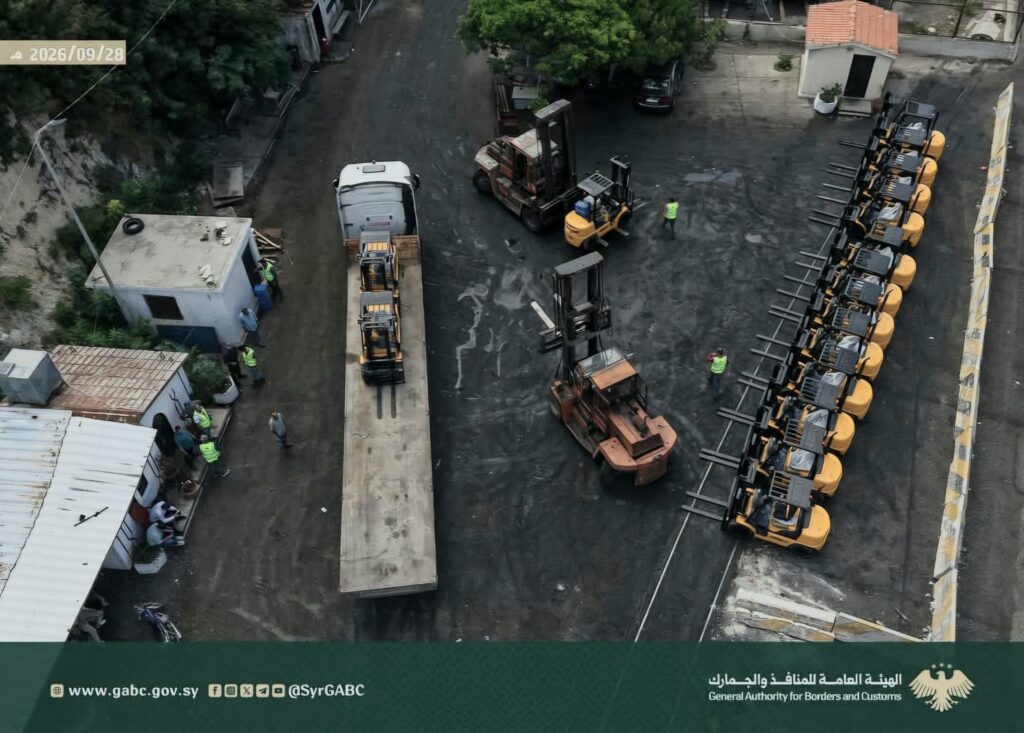
    Shipping Arabia, October 5, 2026 – Latakia Port has received 16 new forklifts, each with a lifting capacity of up to three tonnes, as part of ongoing efforts to strengthen operational efficiency and accelerate cargo-handling activities at the Syrian port.

    The new forklifts will join the port’s existing fleet of machinery and equipment. Their deployment is intended to support loading and discharge operations while improving the flow of cargo through the port.

    New Equipment to Support Cargo Handling

    The addition of the 16 forklifts is expected to improve the port’s ability to respond to operational requirements more efficiently. By supporting cargo movement across port operations, the equipment will help streamline handling activities and improve the movement of goods.

    The new machinery is also intended to contribute to reducing the amount of time vessels remain alongside the port’s berths. This forms part of wider efforts to improve operational performance at Latakia Port.

    Infrastructure and Service Development Continue

    The equipment delivery comes as rehabilitation work on port infrastructure and service development continues at Latakia Port.

    These efforts include improving the working environment, facilitating procedures and raising the level of services provided to port users. The new forklifts form part of this broader program to upgrade the port’s operational capabilities.

    General Authority for Borders and Customs Continues Port Upgrades

    The General Authority for Borders and Customs continues to implement plans to rehabilitate Syria’s ports and border facilities and modernize their equipment.

    According to the authority, the ongoing program aims to strengthen operational readiness while supporting the role of Syrian ports in stimulating trade and maritime transport activity.

    The arrival of the 16 forklifts at Latakia Port therefore forms part of a wider effort to upgrade equipment, rehabilitate infrastructure and improve the efficiency of port services.

    Source: General Authority for Borders and Customs

Back to top button