Shipping Arabia, October 13, 2026 – Egypt and Greece advanced discussions on seafarer certification and training, mutual recognition of professional qualifications and maritime education during the third meeting of the Egyptian-Greek Joint Maritime Committee (JMC). The meeting, hosted in Alexandria from October 5 to 7, 2026, brought together senior maritime officials from both countries to strengthen bilateral cooperation and develop their maritime workforce.
The discussions focused on a proposed bilateral Memorandum of Understanding (MoU) covering the mutual recognition of seafarers’ certificates of competency under the International Convention on Standards of Training, Certification and Watchkeeping for Seafarers (STCW). The agenda also included cooperation between maritime training institutions and initiatives to improve employment opportunities for Egyptian seafarers aboard international merchant vessels.
Egypt and Greece Discuss Mutual Recognition of Seafarer Certificates
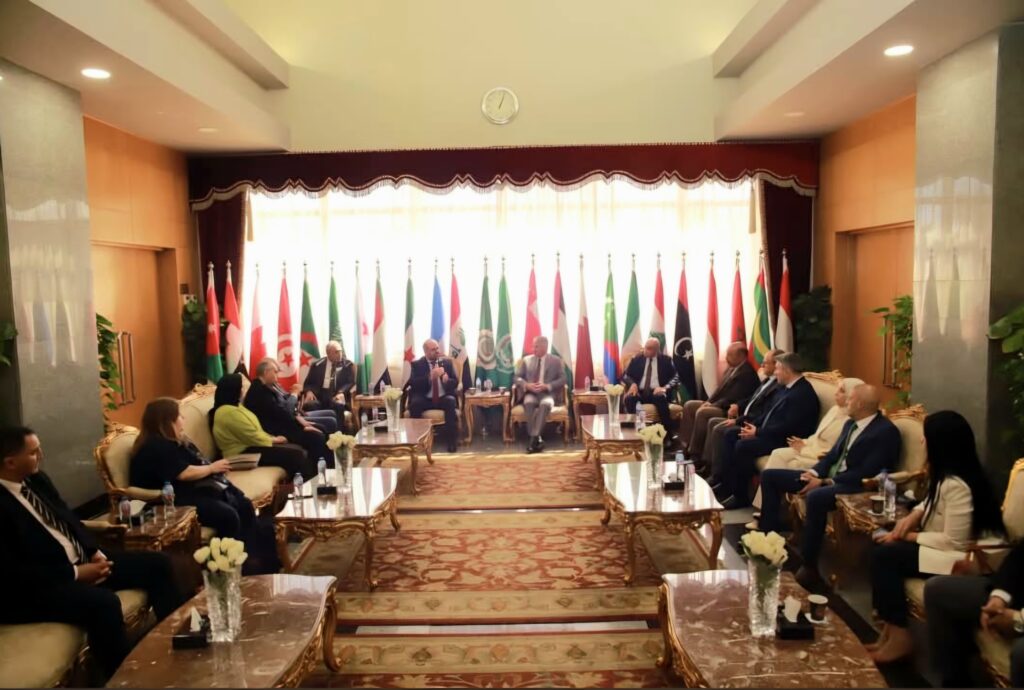
The Egyptian-Greek Joint Maritime Committee convened in Alexandria as part of efforts to strengthen the strategic maritime partnership between the two countries. Egypt hosted the three-day meeting, which brought together representatives of maritime transport authorities and relevant institutions from both sides.
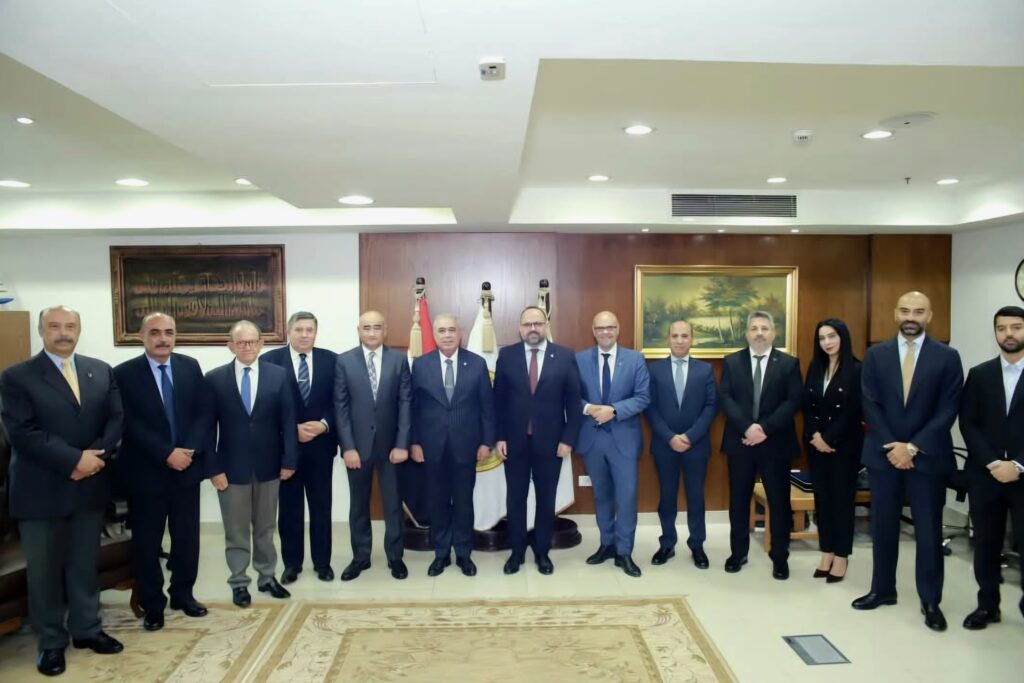
The Egyptian delegation included Rear Admiral Hussein El-Geziry, Head of the Maritime Transport and Logistics Sector, and Rear Admiral Dr. Ashraf El-Assal, Chairman of the Egyptian Authority for Maritime Safety (EAMS). Greece was represented by Manolis Koutoulakis, Secretary General for Maritime Affairs and Ports, alongside other maritime officials.
During the opening day’s discussions on October 5, El-Assal participated in a session dedicated to cooperation in seafarer training and the mutual recognition of professional certificates under the STCW Convention.
A central topic was the progress of the proposed bilateral MoU concerning the recognition of seafarers’ certificates of competency. The discussions addressed the requirements of Regulation I/10 of the STCW Convention, which governs the recognition of certificates issued by other maritime administrations.
The proposed arrangement forms part of wider efforts to establish a framework for recognizing maritime qualifications between Egypt and Greece. Such cooperation is intended to support the professional mobility of qualified seafarers and facilitate employment opportunities for Egyptian maritime personnel aboard merchant vessels.
Officials also examined opportunities to strengthen coordination between maritime academies and training institutions in both countries. The discussions focused on improving professional competencies, developing maritime human resources and supporting the training standards required by the international shipping industry.
Joint Maritime Committee Visits Arab Academy in Alexandria
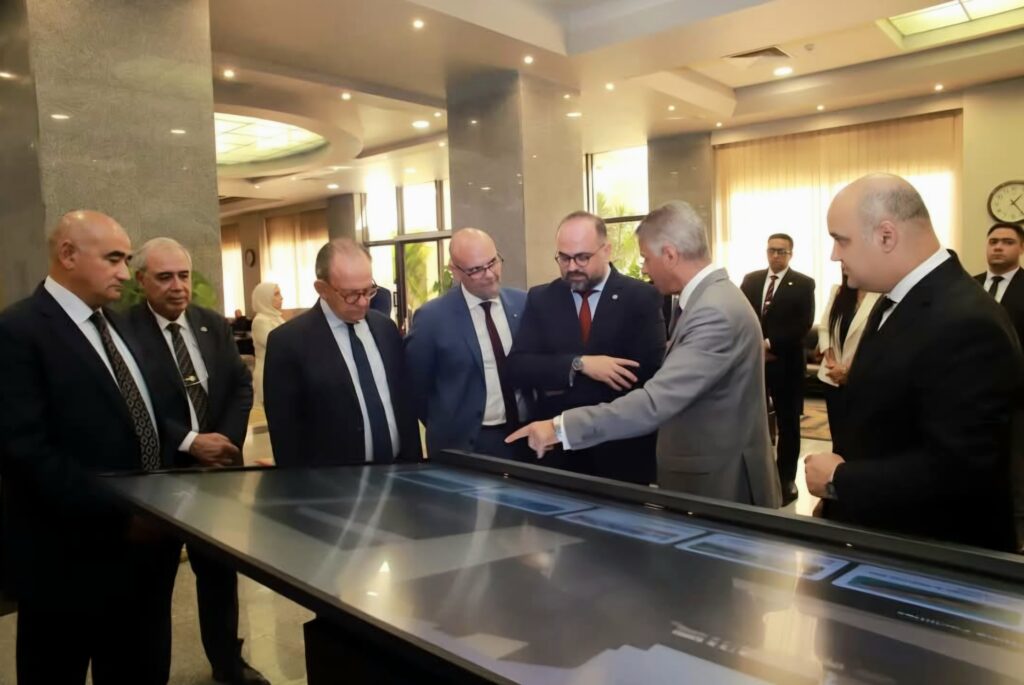
On October 6, the second day of the committee’s activities, Egyptian and Greek delegates conducted an official visit to the Arab Academy for Science, Technology and Maritime Transport (AASTMT) in Alexandria.
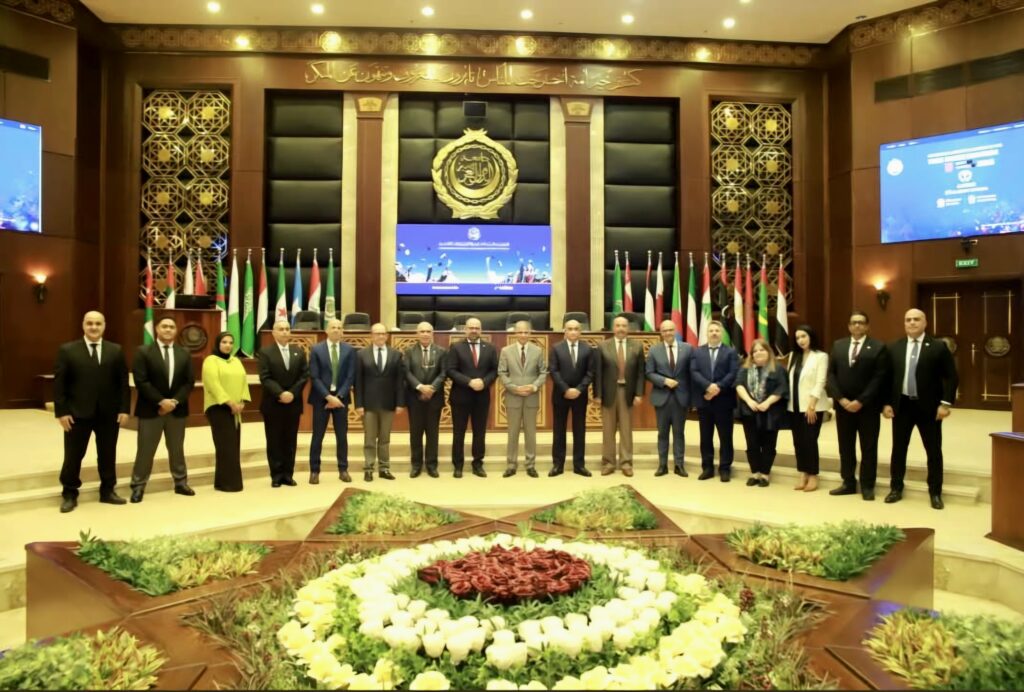
The delegation was led by the committee’s Egyptian and Greek co-chairs, Hussein El-Geziry and Manolis Koutoulakis, together with EAMS Chairman Ashraf El-Assal and other participating officials.
Professor El-Senoussi Balbaa, Vice President of AASTMT, received the delegation. During the visit, representatives discussed opportunities to expand academic cooperation, develop maritime education and training programs, and strengthen the qualifications of maritime professionals in both countries.
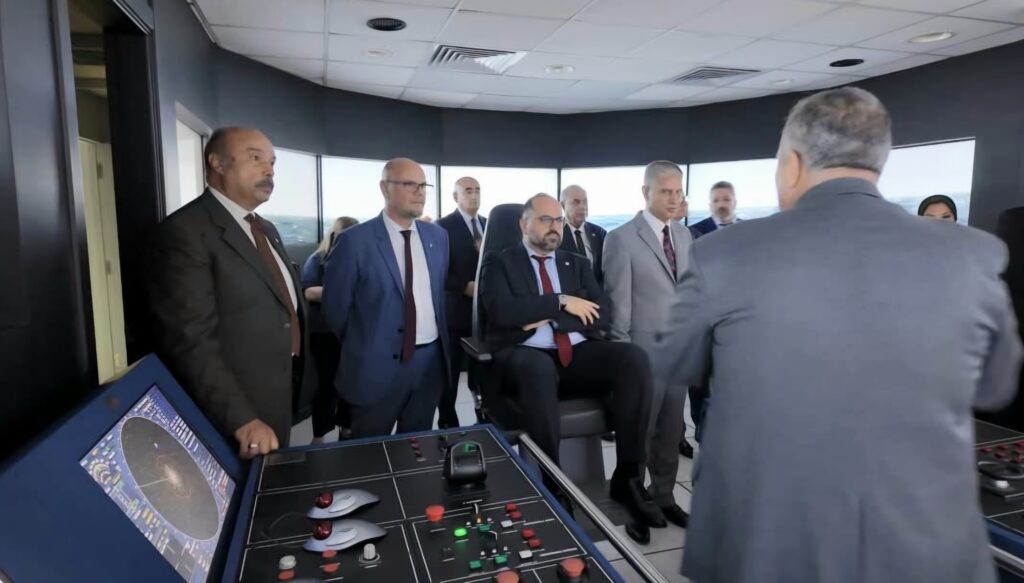
The visit included an extensive tour of the academy’s specialized educational departments and advanced training facilities. Delegates inspected the maritime simulator complex and training centers dedicated to navigation and logistics operations.
The tour provided Greek representatives with an opportunity to examine AASTMT’s technical capabilities, educational infrastructure and maritime training resources.
The academy’s role as a regional educational and research institution was also highlighted. Its maritime education and training activities extend beyond Egypt, serving students and maritime professionals from Arab and African countries.
The discussions explored opportunities for closer institutional cooperation between Egyptian and Greek maritime education providers, particularly in developing qualified personnel for the international merchant fleet.
STCW Cooperation Aims to Support Egyptian Seafarers
During the academy visit, El-Assal reaffirmed the Egyptian Authority for Maritime Safety’s commitment to strengthening maritime human resources and improving professional qualifications.
He noted that AASTMT graduates receive official accreditation from EAMS in accordance with international standards. This recognition forms part of the regulatory framework governing maritime qualifications and professional certification in Egypt.
El-Assal also emphasized the importance of maintaining appropriate legal and regulatory mechanisms to support the recognition of Egyptian seafarers’ qualifications internationally.
In particular, he highlighted the role of bilateral memoranda of understanding established under the STCW Convention in facilitating the recognition of professional certificates and supporting access to employment opportunities aboard international merchant vessels.
The authority’s participation in both the committee discussions and the academy visit reflected its focus on maritime education, regulatory cooperation and internationally recognized certification standards.
Strengthening Egyptian-Greek Maritime Cooperation
The third Egyptian-Greek Joint Maritime Committee meeting provided a platform for advancing discussions on maritime training, professional certification and cooperation between the two countries’ maritime institutions.
The proposed mutual recognition agreement remained a principal area of discussion, alongside opportunities to coordinate maritime education programs and improve the qualifications of seafarers.
The committee’s visit to AASTMT also highlighted the role of specialized training institutions in supporting cooperation between Egypt and Greece. By examining the academy’s simulation facilities and education programs, the Greek delegation gained further insight into Egypt’s maritime training capabilities.
Together, the discussions and institutional visit reflected the two countries’ shared interest in developing maritime human resources, strengthening certification cooperation and supporting the participation of qualified seafarers in international shipping.
Source: Egyptian Authority for Maritime Safety