Port of Beirut

  • Port of Tripoli Joins IMEC Ports Club at New Delhi Launch

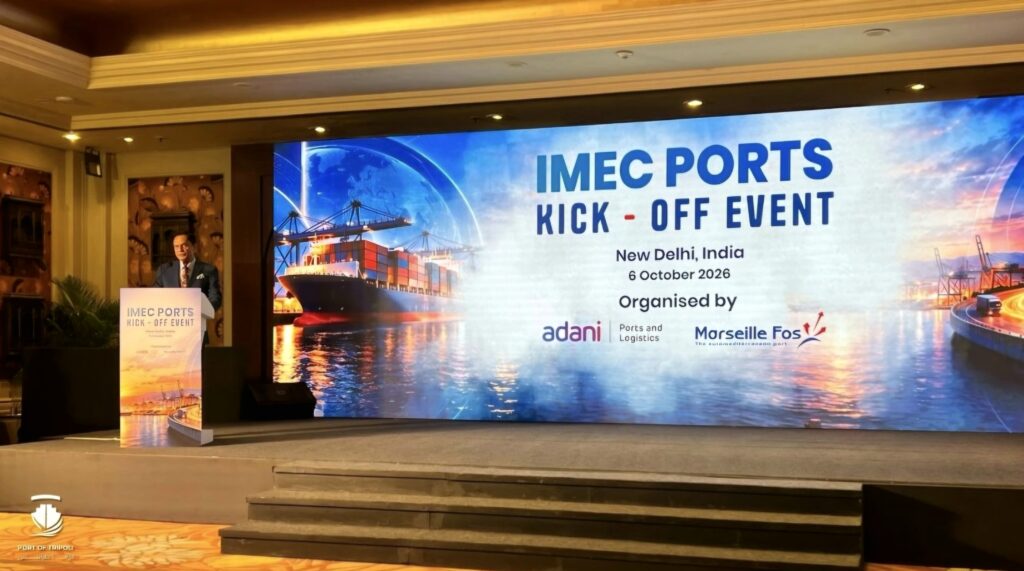
    Shipping Arabia, October 17, 2026 – Lebanon’s Port of Tripoli participated in the launch of the IMEC Ports Club in New Delhi, India, on October 6, 2026. The initiative brings together ports and maritime organizations from several countries to strengthen international cooperation, trade connectivity and coordination across transport networks.

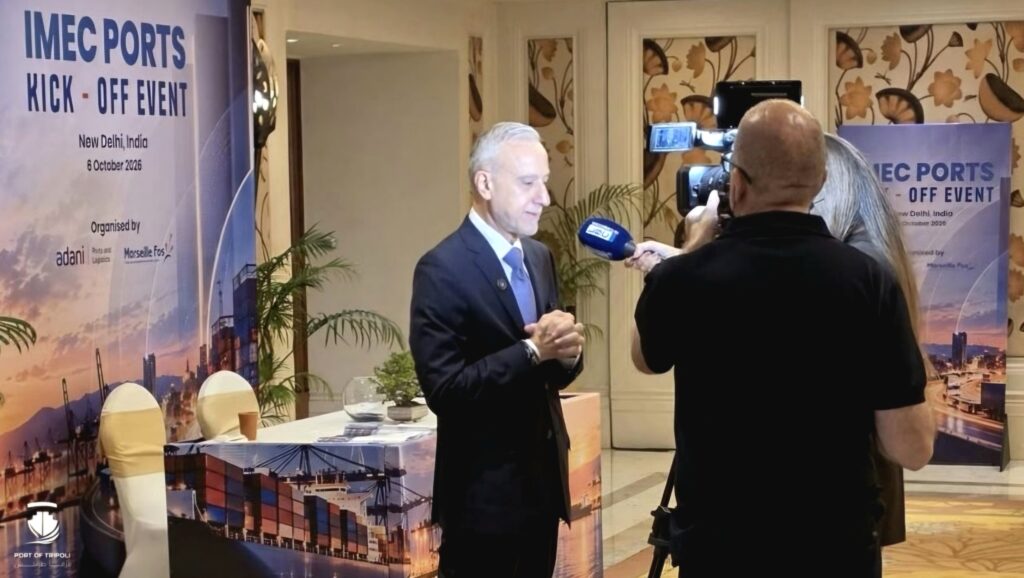
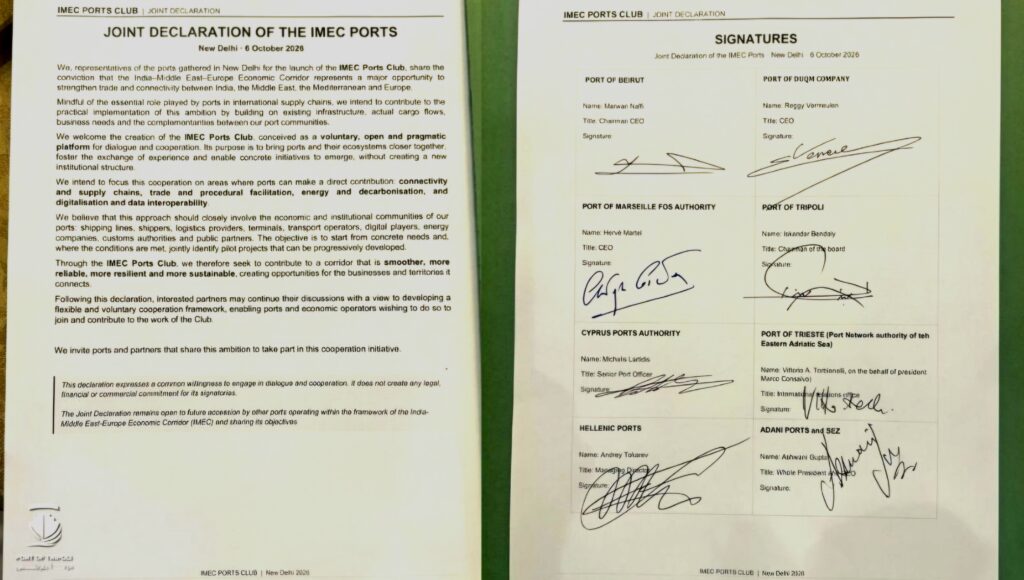
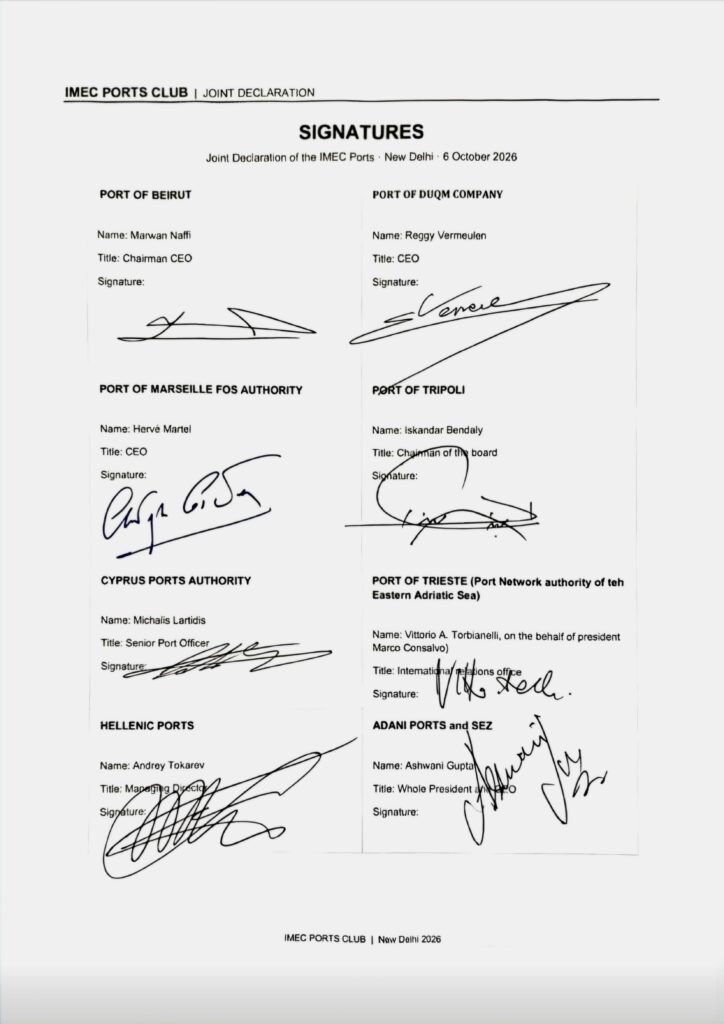
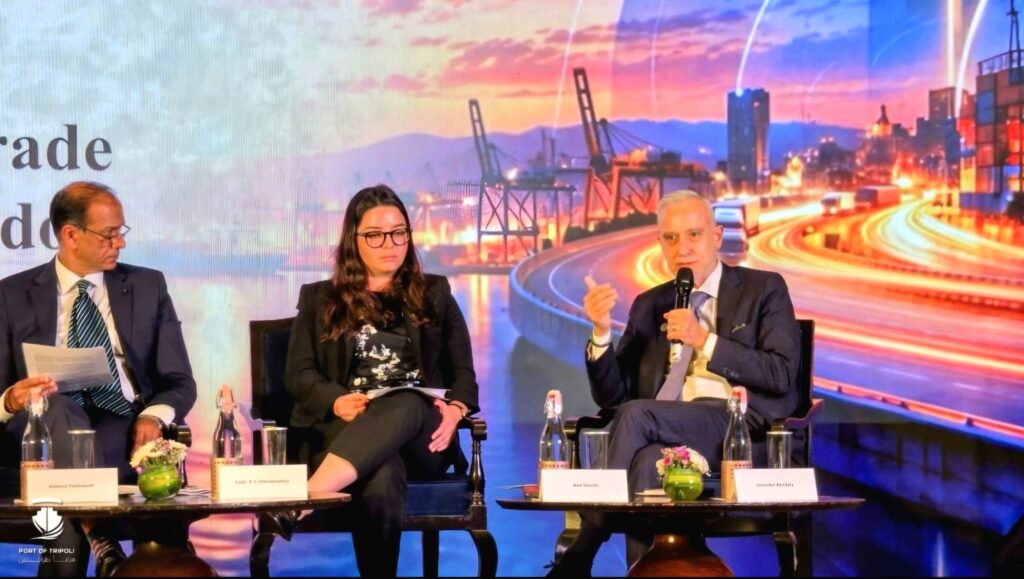
    The Port of Tripoli was represented by its Chairman of the Board, Eng. Iskandar Bandali. During the meeting, participating organizations signed a joint declaration establishing a voluntary and open framework for cooperation and coordination among the ports involved.

    Port of Tripoli Joins International Ports in Signing IMEC Declaration

    Alongside the Port of Tripoli, the declaration was signed by several major ports and maritime organizations representing countries across the Middle East, Europe and Asia.

    The participating organizations included the Port of Beirut in Lebanon, Port of Duqm in Oman, Port of Marseille Fos in France, Cyprus Ports Authority, the Eastern Adriatic Sea Ports Network Authority representing Italy’s Port of Trieste, Hellenic Ports in Greece, and Adani Ports and Special Economic Zone (APSEZ) in India.

    The declaration establishes a collaborative framework through which participating ports can strengthen dialogue, exchange expertise and explore opportunities for joint initiatives. Its voluntary and open structure provides a basis for cooperation across several areas of port operations, international transport and trade.

    IMEC Ports Club to Focus on Connectivity and Supply Chain Cooperation

    The IMEC Ports Club aims to strengthen cooperation among participating ports in areas including maritime connectivity, supply chains, trade facilitation and trade procedures.

    The initiative also identifies energy, emissions reduction, digital transformation and data exchange as areas for potential joint activities. Through cooperation in these fields, participating organizations aim to improve the efficiency, resilience and sustainability of international transport and trade.

    The framework encourages the exchange of operational knowledge and experience among ports while providing opportunities to explore collaborative initiatives related to logistics connectivity and the modernization of transport and trade processes.

    Port of Tripoli Seeks Stronger Regional and International Position

    According to the Port of Tripoli, its participation in the IMEC Ports Club reflects its commitment to strengthening its position within regional and international transport and trade networks.

    The port also aims to expand its relationships with international ports and explore cooperation opportunities that could support its development and strengthen its connections with the wider maritime industry.

    Furthermore, the Port of Tripoli views its involvement in the initiative as an opportunity to pursue cooperation that could benefit the port itself, contribute to the Lebanese economy and serve the country’s broader national interests.

    Through its participation in the IMEC Ports Club, the Port of Tripoli will be part of a framework for dialogue and coordination with other participating ports on connectivity, supply chains, trade facilitation and sustainable transport.

    Source: Port of Tripoli
  • Port of Beirut Maritime Security in Focus During EU Foreign Policy Chief Kaja Kallas Visit

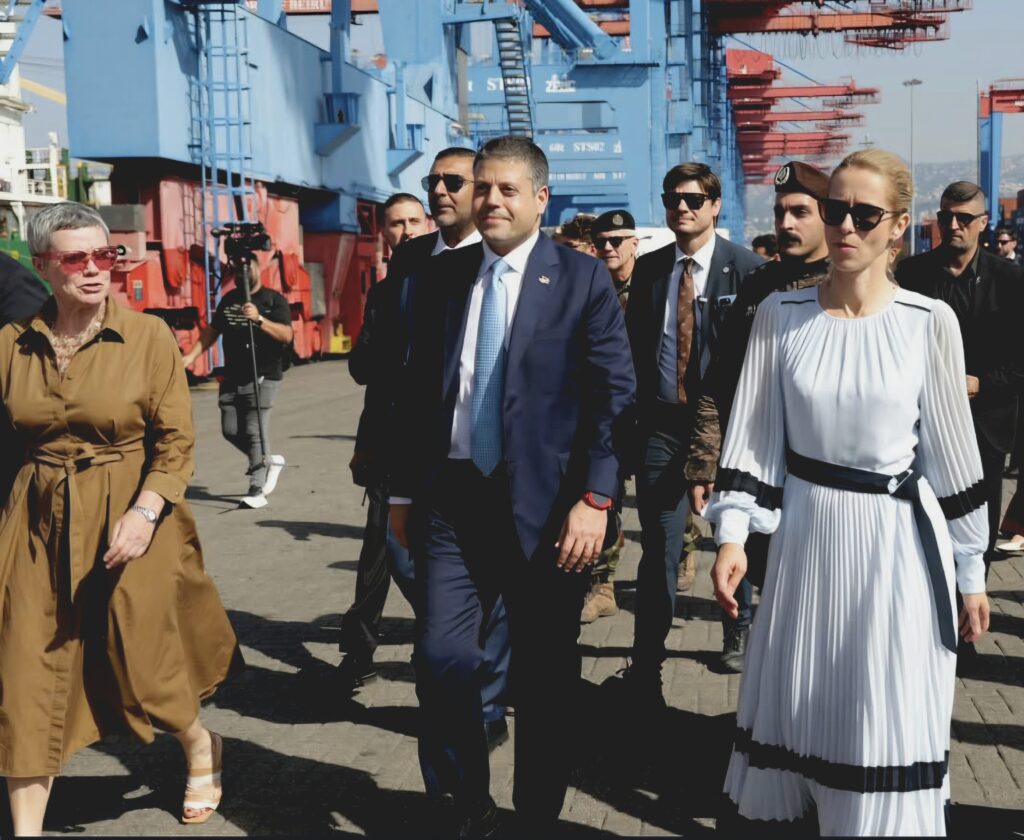
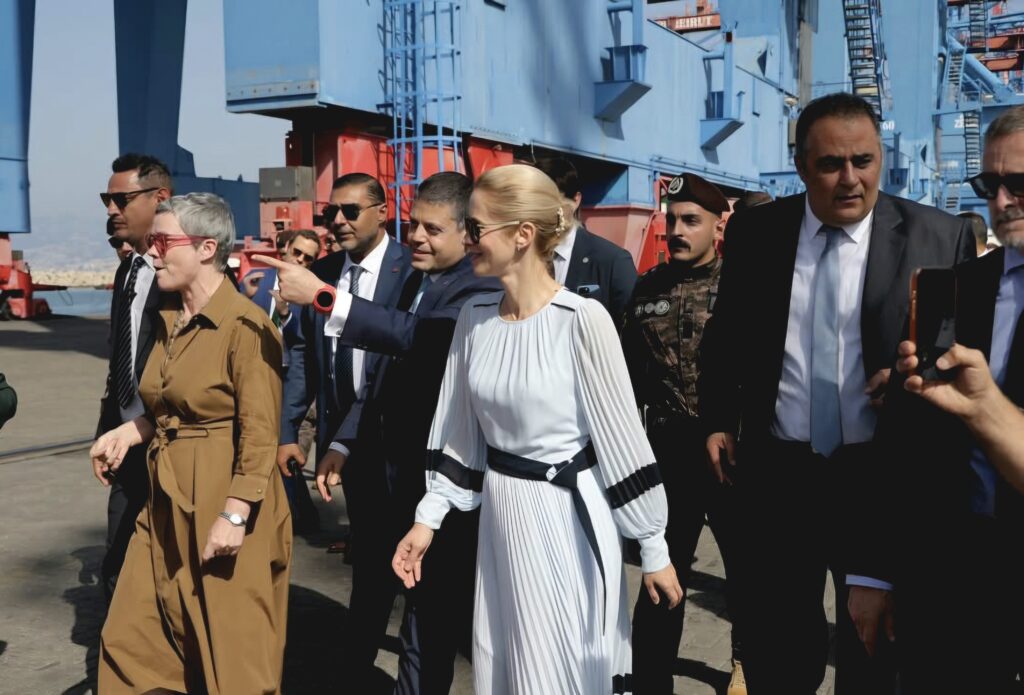
    Shipping Arabia, October 16, 2026 – Port of Beirut maritime security and the port’s strategic importance to Lebanon were highlighted during a visit by European Union High Representative for Foreign Affairs and Security Policy Kaja Kallas. The visit focused on the port’s role within Lebanon’s national maritime security strategy and the European Union’s continued support for security and safety standards.

    Kallas was accompanied by EU Ambassador to Lebanon Sandra De Waele and Chairman of the European Union Military Committee, Gen. Seán Clancy. During the visit, the delegation met with Port of Beirut Chairman and Director General Marwan El-Naffi to discuss the port’s importance and ongoing efforts to maintain maritime security and operational safety.

    El-Naffi accompanied Kallas on a tour of the port’s container terminal, where the delegation observed operational activities and reviewed the security and safety procedures currently in place.

    Port of Beirut Maritime Security and EU Support

    El-Naffi described the visit as recognition of the Port of Beirut’s strategic position and its importance to Lebanon and the wider region. He emphasized that the European Union has supported the port, particularly in areas related to maritime security and safety.

    According to El-Naffi, the presence of the EU’s High Representative reaffirmed the continuation of this support and highlighted the port’s significance within Lebanon’s national economy.

    He also pointed to the Port of Beirut’s regional importance, describing it as a gateway to the East. The visit, he said, reflected the port’s central position and the role it continues to play at the national and regional levels.

    The discussions and container terminal tour placed particular emphasis on the security and safety arrangements supporting port operations. These measures remain an important part of the port management’s efforts to maintain established operational standards.

    Port Management Reaffirms Commitment to Security and Safety Standards

    El-Naffi highlighted the progress achieved at the Port of Beirut through the implementation of security and safety measures. He attributed the improvements to the procedures and arrangements adopted by the port’s management.

    The chairman reaffirmed the port’s commitment to maintaining these standards while continuing to develop and strengthen its security and safety systems.

    He emphasized the importance of preserving the progress already achieved and ensuring that existing measures continue to support the port’s operational activities.

    The visit brought renewed attention to the European Union’s support for the Port of Beirut and the importance of maintaining maritime security and safety standards. It also highlighted the port’s role within Lebanon’s maritime security strategy and its significance to the national economy and the wider region.

    Source: Port of Beirut

    EU foreign policy chief Kaja Kallas visits the Port of Beirut to review maritime security and safety measures with port chairman Marwan El-Naffi.
    EU foreign policy chief Kaja Kallas visits the Port of Beirut to review maritime security and safety measures with port chairman Marwan El-Naffi.
  • Beirut and Tripoli Ports Sign IMEC Ports Club Declaration in New Delhi

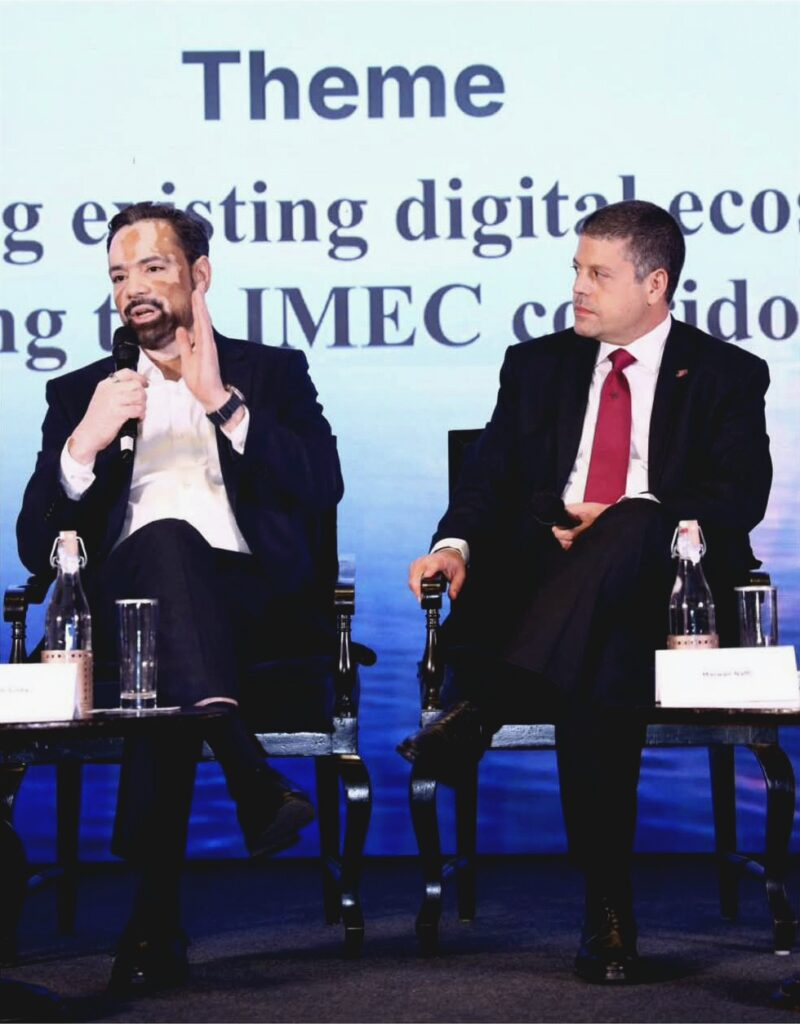
    Shipping Arabia, October 12, 2026 – Lebanon’s Port of Beirut and Port of Tripoli have signed the joint declaration launching the India-Middle East-Europe Economic Corridor (IMEC) Ports Club in New Delhi, India. The initiative aims to strengthen international port cooperation and support trade and logistics connectivity between India, the Middle East, the Mediterranean and Europe.

    The declaration was signed by Marwan Naffi, Chairman and Director General of the Port of Beirut, and Iskandar Bandali, Chairman of the Port of Tripoli. Their participation forms part of broader efforts to expand cooperation among ports associated with the economic corridor and encourage their involvement in developing trade and logistics connections.

    The IMEC Ports Club seeks to bring together ports and economic partners to explore opportunities for cooperation, improve connectivity and support the development of the corridor.

    IMEC Ports Club to Strengthen Port Cooperation

    The joint declaration establishes the IMEC Ports Club as an open platform for dialogue and collaboration among participating ports. Its central objective is to bring ports and their surrounding economic and logistics ecosystems closer together through practical cooperation and knowledge exchange.

    Rather than creating a new institutional structure, the initiative provides a framework for participating ports to share expertise, identify common priorities and develop collaborative projects.

    The declaration also encourages practical initiatives and pilot projects that can be expanded across participating ports and logistics networks. This approach aims to translate cooperation into activities that support the broader development of the economic corridor.

    Focus on Connectivity, Trade Facilitation and Digitalization

    The IMEC Ports Club identifies several priority areas for cooperation, reflecting the operational and logistical requirements of stronger trade connectivity.

    These include improving transport and supply chain connections, facilitating trade and related procedures, and advancing cooperation on energy and decarbonization.

    Digitalization and data interoperability are also central to the initiative. The declaration identifies these areas as opportunities for closer coordination between ports and their logistics ecosystems.

    Through cooperation in these fields, the IMEC Ports Club aims to contribute to a more seamless, reliable, resilient and sustainable trade corridor.

    The initiative also seeks to create additional opportunities for trade, investment and logistics services across India, the Middle East, the Mediterranean and Europe.

    For the ports of Beirut and Tripoli, signing the declaration establishes their participation in this collaborative platform, which focuses on strengthening relationships among ports and supporting the development of practical initiatives across the regions connected by IMEC.

    Source: Port of Beirut

  • Port of Beirut Calls for Regional Port Integration to Strengthen Trade Corridors

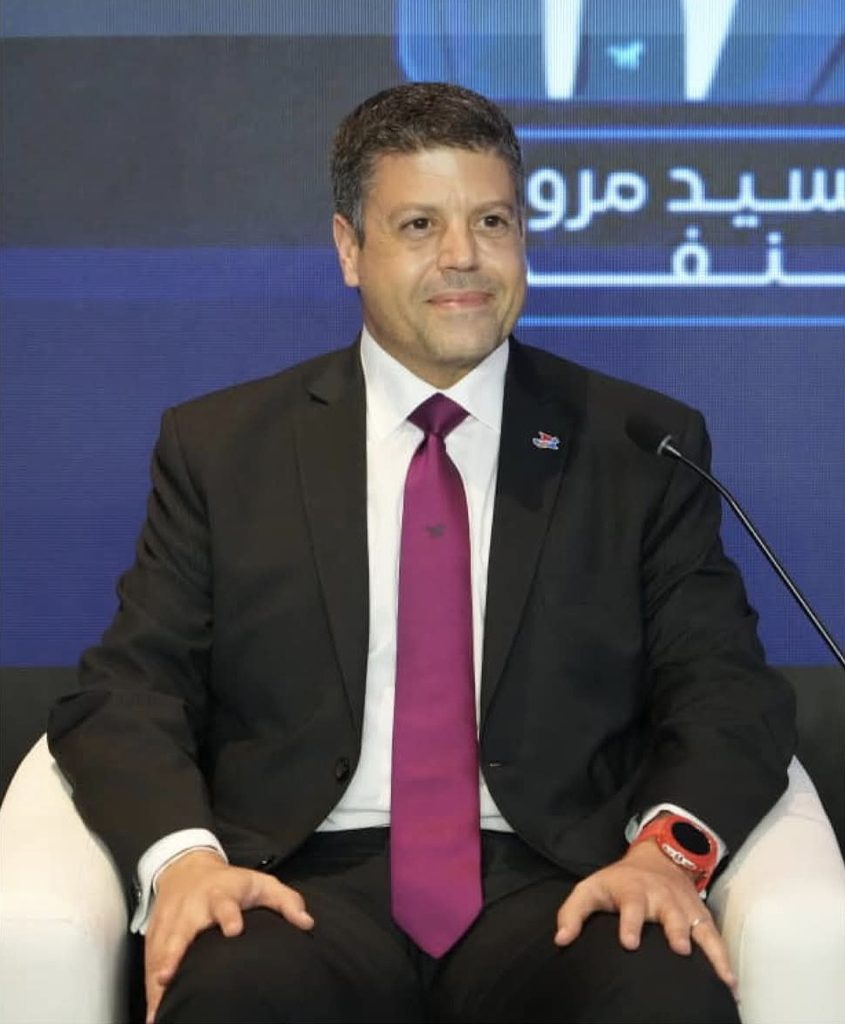
    Shipping Arabia, September 29, 2026 – Port of Beirut Chairman and General Manager Marwan M. Naffi has called for stronger Port of Beirut regional integration with neighboring ports and inland trade corridors, saying greater connectivity could expand transit and logistics opportunities across Lebanon, Syria, Iraq, Jordan and the wider region.

    Naffi made the remarks during the Lebanese-Syrian Investment Forum 2026, where he participated in a session focused on developing the transport sector, strengthening land, maritime and air connectivity, and improving logistics services.

    He said closer integration between ports represents both a necessity and an opportunity as regional transport networks and trade corridors continue to evolve.

    Cooperation Between Beirut, Tripoli, Tartous and Latakia

    Naffi highlighted the importance of cooperation and complementary roles between the ports of Beirut and Tripoli in Lebanon and Tartous and Latakia in Syria.

    He also emphasized the need to connect these ports with inland transport corridors and markets in Syria, Iraq, Jordan and the wider region.

    According to Naffi, changes affecting the transport sector and the reshaping of trade corridors create an important opportunity for Lebanon and Syria to strengthen their position within regional trade routes.

    He stressed that the strength of a port depends not only on its physical size or the cost of its services. Its ability to integrate into a broader network of ports, transport corridors and markets is also a central factor in its competitiveness and role within regional trade.

    Port of Beirut Sees Complementary Regional Role

    Naffi said the Port of Beirut views its role as complementary to that of other regional ports rather than isolated from them.

    Greater integration of port services and stronger connectivity between ports, corridors and markets could provide more options for cargo flows and regional trade movements.

    He said this approach could also improve the region’s capacity to attract transit traffic and logistics activity by creating a more connected transport and port network.

    The concept of Port of Beirut regional integration therefore extends beyond maritime links alone, with inland corridors playing a central role in connecting ports with regional markets.

    Container Terminal Expansion to Support Larger Volumes

    Naffi also discussed the Port of Beirut container terminal expansion project and its role in strengthening the port’s future capacity.

    He said the project will improve the port’s ability to handle larger container volumes while supporting its position within a wider regional port network.

    The expansion is also intended to reinforce the Port of Beirut’s role in serving trade flows involving Lebanon, Syria and the broader region.

    By combining additional container handling capacity with stronger port and inland connectivity, the Port of Beirut is positioning its development within a wider vision based on regional integration, transit activity and logistics services.

    Source: Port of Beirut

Back to top button