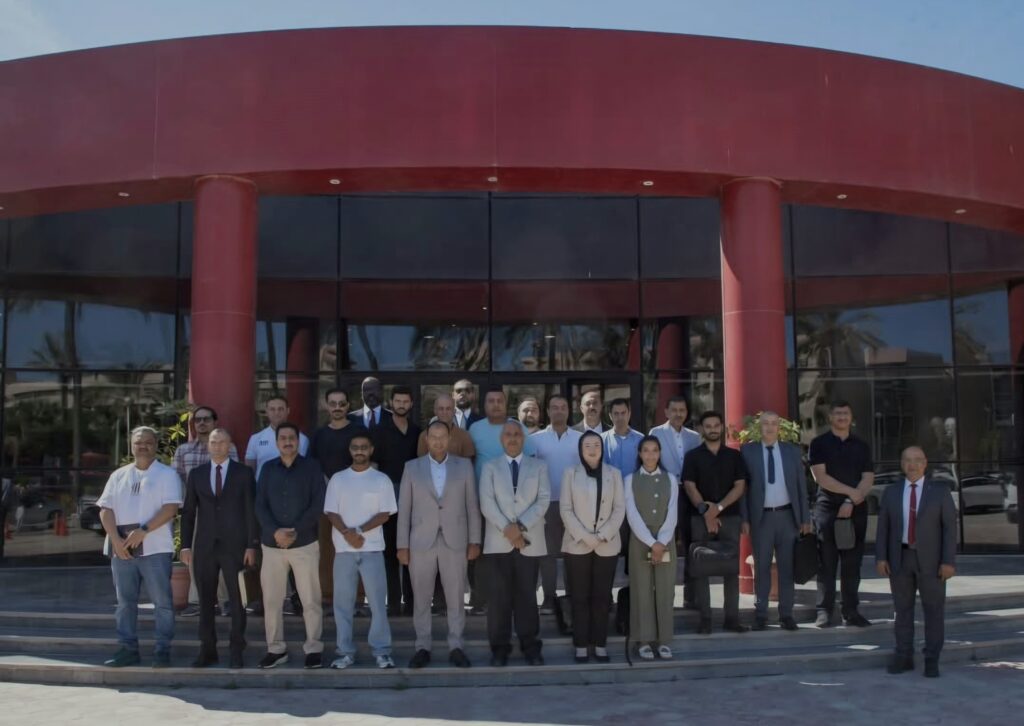
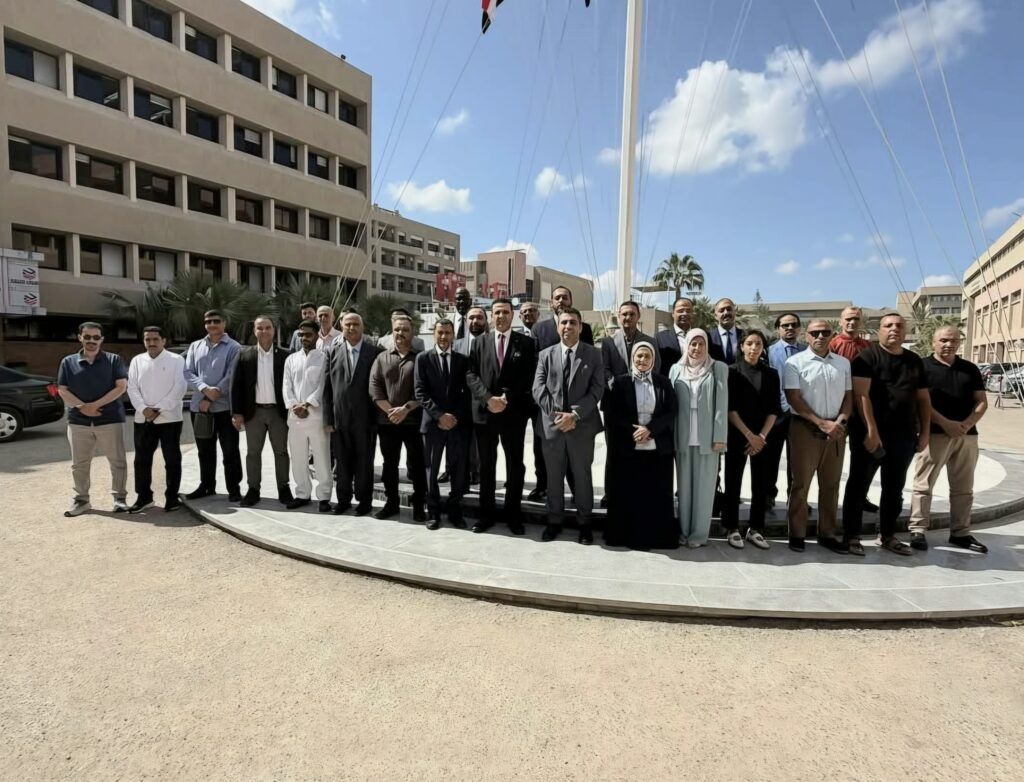
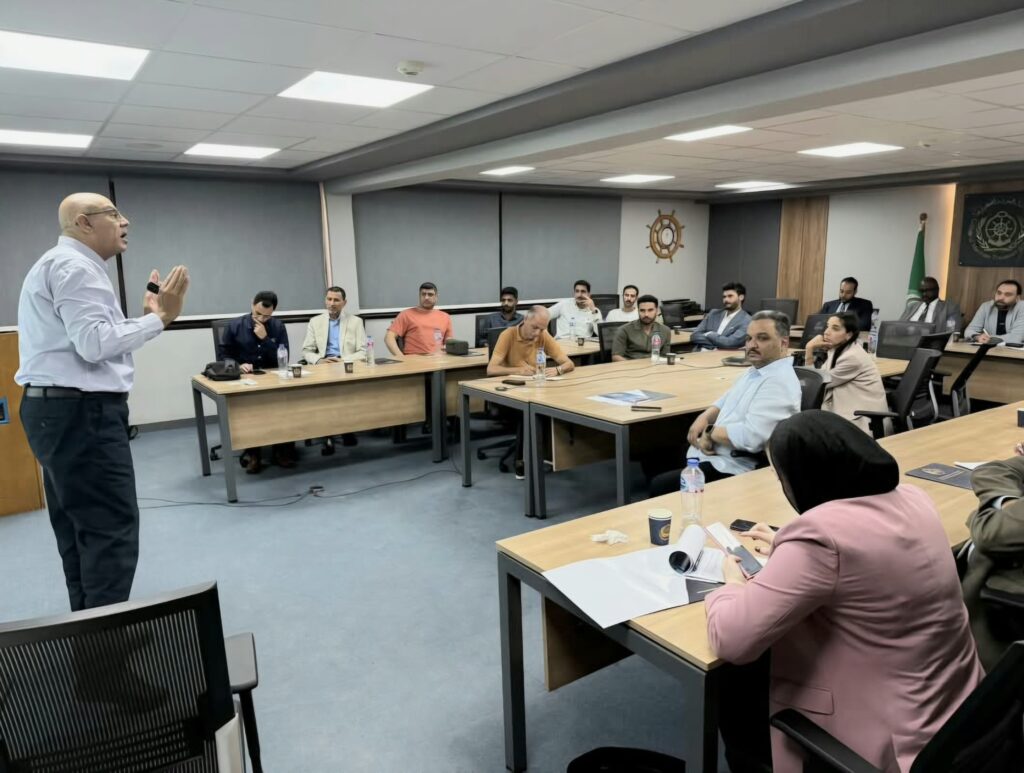
Shipping Arabia, October 5, 2026 – The Arab Academy for Science, Technology and Maritime Transport (AASTMT) has concluded an integrated Arab maritime disaster risk training program in Alexandria, bringing together 23 officials and specialists from six Arab countries to strengthen national capabilities in maritime disaster risk assessment, management and response.
The program was held from September 21 to 24, 2026, at AASTMT’s Abu Qir campus under the patronage of H.E. Prof. Dr. Ismail Abdel Ghaffar Ismail Farag, President of AASTMT. It was organized in coordination with the General Secretariat of the League of Arab States as part of the Arab Program for Disaster Risk Reduction in the maritime sector.
AASTMT implemented the four-day program through its Maritime Postgraduate Studies Institute under the supervision of Prof. Dr. Karim Tonbol, Dean of the Institute. The program was also conducted in cooperation with the League of Arab States’ departments responsible for housing, water resources and disaster risk reduction, as well as transport and tourism.
Arab Participation in Maritime Disaster Risk Training
The maritime disaster risk training program attracted 23 officials and specialists representing six Arab countries. Participants came from organizations responsible for maritime transport and ports, risk and emergency management, civil defense and protection, maritime security, environmental affairs and maritime affairs.
The program also included participation from officials involved in regional Arab coordination on disaster risk reduction and maritime transport. Mohammed Kenna, Coordinator of the Arab Coordination Mechanism for Disaster Risk Reduction, and Abdel Karim Fares, Coordinator of the Technical Secretariat of the Council of Arab Transport Ministers, attended the program.
Mostafa Saadi Abbas, an official with the Technical Secretariat of the Arab Coordination Mechanism for Disaster Risk Reduction, also participated during the opening day and presented a working paper as part of the training activities.
The involvement of several maritime, emergency and civil protection disciplines gave the program a multi-agency structure. This approach supported its focus on coordination among organizations that may be required to work together during complex maritime emergencies.
IMO, UNDRR and AASTMT Experts Deliver Training
Lectures and training sessions were delivered by specialists and experts from the General Secretariat of the League of Arab States, the United Nations Office for Disaster Risk Reduction (UNDRR) and the International Maritime Organization (IMO).
AASTMT experts also contributed through several of the Academy’s specialized institutions and centers. These included the Arab Center for Consultations and Maritime Environmental Accident Investigations, the Deanship of Scientific Research and Innovation, the Maritime Qualifying Studies Institute, the Integrated Simulators Complex, and the Environment Protection and Crisis Management Center.
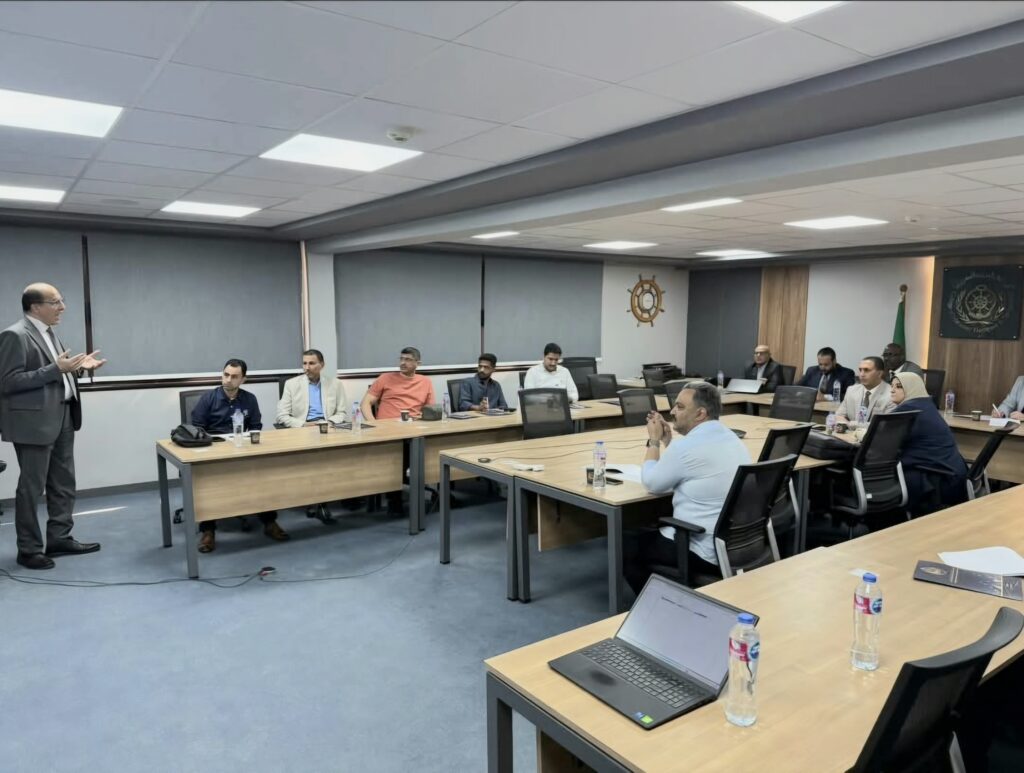
Across the four days, the maritime disaster risk training covered a range of interconnected operational and risk-management subjects. These included maritime emergency plans, incident command and management, maritime and environmental risk assessment and management, modeling and decision support, oil pollution incident response, dangerous goods risk management, and analysis of lessons learned from maritime accidents.
The program therefore combined risk assessment with practical emergency management and decision-making. It also addressed environmental and hazardous cargo risks alongside wider maritime incident response requirements.
Complex Maritime Incident Tested Through Simulation
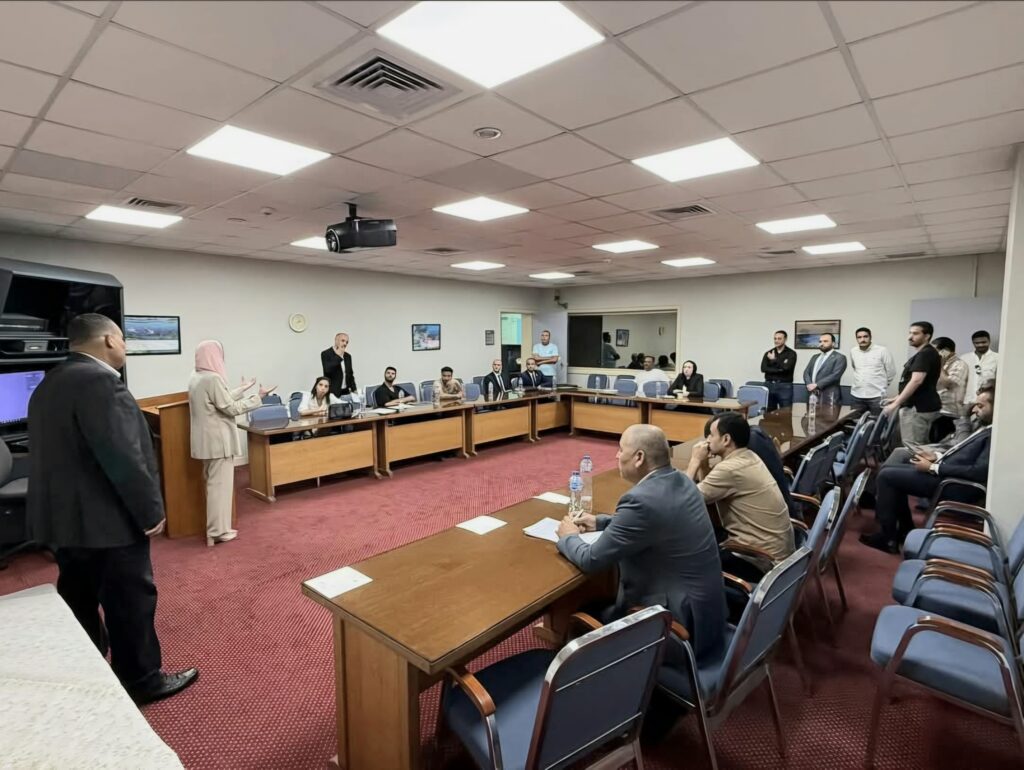
The program concluded with a practical exercise at the Environment Protection and Crisis Management Center within AASTMT’s Integrated Simulators Complex.
Participants took part in a simulation of a complex maritime incident designed to allow them to apply concepts covered during the training. The exercise focused on assessing the situation, identifying priorities, managing available resources, coordinating among multiple agencies and making decisions within an integrated simulation environment.
The practical component provided participants with an opportunity to move from classroom-based instruction to the management of a simulated maritime emergency. It also brought together several of the core subjects covered during the program, including incident management, risk evaluation, coordination and resource allocation.
Building National Maritime Disaster Response Capacity
AASTMT said the program forms part of its efforts to support joint Arab action and build national capabilities in maritime transport, safety and risk management.
The initiative also reflects the Academy’s role as an Arab center of expertise in these fields, with the broader aim of raising levels of preparedness and response to maritime disasters across Arab countries.
Through cooperation with the League of Arab States, IMO and UNDRR specialists, the program combined regional coordination with technical maritime expertise and practical simulation. Its conclusion marked the completion of four days of training focused on strengthening the ability of participating authorities to assess risks, coordinate responses and manage complex maritime incidents.
Source: Arab Academy for Science, Technology and Maritime Transport