Shipping Arabia, October 5, 2026 – The Jordan Maritime Commission has convened a coordination meeting in Aqaba to address vessel waiting times at Aqaba ports and identify practical measures to improve cargo flow, accelerate handling operations and strengthen the efficiency of the maritime and logistics system.
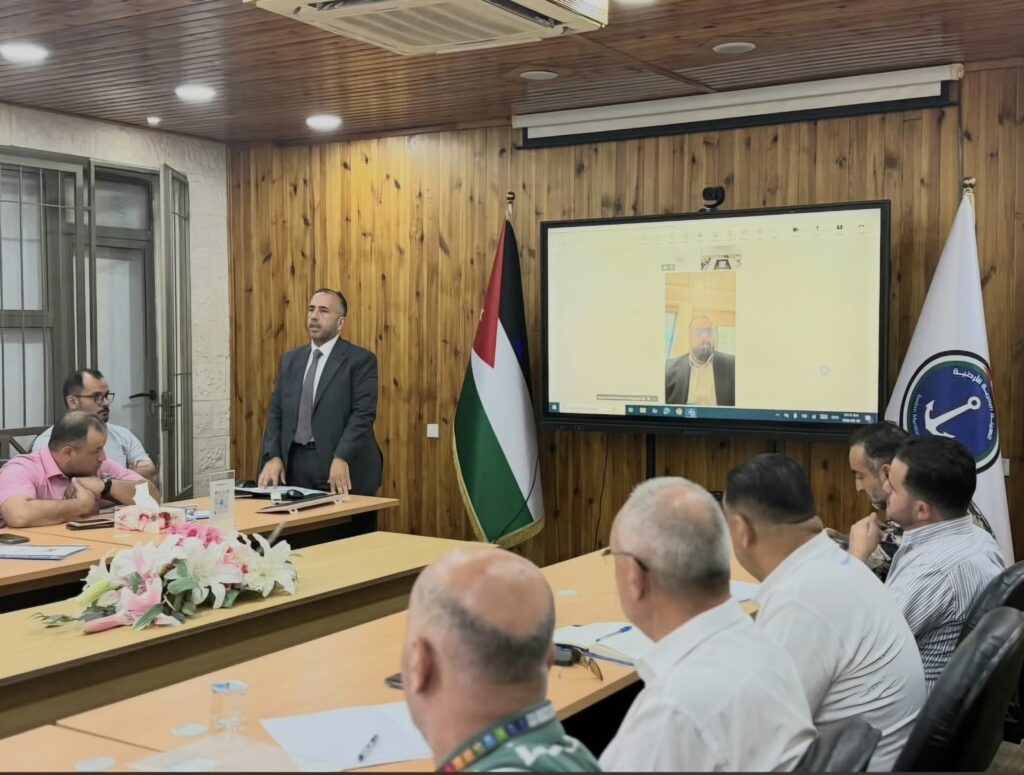
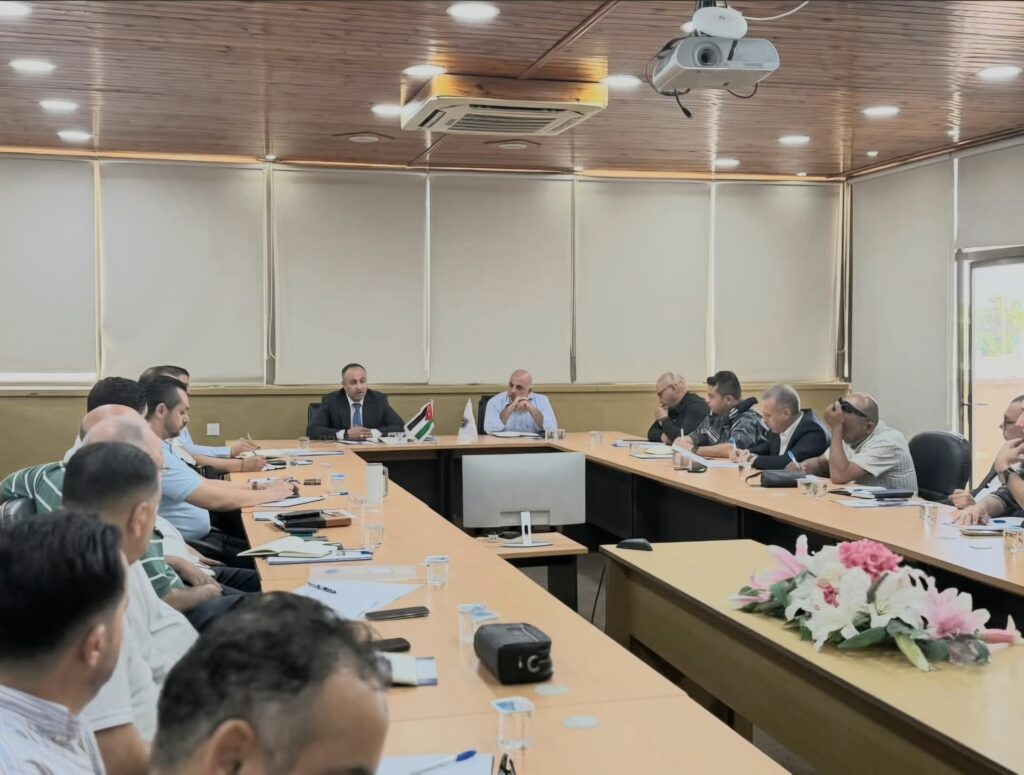
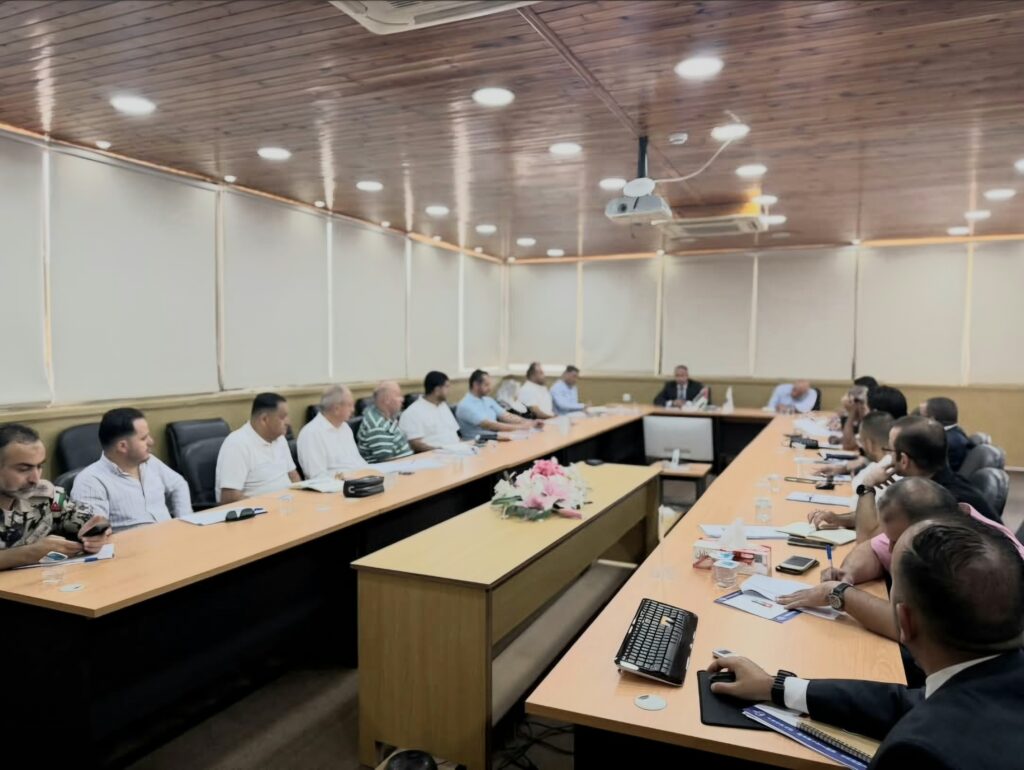
The meeting was chaired at the Commission’s headquarters by Director General Ahmad Al-Assasleh. Representatives from the Ministry of Transport joined remotely, while participants also included the Aqaba Special Economic Zone Authority, Aqaba Development Corporation, the Royal Jordanian Navy, port and terminal operators, the Jordan Shipping Association, relevant security agencies and other stakeholders.
The discussions focused on current port operations, the causes behind vessel waiting cases and operational measures that could improve the movement and clearance of cargo. Participants emphasized that vessel delays have multiple causes and cannot be attributed to a single party or operational factor.
Follow-Up to August Ministerial Meeting
The meeting reviewed progress on recommendations from a ministerial meeting held in Aqaba on August 6, 2026, chaired by Minister of Transport and Minister of Labour Dr. Nidal Al-Qatamin and Minister of Industry, Trade and Supply Eng. Yarub Al-Qudah.
That meeting brought together government bodies, private-sector stakeholders and other parties involved in port operations to examine operational challenges and discuss measures aimed at improving efficiency and reducing congestion.
Participants at the latest meeting reviewed the implementation of those recommendations. They noted that a significant portion had already been put into effect through Cabinet decisions approving several of the proposed measures.
According to the meeting, these steps helped address a number of operational obstacles, ease pressure and congestion, improve cargo flow and support the continuity of supply chains.
The Ministry of Transport and other government entities will continue to follow up on implementation in coordination with port operators, the private sector and other stakeholders. The process will also focus on measuring the actual impact of measures already taken and identifying any further obstacles that may require additional action.
Aqaba Vessel Waiting Times Under Review
Participants examined the circumstances behind individual vessel waiting cases, including ships that had remained at anchor or in waiting areas for extended periods.
The meeting stressed the importance of identifying the specific cause of each case rather than treating vessel waiting as a single operational problem. It also called for greater advance readiness by vessels, agents, equipment providers, transport operators, storage yards and documentation teams before cargo operations begin.
Improving readiness before a vessel reaches the operational stage was identified as an important step toward reducing delays and improving berth utilization.
Participants also reviewed operational factors affecting the handling time of some ships, particularly vessels carrying several types of cargo or cargo covered by multiple bills of lading. In such cases, the meeting emphasized the need for detailed pre-planning covering cargo types, the sequence of handling operations and equipment requirements before work starts.
This approach is intended to reduce operational stoppages and improve the use of berths and cargo-handling equipment.
Faster Cargo and Vehicle Movement
The meeting discussed measures to increase yard turnover and accelerate the removal of vehicles and cargo from port areas.
Participants highlighted the need to ensure sufficient availability of trucks and car carriers in line with the scale and pace of discharge operations. Greater transport capacity would support faster evacuation of cargo from the port and reduce pressure on storage areas.
Transit cargo was another area of focus, particularly shipments moving through Aqaba toward Iraq. Participants discussed challenges affecting these cargo flows and the need to strengthen coordination among relevant authorities to improve their movement.
Efforts to increase port capacity were also reviewed. These include the development of additional yards for vehicles and other cargo to reduce pressure on existing storage areas and support more efficient operations.
The meeting also discussed studying the rehabilitation and reactivation of Mu’tah Port/Berth for handling vessels carrying vegetable oils. Any such move would follow the completion of technical studies, safety requirements and the necessary approvals.
Advance Planning and Operational Data Sharing
Participants emphasized the importance of planning for vessels before their arrival in Aqaba.
Regular sharing of vessel arrival schedules and operational information among relevant parties was identified as a key tool for detecting possible bottlenecks early and addressing them before they develop into congestion or extended vessel waiting times.
The meeting also considered proposals for managing the number of vessels present in waiting areas and reactivating anchorage areas in accordance with technical and regulatory requirements and approvals from the relevant authorities.
Greater advance coordination with shipping lines and agents was also discussed. The aim is to reduce situations in which vessels arrive in Aqaba before operational restrictions or other constraints have been identified and addressed.
The participants stressed that improved information exchange should form part of a broader shift from reacting to congestion after it occurs toward proactive operational planning.
This requires advance knowledge of expected vessels, their characteristics and operational requirements, combined with confirmation that port, yard, transport and logistics resources are ready before arrival.
Measuring the Impact of Port Measures
The Jordan Maritime Commission stressed that follow-up should extend beyond confirming whether recommendations and decisions have been implemented.
Participants agreed that their actual effect on port performance must also be measured through clear operational indicators. These include the average vessel waiting time, the number of waiting cases resolved and the number of newly arriving ships added to waiting lists.
Authorities will also monitor vessels that remain waiting beyond defined periods, allowing stakeholders to identify persistent cases and examine the reasons behind them.
The meeting emphasized that reducing vessel waiting times requires coordinated action across government entities, port operators, logistics providers and the private sector. Clear responsibilities and practical follow-up mechanisms will therefore remain central to the process.
The Jordan Maritime Commission said it will continue coordinating with the Ministry of Transport, government authorities, the private sector and other stakeholders to follow up on meeting outcomes, Cabinet decisions and operational measures.
These efforts are intended to improve the efficiency of Aqaba’s maritime and logistics system, support supply chain continuity and strengthen the operational performance of Aqaba ports and their role in regional trade and transport.
Source: Jordan Maritime Commission