Egypt and Saudi Arabia Discuss Maritime Connectivity and Southern Arab Trade Corridor
Shipping Arabia, October 3, 2026 – Egypt and Saudi Arabia discussed strengthening maritime connectivity, transport and logistics cooperation, with particular focus on linking their ports and integrating the two countries more closely into international trade corridors serving Europe and the Gulf.
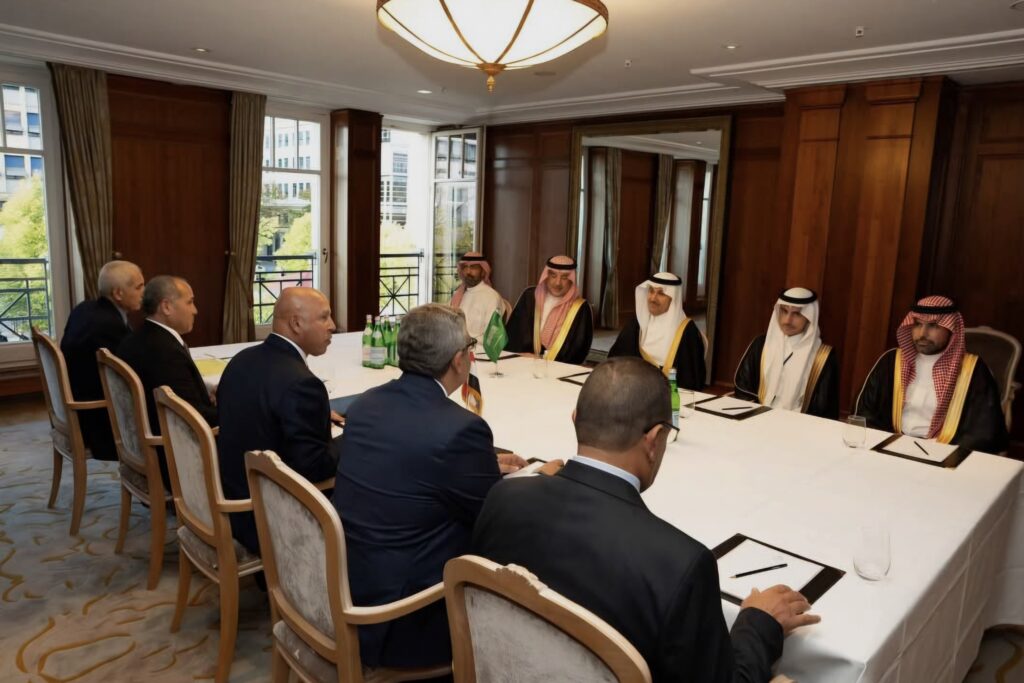
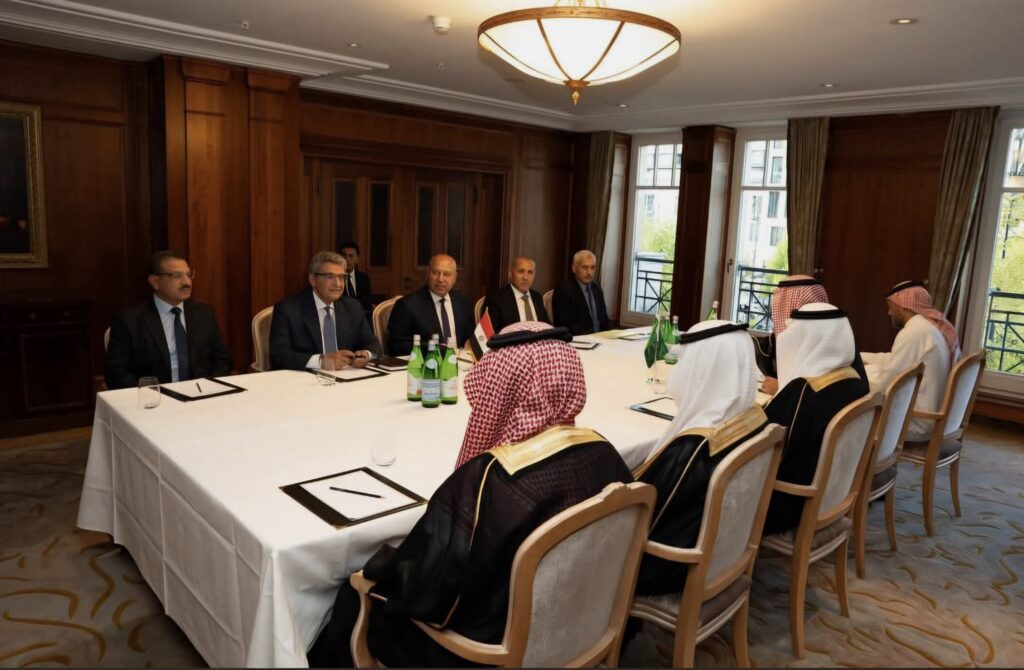
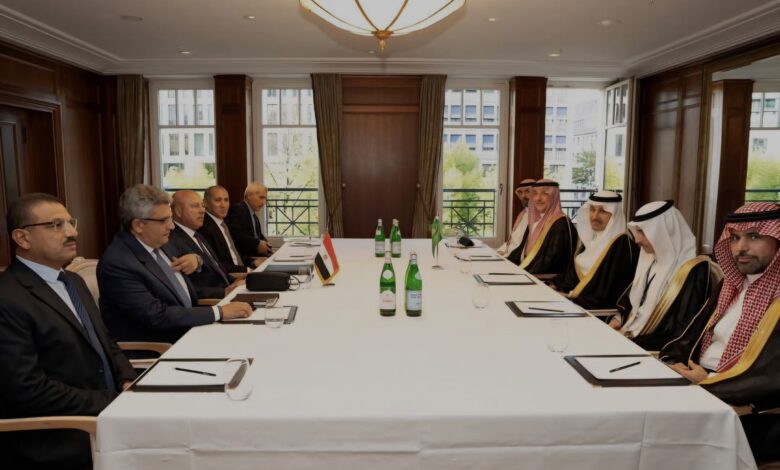
Egyptian Minister of Transport Kamel El-Wazir held talks with Saudi Minister of Transport and Logistic Services Saleh Al-Jasser during El-Wazir’s visit to Germany from September 22 to 25 to participate in the InnoTrans exhibition and conference in Berlin.
The meeting covered opportunities to expand cooperation in transport, logistics and maritime connectivity. Both sides said stronger links could support bilateral trade, increase the use of the two countries’ geographic positions and strengthen their integration into international transport corridors.
Stronger Links Between Egyptian and Saudi Ports
The ministers discussed closer integration between Egyptian and Saudi ports as part of efforts to facilitate trade between the two countries and onward connections to other Gulf states.
Al-Jasser highlighted the depth of Saudi-Egyptian relations and the importance of expanding cooperation across transport sectors, particularly as both countries continue to develop their transport infrastructure.
El-Wazir also pointed to the potential for greater strategic integration between Egypt’s development plans and Saudi Arabia’s Vision 2030. He said transport and logistics could form an important part of wider economic cooperation between the two countries.
The talks also addressed cooperation on international corridors. Both ministers emphasized the importance of coordinating their transport networks and maritime gateways to improve cargo flows between Egypt, Saudi Arabia and wider regional markets.
Southern Arab Trade Corridor Links Europe With the Gulf
A central focus of the meeting was the Southern Arab Trade Corridor, which is intended to connect Europe with Gulf countries through Egypt.
The corridor would use the Egypt-Italy RoRo service between Damietta Port and the Port of Trieste. Cargo would then move through Egypt using integrated international logistics corridors to Safaga Port on the Red Sea.
From Safaga, maritime services operated by Egyptian national companies would connect with NEOM Port, formerly Duba Port, in Saudi Arabia. Cargo could then continue to other Gulf countries.
The ministers highlighted the corridor as a means of improving connectivity between European and Gulf markets while making greater use of Egyptian and Saudi transport infrastructure.
The concept combines maritime services with inland logistics networks and port connections, creating a multimodal route extending from the Mediterranean to the Red Sea and onward to Saudi Arabia and other Gulf markets.
Egypt Plans Eight Integrated Logistics Corridors
El-Wazir also outlined Egypt’s plans to establish eight integrated logistics corridors. The corridors are intended to link industrial, agricultural and mining production areas with seaports and connect Red Sea ports with Mediterranean ports.
The planned system would use railway networks, including diesel rail and high-speed electric rail, as well as major road networks. The routes would also pass through dry ports and logistics zones located along the corridors.
According to El-Wazir, the strategy is designed to support Egypt’s objective of becoming a regional hub for transport, logistics and transit trade.
The supplied statement refers to the eight planned corridors but does not include the detailed list of individual routes.
Egypt and Saudi Arabia Seek Wider Transport Cooperation
The meeting also included broader discussions on economic, investment and trade cooperation between Egypt and Saudi Arabia. Both sides said the next phase should build on existing cooperation while opening wider opportunities for joint projects.
They also highlighted the role of the Egyptian-Saudi Supreme Coordination Council as an institutional framework for coordinating efforts and advancing bilateral cooperation.
The ministers said continued cooperation should focus on making greater use of the capabilities available in both countries, expanding joint economic and investment activity and strengthening mutual interests.
The discussions in Berlin reflected the two countries’ focus on transport and logistics as areas where stronger maritime connectivity and international corridor integration could support future trade growth.
Source: Egyptian Ministry of Transport