Syria Reviews Port Development, Maritime Operations and Digital Transformation at Latakia Port
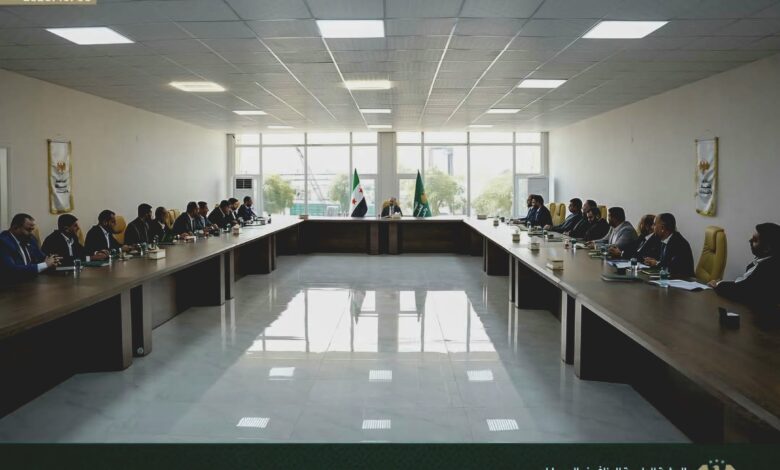
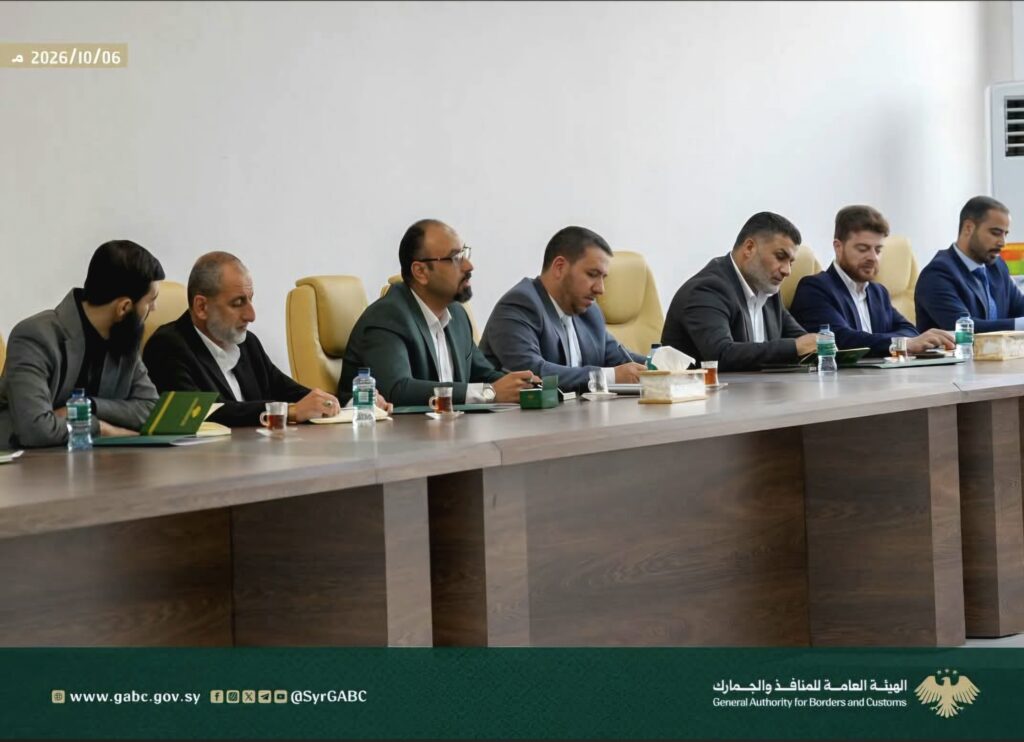
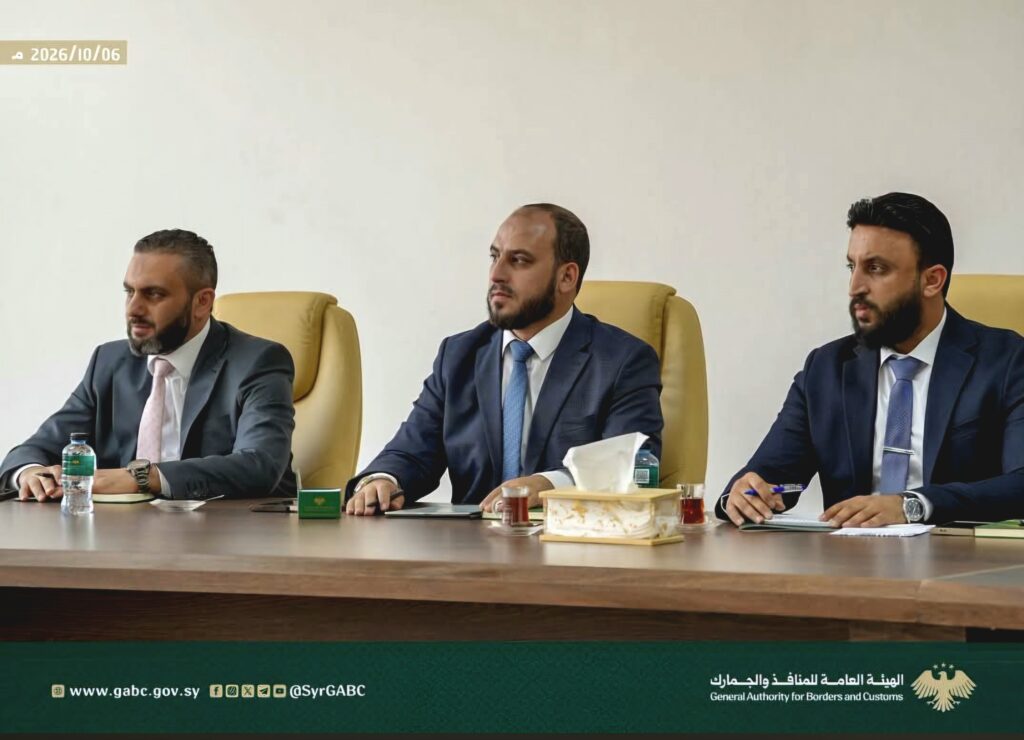
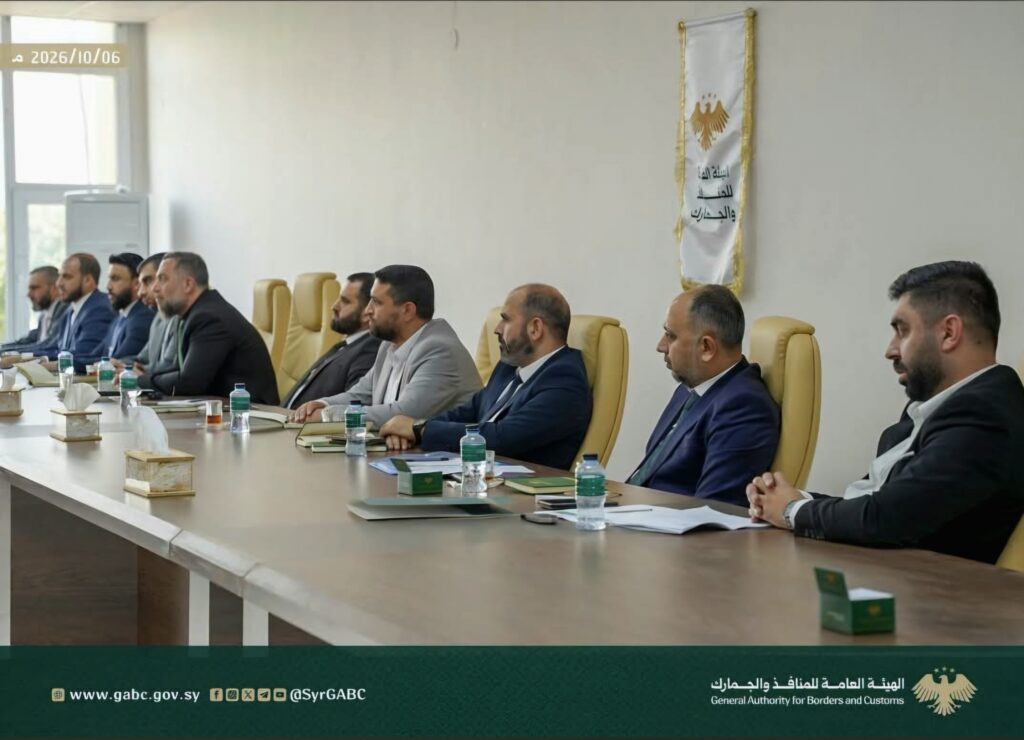
Shipping Arabia, October 14, 2026 – Syria’s General Authority for Borders and Customs (GABC) has held an extensive meeting at Latakia Port to review maritime operations, development plans and key operational challenges. The discussions focused on improving port services, advancing digital transformation and strengthening coordination among the authority’s affiliated entities.
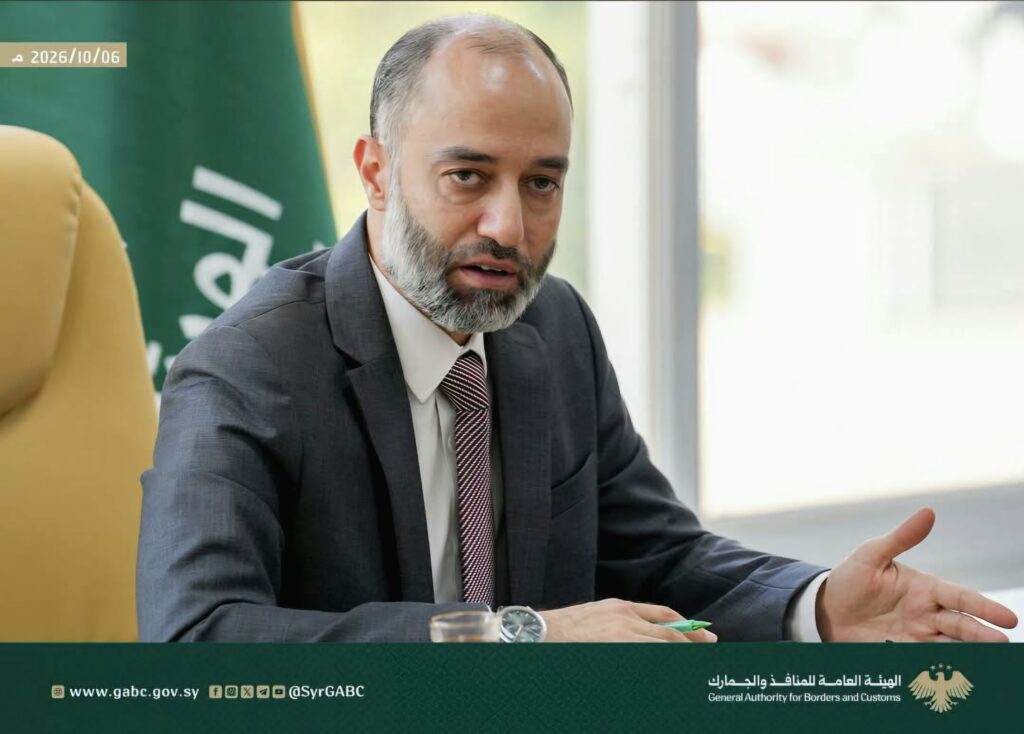
The meeting was chaired by Qutaiba Badawi, Head of the General Authority for Borders and Customs, with the participation of directors from the authority’s central departments and directorates.
Officials examined current operational conditions, identified challenges affecting various departments and discussed measures to improve institutional coordination and service efficiency across Syria’s maritime sector.
Port Operations and Maritime Service Development
A major focus of the meeting was the performance of Syrian ports and the development of services provided by the authority’s maritime entities.
Discussions covered port operations, Coast Guard activities, maritime transport and the Syrian Shipping Agencies Company. Officials reviewed opportunities to improve service delivery, increase operational efficiency and address challenges affecting these activities.
The meeting also examined the requirements of the Maritime Training and Qualification Establishment, particularly its role in preparing qualified personnel for the maritime sector.
Participants emphasized the importance of developing the workforce needed to support improvements in maritime services and strengthen the capabilities of institutions operating under the authority.
These discussions formed part of a broader review of how the authority’s various departments and affiliated organizations can coordinate their activities more effectively.
Digital Transformation and Administrative Modernization
Digital transformation was another central topic, with officials reviewing projects to modernize administrative and operational systems across the authority.
The discussions addressed measures to accelerate official correspondence, simplify working procedures and improve the efficiency of administrative processes.
Participants also examined the standardization of administrative forms and legal procedures to establish more consistent working practices across departments.
In addition, the meeting addressed staffing requirements and improvements to the working environment, reflecting the authority’s focus on ensuring that its departments have the personnel and organizational resources needed to perform their responsibilities.
Performance Monitoring and Service Quality
During the meeting, Badawi emphasized the importance of adopting clear action plans supported by measurable key performance indicators (KPIs).
He called for systematic monitoring of assigned tasks, closer follow-up on implementation and measures to overcome obstacles that could delay progress.
Badawi also directed the authority’s departments to prioritize improvements in service quality while strengthening confidence among customers and investors.
Furthermore, he stressed the importance of institutional working practices and closer integration among the authority’s different departments and affiliated entities.
The meeting brought together the operational, administrative and training priorities of Syria’s maritime sector, with an emphasis on coordinated development, improved performance monitoring and more efficient service delivery.
Source: General Authority for Borders and Customs