Shipping Costs to Arabian Gulf Surge 321.5% Amid Hormuz Disruptions
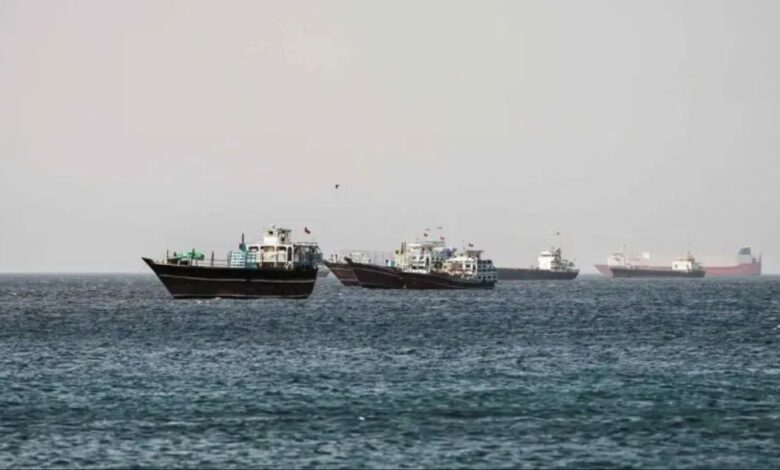
Shipping Arabia, May 19, 2026 – Freight rates to the Arabian Gulf and Red Sea have surged dramatically following the near-total disruption of traffic through the Strait of Hormuz amid the ongoing Iran conflict, forcing shipping lines and cargo owners to rely increasingly on costly alternative land transport solutions.
According to data from Clarksons Research cited by the Financial Times, the cost of shipping a standard 20-foot container on the Shanghai-Gulf and Red Sea route jumped by 321.5%, rising from $980 before the conflict to $4,131 during the week ending May 15, 2026.
Major shipping companies have warned of severe congestion, operational bottlenecks, and mounting costs as cargoes destined for the Middle East remain stranded at distant ports including India and Mozambique, despite ongoing efforts to establish alternative routing solutions.
A significant portion of the increase has been attributed to soaring bunker fuel prices and the urgent need to mobilize large trucking fleets for inland transport operations.
Vincent Clerc, CEO of Maersk, told the Financial Times that substantial trucking capacity had been mobilized, noting that Saudi Arabia and Iraq had opened access for trucks arriving from Iraq, Jordan, and Turkey.
Major carriers including MSC Mediterranean Shipping Company, Maersk, CMA CGM, and Hapag-Lloyd have established overland transport corridors linking Red Sea and Gulf of Oman ports — including Yanbu, King Abdullah Port, and Fujairah — with inland Gulf destinations such as Dammam, Basra, and Jebel Ali.
However, industry executives stressed that trucking solutions can only replace a limited share of the cargo capacity previously handled by large container vessels transiting the Strait of Hormuz, which has been effectively closed to normal navigation since the outbreak of conflict on February 28.
Daily vessel movements through the waterway reportedly dropped from approximately 135 transits before the conflict to only a handful of vessels per day, while around 38 vessels have reportedly been attacked.
Rolf Habben Jansen, CEO of Hapag-Lloyd, stated in the company’s podcast that overland corridors remain the only available option for moving cargo into the Gulf, though their capacity remains significantly lower than maritime transport networks.
Industry sources also indicated that trade flows into Gulf markets have declined between 60% and 80%, with ports increasingly prioritizing essential commodities including food supplies and medical cargoes.
India’s Tata Group consumer products division reportedly shifted shipments of tea, salt, and pulses destined for the Middle East to ports such as Jeddah and Khorfakkan for onward inland transport.
Source: Erem Business