Supply Chain

  • Jordan Supply Chain Committee Reviews Bab el-Mandeb and Hormuz Impact as Pressure Builds on Aqaba

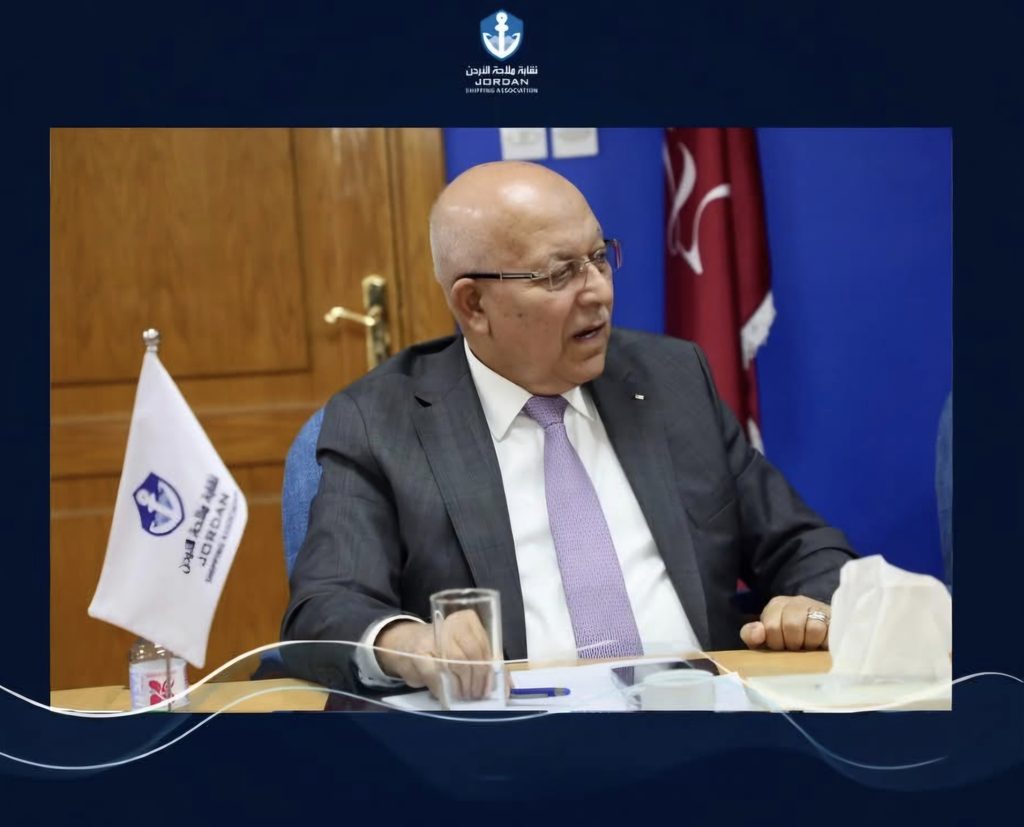
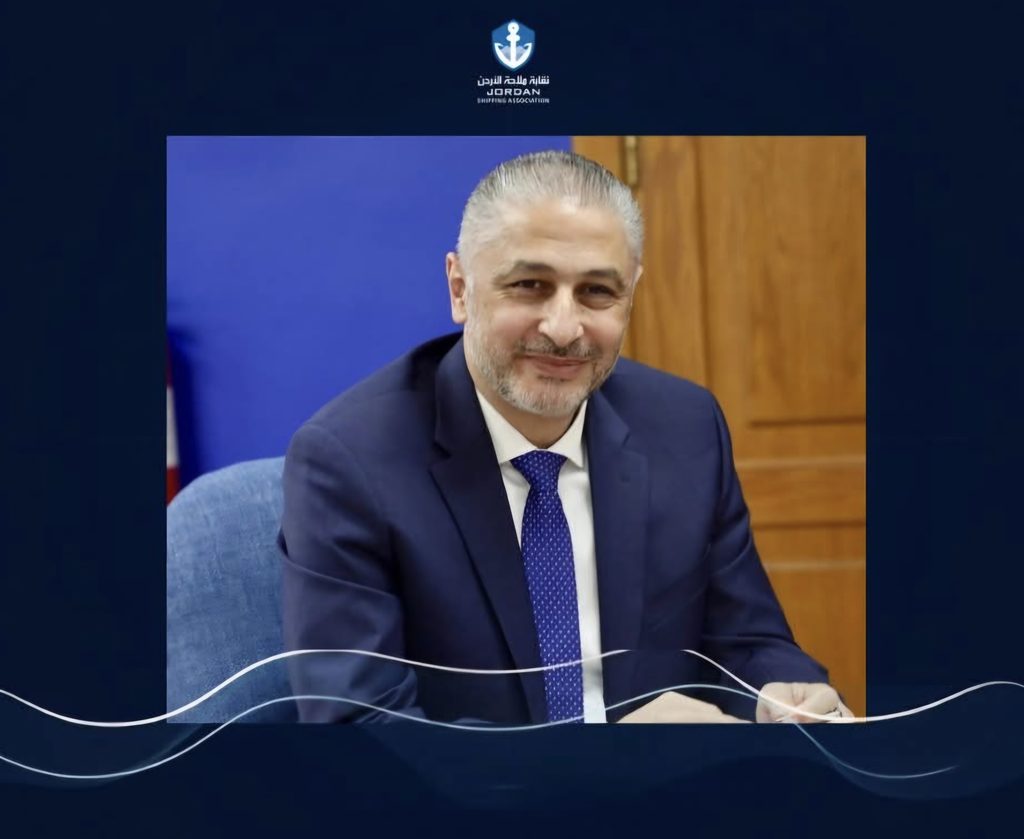
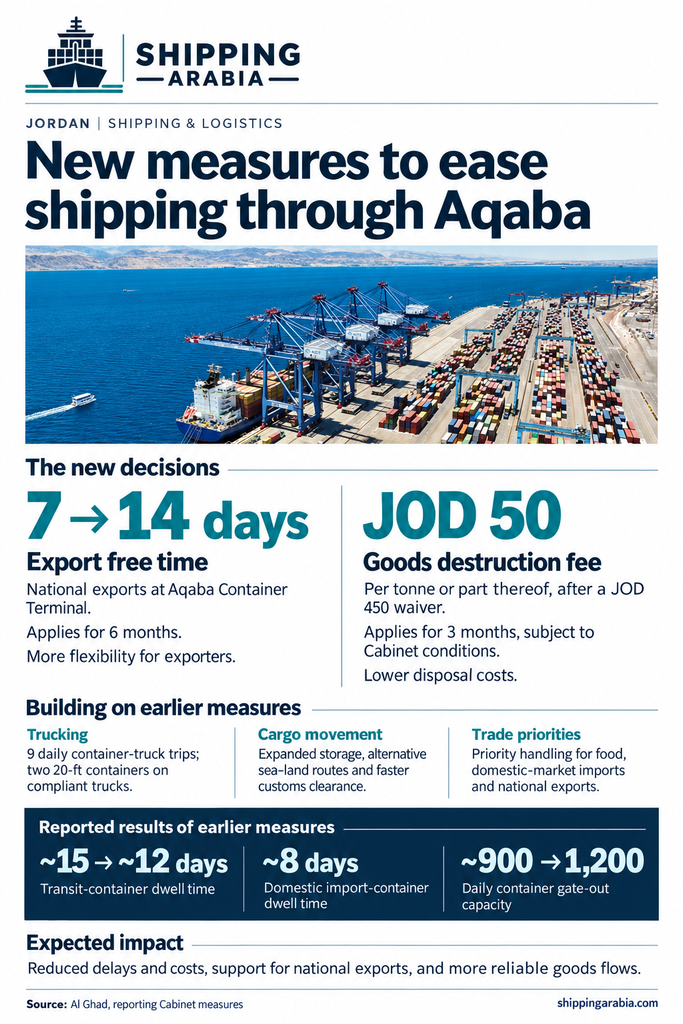
    Shipping Arabia, September 21, 2026 – Jordan’s Supply Chain, Provisioning and Food Security Follow-up Committee has reviewed the impact of shipping disruptions through the Bab el-Mandeb and Strait of Hormuz on cargo flows, freight and insurance costs, as rising regional demand continues to place pressure on Aqaba ports and border crossings.

    The committee met at the Jordan Shipping Association with representatives from the country’s shipping, logistics, customs clearance and commercial sectors to assess changing sailing routes, longer transit times, higher transport and insurance costs and their impact on the movement of goods into Jordan.

    The meeting was attended by Jordan Chamber of Commerce Chairman Khalil Al-Haj Tawfiq; Amman Chamber of Commerce First Vice Chairman Nabil Al-Khatib; Jordan Shipping Association Chairman Zaid Al-Kalaldeh; Clearance Companies and Cargo Transporters Syndicate President Dr. Deifallah Abu Aqoula; Jordan Logistics Association Chairman Nizar Saleh; JSA Secretary-General Capt. Mohammad Al-Dalabieh; and Assistant General Manager Raad Hakouz, alongside representatives of the shipping, logistics and clearance sectors.

    Discussions focused on growing operational pressure across Aqaba, border crossings and inland transport corridors, including challenges affecting truck and cargo movements as regional maritime disruption changes established trade routes.

    Participants also reviewed measures adopted following earlier committee meetings and their impact on cargo flows and operational procedures. Several implemented measures were reported to have improved conditions, but other recommendations remain under implementation.

    The committee said the significant increase in demand on Aqaba ports and Jordan’s border crossings makes faster completion of the remaining measures increasingly important to ease bottlenecks and improve supply chain efficiency.

    Members stressed the need for continuous exchange of operational information between the public and private sectors and stronger readiness to respond quickly to further changes in regional shipping and overland transport.

    The committee will continue monitoring implementation of its recommendations as Jordan works to maintain uninterrupted cargo flows and strengthen the ability of Aqaba and the country’s land corridors to serve both domestic supply chains and growing regional trade movements.

    Source: Jordan Shipping Association
  • Jordan Extends Aqaba Export Free Time as Government Moves to Ease Port and Supply Chain Pressure

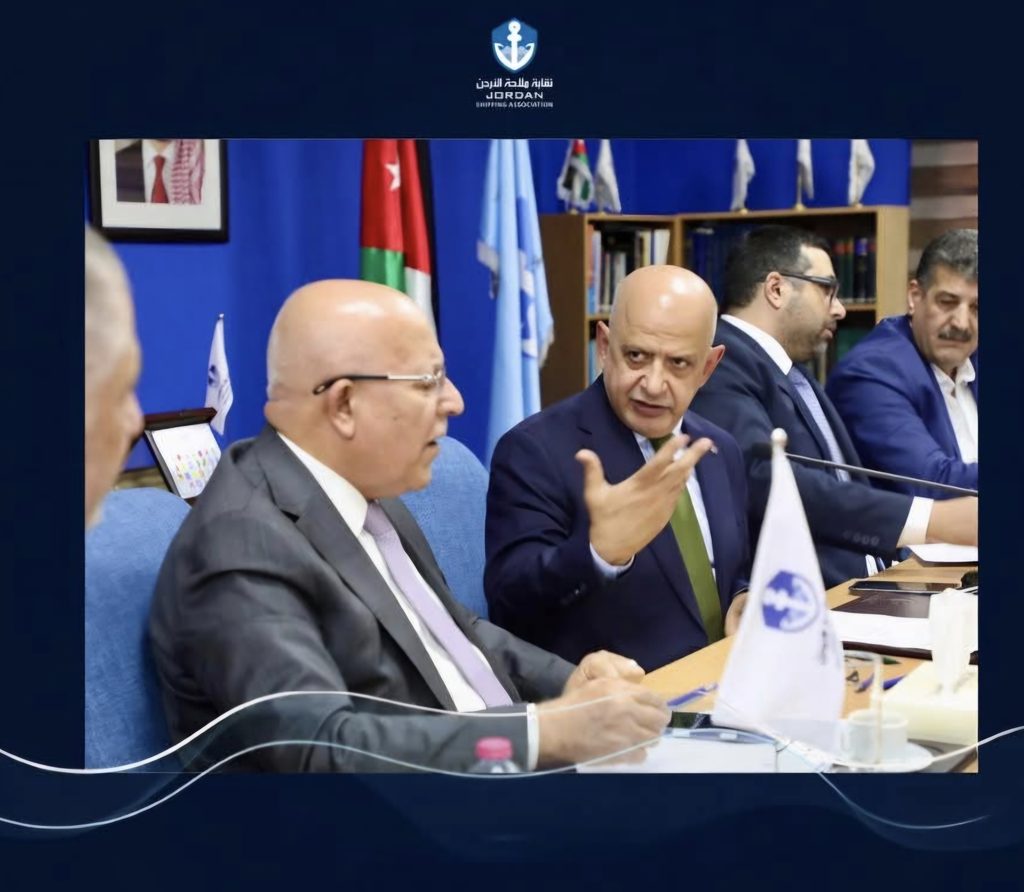
    Shipping Arabia, September 19, 2026 – Jordan has approved a new package of measures to ease operational pressure across Aqaba’s port and logistics system, including doubling the free period for national exports at Aqaba Container Terminal from seven to 14 days for six months, as the kingdom moves to strengthen supply chain resilience and maintain cargo flows.

    The measures were approved by the Cabinet, chaired by Prime Minister Dr. Jaafar Hassan, and build on earlier steps to expand storage capacity, develop logistics centers and supporting infrastructure, accelerate customs clearance and provide alternative sea-land multimodal corridors.

    The government also reduced the charge associated with the destruction of cargo from JOD 450 to JOD 50 per tonne or part thereof for three months, subject to specified conditions and coordination with the Ministry of Finance.

    Operational measures already introduced include transferring part of customs clearance activity to Amman Customs, exempting transit truck movements through border crossings from existing trip limits for three months and increasing the permitted number of daily container-truck trips to nine.

    Trucks meeting technical and safety requirements are also being permitted to carry two 20-foot containers on a single vehicle, while priority in handling, clearance and gate-out is being given to food cargo, imports destined for the domestic market and Jordanian exports.

    The measures are already being reflected in port performance. Average dwell time for transit containers has fallen from around 15 days to 12 days, while inbound local containers are averaging around eight days. Daily container gate-out capacity has increased from approximately 900 to 1,200 containers, helping reduce pressure on the port and accelerate cargo movement.

    The latest measures reinforce Aqaba’s role as Jordan’s principal maritime gateway and an increasingly important regional transit corridor, with the government seeking to increase port capacity and logistics flexibility while limiting additional costs caused by shipping delays and regional supply chain disruption.

    Source: Alghad

  • Egypt Seeks Expanded CMA CGM Investment in Suez Canal Economic Zone

    Shipping Arabia, May 15, 2026 – Egyptian President Abdel Fattah El-Sisi welcomed the existing investment cooperation between Egypt and France’s CMA CGM Group, one of the world’s leading container shipping and maritime transport companies, during a meeting with the group’s Chairman Rodolphe Saadé on the sidelines of the Africa-France Summit in Nairobi.

    The meeting focused on ways to expand cooperation in support of economic integration and trade exchange between Egypt and African countries, while strengthening maritime connectivity across the continent.

    President El-Sisi praised CMA CGM’s role in implementing several projects in Egypt’s maritime and dry ports sector, highlighting in particular the company’s contribution to the development and operation of Egypt’s first semi-automated container terminal, the Red Sea Container Terminal at Sokhna Port.

    He emphasized Egypt’s interest in further expanding the company’s activities and investments, particularly within the Suez Canal Economic Zone, where new investment incentives and major upgrades in maritime transport and infrastructure provide significant opportunities for global operators.

    For his part, Saadé reaffirmed CMA CGM’s commitment to strengthening its presence in Egypt, noting the country’s strategic location and the substantial progress achieved in maritime transport, shipping capabilities and related logistics services.

    The discussions also addressed the impact of current regional tensions on maritime routes. President El-Sisi underlined Egypt’s view that international shipping stakeholders must work together to address bottlenecks and reduce their impact on global trade and supply chain stability, particularly in the energy and food security sectors.

    Source: Alborsa News

  • Damietta Port Handles 300 Vessels and 4.75 Million Tons of Cargo in April

    Shipping Arabia, May 17, 2026 – Damietta Port recorded strong operational growth in April 2026, handling about 300 vessels compared with 296 vessels in the same month last year, a 1% increase.

    The vessel calls included 29 general cargo ships, down 50% from 58 ships in April 2025, while dry bulk vessels rose 11% to 102 ships compared with 92 a year earlier. Liquid bulk vessels increased sharply to 20 ships, up 122% from nine vessels, while container ship calls reached 104, compared with 91 in April 2025, a 14% rise. Ro-Ro vessels increased to five from four, while service and frequent-call vessels declined 5% to 40 ships.

    Total cargo throughput reached 4.75 million tons in April, compared with 3.2 million tons during the same month of 2025, marking a 46% increase.

    The cargo mix included 315,000 tons of conventional cargo, down 46% from 585,000 tons last year. Dry bulk cargo rose 73% to 2.5 million tons, compared with 1.4 million tons in April 2025, while liquid bulk volumes increased 179% to 300,000 tons from 107,000 tons. Ro-Ro cargo also recorded strong growth, reaching 23,900 tons compared with 6,200 tons, an increase of 285%.

    Containerized cargo volumes reached 1.6 million tons, compared with 1.11 million tons in April 2025, reflecting a 44% increase.

    In terms of container units, Damietta Port handled 155,800 containers during April, up 12% from 138,700 containers in the same month last year. Import containers rose 23% to 74,400 units, while export containers increased to 72,100 from 60,900 in April 2025. Additional container movements declined 47% to 9,200 units, compared with 17,500 a year earlier.

    The figures reflect continued momentum in Damietta Port’s dry bulk, liquid bulk, container and Ro-Ro operations, reinforcing its position as one of Egypt’s key maritime gateways for regional and international trade.

    Source: Almal News

Back to top button